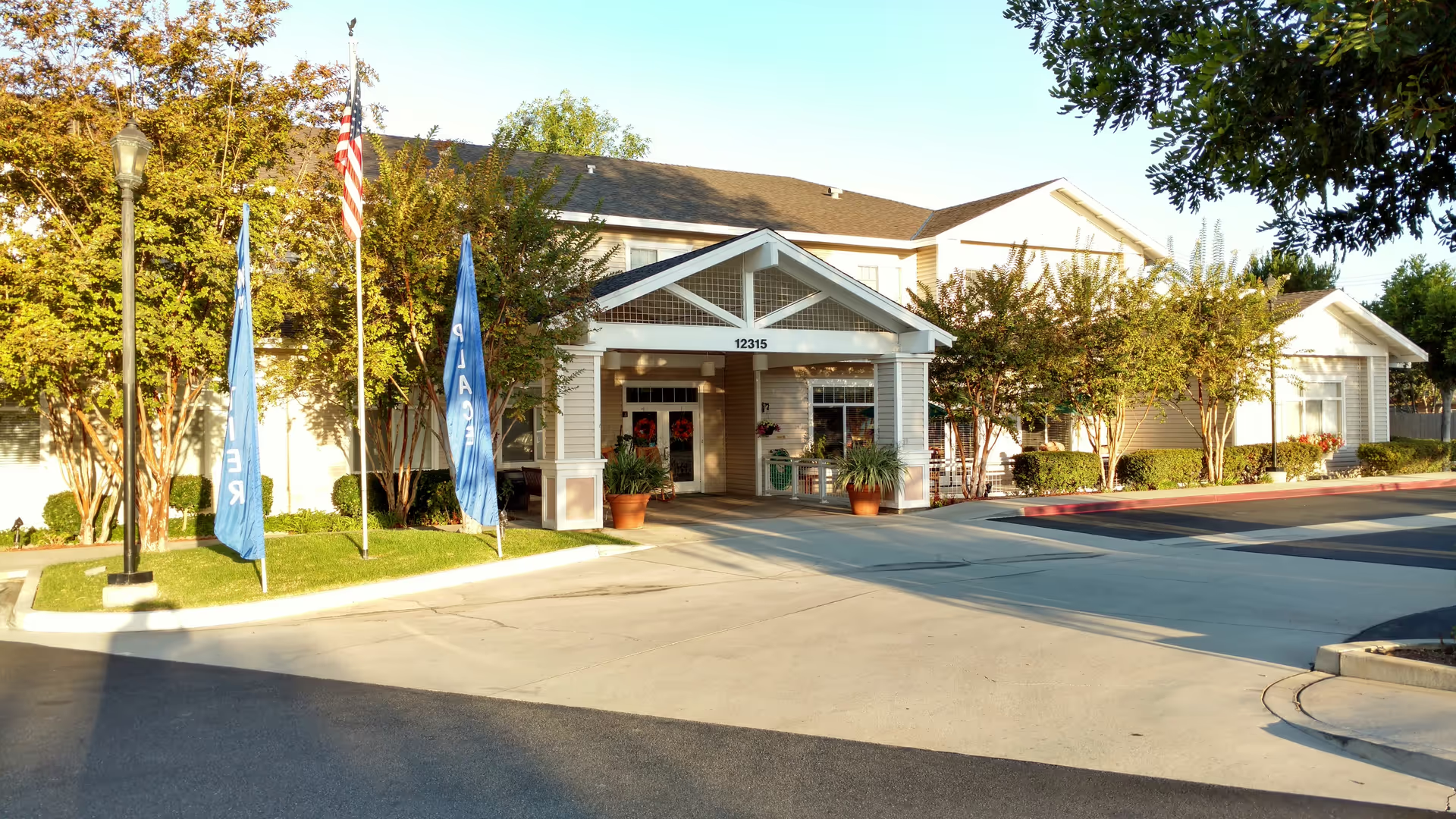
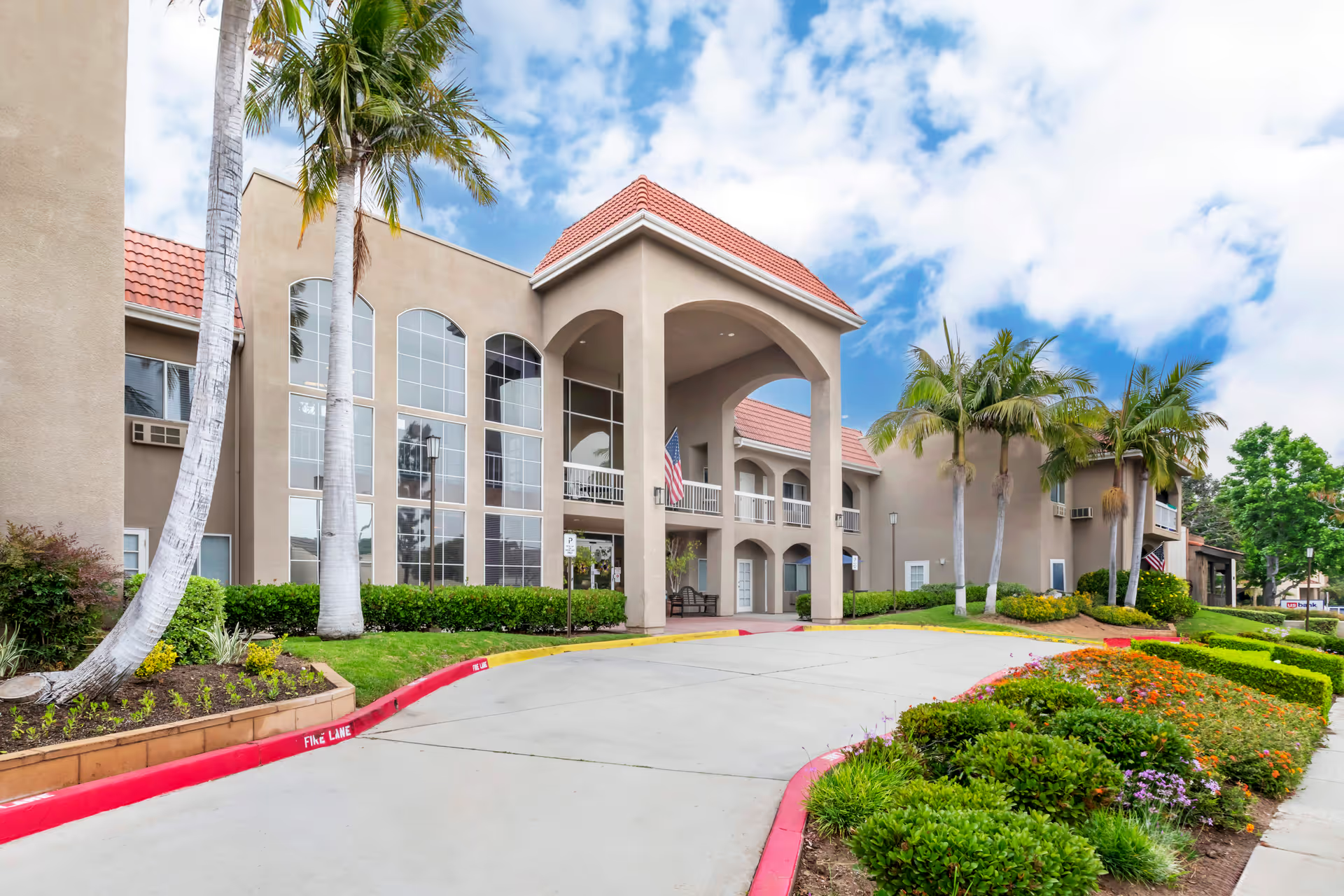
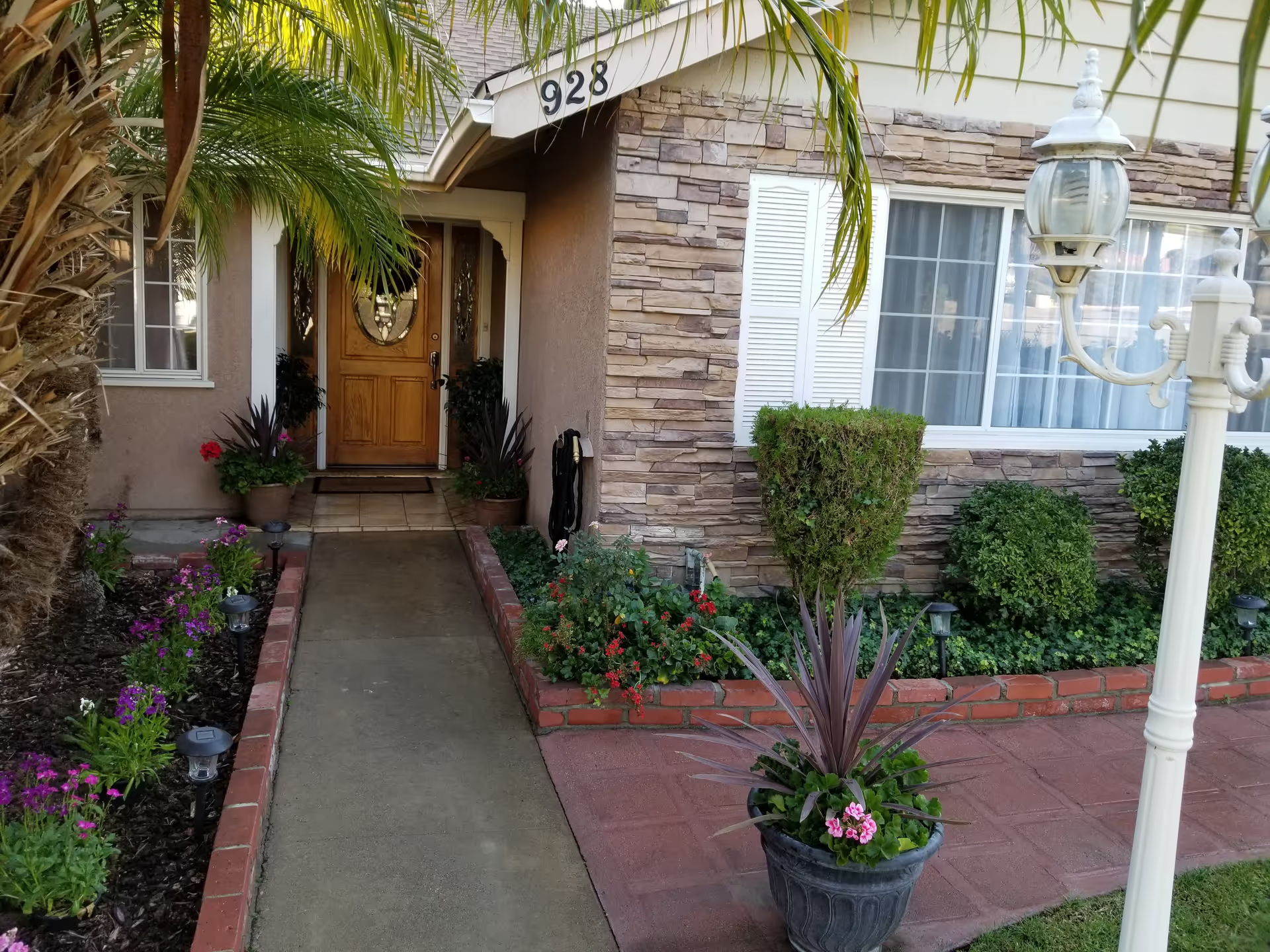
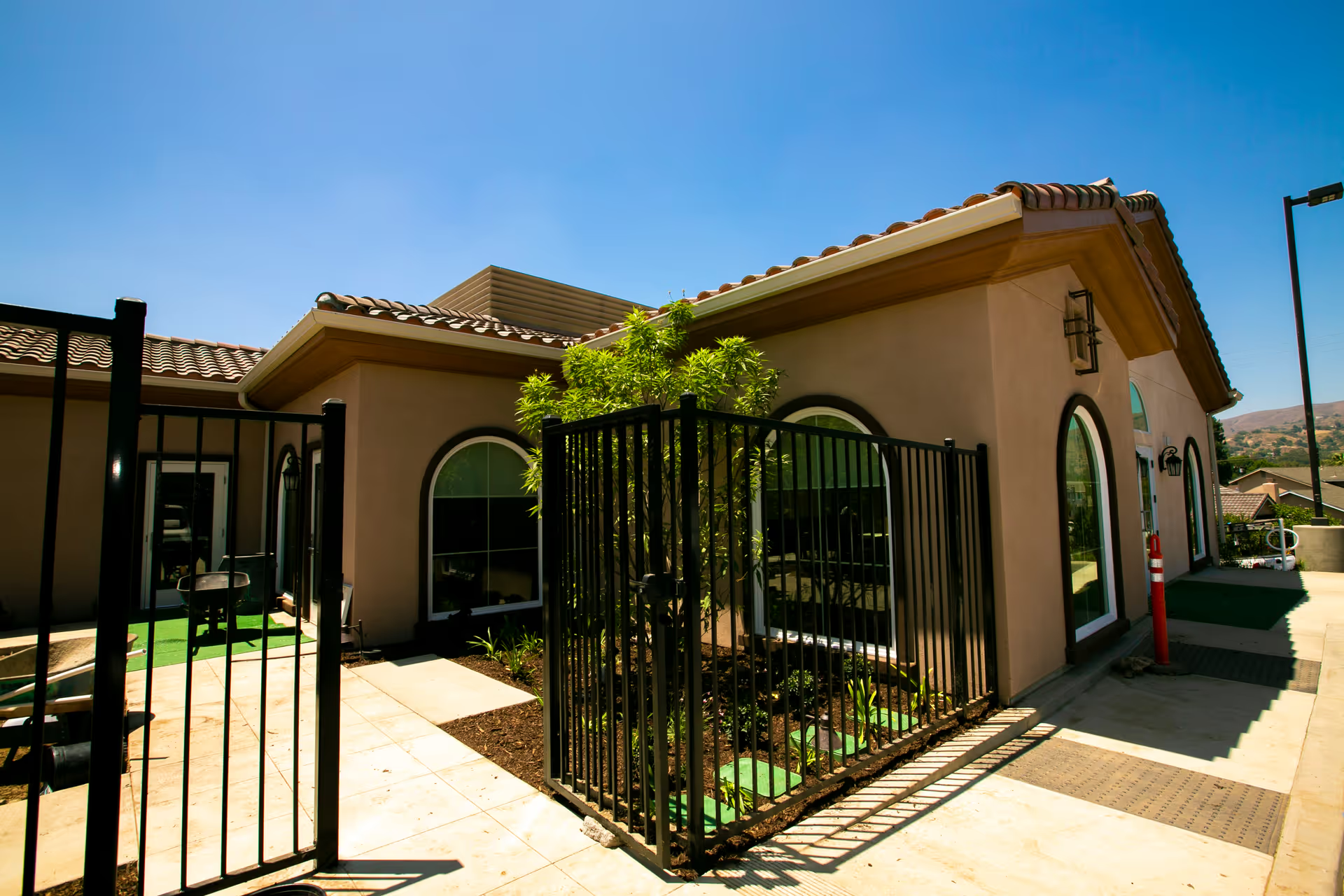
Park Regency is consistently described as a community with a strong emphasis on day-to-day resident care and personal attention. Reviewers repeatedly highlight attentive, proactive caregivers who learn residents’ names and provide a warm, family-like atmosphere. Clinical staff and med‑techs are often characterized as knowledgeable, and families describe a compassionate approach to end-of-life and short-term skilled needs. The community offers a full continuum of services — independent living through skilled nursing and memory care — and many families appreciate the ability to place a loved one quickly when needed.
Dining and programming are commonly cited strengths. The dining program and bistro receive frequent praise for variety and quality, and residents appear engaged by a broad calendar of activities: live entertainment, outings, workshops, gardening/planting areas, and pet-therapy visits. An on-site physical therapy/wellness area and other amenities such as a hair salon and small shops add to the sense of a full-service community. Admissions and tours are generally described as informative and welcoming, and staff leadership is noted as visible and approachable in multiple comments.
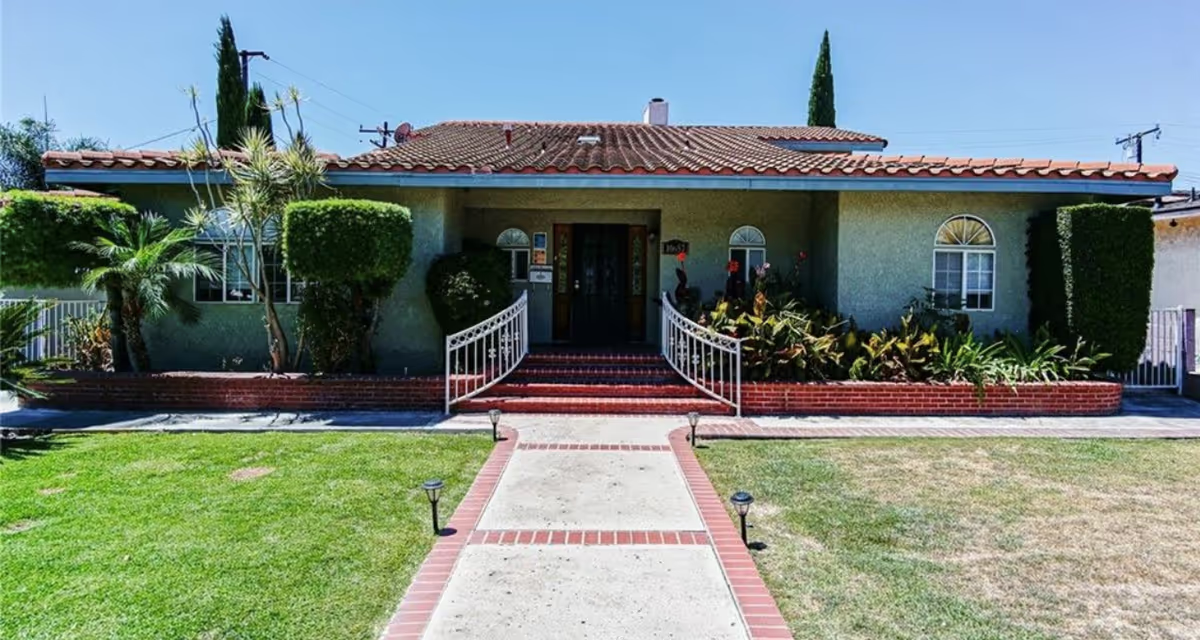
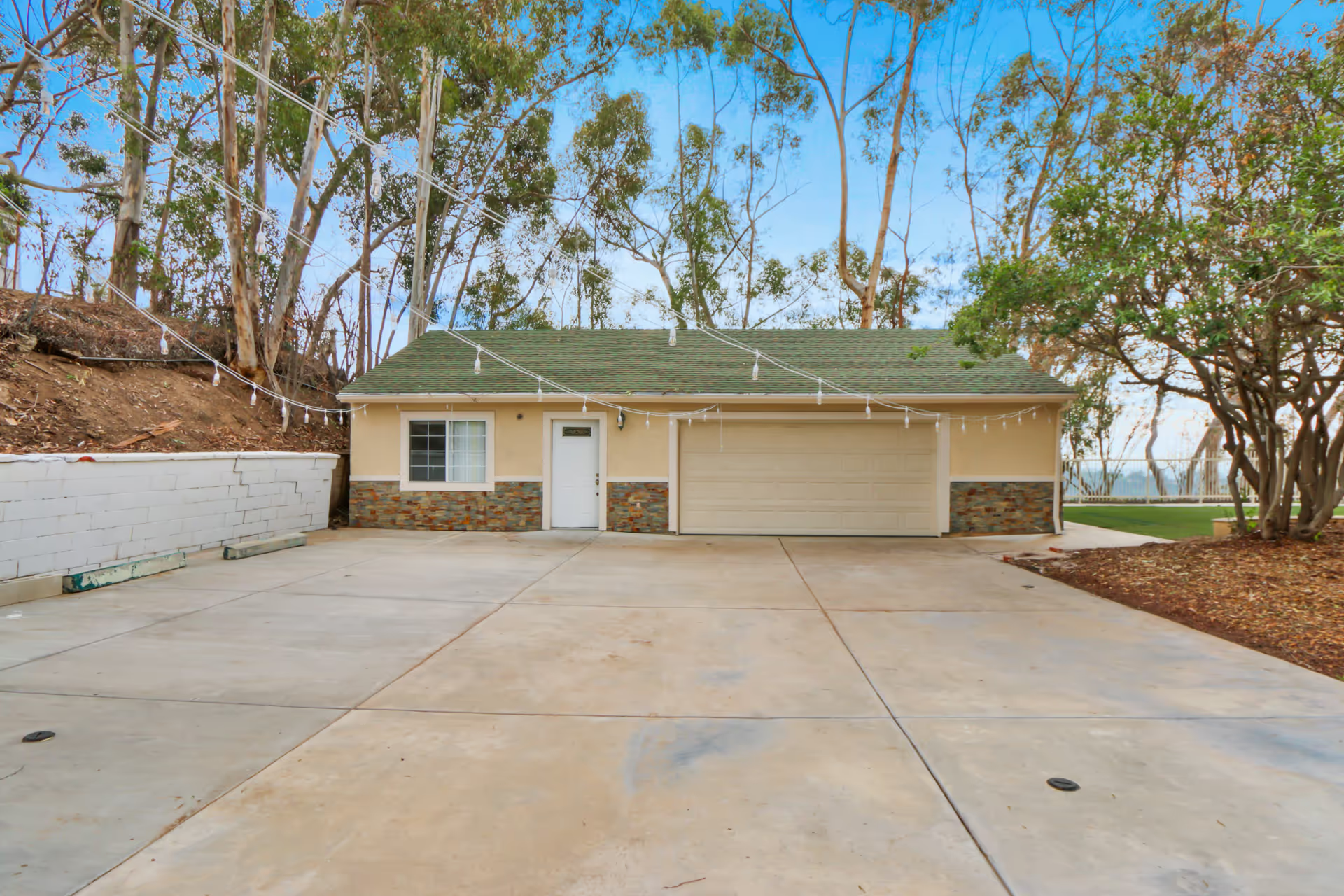
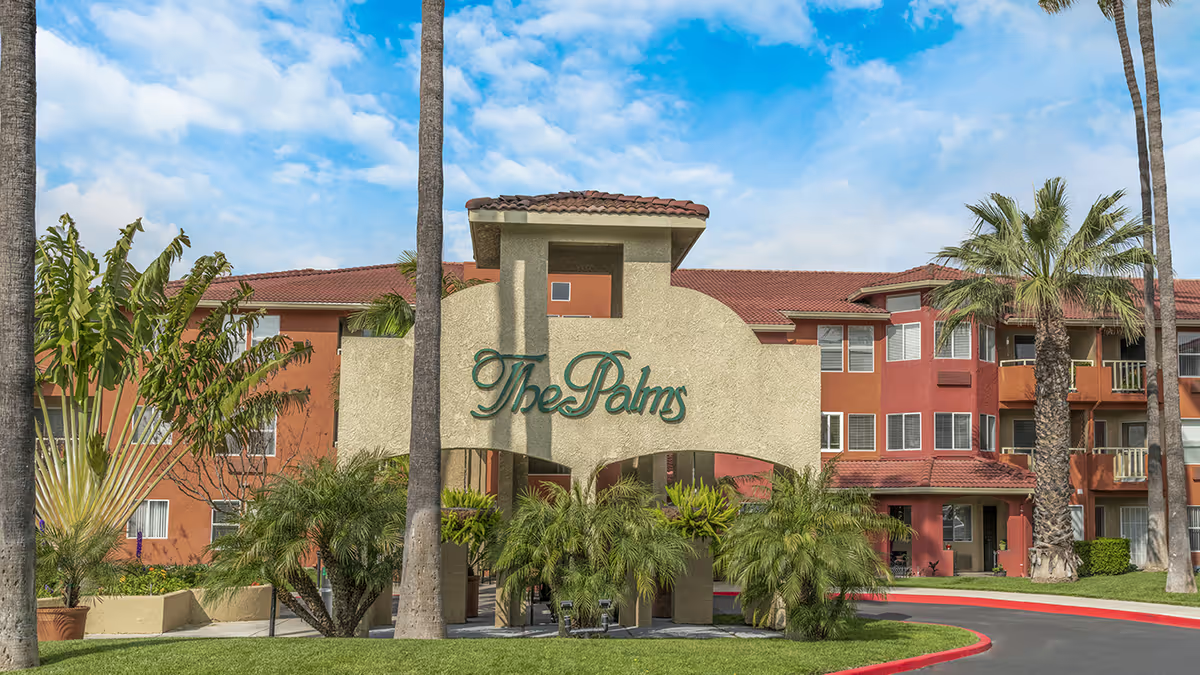
Facility and unit attributes are mixed but leaning positive. Many reviewers describe large, apartment-like rooms with good natural light and courtyard views, clean common areas, and well-kept grounds. The site is noted as affordable and cash-pay friendly, with flat-fee arrangements appealing to some families. Practical strengths include a large parking lot (though often full), convenient proximity to family and local services, and the availability of guest overnight accommodations.
Areas for improvement that recur across reviews relate to operations and maintenance rather than core clinical competence. Several comments indicate constraints in transportation staffing and that the community’s driver resources can be stretched, which may limit access to off‑site medical appointments. Shift-to-shift communication gaps have been reported and could affect continuity around medications and care tasks. Some reviewers described housekeeping or housekeeping-adjacent tidiness issues (for example, restocking boxes or litter in shared spaces) and occasional variability in maintenance response (e.g., access or shower repairs). A few people perceive parts of the building as dated or institutional in appearance, and outdoor walking space is somewhat limited to courtyard areas.
Administrative consistency is another theme: while many families praised admissions staff and managers by name for helpful tours and onboarding, others described inconsistent fulfillment of move‑in promises (missing information packets or unmet sales commitments). A small number of reviews raised concerns about discrepancies between marketing photos and the actual condition of certain units; this points to a need for clearer pre-move documentation and unit walkthroughs. Taken together, the pattern suggests strong frontline caregiving and engaging programming, with opportunity to strengthen transportation staffing, intershift communication, housekeeping consistency, and move-in administrative processes to match the community’s clinical and social strengths.