Overall impression: Reviews present a mixed picture. Many families and residents praised the facility for its rehabilitative strengths and for frontline staff who provide compassionate, reassuring care; others described operational shortcomings that affected clinical safety, communication, and resident dignity. The facility appears capable of delivering strong short‑term rehabilitation outcomes for motivated patients, but there are recurring themes that prospective residents and families should evaluate before placement.
Care quality: Clinical strengths center on physical and occupational therapy — multiple accounts highlight timely, effective therapy sessions and measurable functional improvement. Nursing and caregiving staff are frequently described as attentive and comforting, which contributes to resident well‑being, especially for those with anxiety about transition from hospital to post‑acute care. Counterbalancing these positives are concerns about medication administration, missed treatments, and inconsistent monitoring of chronic conditions; reviewers cited incidents that imply gaps in medication reconciliation, treatment follow‑through, and clinical documentation that could increase readmission risk.
Staff and staffing patterns: Frontline staff (CNAs, therapists, and some nurses) receive substantial praise for hands‑on care, friendliness, and family communication. At the same time, multiple accounts indicate understaffing or excessive workload, which reviewers link to delayed assistance, inconsistent toileting or bathing schedules, and variable conduct. There are also repeated comments about uneven staff competency and leadership oversight, suggesting that training consistency and supervisory presence are areas for improvement.
Dining and nutrition: Some families noted that dietary needs and meal accommodations were managed well and that staff attempted to tailor meals for restrictions. However, there are recurring concerns about inconsistent adherence to dietary orders, allergen/dietary mistakes, and variable food quality. Prospective residents who require strict diet management or allergen controls should verify kitchen procedures and communication pathways.
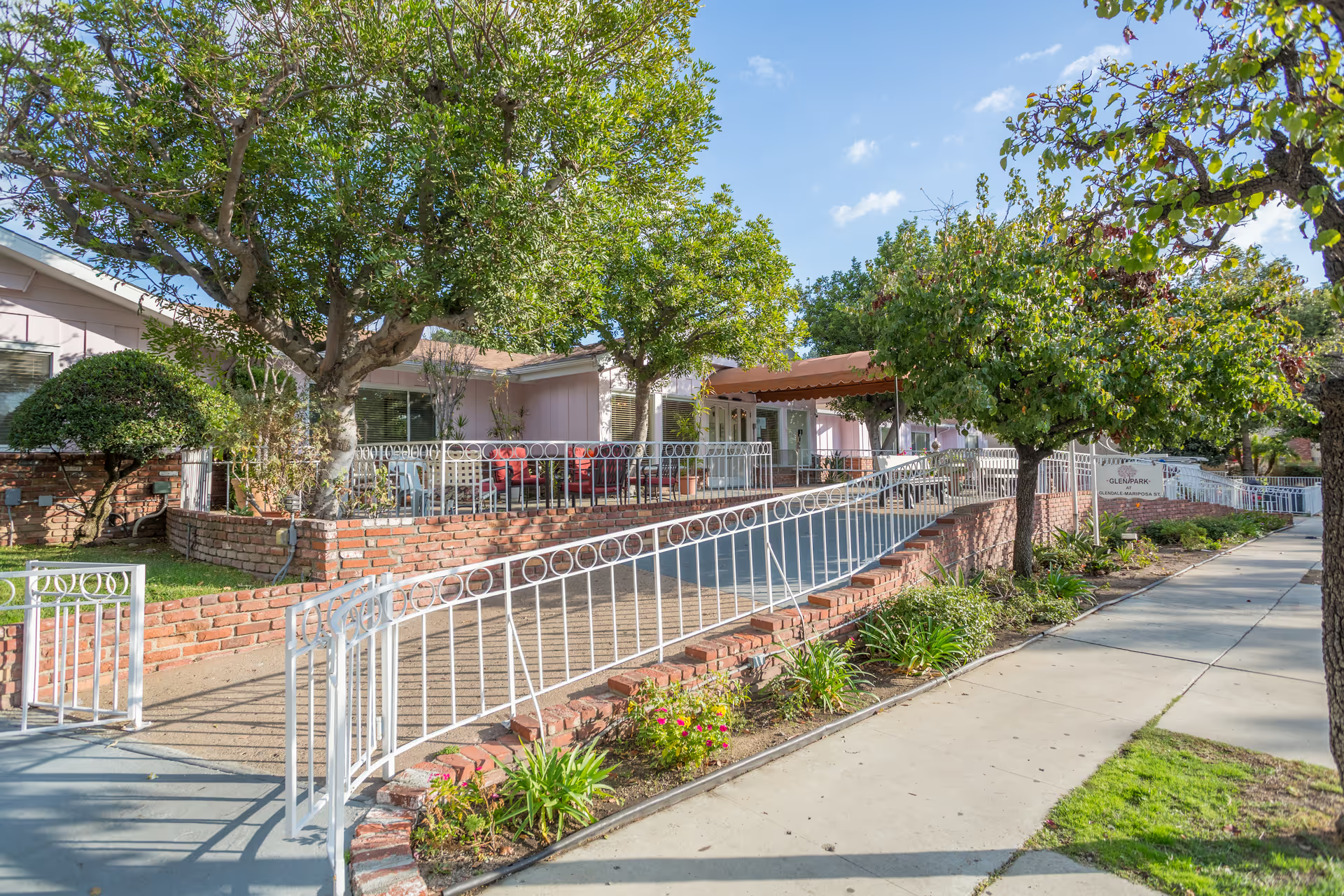
Activities, amenities, and facilities: The facility receives compliments for a welcoming atmosphere, on‑site amenities, and engaging activities at times. Cleanliness and organization are highlighted in many accounts, with some families noting a comfortable environment and improved mood for their loved ones. Conversely, reviewers also described sanitation concerns in certain areas, odor concerns, and generally crowded multi‑bed rooms that reduce privacy and personal space. The mix of clean/common‑area praise alongside specific sanitation or odor concerns suggests variability across units or times.
Safety, property, and infection control: Safety practices are a notable pattern. Several reviews describe falls or transfer‑related incidents and delayed assistance that imply gaps in fall‑prevention and transfer protocols. There are also incontinence‑care delays and sanitation inconsistencies that raise infection‑control questions in some accounts. Allegations of theft and mishandling of personal items appear in the feedback and should be considered seriously; families should ask about property‑control policies and incident escalation procedures. There are isolated references to concerns following a resident's death, which underscore the importance of clear clinical communication and incident review processes.
Management, communication, and billing: Communication and leadership responsiveness emerge as mixed. Some reviewers praised specific managers and admissions staff for clear, supportive communication, while others found administration unresponsive, especially regarding clinical updates, discharge planning, and billing/payer matters. Issues described include incomplete discharge disclosure, inadequate notification about new or ongoing diagnoses, and difficulties resolving billing questions. These patterns point to a need for stronger family‑facing communication protocols and clearer billing transparency.
What to watch for and questions to ask: For families considering this facility, verify current staffing ratios on the unit, ask about medication‑administration safeguards and clinical monitoring protocols, confirm dietary and allergen controls, review rooming options if privacy is a concern, and request the facility’s policies on personal property, incident reporting, and discharge communication. Tour the specific unit where placement would occur to assess cleanliness consistency and ask for references for recent rehabilitation outcomes.
Bottom line: Burbank Healthcare & Rehab is frequently praised for its therapy program and for many compassionate frontline caregivers, and it can deliver strong short‑term rehabilitative results. At the same time, patterns in reviews indicate operational weaknesses — particularly around staffing consistency, medication and clinical monitoring, sanitation practices, privacy in shared rooms, and administrative communication — that merit direct inquiry and monitoring before and during a stay.