Overall impression: Reviews describe a facility with clear strengths in memory-care security, therapy services, and several caring front-line staff, alongside persistent operational weaknesses that affect day-to-day family confidence. Many families praised compassionate caregivers, an active activities program, and rehabilitation that enabled some residents to return home. At the same time, reviewers frequently described problems that appear rooted in inconsistent staffing, documentation, and management processes.
Care quality: The facility provides 24-hour nursing oversight and has examples of effective clinical and therapy interventions. Medication-review efforts and encouragement of independent eating were noted as positive clinical practices. However, there are recurring concerns about delays in medication administration, incomplete or inconsistent clinical notes, and delayed medical evaluations. These gaps in documentation and timely clinical response have been linked in reviews to escalations of care for individual residents and to concerns following a resident's death; there are also allegations of serious clinical incidents and legal action in isolated cases. Families would be advised to ask about medication administration protocols, documentation practices, and incident escalation procedures during any visit.
Staff and culture: Many reviewers singled out individual staff members and overnight teams as attentive, compassionate, and hardworking. Nursing leadership and some CNAs were described as assets. Conversely, the facility appears to have variable staff professionalism and responsiveness across shifts—morning and day shifts were singled out in some accounts as less attentive—and reviewers described morale and coverage issues that can lead to inconsistent care. Comments also suggest staffing shortages place pressure on employees, which may contribute to uneven resident interaction time and task completion.
Dining and activities: Activity programming is a consistent positive: daily engagement, dementia-focused groups, and community involvement (for example, participation in the Alzheimer’s Walk) were highlighted. At the same time, reviewers noted difficulties integrating quieter or more withdrawn residents into activities. Meal service includes personalized accommodations for some residents and support for independent eating; however, the dining experience has been characterized as crowded and chaotic at times, with inconsistent meal presentation and concerns about pureed-food texture and seating availability.
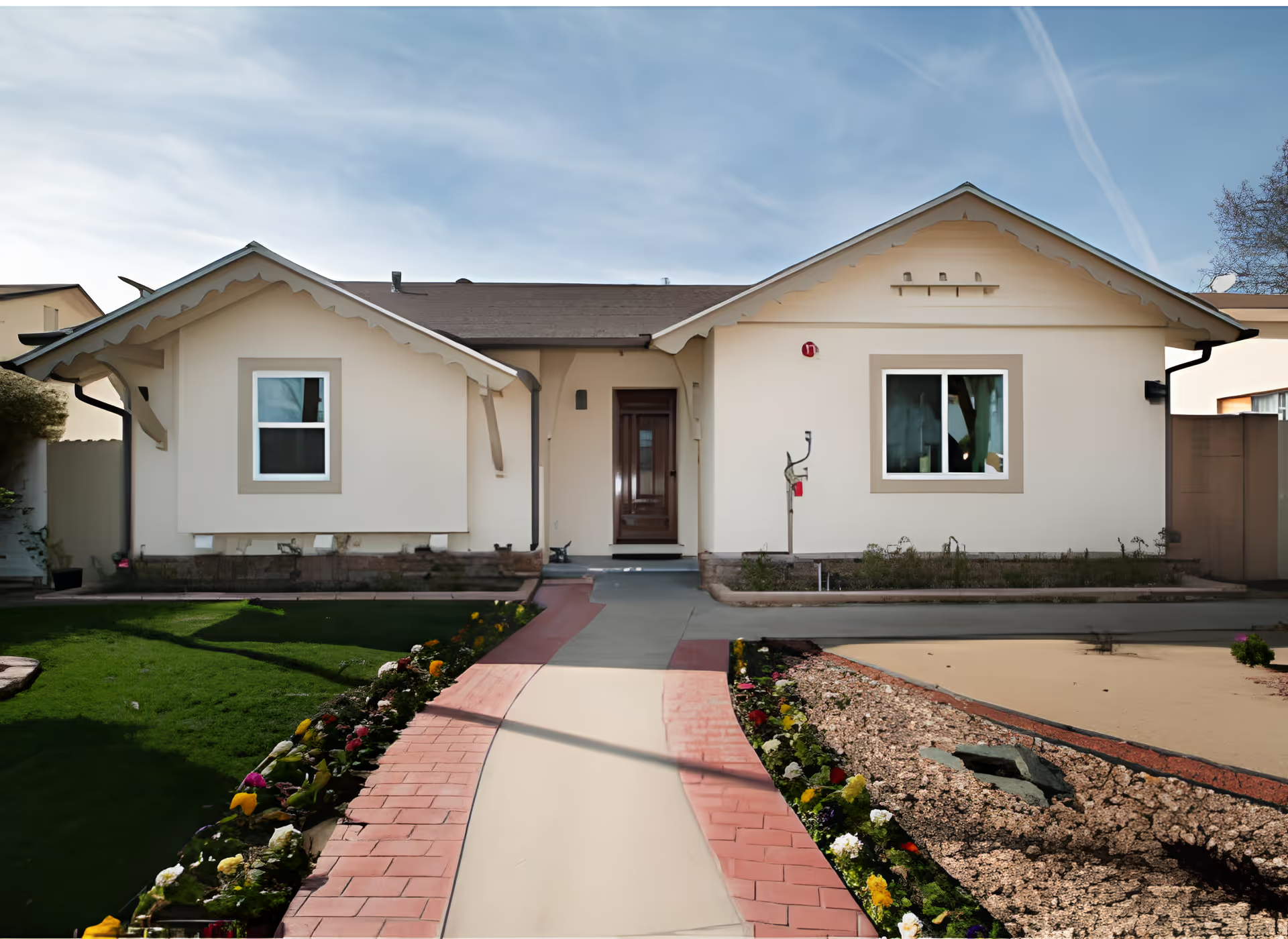
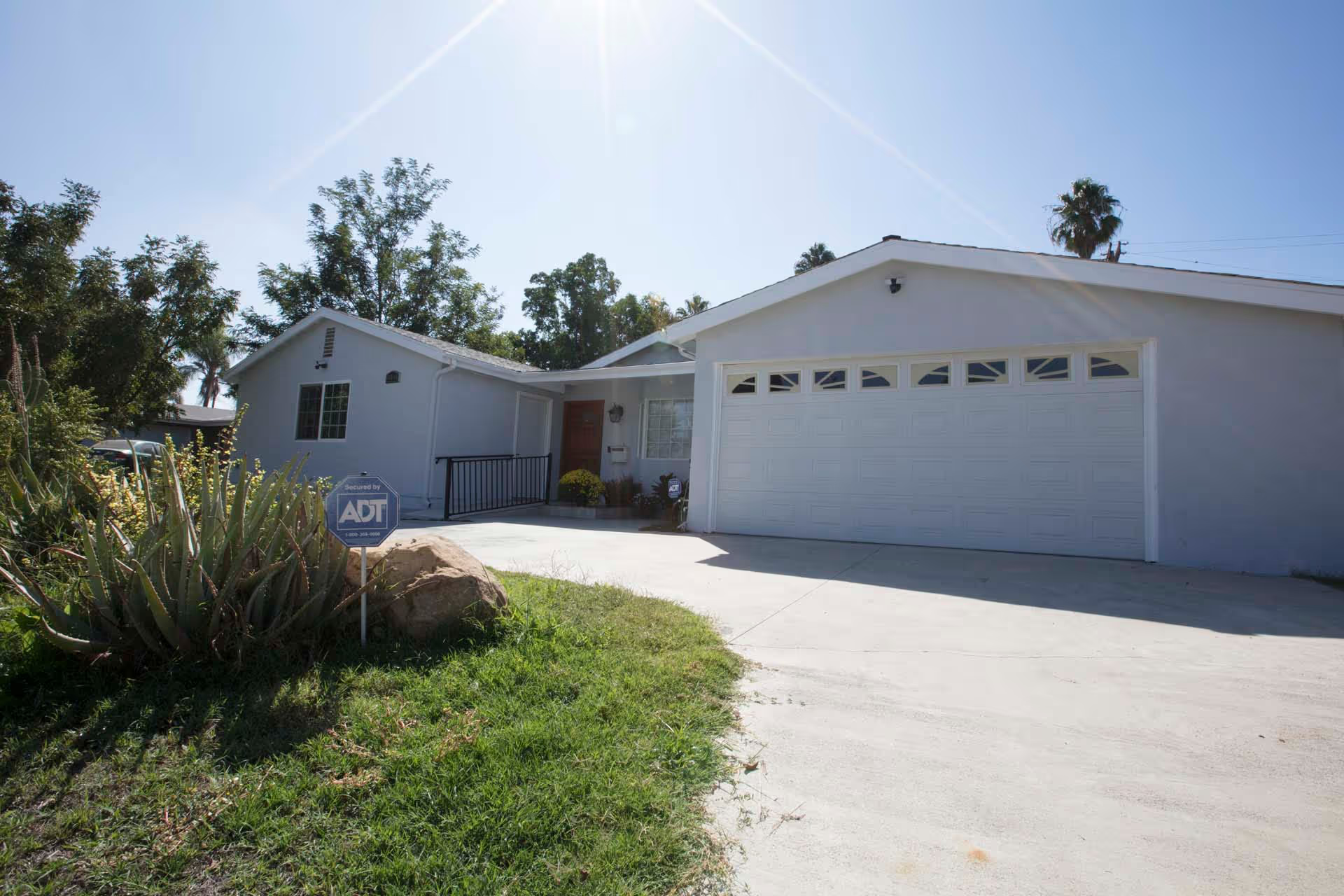
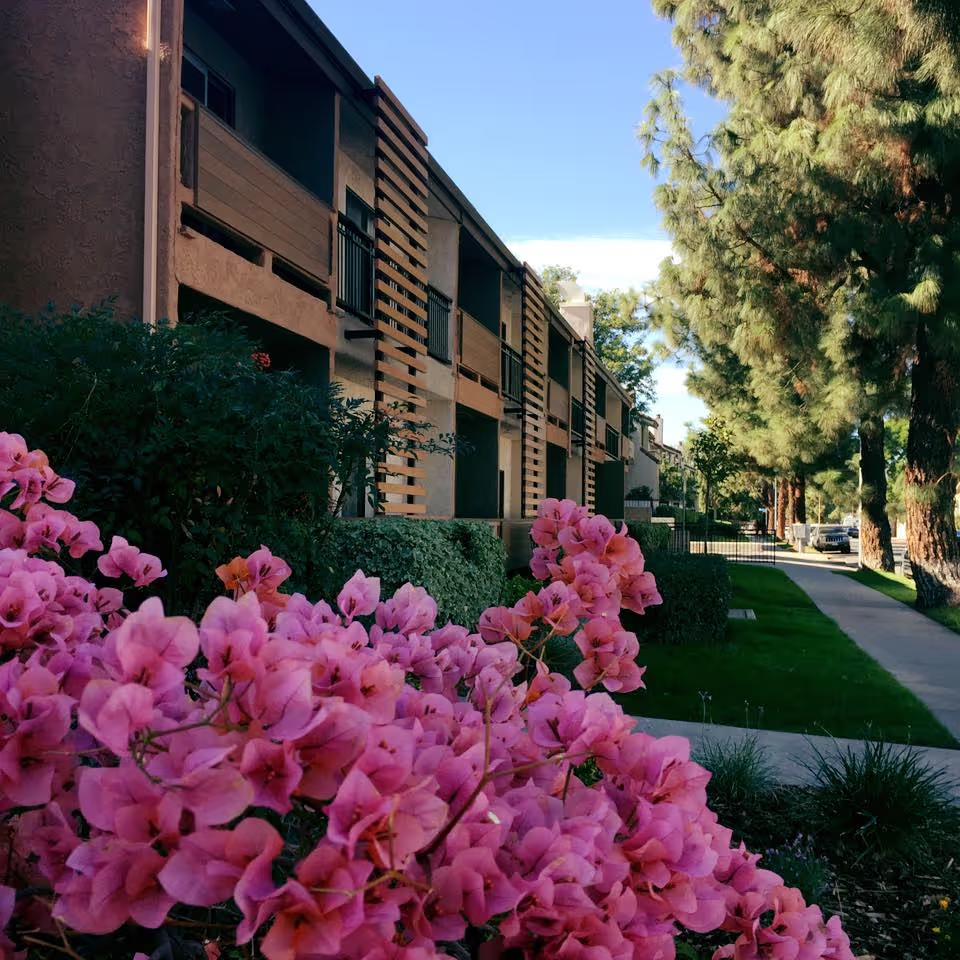
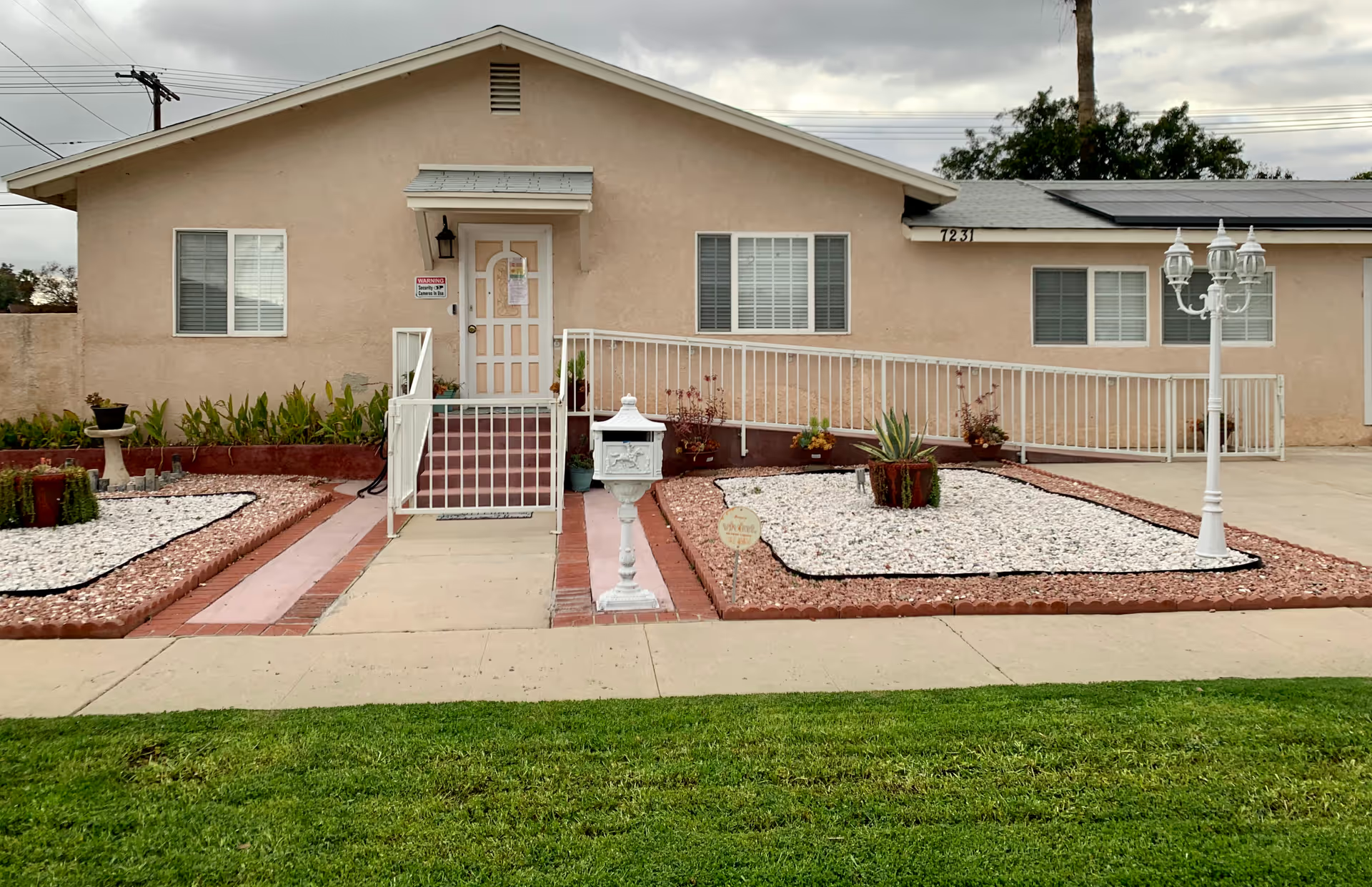
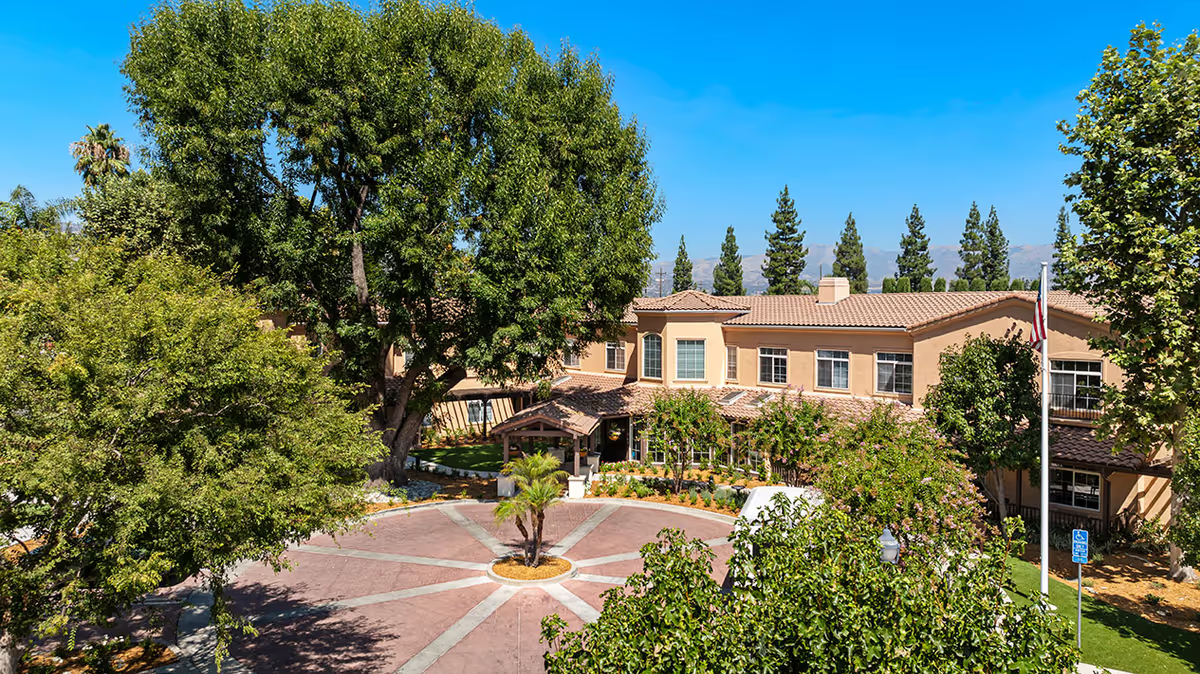
Facilities and cleanliness: The building is described as large and secure, with well-maintained common areas and a locked memory-care unit. Nonetheless, several operational maintenance issues were raised, including wallpaper peeling, limited outdoor shade, and signs of constrained funding. Cleanliness and laundry-process inconsistencies were reported in some units, together with general sanitation and odor concerns. Infection-control practices were also questioned in certain accounts, including zone-assignment decisions during infectious outbreaks; prospective families should review the facility’s infection-control policies and recent inspection history.
Management and administrative practices: Communication and transparency with families emerged as a recurrent concern. Reviewers described delays in decisions, difficulty obtaining consistent answers, front-desk unavailability, and billing or admissions practices that families found coercive or unclear. While some noted a new administrator taking visible steps to improve operations, others described defensive communication from management. Given these mixed impressions, families should seek clear, written explanations of admission terms, visitation policy, staffing ratios, and grievance procedures.
Notable patterns and recommendations: The overall picture is polarized—several strong clinical and activity-related strengths coexist with operational weaknesses that are often attributed to staffing instability and administrative processes. When considering this facility, prospective residents and families should arrange an in-person visit at multiple times of day (including mealtimes and shift changes), request recent staffing and inspection records, review medication and documentation protocols, observe dining and activity periods, and discuss infection-control and laundry procedures. These targeted inquiries will help evaluate whether the facility’s strengths align with a family’s priorities and whether the operational concerns have been addressed.