Reviews present a mixed but clearly patterned picture. Strengths repeatedly described include warm, conscientious caregivers who give individualized attention and connect well with residents; many families praised the facility’s skilled-nursing license and active hospice collaboration, as well as staff advocacy around medication management. The dining program receives consistent positive mention for fresh, homemade meals and daily soups, and reviewers commonly described the building as clean and home-like with a quiet neighborhood setting.
Clinical quality appears uneven. Positive accounts note timely medical attention, knowledgeable staff during healing and end-of-life stages, and effective hospice communication. However, other accounts raise serious operational concerns around wound prevention and management, incontinence care, hydration monitoring, and infection control. Several reviewers described delays in emergency escalation or response; one account referenced concerns following a resident’s death, which underscores the importance of asking about incident-response protocols and clinical oversight when evaluating the home.
Staff-level strengths coexist with apparent gaps in consistency and continuity of care. Many families described attentive, compassionate staff who provide individualized support and engage residents socially; staff members were also credited with advocacy and good communication with hospice providers. At the same time, the pattern of clinical lapses reported suggests possible issues with staffing levels, training, supervision, or handoff procedures that can produce inconsistent outcomes for higher-acuity residents.
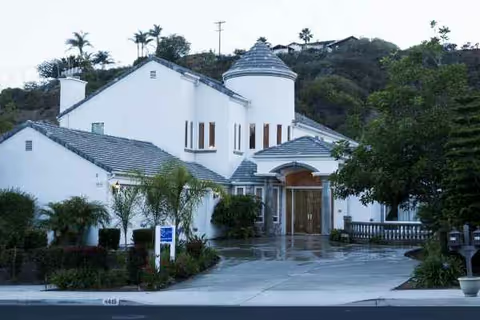
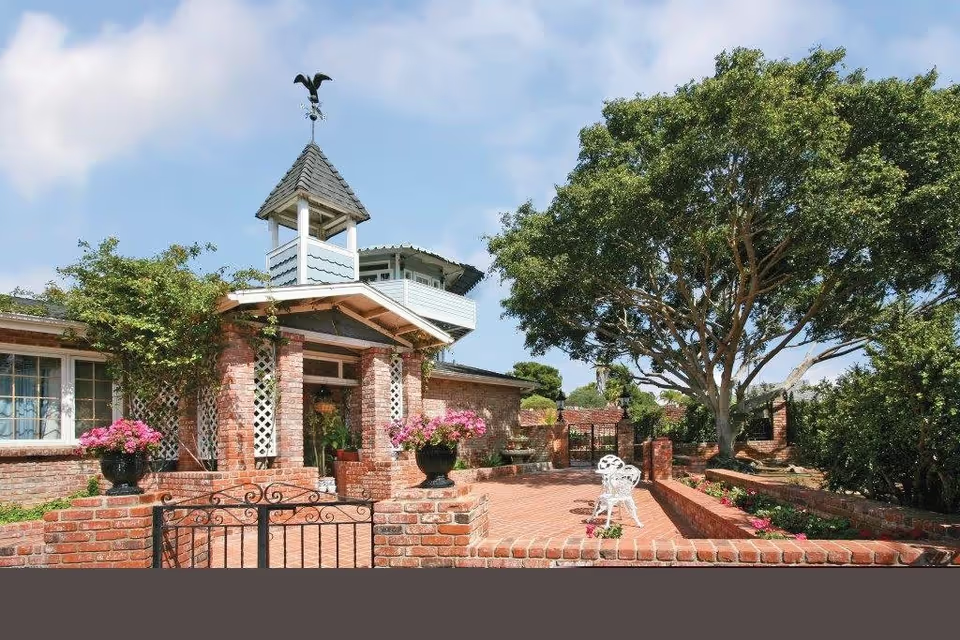
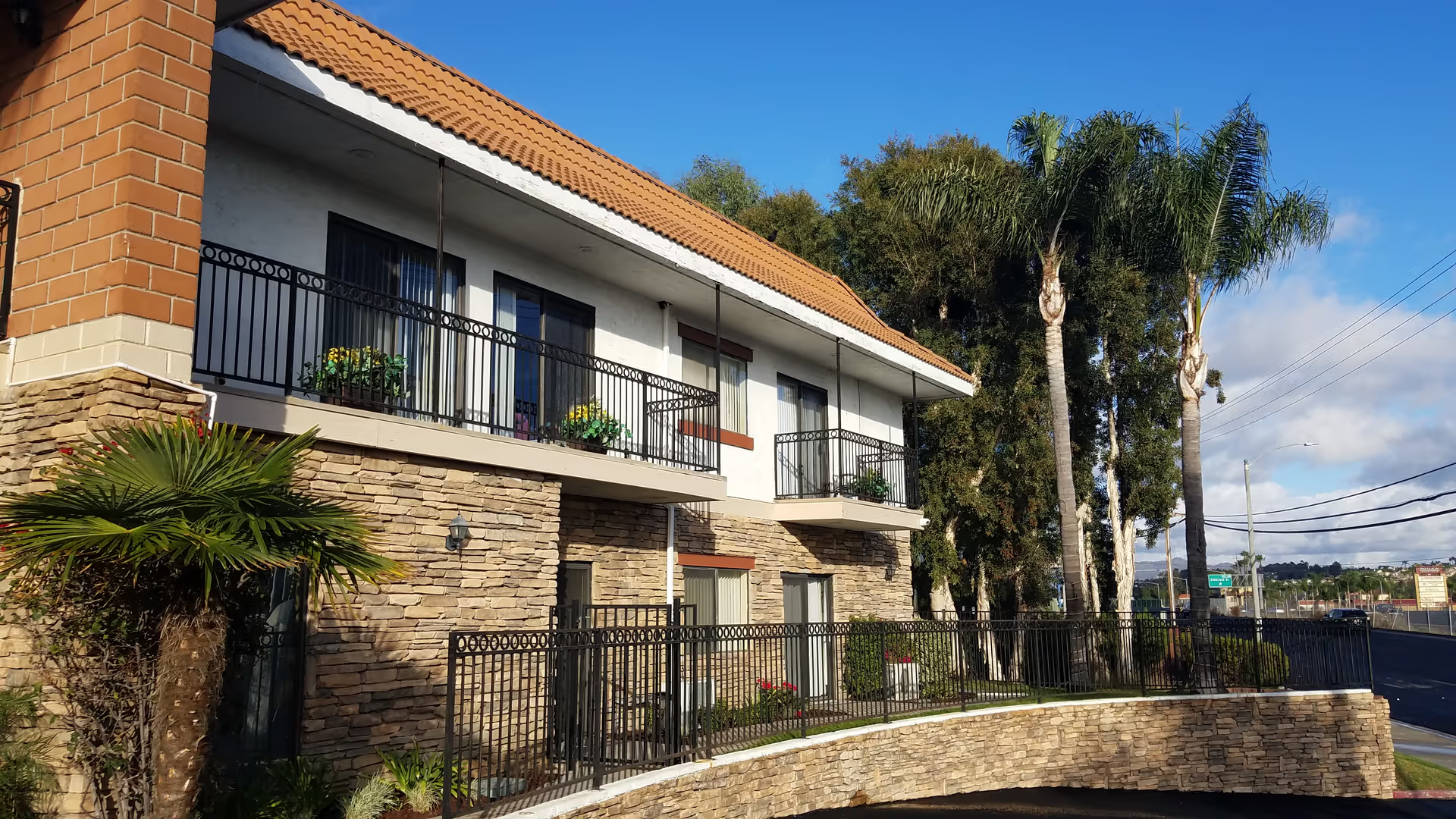
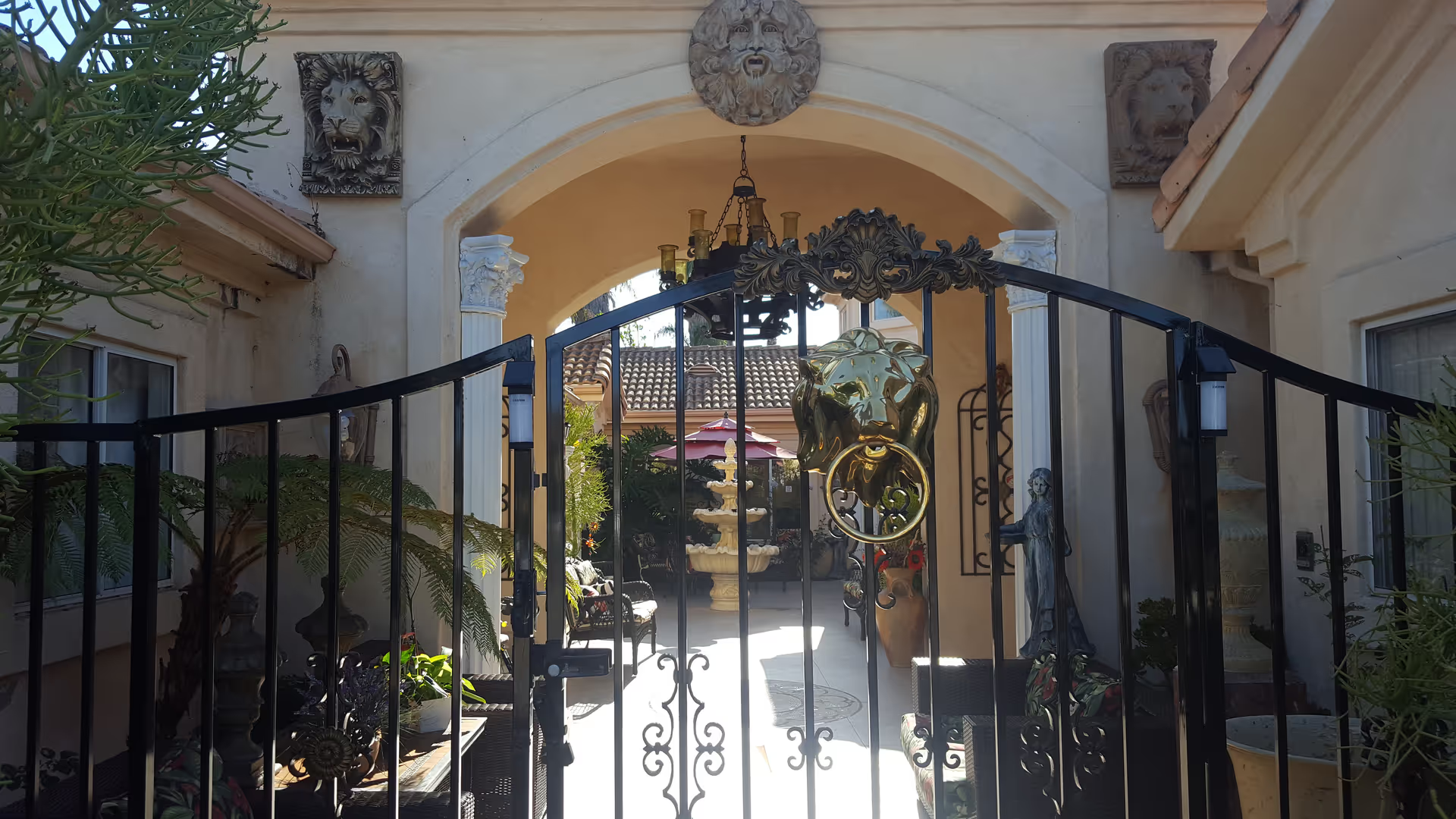
On nonclinical aspects: dining is a clear asset, with nutritious, non-fried options and a homelike kitchen presence noted by several reviewers. Activity programming was described as limited, so prospective residents who prioritize robust engagement opportunities should probe available schedules and one-on-one activity plans. The facility’s physical environment was described as clean and warm, though furnishings and decor were characterized as older in places.
In summary, Hillside Garden I RCFE appears to offer strong relational caregiving, home-style meals, and hospice-capable services, making it a potentially good fit for families valuing personalized attention and comfort. At the same time, documented inconsistencies in clinical care, hygiene-related practices, hydration monitoring, infection prevention, and emergency escalation merit careful inquiry. Prospective families should ask about staffing ratios, wound- and infection-prevention protocols, hydration and incontinence care procedures, emergency escalation processes, and current engagement/activity offerings during tours and meetings with management.