Overall assessment Reviews present a facility with clear strengths in direct care and rehabilitation alongside operational inconsistencies that prospective residents and families should evaluate in person. The dominant positive theme is high-quality, compassionate hands-on care: nursing staff, CNAs, and therapists are repeatedly described as attentive, professional, and effective at improving mobility and managing pain. Several families credited therapy teams with measurable functional gains and timely progress toward discharge. Activity staff and programs are another strong area, with frequent, inclusive offerings (bingo, karaoke, live music, classes) that support social engagement.
Care quality and staff Clinical and rehabilitative services receive consistent praise. Physical and occupational therapy teams are highlighted for frequency of sessions (including six-day schedules in some cases), individualized engagement, and functional improvements. Nursing and aide staff are often described as responsive and caring; many reviewers noted good coordination with external providers and active advocacy for pain control. However, staffing patterns appear inconsistent: reviewers reported delayed responses to call lights, holiday or skeleton staffing concerns, and variability in front-desk or supervisory communication. These staffing fluctuations are associated with delays in routine assistance and occasional lapses in customer-facing professionalism.
Dining and activities Dining services are generally well regarded: reviewers praised meal quality, accommodation of special diets, and attentive kitchen staff. At the same time, there are isolated comments about unacceptable meal quality, indicating some variability in food service. Activities are a clear strength — the program is described as diverse, inclusive, and well staffed, contributing positively to resident morale and socialization.
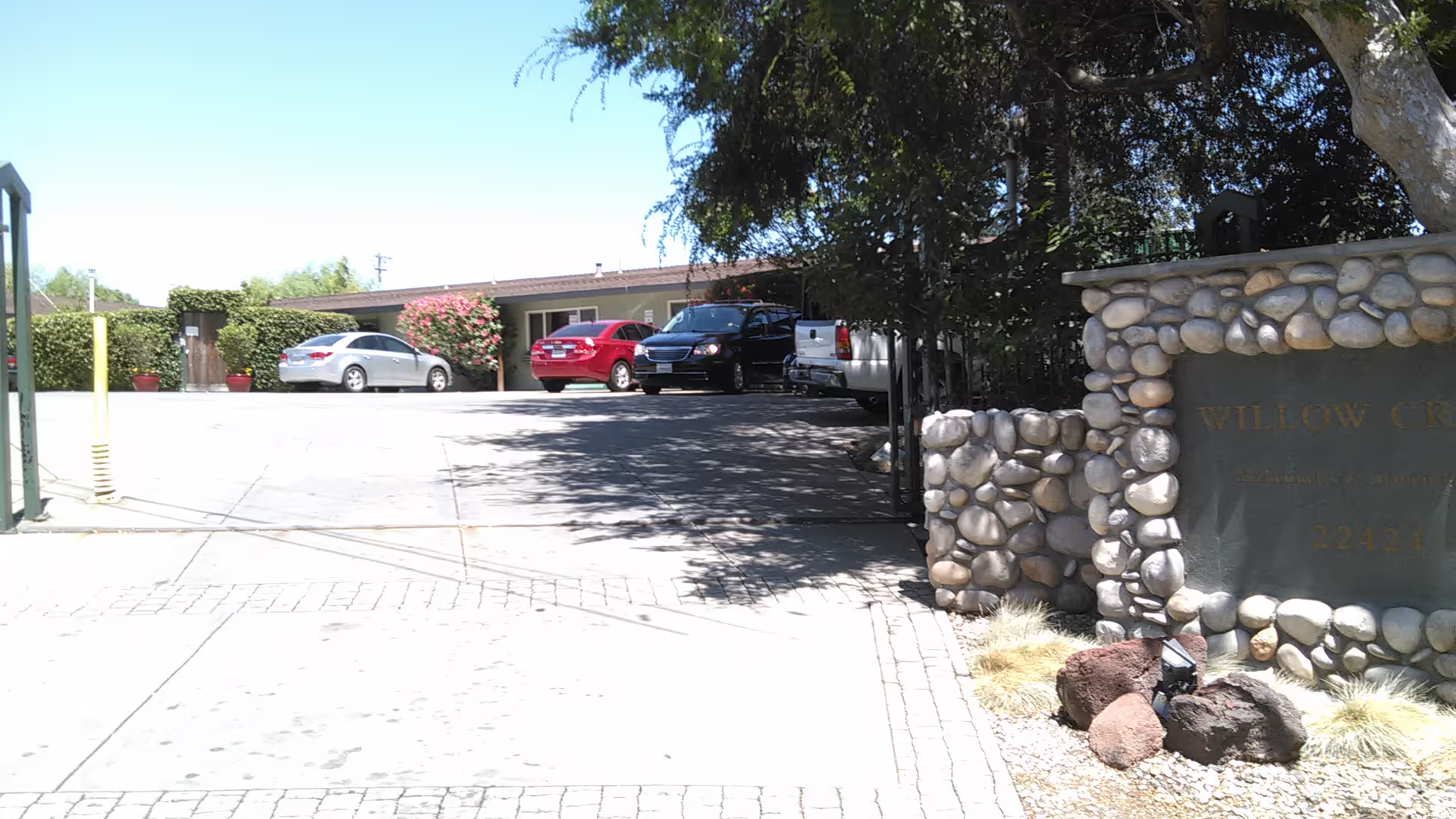
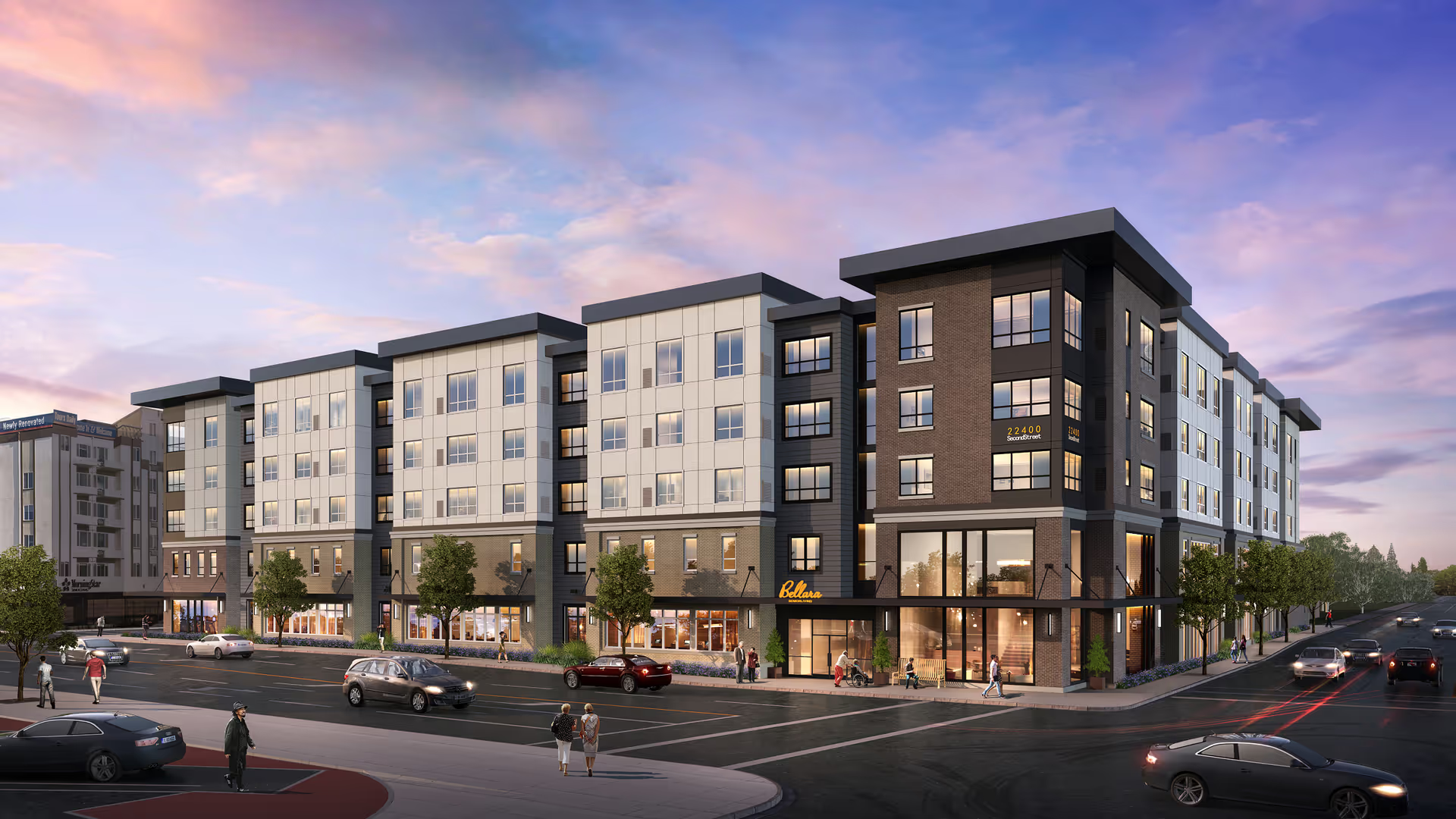
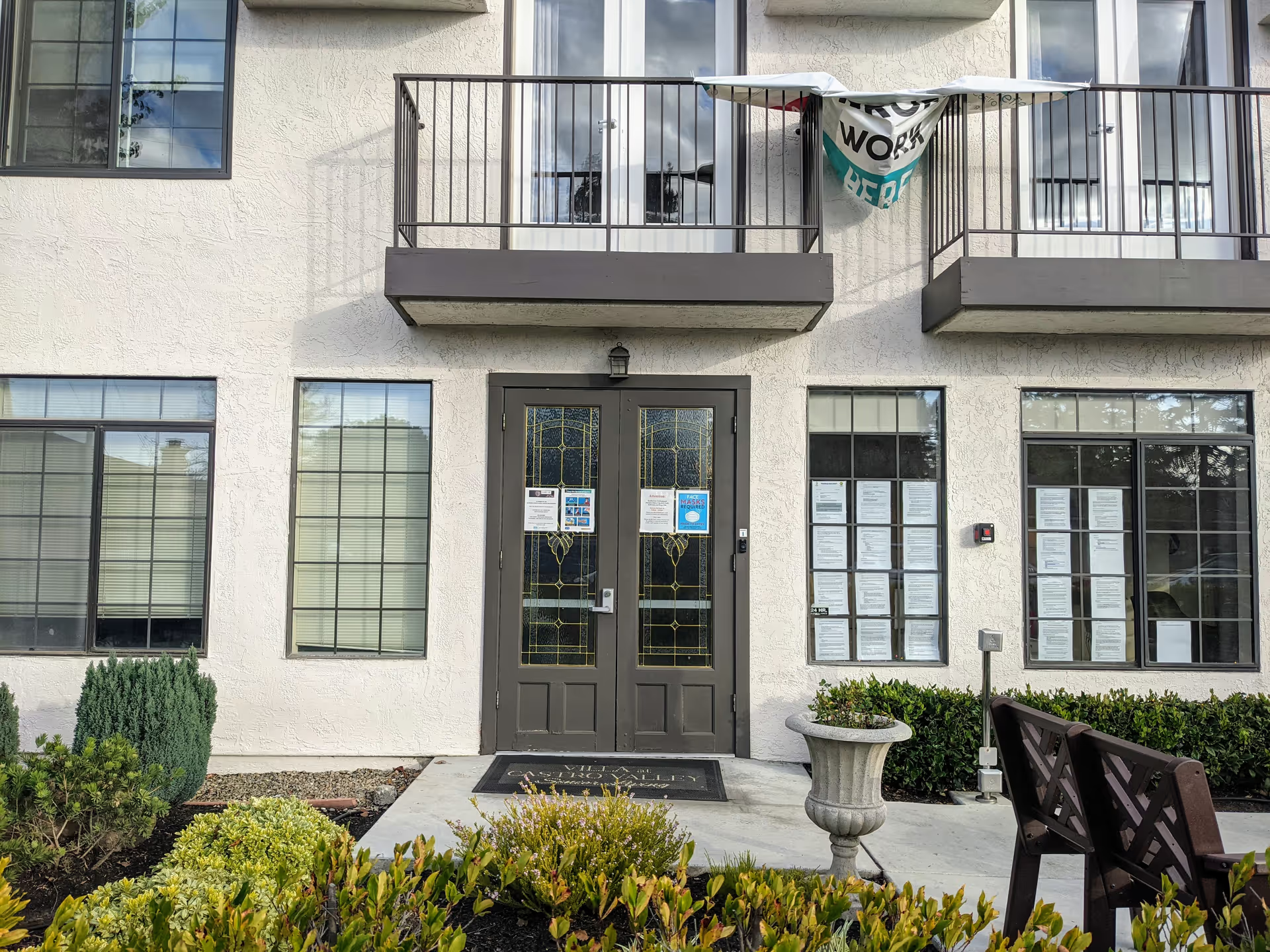
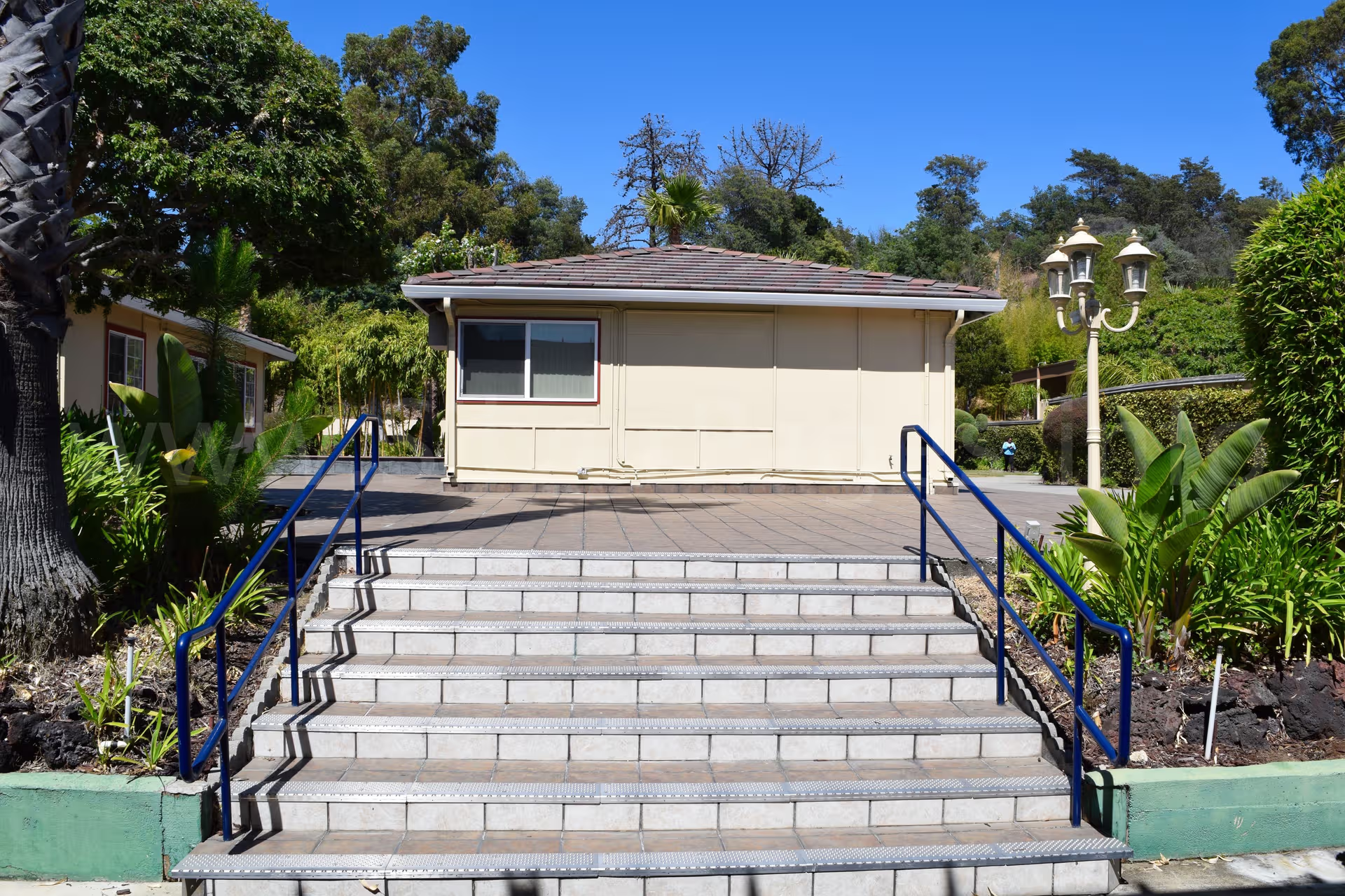
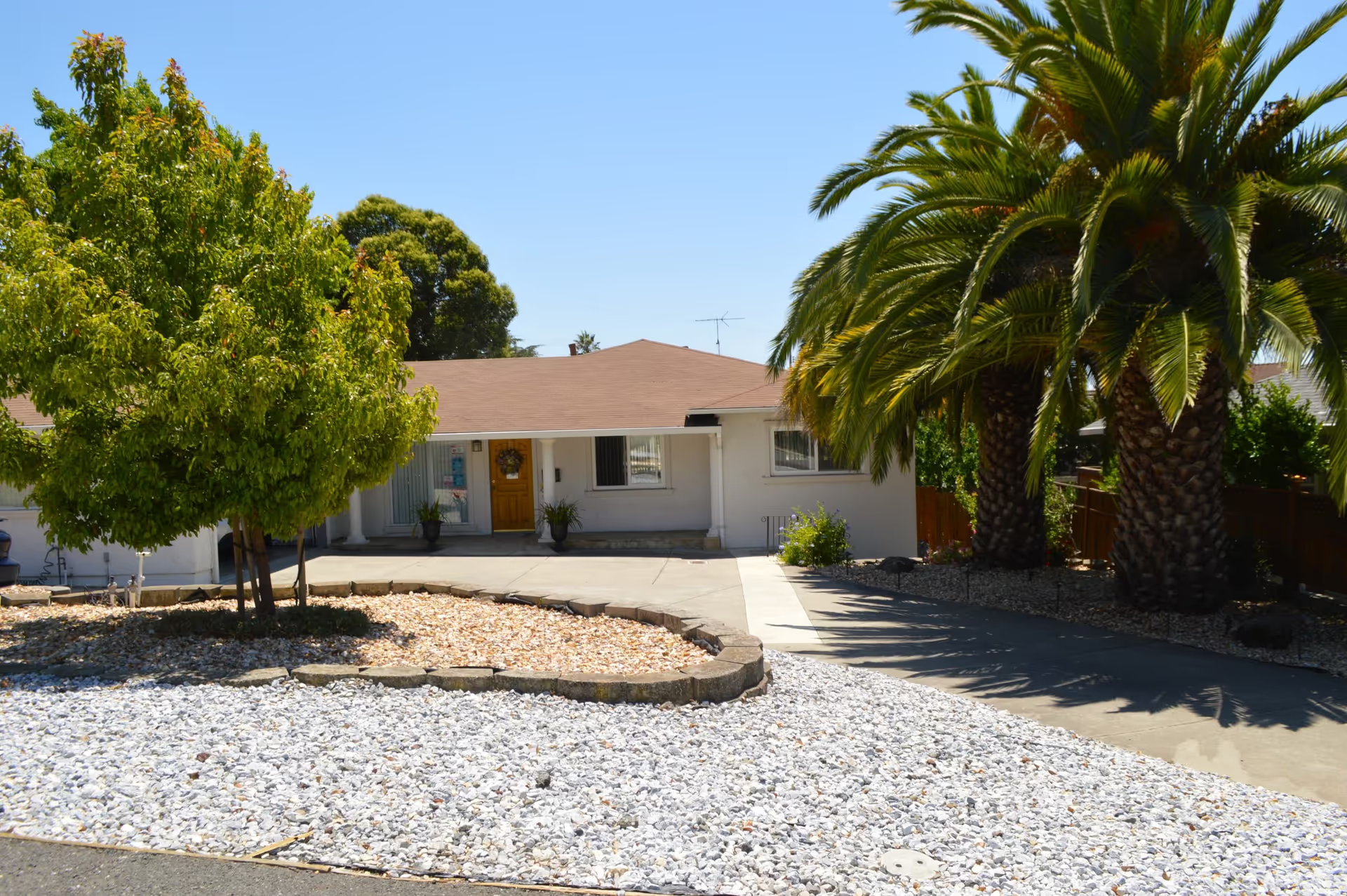
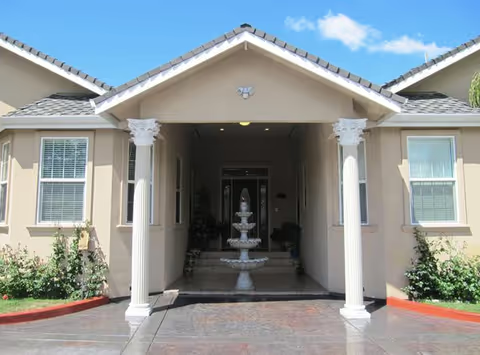
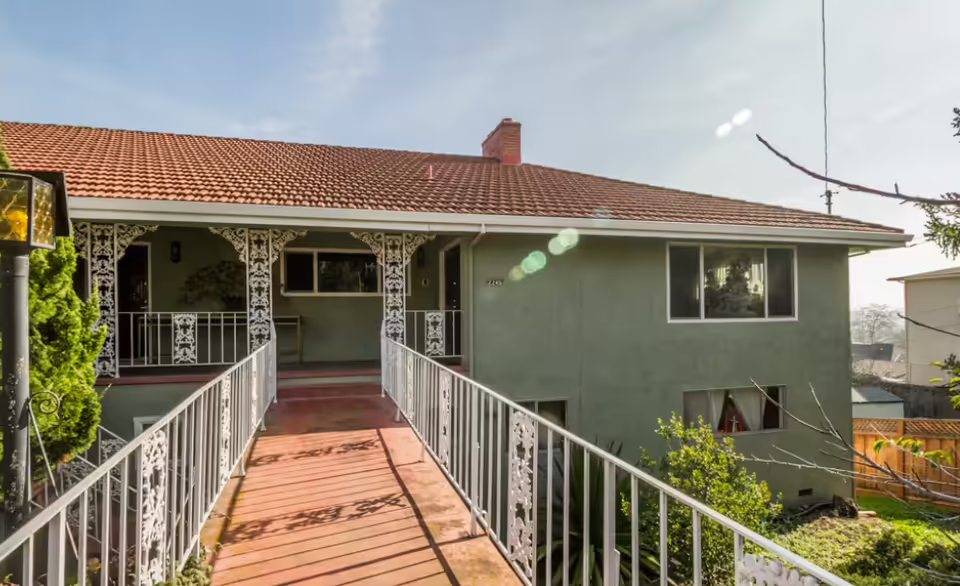
Facilities and maintenance Facility condition is mixed. Many comments describe clean, modernized, and well-maintained areas, particularly recently renovated spaces and the rehab suite. Conversely, other comments point to older sections that need repair or updating (examples include failing curtains, inconsistent maintenance, and localized odor concerns). Limited parking and relatively small resident rooms in some areas were noted as practical drawbacks. Importantly, environmental and equipment maintenance issues have been linked by reviewers to safety concerns (for example, missing safety fixtures), which suggests prospective families should review fall-prevention and maintenance practices during a visit.
Management and operational patterns Management and front-office responsiveness receive both positive and critical notes: several reviewers praised hands-on administrators and efficient admissions, while others described poor communication, a rude receptionist, and difficulties locating personal belongings. Reports of misplaced belongings that were resolved only after persistent follow-up point to gaps in property-management procedures and family communication. A few reviews described serious individual incidents, including a resident fall requiring hospital transfer; while these appear to be isolated in the context of generally positive care reports, they underscore the need to confirm safety protocols, incident response procedures, and documentation practices during any assessment.
Bottom line and recommendations Redwood Convalescent demonstrates strong clinical and rehabilitative capability, an active activities program, and many examples of attentive daily care. Prospective residents and families should weigh these strengths against documented operational weaknesses: inconsistent staffing, maintenance and safety fixture gaps, variable cleanliness in parts of the building, and occasional communication/property-management problems. Recommended steps before placement include an on-site tour of both renovated and older areas, direct questions about staffing ratios (including holiday coverage), fall-prevention and safety-equipment maintenance processes, medication-administration protocols, and how personal property and incident communications are handled with families.