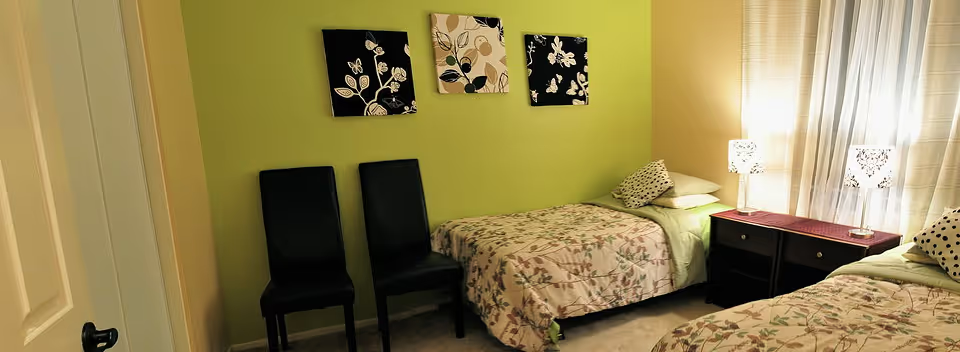
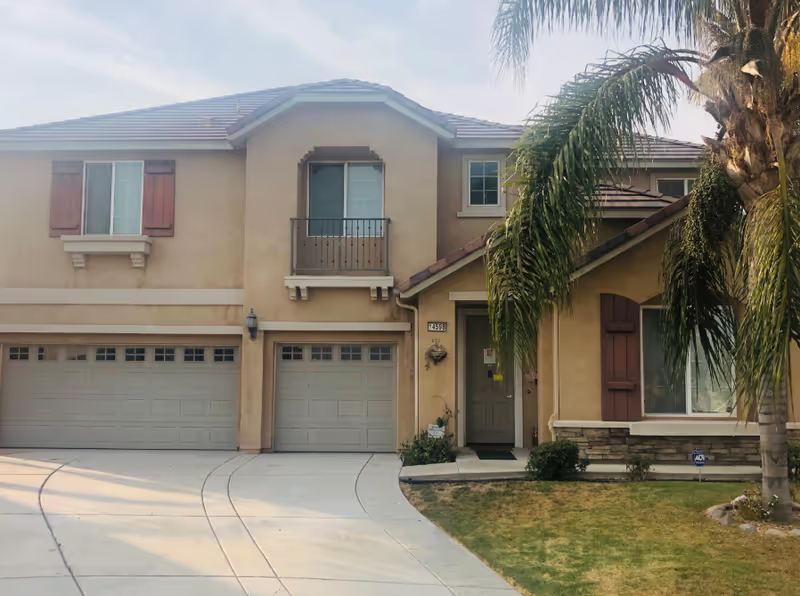
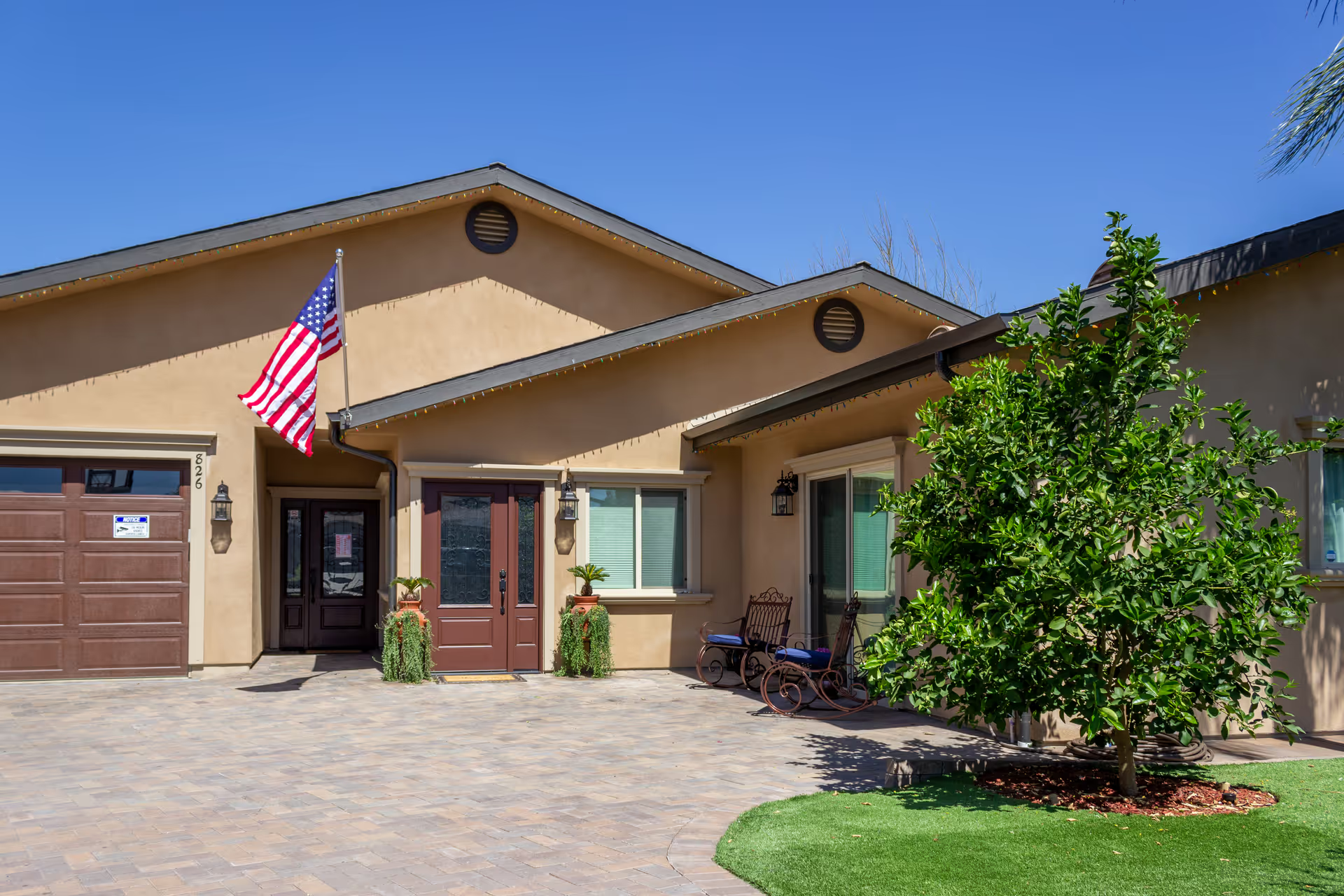
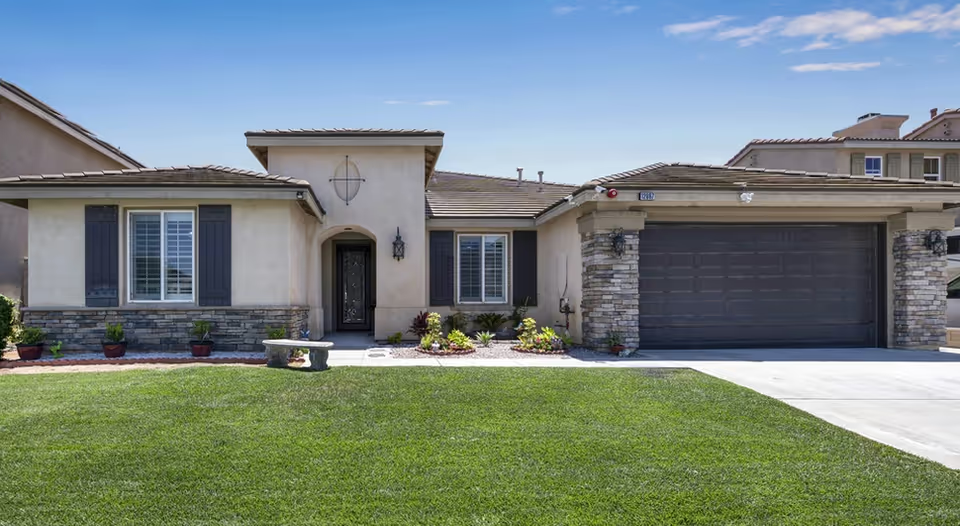
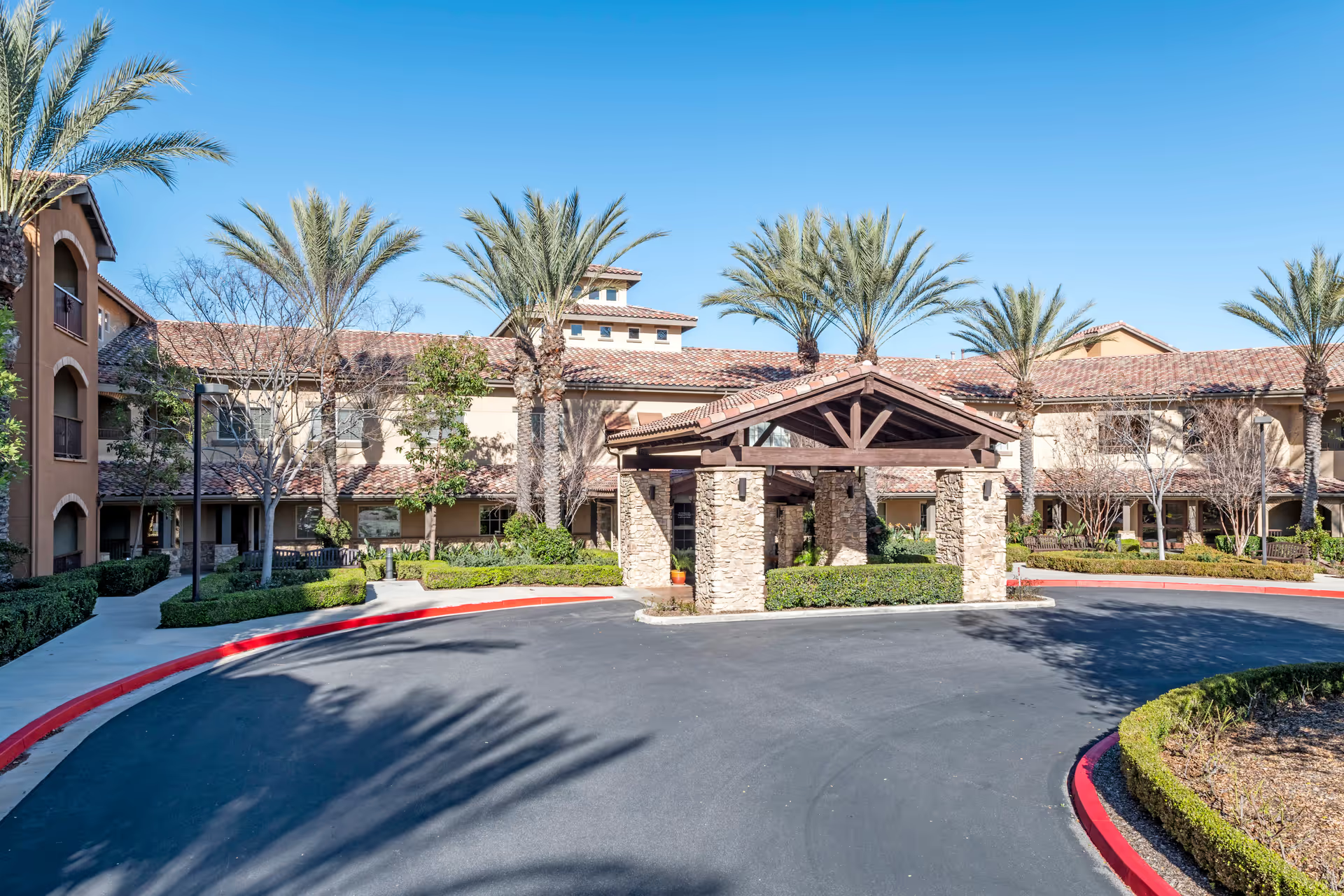
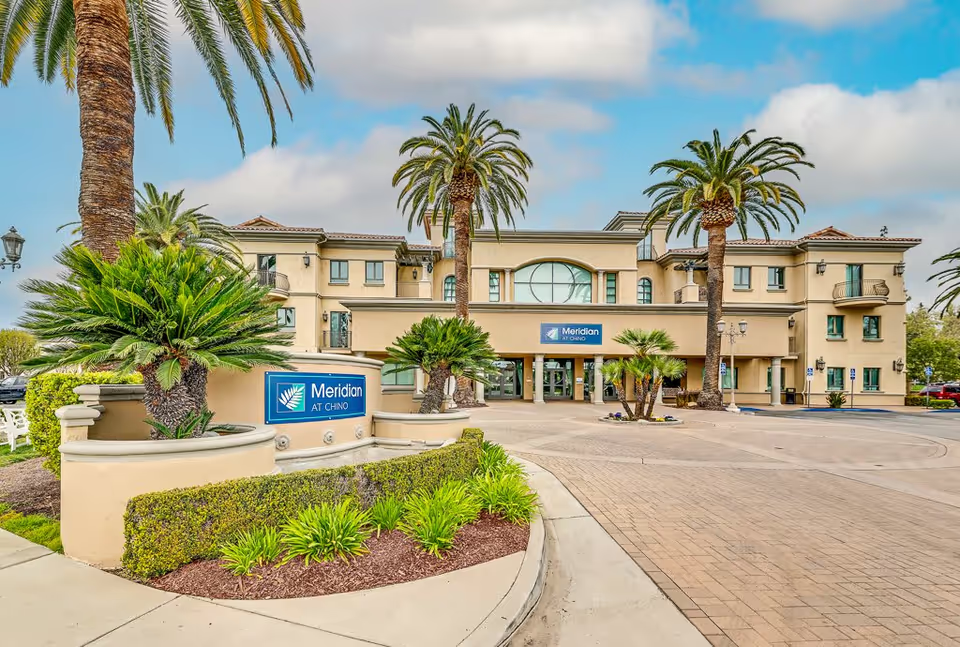
Overall impression: Reviews describe a facility with strong physical amenities and a generally warm, hotel-like atmosphere, combined with a caregiving staff that many families find compassionate and personally attentive. Common strengths highlighted include updated, bright apartments with accessible features, a range of onsite amenities (salon, theatre, restaurant, courtyard), and an active calendar of social programs and outings. Many families reported positive admissions experiences, helpful tours, and staff who become familiar with residents’ preferences.
Care and staff: A consistent theme is a dichotomy between highly praised direct-care employees and operational strains. Numerous accounts applaud caregivers for kindness, patience, and individualized attention; however, reviewers also raised concerns about inconsistent staffing levels and turnover that can affect continuity of care. Those operational gaps were associated with variable responsiveness to call bells, uneven completion of scheduled personal-care tasks (bathing, laundry), and occasional medication-management and documentation lapses. Several reviewers specifically noted that weekend coverage and after-hours supervision can be limited, which families should consider when evaluating 24/7 care needs.
Dining: Dining impressions are mixed. Many residents and families appreciated well-presented meals, themed events, and an attractive dining room experience. At the same time, other accounts describe inconsistent meal quality, cold or small portions at times, and limited options for therapeutic diets (for example, diabetes-friendly substitutions). Prospective residents may wish to sample weekday and weekend meals and ask about dietary accommodations and portion practices.
Activities and social life: Activity programming is frequently cited as a strong point — exercise classes, games, outings, live entertainment, and special events contribute to social engagement. The activity director and episodic special events received positive comments. Conversely, some areas or units (including specific memory-care corridors) were described as offering less varied programming or relying heavily on passive activities like television. Families should ask for an activity calendar specific to the unit under consideration and observe a scheduled program in person if possible.
Facilities and cleanliness: The facility is often described as clean, bright, and well-maintained, with attractive common spaces and accessible apartment features (grab bars, open showers, kitchenettes). That said, there are isolated sanitation and odor-control concerns reported in some units and common areas. Memory-care environments received mixed notes as well — several reviewers praised secure outdoor spaces and staff expertise, while others characterized portions of memory care as dark or isolated. An in-person inspection of the specific unit and its odor/cleanliness standards is recommended.
Management and operational patterns: Management feedback is mixed. Some reviewers praised responsive administration and individual directors, while others described concerns about management tone, staff treatment, and accountability for operational issues. Staffing shortages and limited managerial presence on weekends or evenings were recurring operational themes. Additionally, a few reviewers described gaps in emergency preparedness — for example, lack of backup power or alert redundancy — which had operational consequences in at least one account. Prospective families should ask about staffing ratios by shift, weekend coverage, staff training protocols, emergency backup systems, and documentation practices at move-in.
Notable patterns and recommendations: The overall pattern in the reviews is one of variability — many families report excellent, consistent care and an environment that feels like home, while others describe significant operational weaknesses that affected their experience. To assess fit, visitors should (1) tour the specific unit (including memory care if applicable) during active hours, (2) observe meal service and a scheduled activity, (3) review staffing levels and weekend coverage, (4) ask about medication-management and emergency-backup systems, and (5) request written examples of how resident preferences and care needs are documented at move-in. These steps can help clarify whether the facility’s strengths align with a prospective resident’s clinical and social needs.