Overall impression: Cogir of Stock Ranch elicits a mixed but largely positive set of impressions. Many families and residents describe an active, clean community with attentive caregiving, engaging social life, and restaurant-style dining. At the same time, recurring operational concerns appear across reviews—most notably inconsistent staffing, medication-management issues, and management/communication shortcomings—that may affect families considering this community.
Care and staff: The facility receives substantial praise for compassionate, attentive day-to-day caregiving. Reviewers frequently mention staff who know residents by name, responsive bedside checks, and strong end-of-life presence in some cases. However, there are recurrent concerns about staffing stability and skill mix: elevated turnover, variability in caregiver competence, and delays in attending to personal-care needs (dressing/toileting) are described. There are also serious allegations in a limited number of reviews regarding staff conduct and care-related incidents; these should prompt prospective families to request documentation of staffing levels, training, and any regulatory findings. Medication management is another commonly cited area of concern, with reports of delayed or inconsistent administration and gaps in formal medication processes on some floors.
Dining: Dining is consistently highlighted as a strength in many accounts. The community offers restaurant-style service, an anytime menu model, a daily salad/fruit bar, and chef-prepared items and desserts; many residents praise the dining-room ambiance and service staff. At the same time, reviewers note variability in food quality and consistency—examples include overcooked entrées, limp salads, and occasional dessert shortages—as well as timing gaps between meals. Prospective residents should sample the menu during a visit and ask about kitchen staffing and meal-service continuity.
Activities and social life: Activity programming is a clear asset. The calendar is described as active and varied (card games, bingo, chair yoga, mixers, outings, musical entertainment, religious services, and themed events). Reviewers describe a friendly social culture, with residents forming friendships and participating in frequent communal activities. Some families wished for more outreach or structured ambassador programs to help new residents integrate, but overall the activity offerings are a strong point.
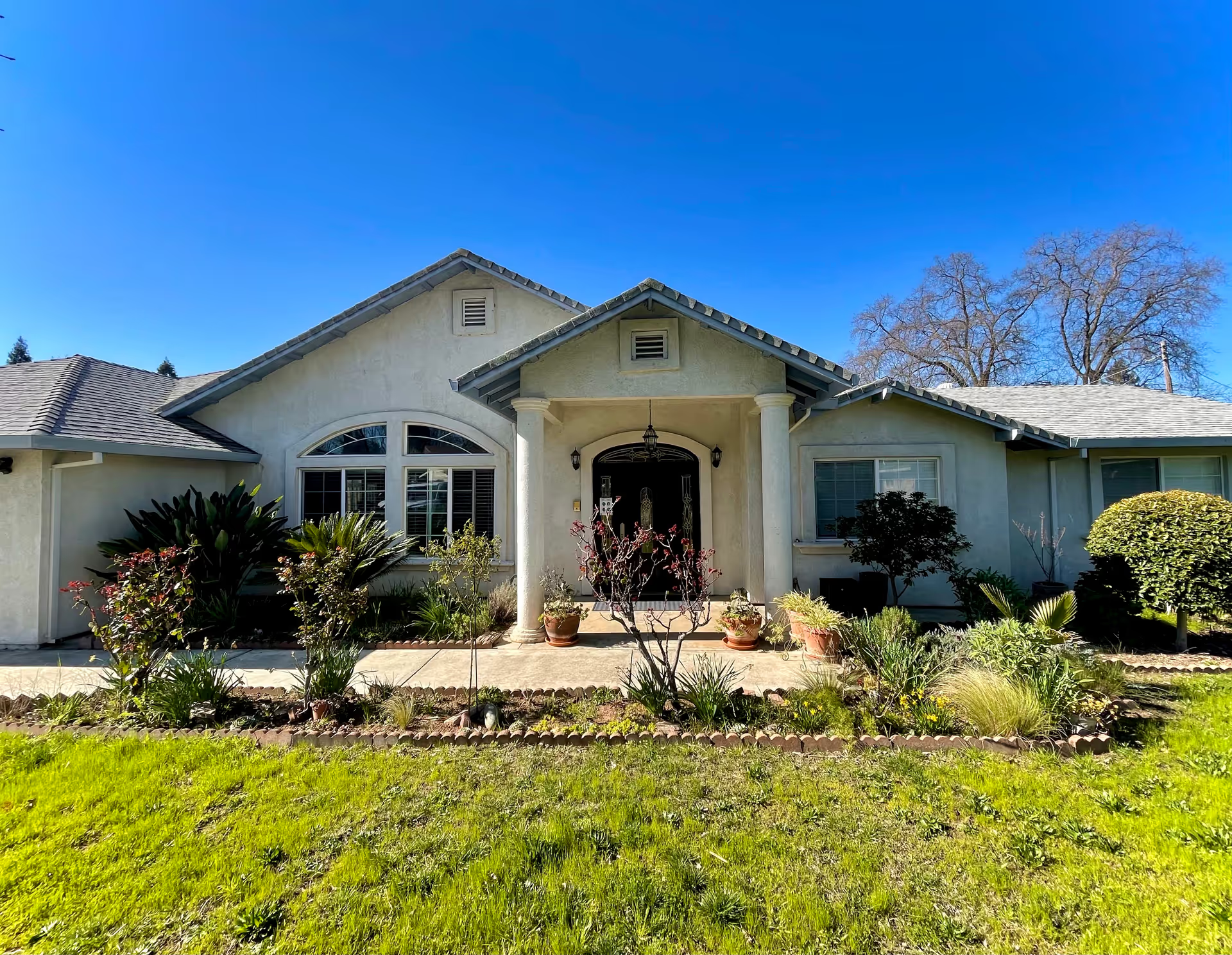
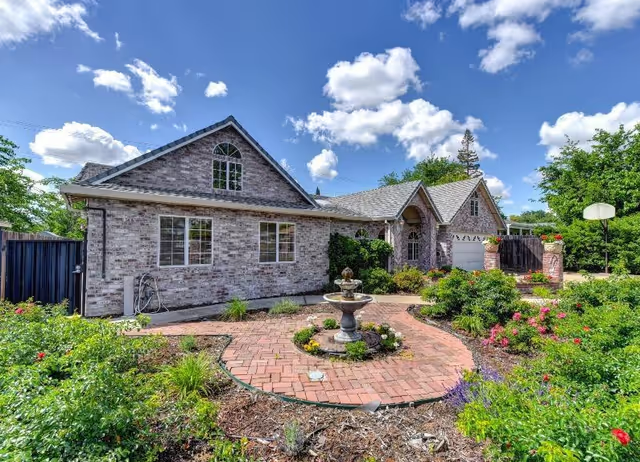
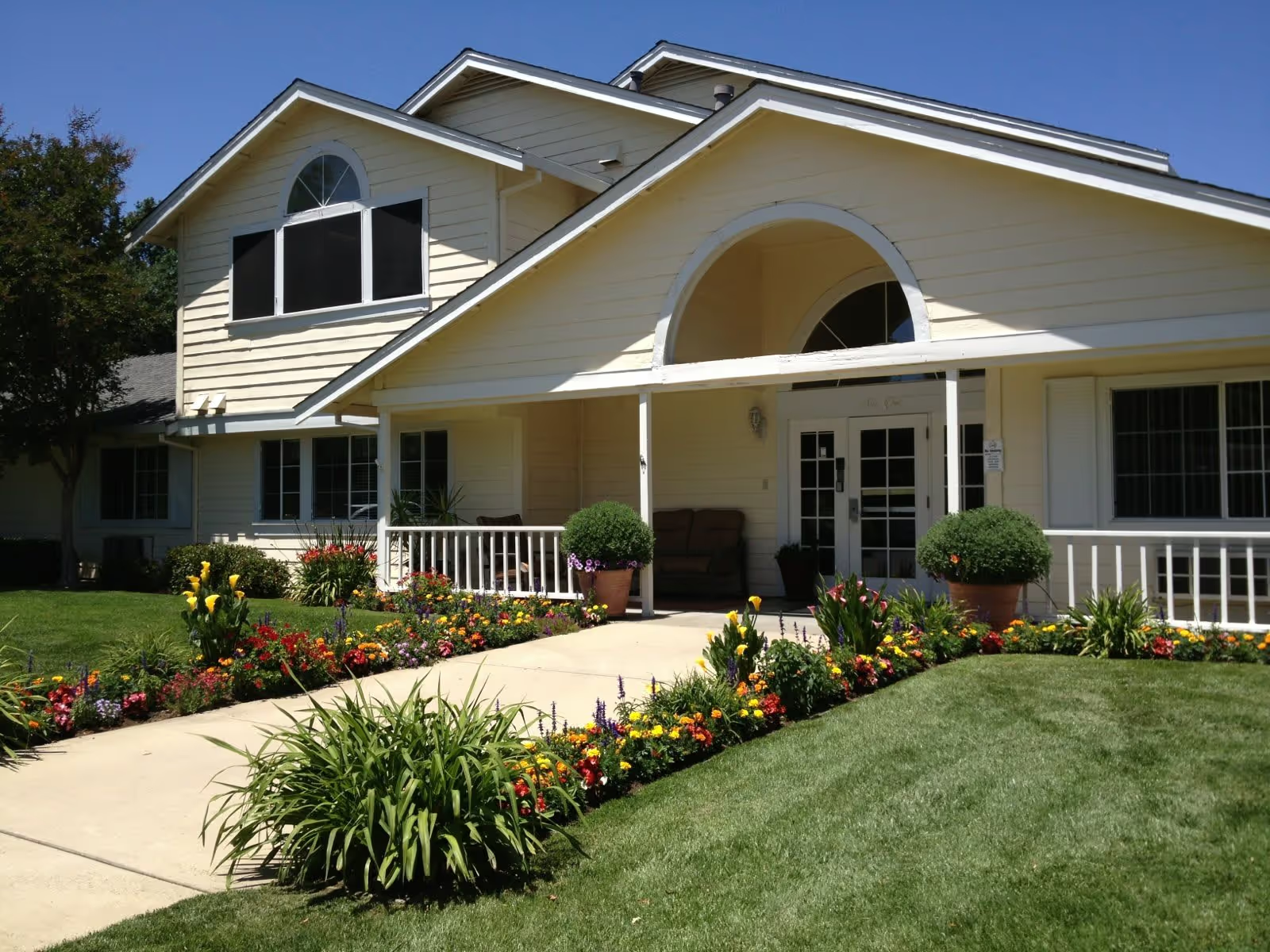
Facilities and accommodations: Many reviewers praise the facility’s clean, modern common areas, attractive dining rooms, and outdoor courtyards. Apartments vary: there are spacious one-bedrooms and studios with kitchenettes or full kitchens, but also reports of small unit sizes and wall-mounted HVAC units that may be uncomfortable in heat. Some amenities commonly expected at comparable communities—such as a pool, a dedicated exercise room, or wood/craft shops—are limited or absent. Maintenance response is often described as prompt, though sanitation or odor concerns have been raised for particular areas.
Management and operations: Several reviews highlight operational weaknesses. Ownership or management transitions are associated with perceived declines in service, communication gaps, and inconsistencies in billing and pricing (including mid-stay fee increases and add-on charges). Families also describe lapses in visitor sign-in procedures and front-desk attentiveness, which raise security concerns. Admissions policies can be restrictive for residents with dementia or higher-acuity needs; some families were denied placement for cognitive-support requirements. A number of reviewers state that the community is not set up to manage more complex medical needs and that external home-health support was required for specific clinical tasks.
Notable patterns and guidance for prospective families: Cogir of Stock Ranch offers many features attractive to seniors seeking an active, social setting with strong dining and programming. The community can be a good fit for residents who are relatively independent or require standard assisted-living supports and who value activities and communal dining. However, prospective residents and families should carefully evaluate clinical and operational details before moving in: ask for current staffing ratios, medication-administration protocols, incident and complaint histories, examples of clinical competencies available on site, and written explanations of price changes and ancillary fees. Request a meal sampling, tour multiple unit types to assess HVAC and room size, and discuss the community’s visitor/security procedures. For those with higher medical needs or memory-care requirements, verify whether the community can provide consistent, documented clinical support or whether a different setting would be more appropriate.