Overall impression: The reviews present Silverway II as a small, home-like memory-care or assisted-living environment where interpersonal care and a clean, well-maintained physical setting are the dominant strengths. Families and visitors emphasize compassionate, attentive staff and a welcoming atmosphere that provides measurable peace of mind during recovery and transition periods. Safety and individualized attention are recurring themes, with multiple accounts noting progress during stays and prompt, reassuring communication with family members.
Care and staff: Staffing is consistently described as a strong point. Caregivers are characterized as compassionate, attentive, and hands-on; family-focused communication and personalized care plans are highlighted as contributing to confidence in daily care. The facility’s leadership also appears clinically informed—one reviewer specifically noted an owner with pharmacy training—which reviewers framed as a positive influence on care quality. Interactions with front-line staff were described as warm and professional, and specific staff members were named as welcoming and effective.
Dining and activities: Reviews describe fresh, home-cooked meals and available snacks, and at least one reviewer cited meaningful social events such as birthday celebrations. However, there is limited detailed information about routine dining menus or the breadth and frequency of daily and weekly activities. While special events and family-oriented programming receive praise, documentation about a structured, ongoing activity schedule is less prominent in the summaries provided.
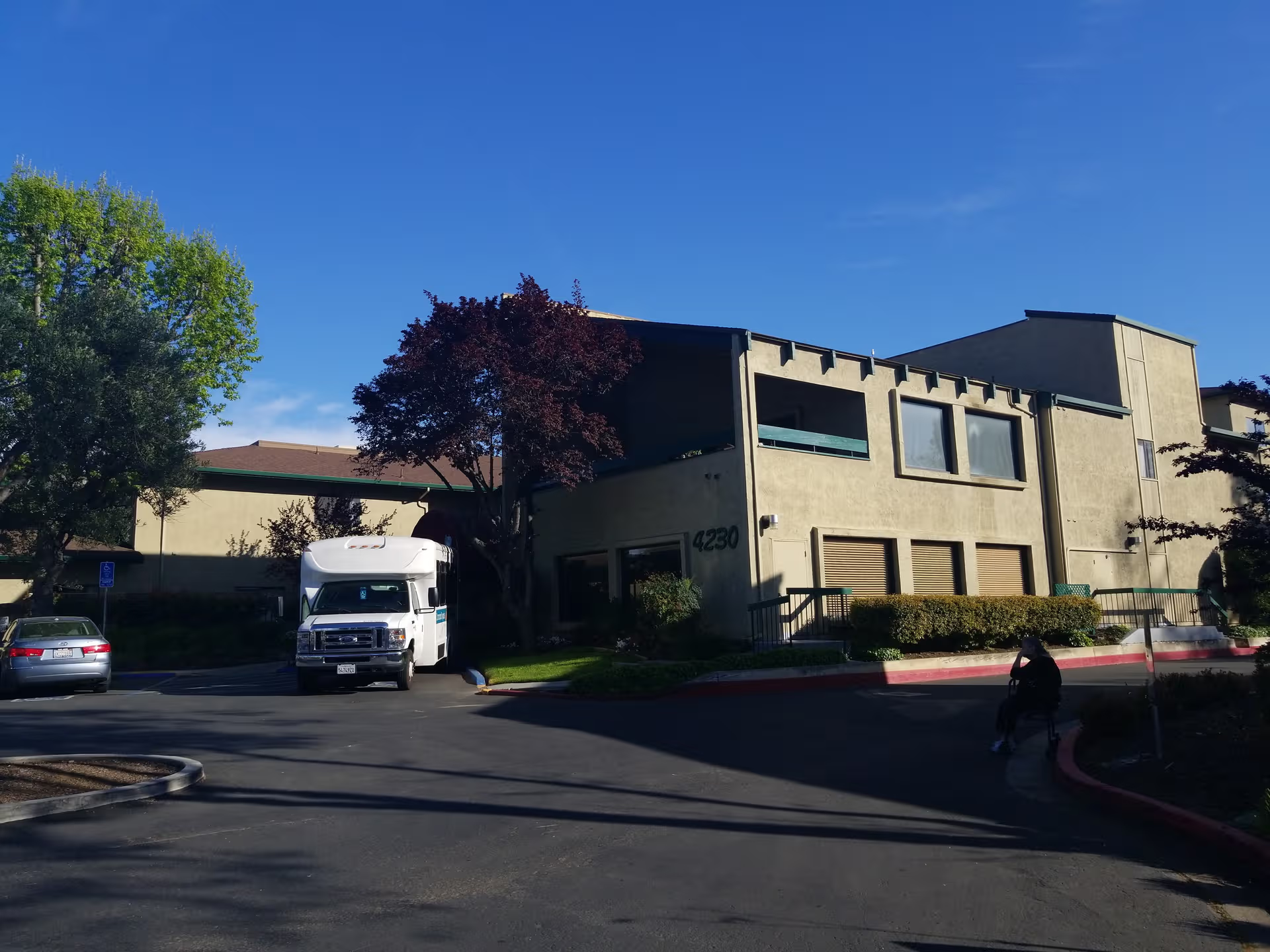
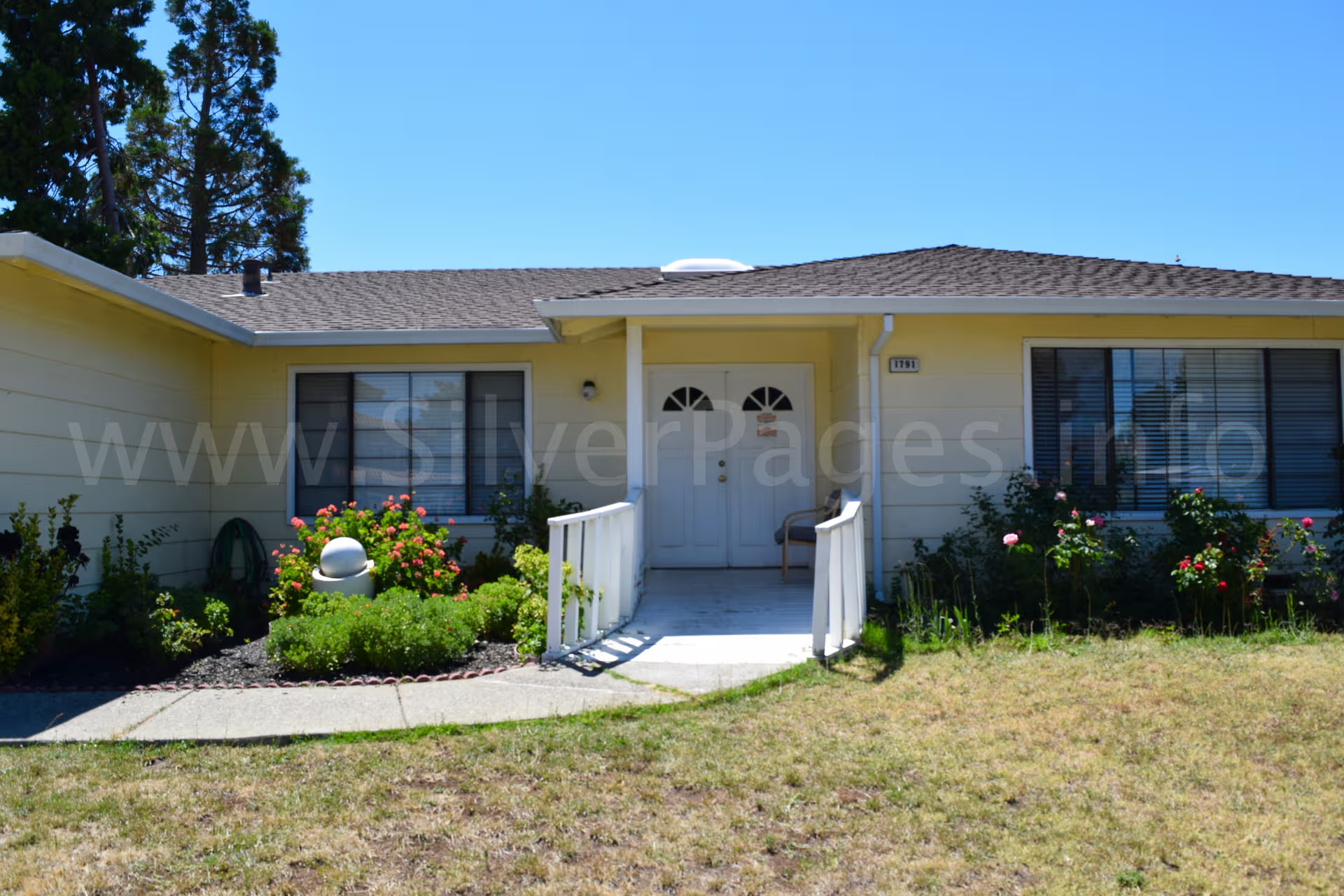
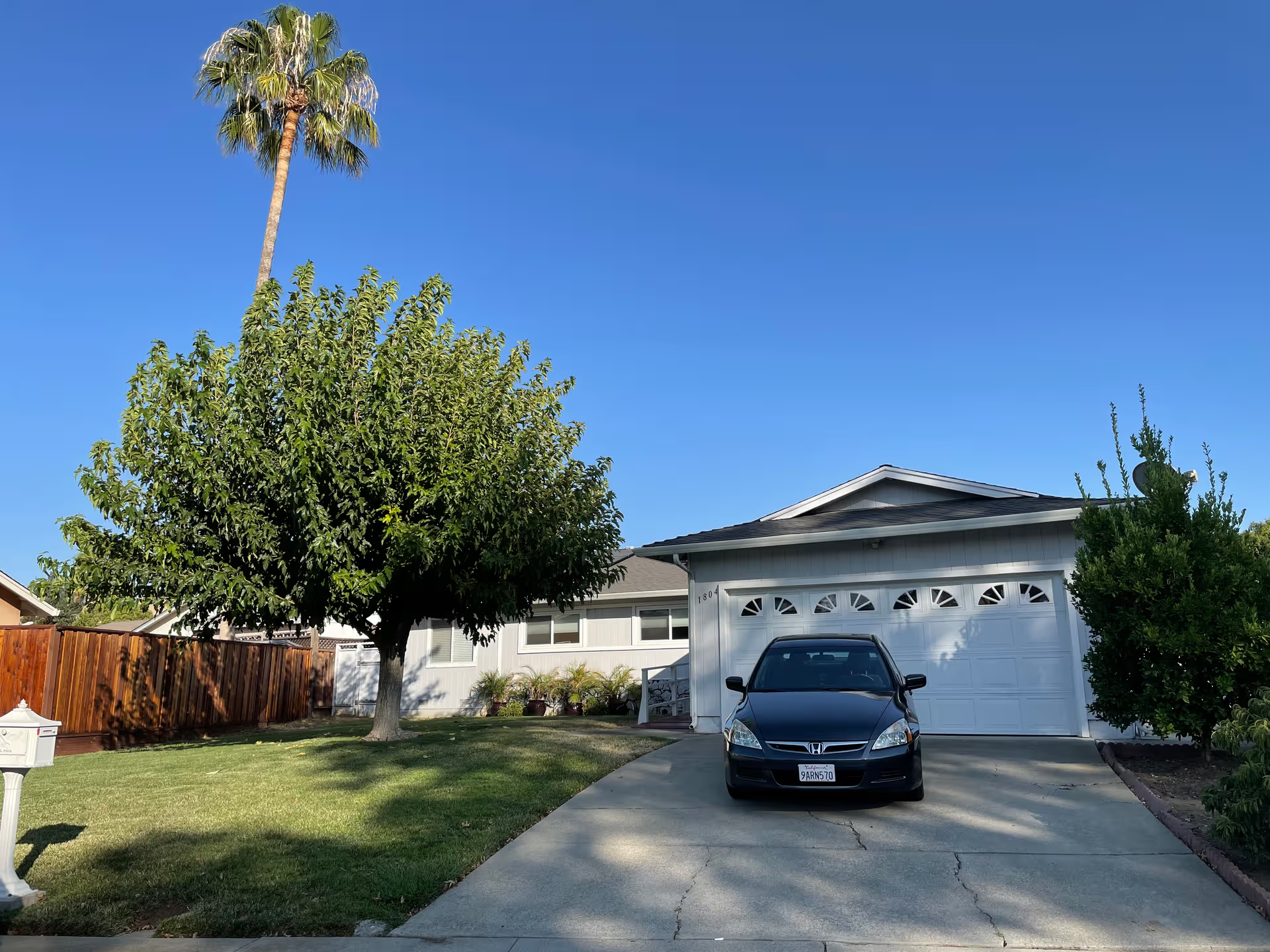
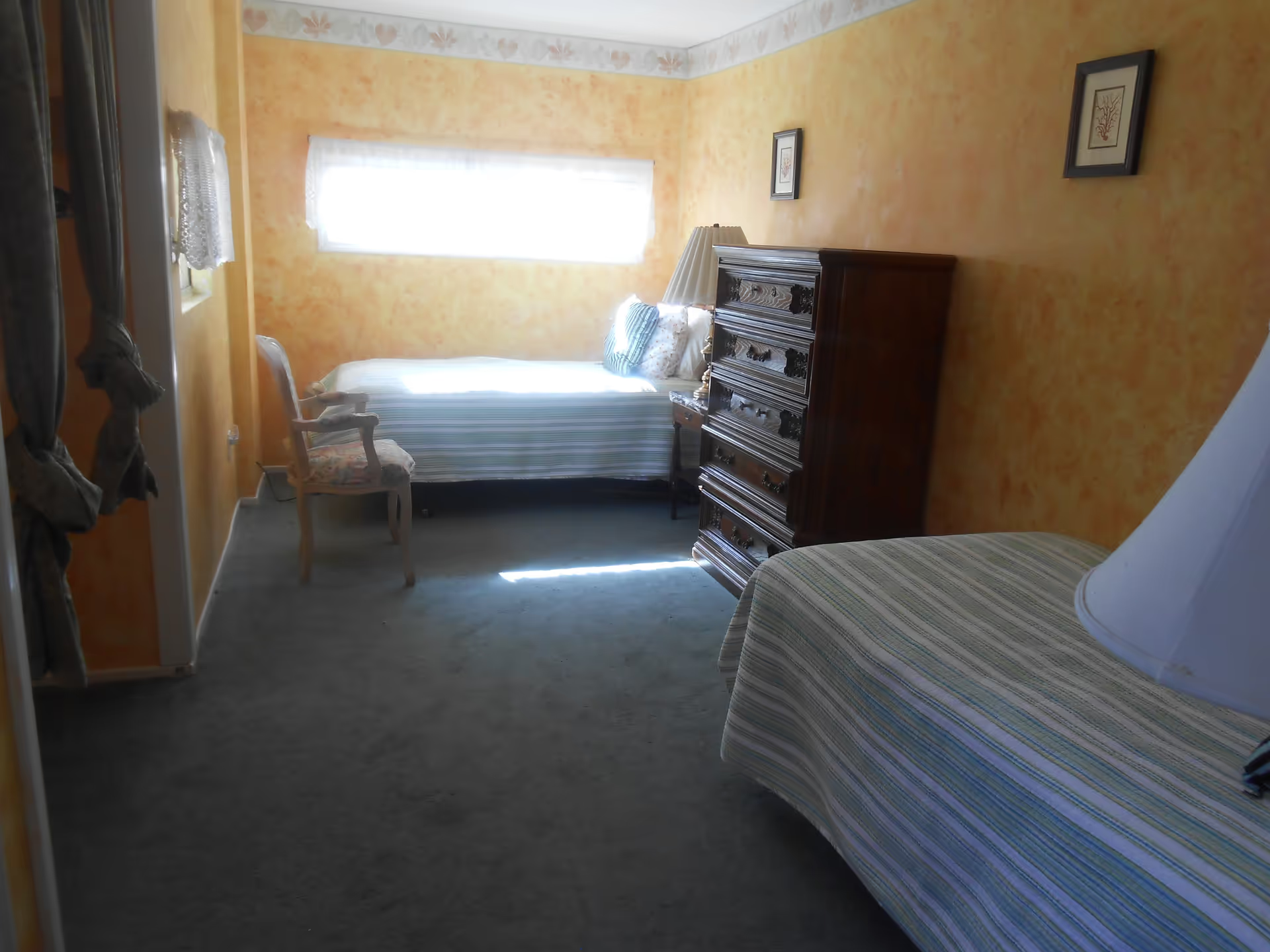
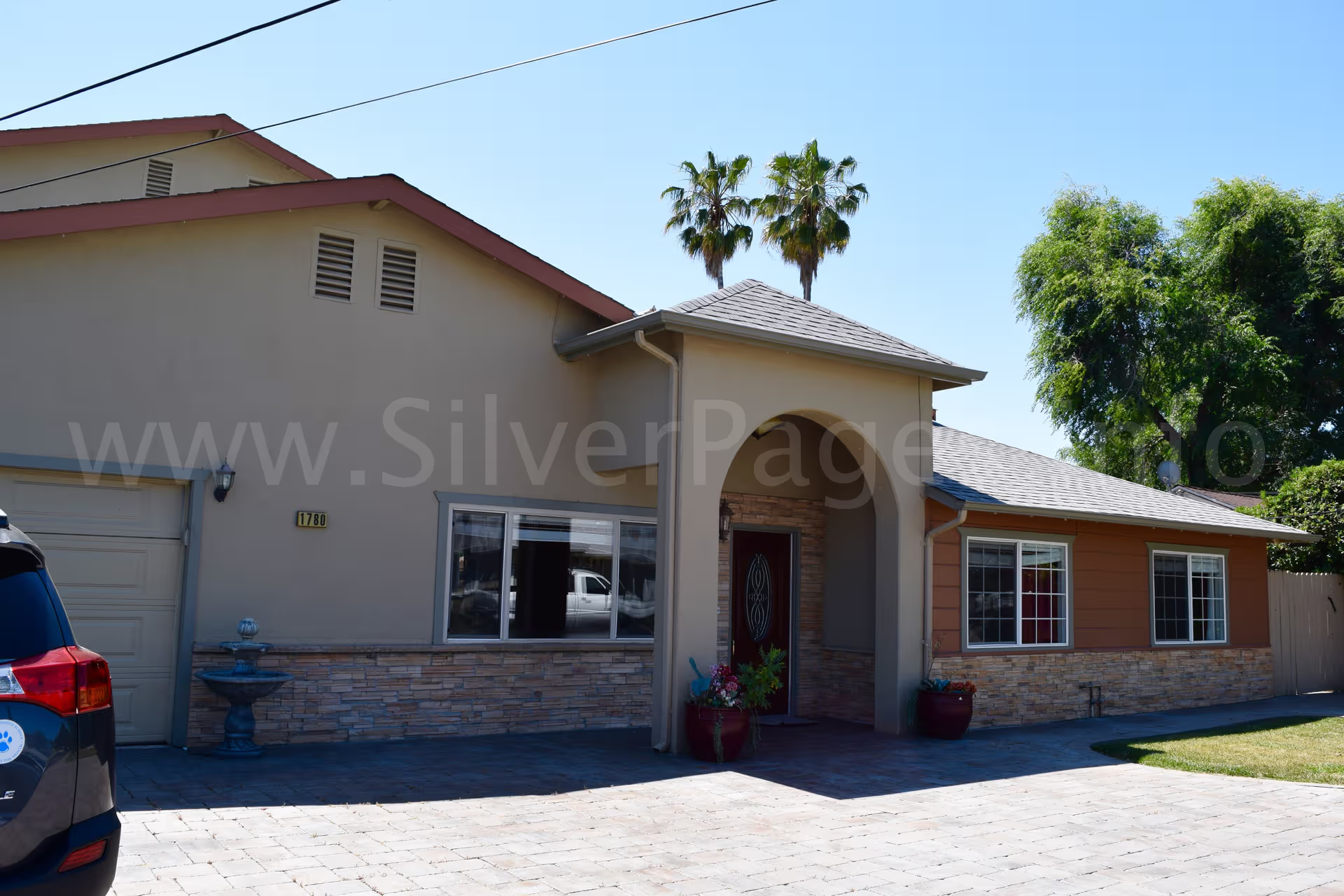
Facilities and management: The physical environment is portrayed as clean, well-appointed, and spotless, with a pleasant backyard and a homelike design that reviewers found comforting. Management is described as engaged and accessible; the presence of a clinically trained, hands-on owner was seen as an advantage for clinical oversight. That same management model suggests a centralized leadership approach that supports consistency but may also tie operational continuity to the owner’s ongoing involvement.
Notable patterns and considerations: Strengths include high marks for interpersonal care, cleanliness, family communication, and an environment that supports recovery. Areas prospective families may want to clarify during a tour include details about regular activity programming and typical weekly menus, as those elements are less well documented in the summaries. Additionally, given the facility’s small, hands-on management style, inquiring about contingency plans for leadership or staffing changes would be prudent to assess operational resilience. Overall, the commentary indicates a well-regarded, family-oriented setting with strong direct care and a homelike atmosphere, balanced by the need for more explicit information about daily programming and institutional scale.