The reviews for Corona Post Acute present a strongly mixed picture. Many families and residents describe positive experiences with therapy, admissions, and several individual care staff; others recount operational and clinical shortcomings that created significant distress. Overall, the facility appears capable of delivering effective short-term rehabilitation and compassionate end-of-life support, but consistency of care and facility management emerged as recurrent concerns.
Care quality: Clinical experience varies across stays. Positive reports highlight attentive nurses, timely medication administration, regular dressing changes, effective pain management, and therapy teams that support measurable recovery. Contrasting accounts describe delayed responses to call lights, inconsistent bathing and incontinence-care practices, wound- and infection-control concerns, missed or altered medications, and incidents that required emergency care. These divergent experiences suggest variability in clinical reliability and a need for stronger, consistent nursing oversight and medication reconciliation processes.
Staff and culture: Several reviewers praised individual staff members, named therapists, and case managers for professionalism, compassion, and successful coordination of care. At the same time, reviews point to chronic staffing shortfalls, occasional unprofessional conduct, perceived low morale, and concerns about leadership stability. These operational staffing issues were commonly linked to delays in basic care, inconsistent therapy delivery, and variable communication with families.
Dining and activities: The facility offers organized activities (arts and crafts, holiday events, Bible study, piano/dining entertainment) and communal dining spaces. Many residents found the dining environment pleasant and the activity program engaging. Food quality reports were mixed—some found meals acceptable and the dining area clean, while others described inconsistent temperature and flavor.
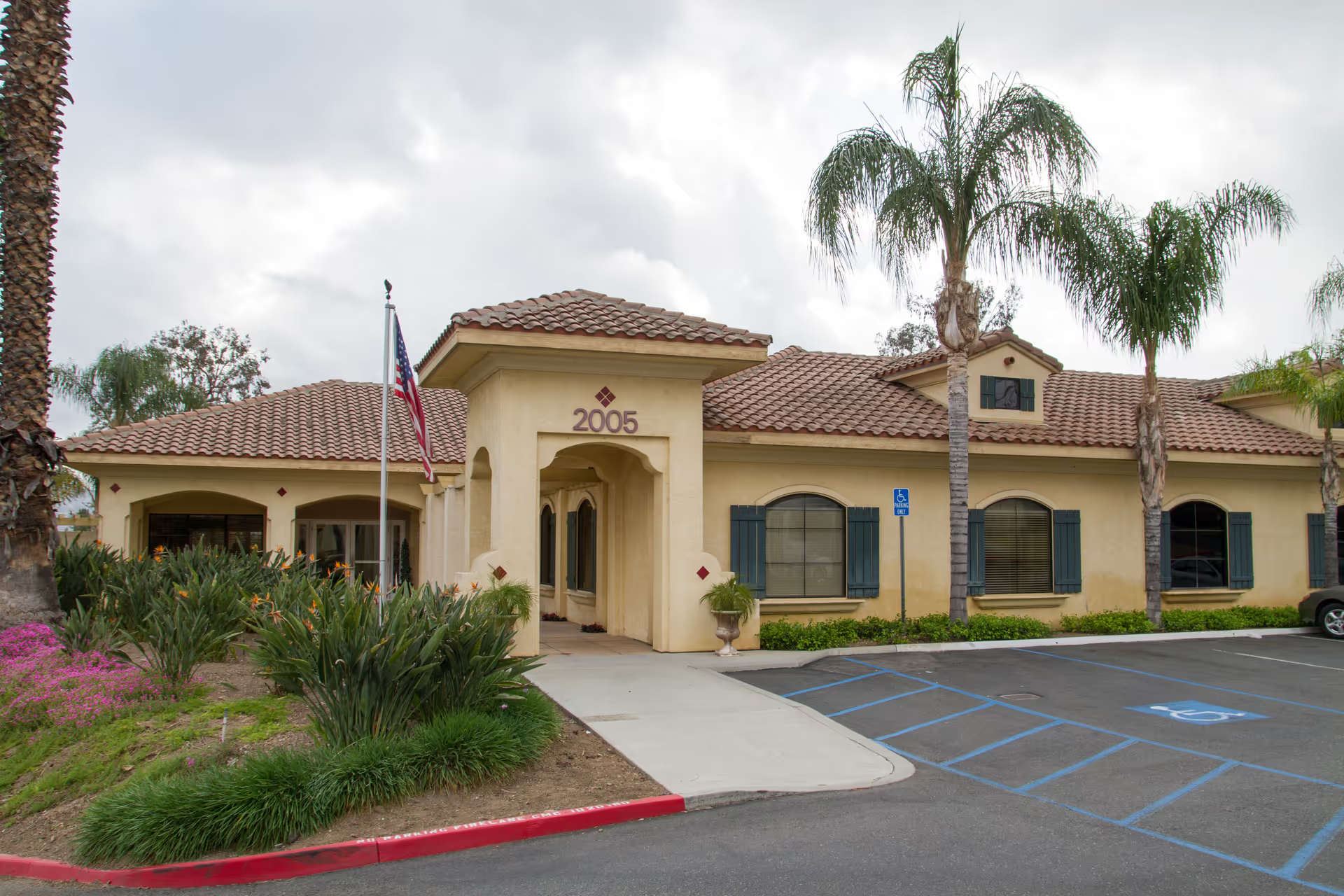
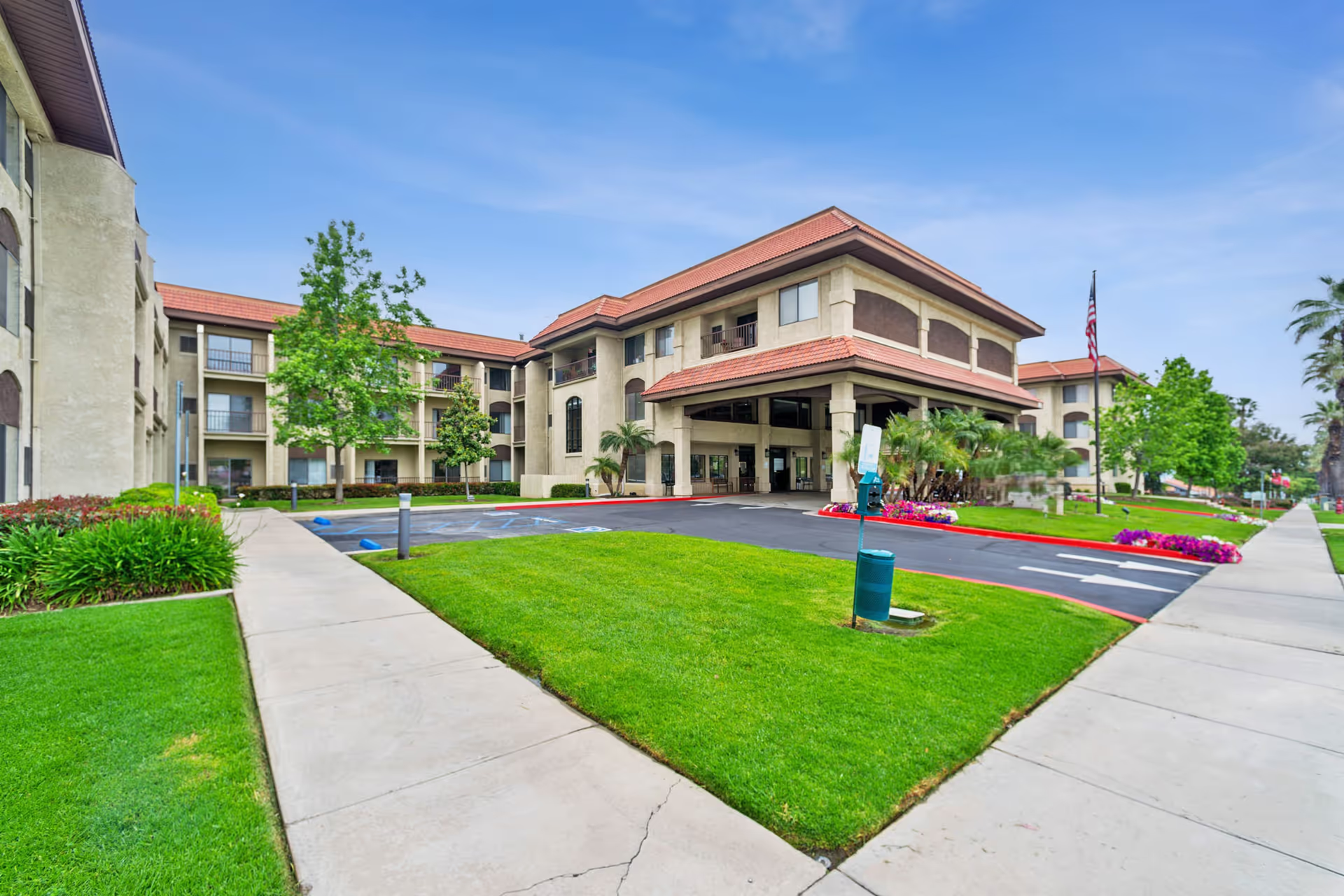
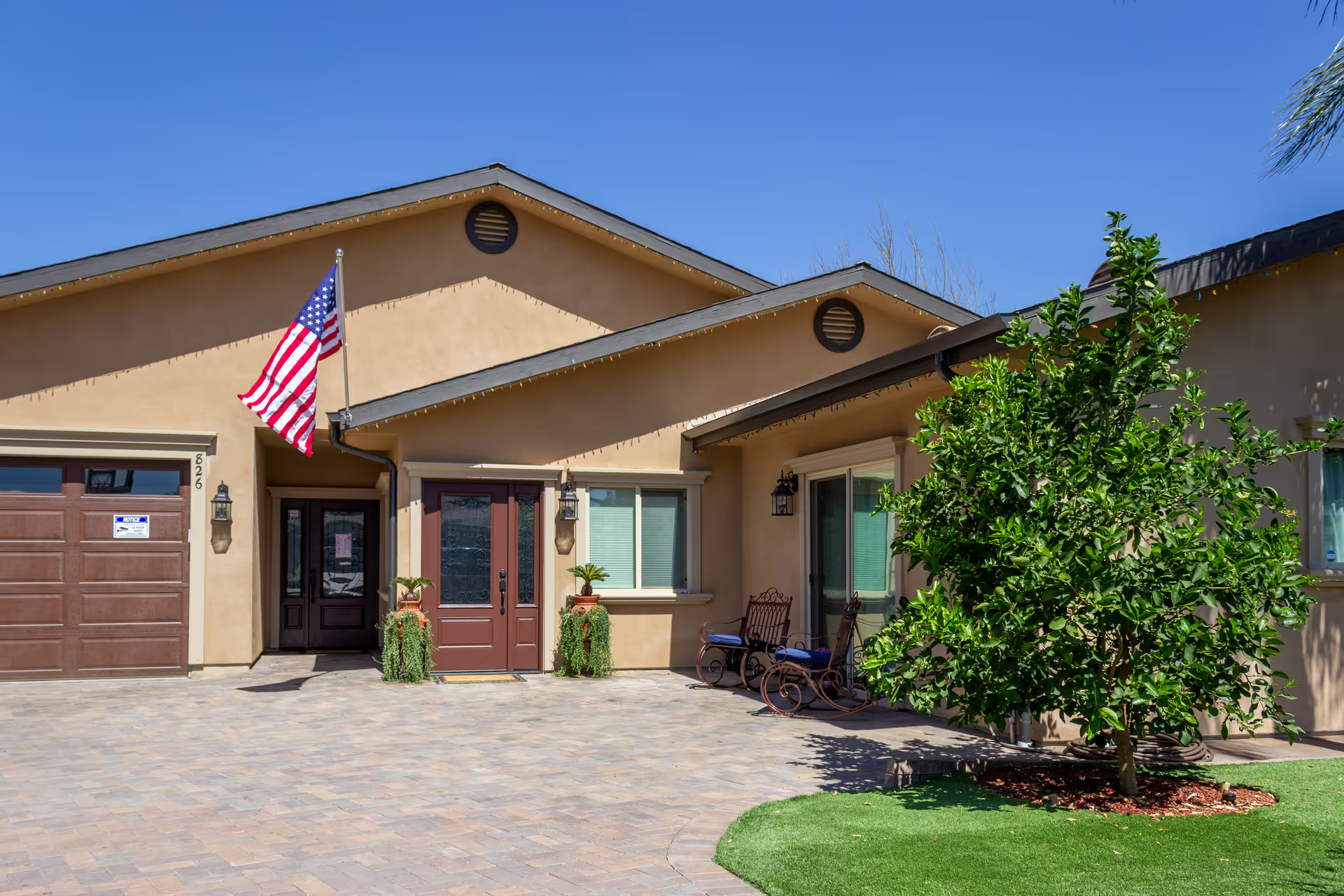
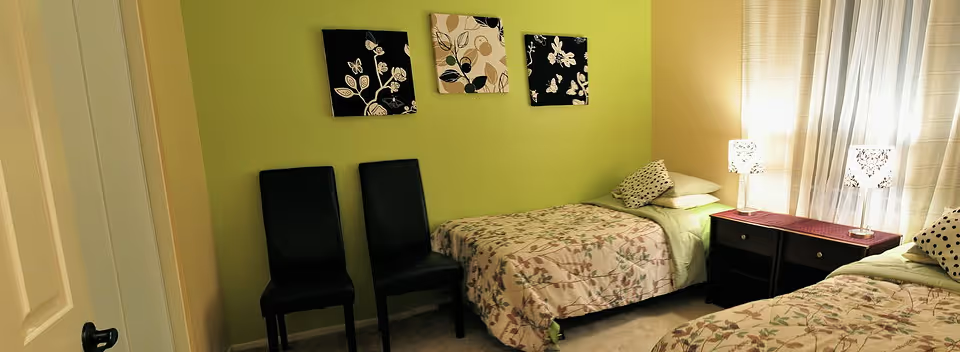
Facilities and safety: Physical plant impressions vary. The exterior and some common areas are described as well maintained, and renovations were noted in some areas. However, multiple accounts describe interior maintenance and environmental-safety issues: clutter and cords in rooms, limited electrical outlet availability for medical equipment, inconsistent temperature control, cleanliness lapses in some resident rooms or back areas, and pest-control concerns. These items point to gaps in routine maintenance and environmental safety checks.
Management, communication, and transitions: Admissions staff and certain administrators received consistent praise for being helpful and facilitating smooth transitions. Conversely, other reviews raise serious concerns about family communication, discharge and transfer coordination, billing transparency, and escalation practices. There are mentions of a regulatory citation and of high-severity transfer/discharge incidents; these are notable outliers that prospective families should inquire about directly. Overall, communication and discharge-planning processes appear uneven and warrant explicit clarification during placement discussions.
Notable patterns and guidance for families: The dominant pattern is one of uneven performance—strong rehabilitation and compassionate caregivers exist alongside operational weaknesses tied to staffing, documentation, sanitation, and communication. Prospective residents and families should consider an on-site visit, ask for current staffing ratios and recent inspection results, review medication and discharge policies, confirm therapy schedules and documentation practices, and inquire about pest control and routine maintenance protocols. When choosing this facility, baseline due diligence and clear expectations around communication and care consistency will be important to achieve the best possible outcome.