This facility presents as a small, home-style provider with several strengths and a few consistent operational limitations. Families and visitors frequently highlight the warmth of the atmosphere and the hands-on involvement of ownership and management. Many accounts emphasize attentive, friendly caregivers, clear and proactive communication from leadership, and a sense of stability and continuity for residents. The small scale and residential character are attractive to those seeking a less institutional environment.
Care and staffing are generally described positively: staff are described as kind, responsive, and engaged, and management involvement is seen as a strength for family communication and coordination. That said, there are indications that the facility’s clinical capacity may not meet the needs of residents with higher-acuity care requirements. Prospective families should assess whether the provider’s staffing levels, care protocols, and emergency-response processes align with a specific resident’s medical and mobility needs.
Dining and social life are commonly noted as positives. Several families praised meal quality and reported residents eating well. Activity offerings are mentioned favorably by some (organized activities and cheerful residents), but other feedback indicates uncertainty about the regularity and breadth of programming. Prospective residents should ask for an activity schedule and examples of recent programming to confirm fit with their expectations for engagement.
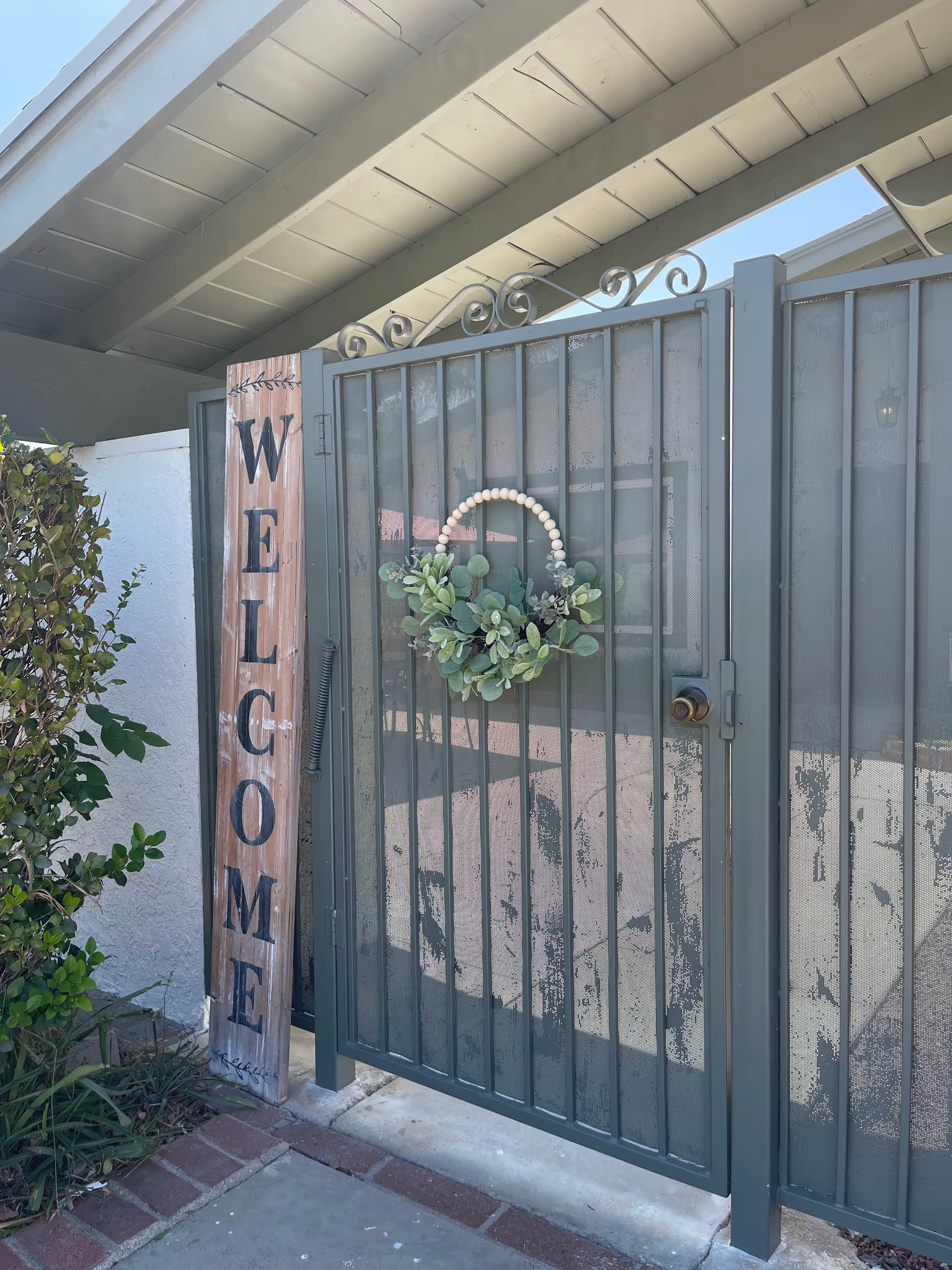
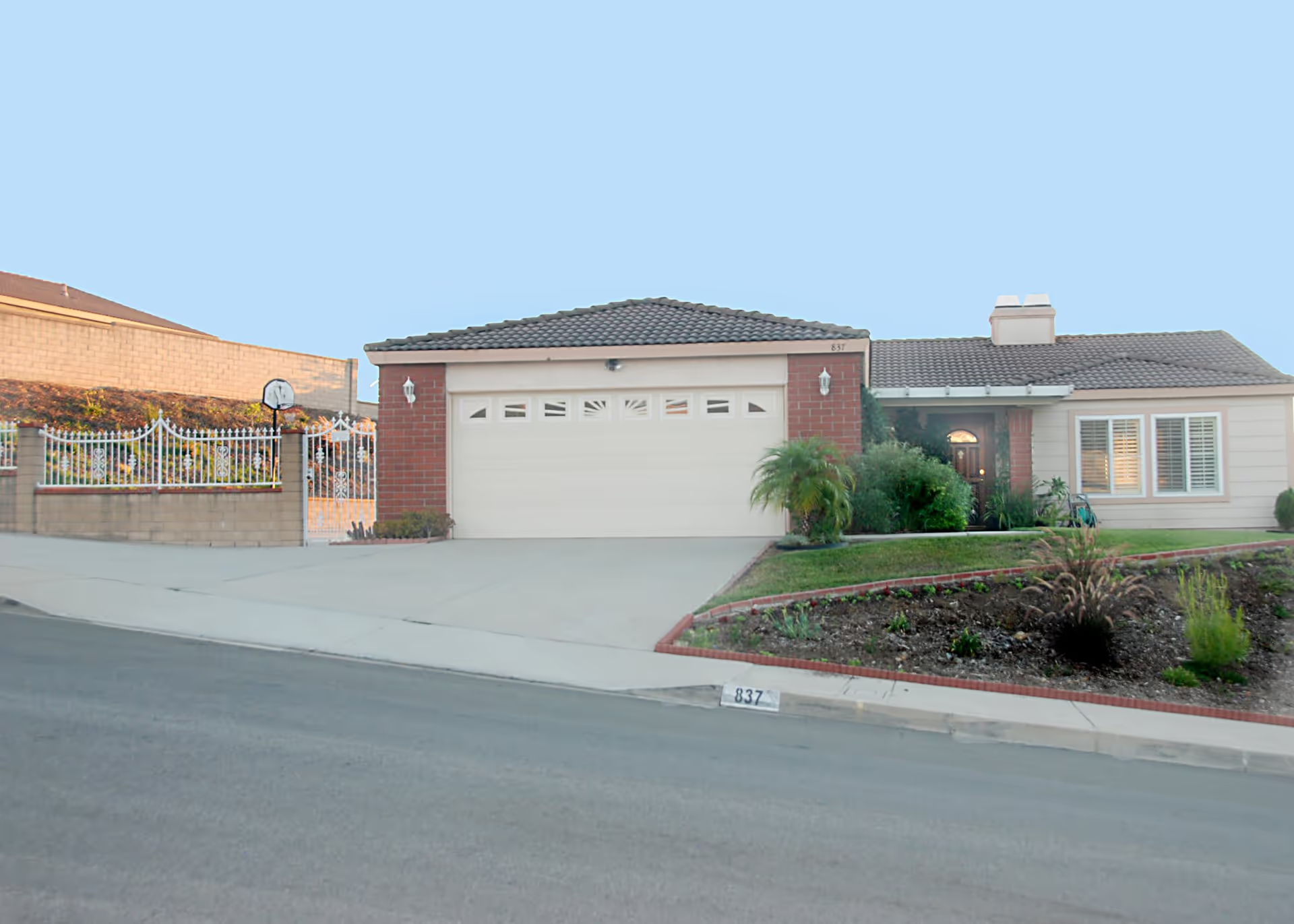
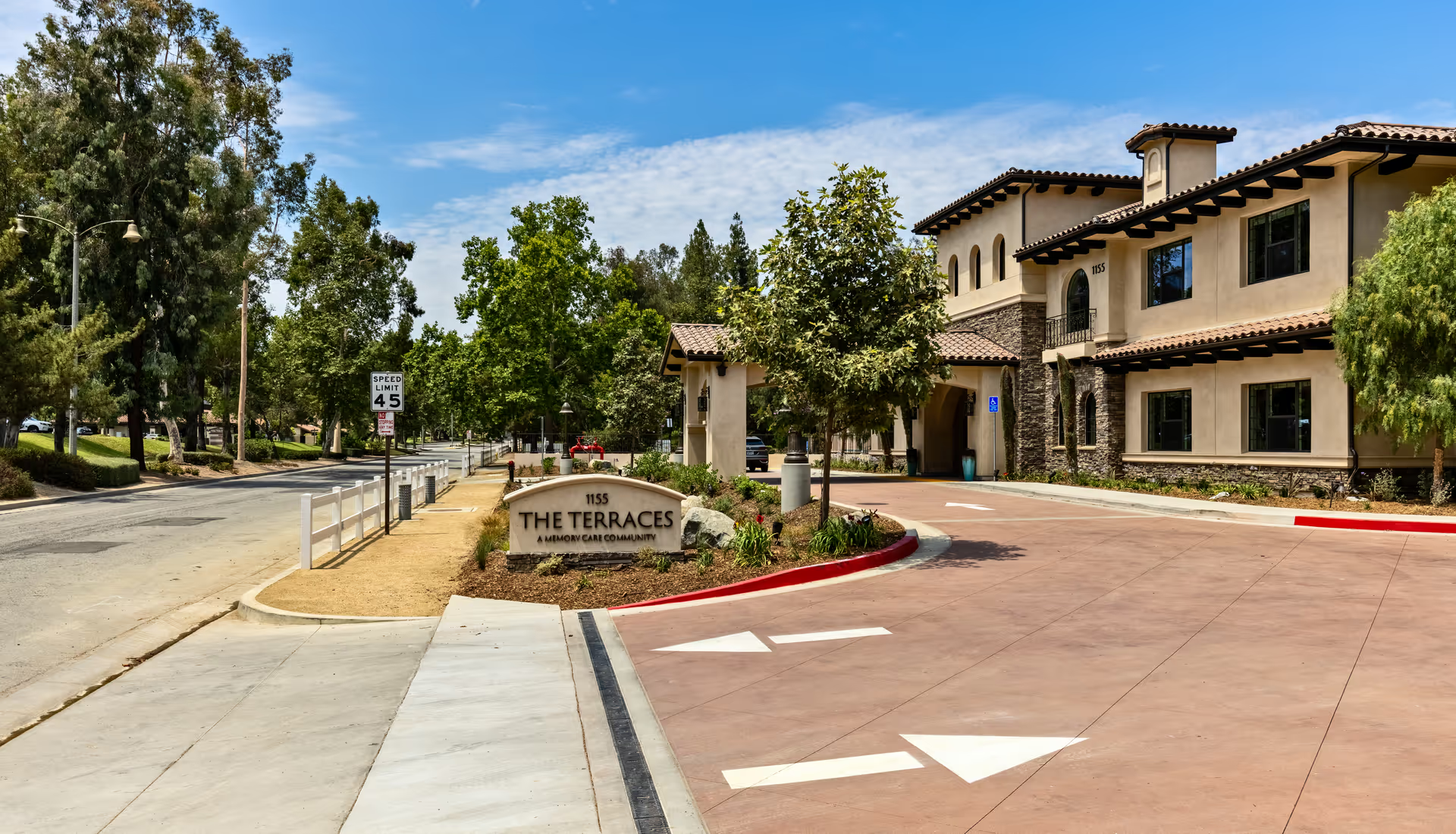
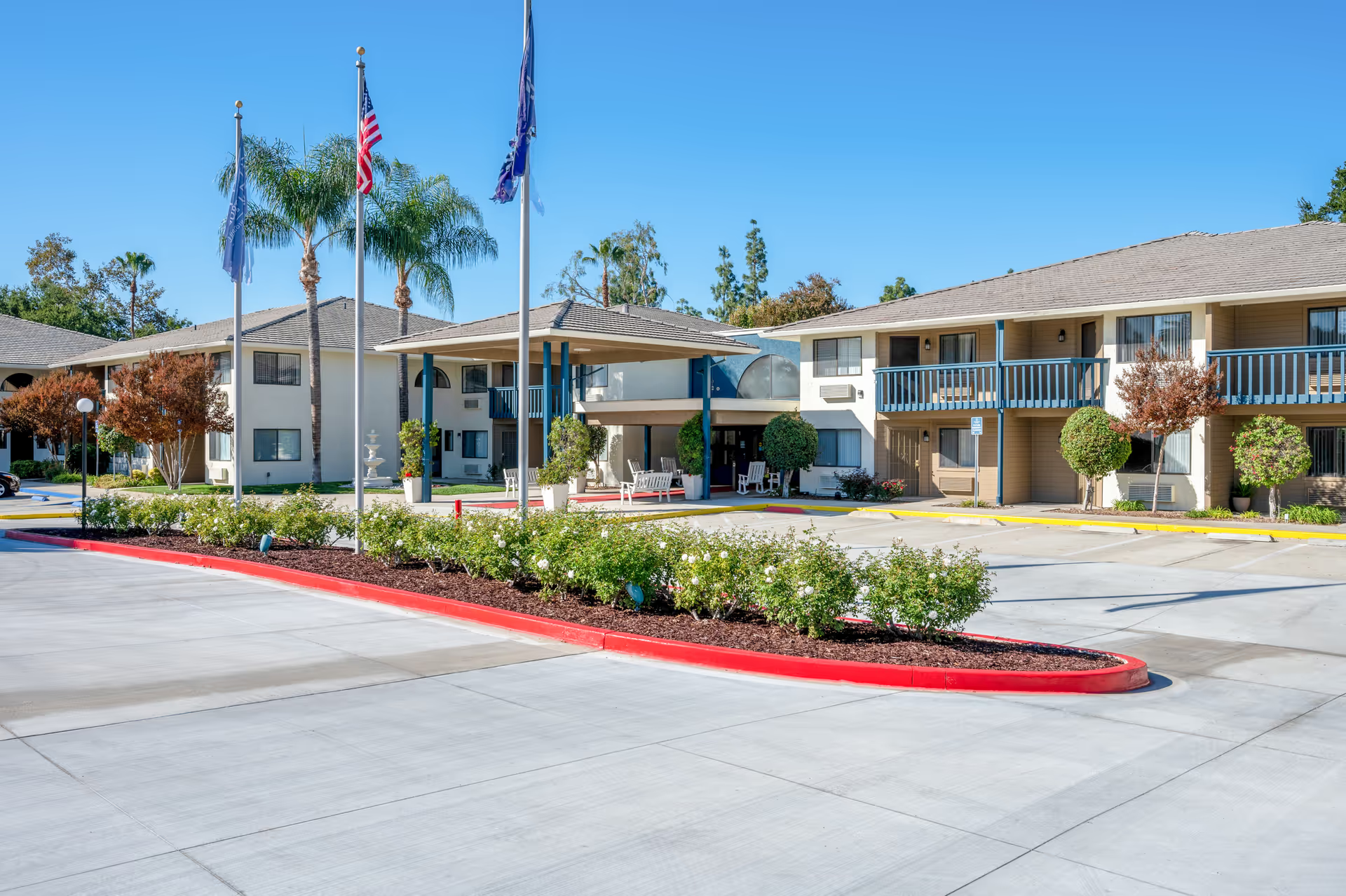
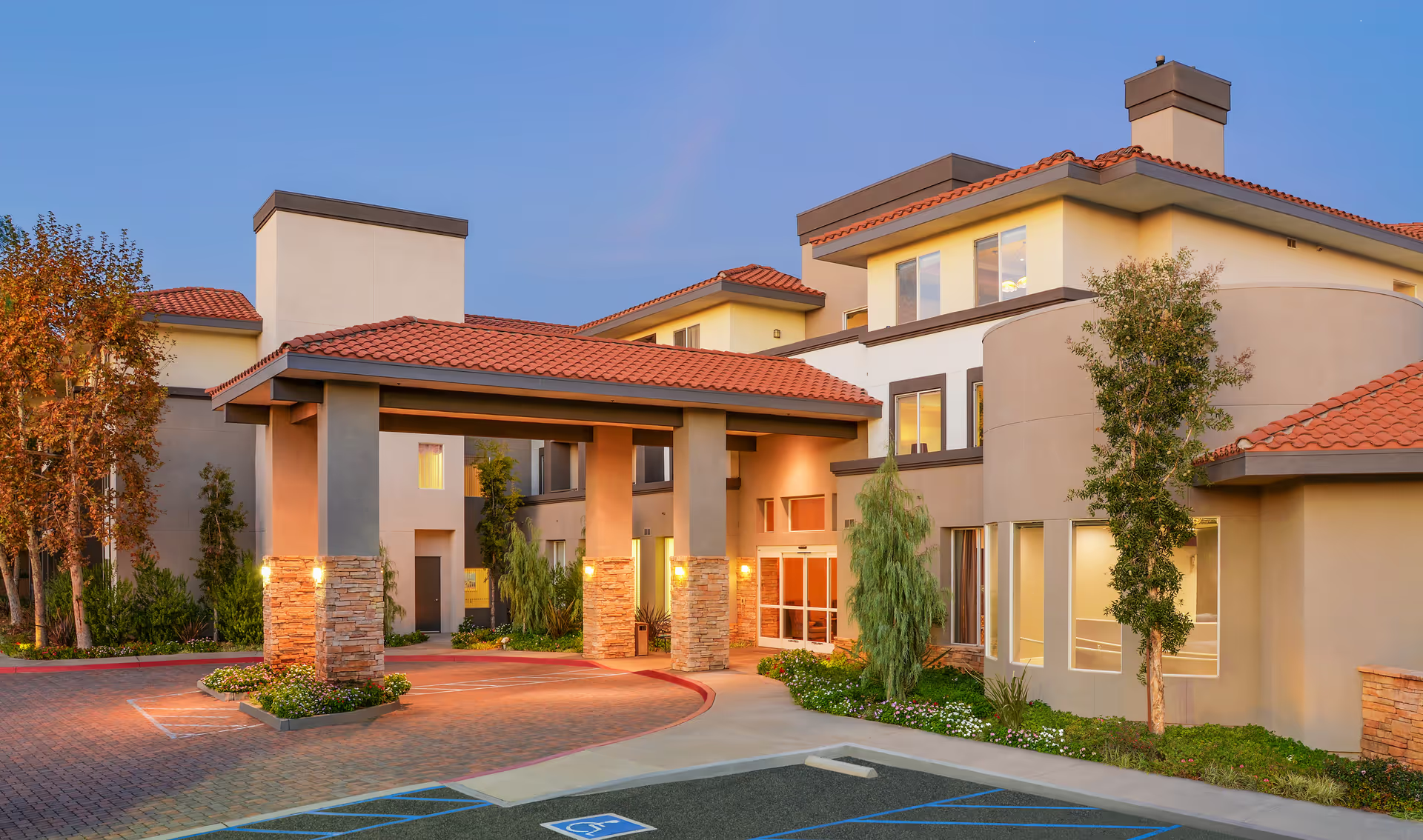
Facility condition and environment are mixed. The home-like scale is paired with room-level limitations: private rooms are reported to be small with limited closet/storage space. Maintenance items such as chipped paint and older finishes were noted, and there are operational impacts from the location — specifically thermal comfort and sound intrusion related to single-pane windows and proximity to a busy freeway. Outdoor space is limited. Cleanliness is often described positively, but there is enough variability in comments to suggest occasional inconsistencies in upkeep and sanitation standards.
Management practices receive largely favorable mention for responsiveness and openness, which supports family trust and communication. The observable pattern is a well-intentioned, personable operation that performs well for residents with modest care needs and for families prioritizing proximity and a homelike setting. For families considering placement, recommended due diligence includes an in-person visit during different times of day to assess freeway noise levels, a physical measurement of room and storage space, questions about window and heating arrangements, review of the typical activity calendar, and clarification of staffing levels and clinical capabilities for higher-acuity needs.