Overall impression: Reviews describe a facility with clear strengths in rehabilitation and portions of the caregiving team, alongside recurring operational weaknesses that have affected family trust and resident experience. Physical therapy and the rehab program receive consistent praise for skill and positive functional outcomes. Several caregivers and nursing staff are described as kind, attentive, and able to communicate well with Spanish-speaking residents and families. The facility offers a welcoming reception, accessible visitor accommodations, and generally clean common areas, and some families expressed gratitude for timely communication and early issue resolution.
Care quality: Rehabilitation services stand out as a positive element; physical therapy staff are frequently singled out for effective care. At the same time, there are repeated concerns about clinical-safety practices — specifically inconsistent responsiveness from front-line staff, gaps in fall-prevention and supervision, and delays or inconsistencies in medication and infection management. Reviewers described instances where clinical follow-up (including antibiotic management) and toileting assistance were delayed, which families interpreted as failures in routine clinical monitoring. End-of-life care and dignity-related concerns were raised by relatives who felt communication and bedside access were sometimes restricted, complicating bereavement and family presence.
Staff and communication: Many families praised individual staff members for kindness, patience, and cultural/linguistic fit. Positive accounts include attentive nurses and aides who provided prompt care and created a positive atmosphere. Counterbalancing this are recurring comments about variable staff conduct, protective staff–patient interactions that reduced family trust, and concerns about how personal information and family communications were handled. Case-management and social-work responsiveness were also identified as uneven, and there are mentions of specific interpersonal conflicts that suggest variability in staff training and supervision.
Dining and activities: Meals are generally described as palatable by some families, and the facility is noted to offer social and recreational programming that residents enjoy. However, implementation of dietary restrictions and individual food intolerances appears inconsistent, with families reporting that accommodations were not always followed. Rehabilitation and activities programs are a relative strength when the therapy team is engaged and scheduling is maintained.
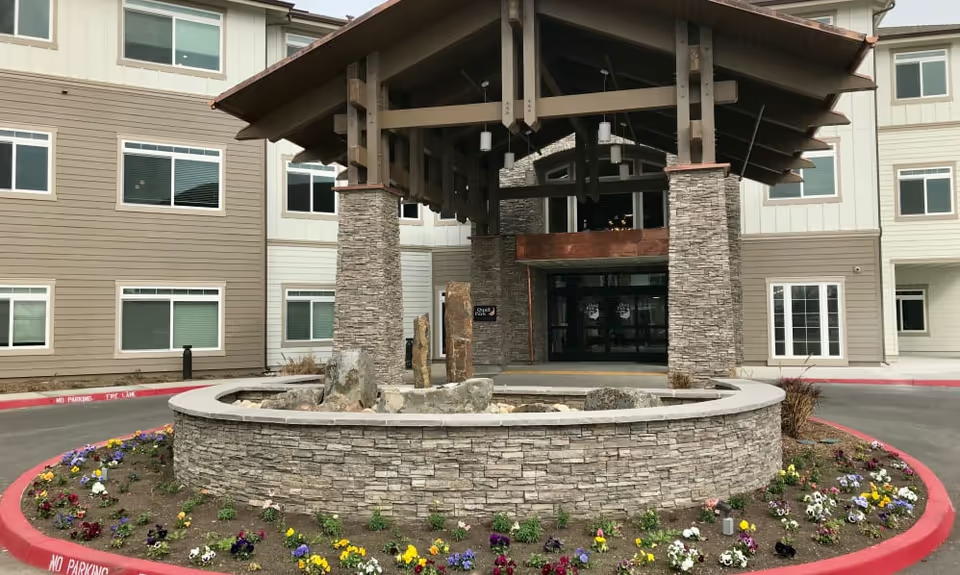
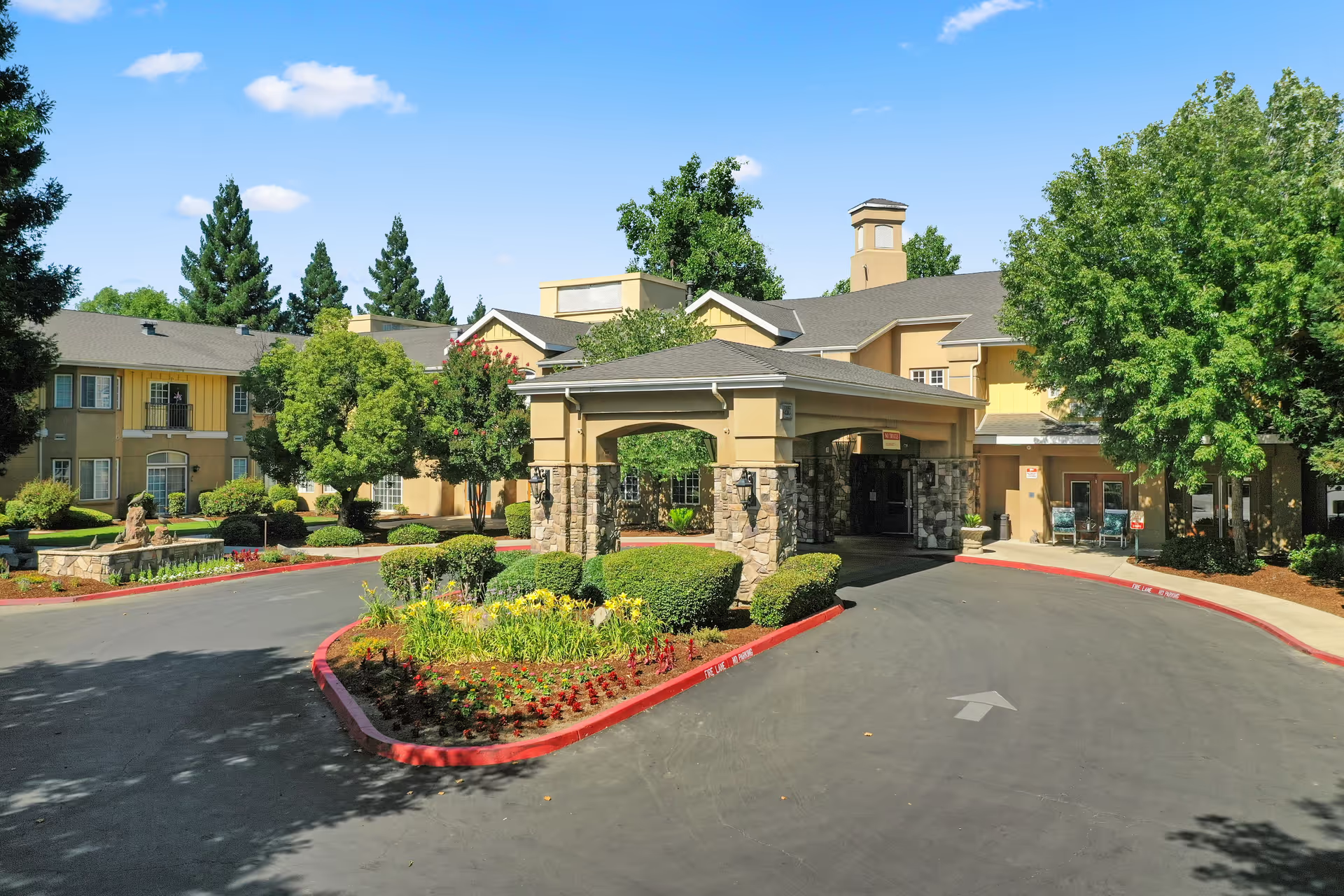
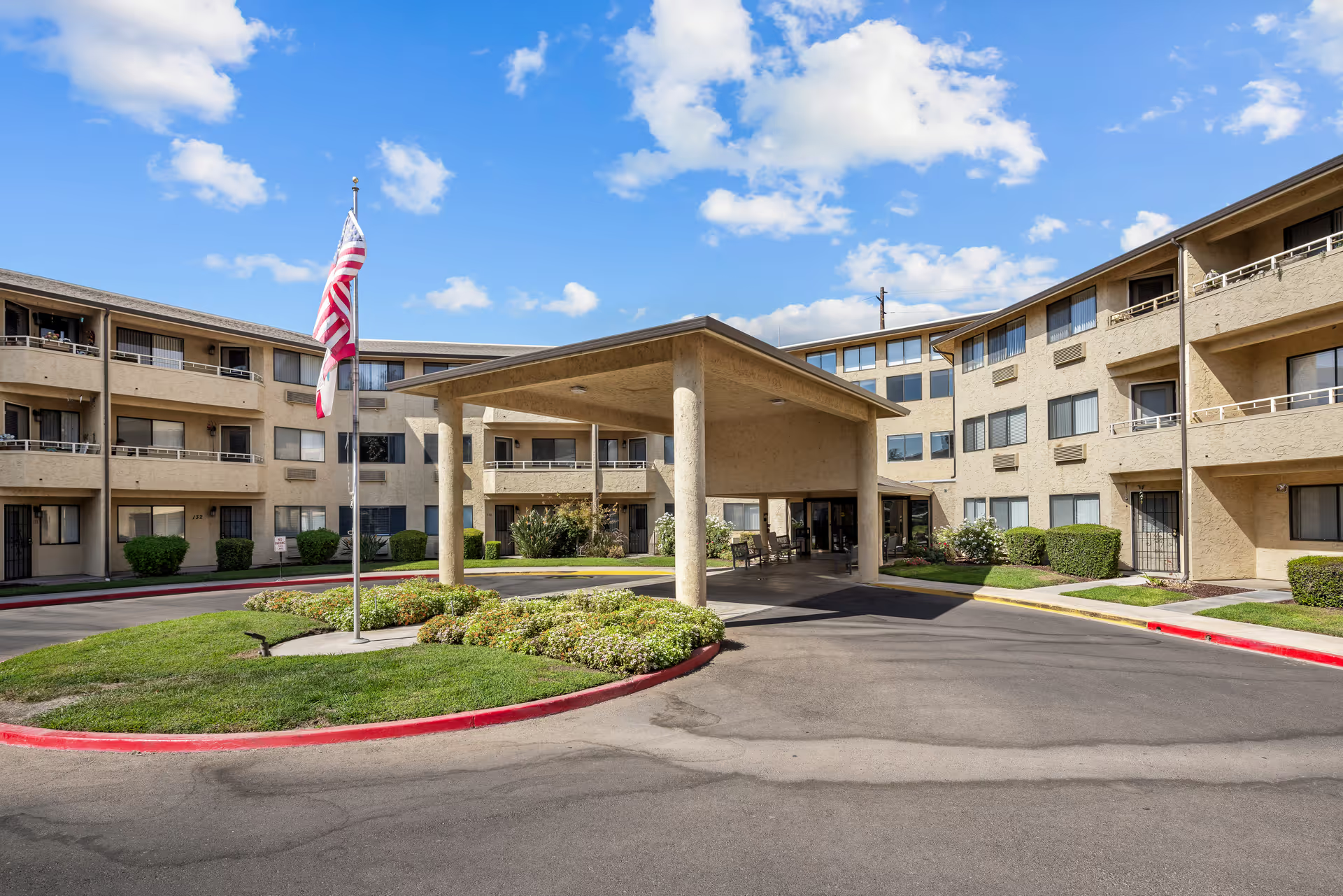
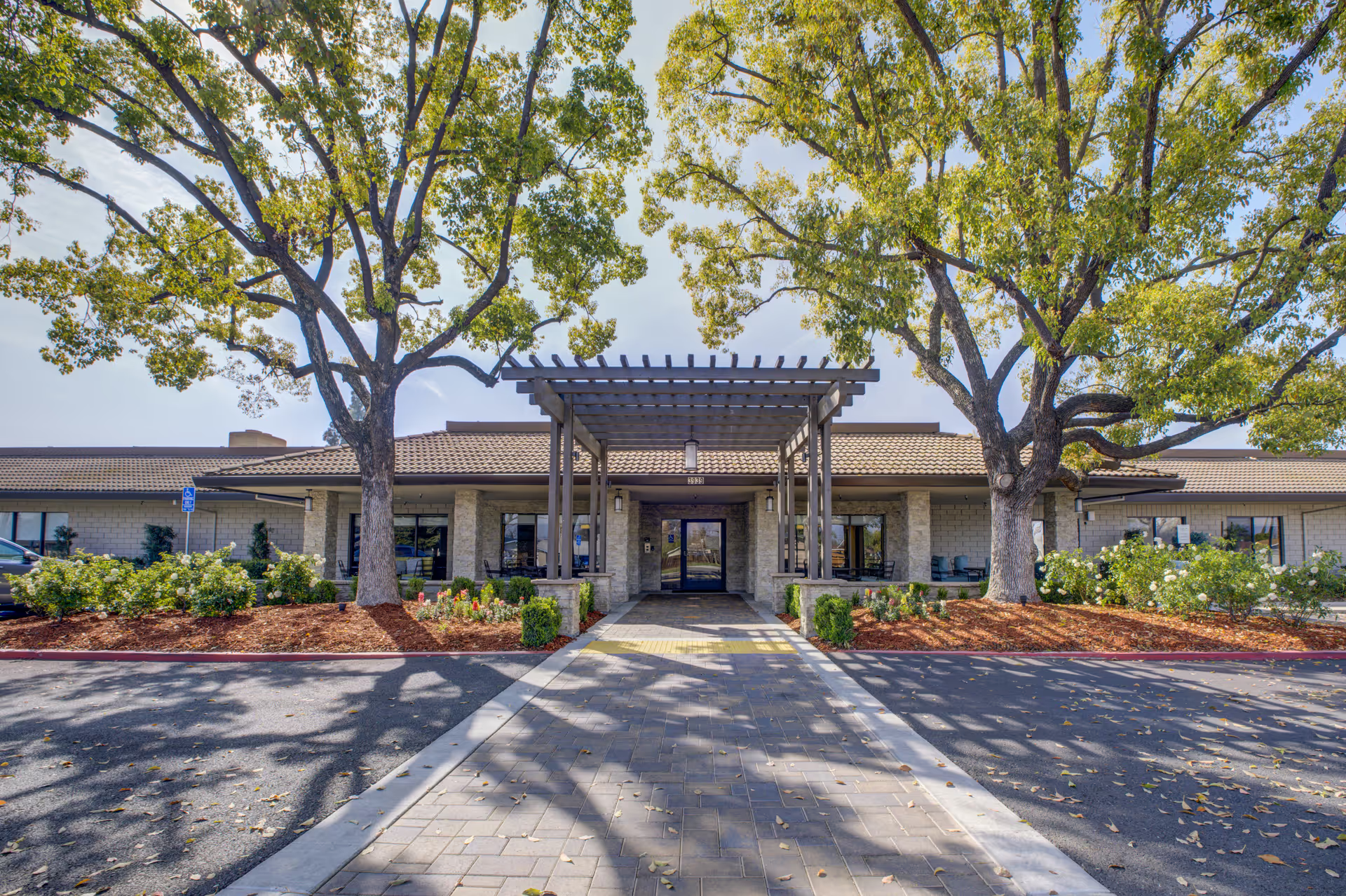
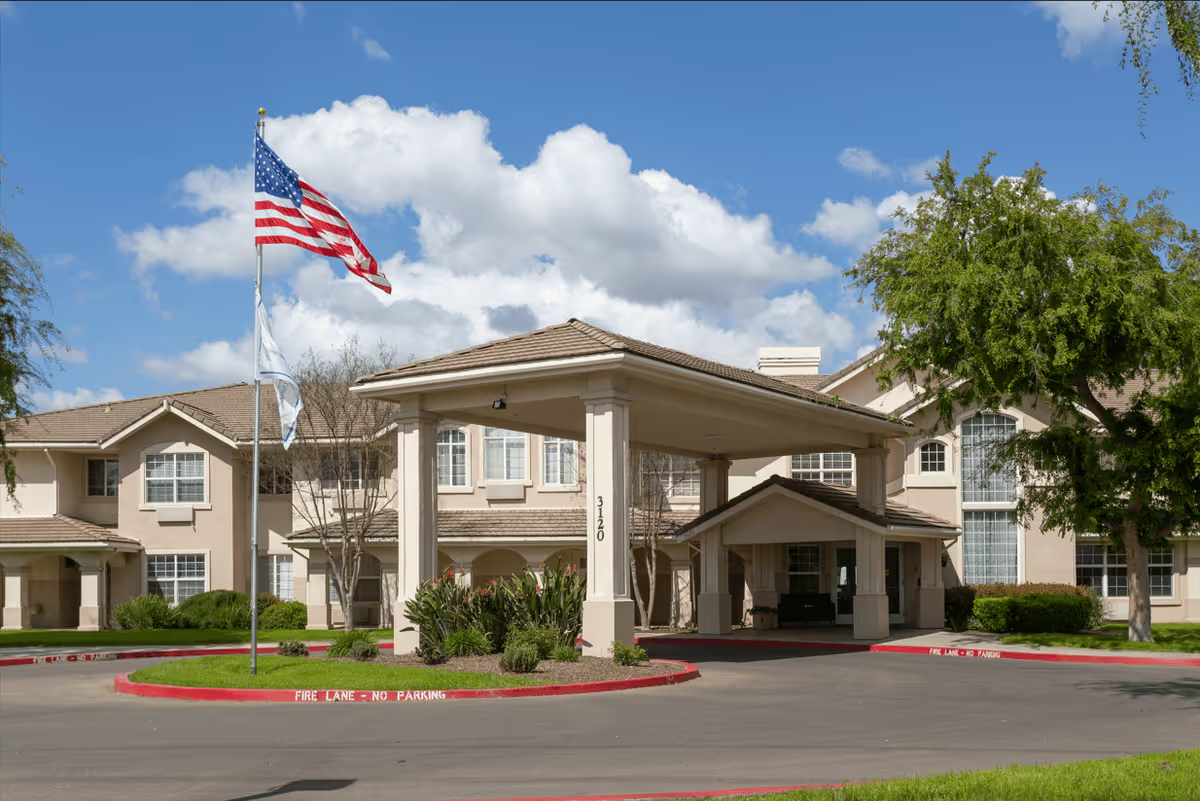
Facilities and management: Positive observations include a clean reception area, available visitor seating and modest hospitality touches. Conversely, reviewers raised facility-maintenance issues such as inadequate HVAC/air-conditioning in parts of the building, hallway fans, noise, and occasional odor concerns. Financial and administrative issues were also a theme: families expressed confusion or dissatisfaction regarding billing, additional service charges, and what they perceived as insurance-driven placement decisions. These administrative concerns compound clinical anxieties when communication is limited.
Notable patterns and guidance: The overall pattern is one of uneven performance — strong rehabilitation and several compassionate staff members coexist with operational inconsistencies that affect safety, privacy, and family trust. Prospective families should prioritize direct questions about staffing ratios, fall-prevention protocols, infection-monitoring and antibiotic policies, dietary accommodation processes, and how the facility manages family communication and confidentiality. Ask to speak with the therapy team, request written explanations of extra charges, and arrange a tour during peak activity to observe staffing and HVAC conditions. Documenting expectations in the admission agreement and establishing a primary staff contact can help reduce the types of communication and billing concerns described by families.