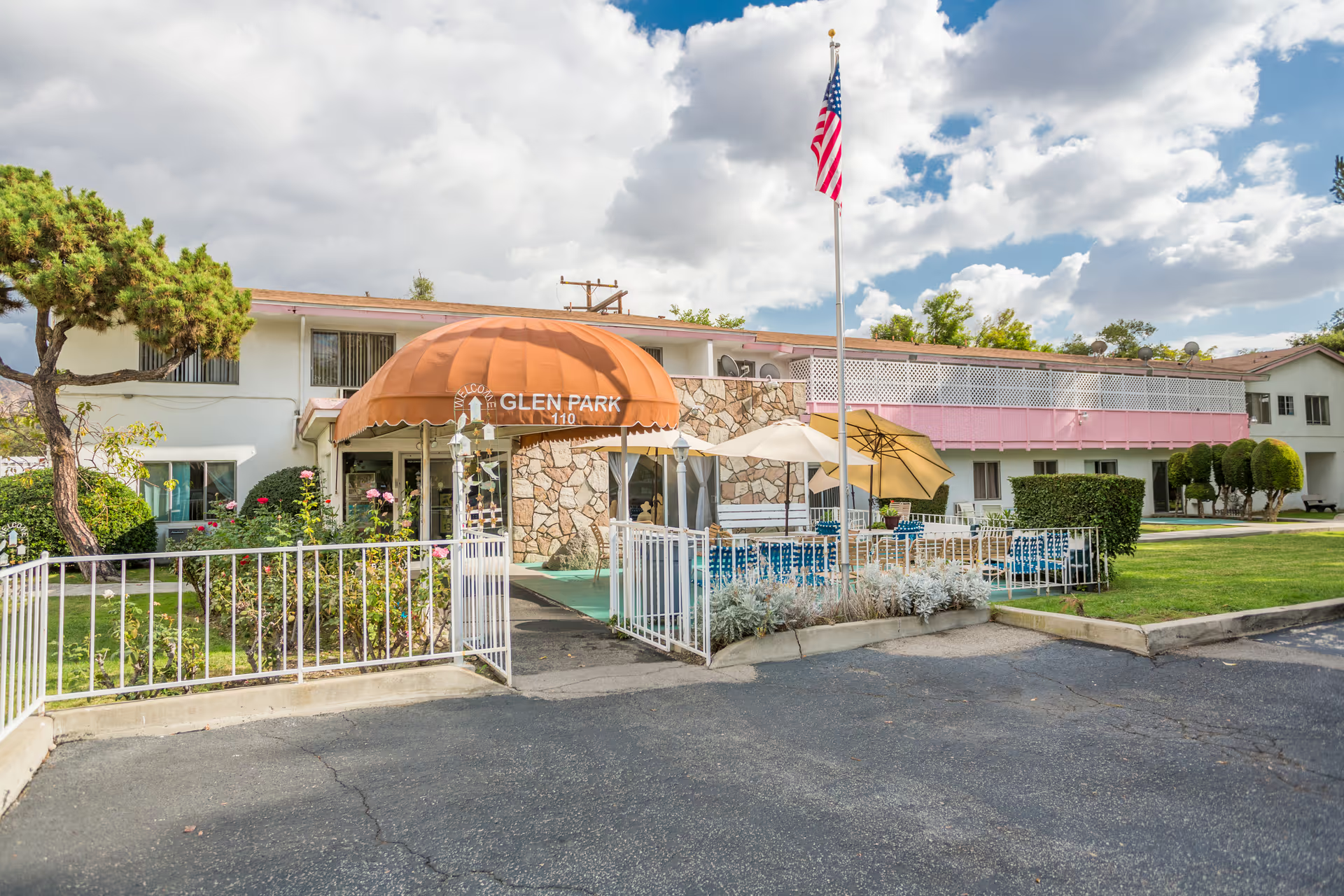
This facility presents a mixed picture. On the service side, it offers a broad set of clinical programs including subacute tracheostomy care, physical and occupational therapy, private rooms, and a renovated reception area. One reviewer specifically praised the kitchen and meal service, and the front-desk representative Maria V. was described as particularly helpful. These elements indicate the campus has core clinical capabilities and some recent capital improvements that may benefit incoming residents who need skilled rehabilitation.
Care quality impressions are inconsistent. Some reviewers cite competent rehabilitation and specialized subacute services, while others describe delays in responding to acute clinical changes and concerns following a resident's serious decline and transfer to hospital. There are specific operational issues implied by those reports: delayed transfer protocols, inconsistent medication handling, and gaps in follow-up care. These are operational patterns to explore further when evaluating clinical oversight, emergency procedures, and coordination with outside hospitals.
Staffing and communication emerged as recurring themes. Comments include examples of dedicated, excellent staff members alongside accounts of unfriendly interactions and a supervisory culture perceived as unhelpful or confrontational. Families also reported difficulties reaching staff by phone and lengthy hold times. Understaffing during some shifts was mentioned, which can exacerbate response delays, limit one-on-one attention, and affect perceived staff conduct.
Dining, activities, and the rehabilitation environment are described in divergent terms. The kitchen received positive mention, but some reviewers felt the rehabilitation setting was isolating or lacked an engaging communal atmosphere. Therapy availability appears robust on paper, yet perceived therapy effectiveness varied — prospective families should assess therapy staffing levels, program intensity, and measurable therapy goals during a tour.
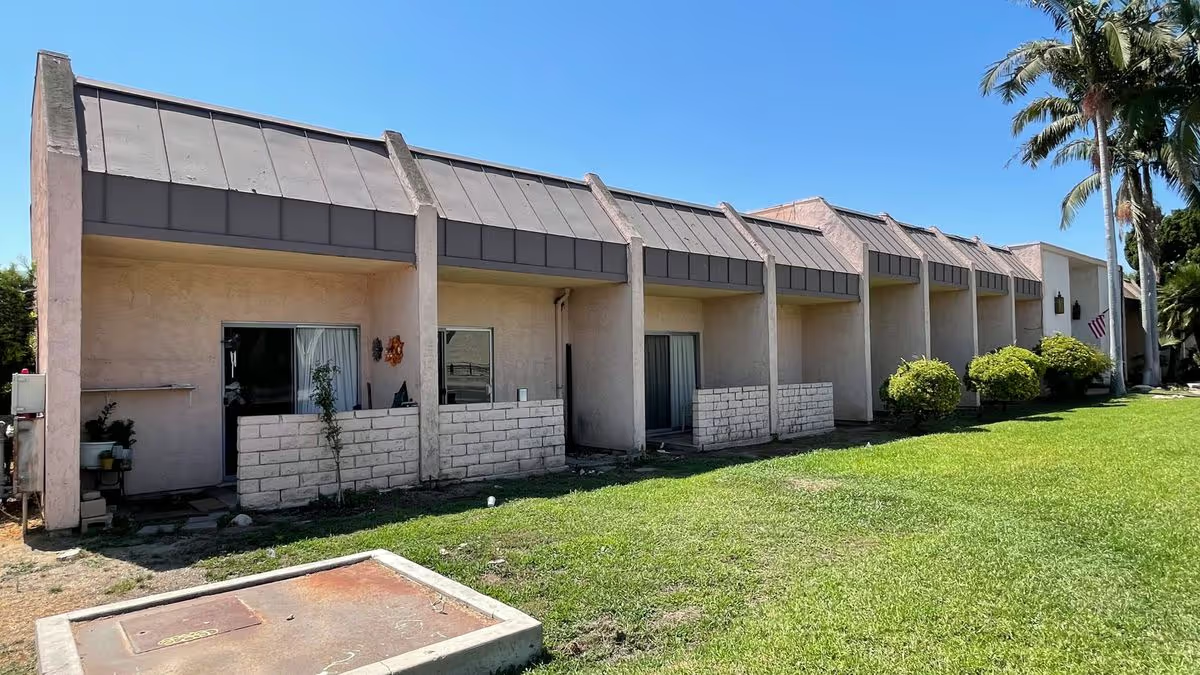
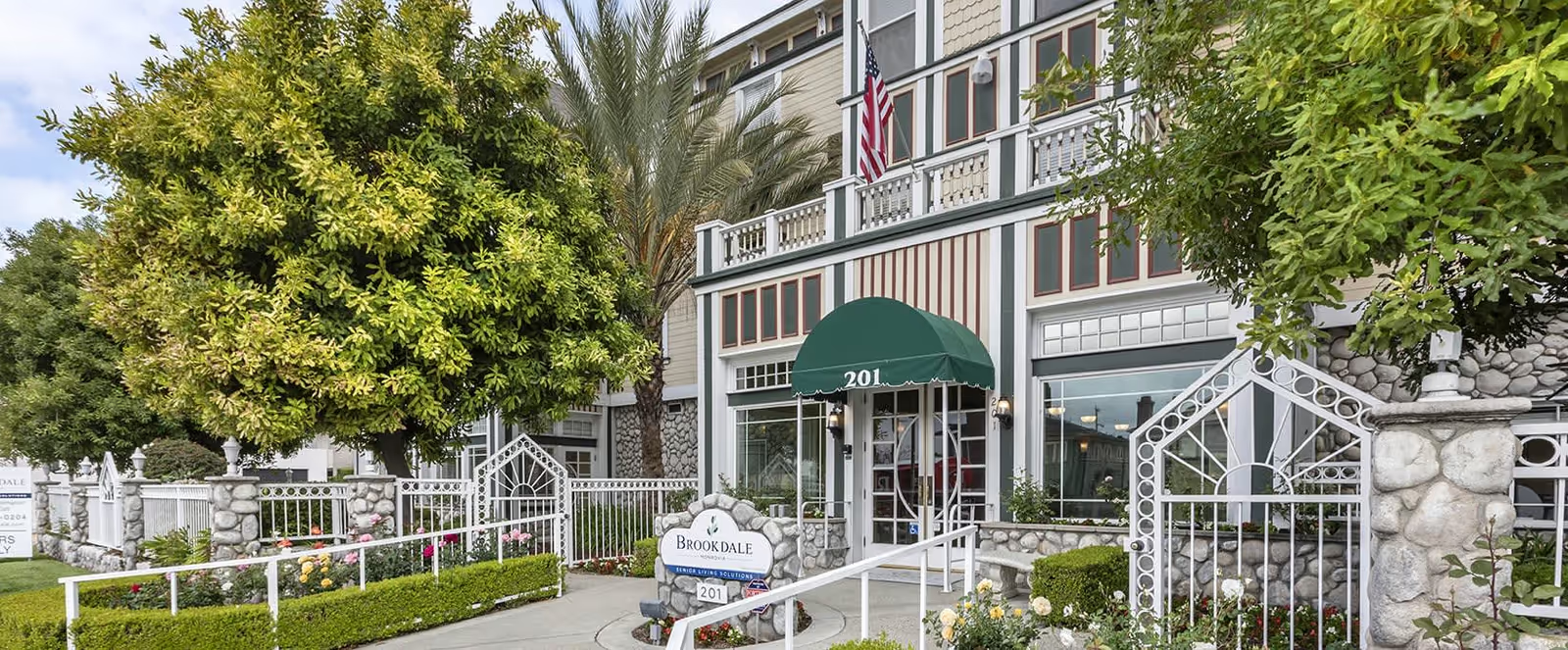
Facility condition and maintenance were mixed. The front area is updated, but several reviewers identified cleanliness and maintenance shortfalls in resident rooms and common areas, along with aging beds and cabinetry that may require refurbishment. These maintenance and sanitation concerns can affect resident comfort and should be inspected directly.
Management and governance concerns were notable: reviewers described limited transparency around meetings, a grievance process that families found unsatisfactory, and a perception that financial priorities sometimes drove decision-making. These are organizational traits worth probing with leadership — ask for policies on family communication, incident reporting, staffing ratios, and how they handle grievances and clinical escalations.
Overall, the facility offers substantive clinical capabilities and some strong individual staff members, but prospective residents and their families should perform targeted due diligence. Recommended steps include reviewing recent clinical outcome data, inspecting resident rooms and common areas, confirming staffing patterns for the units of interest, asking for written transfer and emergency protocols, and discussing grievance and communication procedures with leadership prior to placement.