Overall impression: Glen Park at Monrovia elicits strongly polarized impressions. Many families and residents praise the caregiving team, describing long‑tenured staff who create a warm, family‑like environment and demonstrate attentiveness to daily needs. The community is noted for having specialized memory‑care experience, safety measures such as door alarms, pleasant outdoor areas and a generally clean, well‑kept campus. Several accounts highlight swift day‑to‑day responsiveness, individualized attention from caregivers, and effective transportation and clinical visit coordination.
Care and staff: Strengths center on direct care — compassionate caregivers, experienced activity staff and cooks, and staff who build personal relationships with residents. The facility’s dementia and memory‑care skills are regarded as a positive feature, with staff able to manage wandering and behavioral needs. At the same time, reviews reveal variability in staffing levels and personnel consistency; some families experienced long wait times for assistance or noted that familiar caregivers were removed, which affected perceived continuity of care.
Clinical operations and medication management: A recurring operational concern is inconsistency in medication processes. Several accounts describe delays in medication orders and deliveries, stock shortages lasting days, and changes to medication dispensing workflows that have created confusion. These issues appear linked to supply-chain or coordination problems with external providers and occasional internal process changes. While many reviewers continue to express confidence in caregiver attention, the patterns suggest that medication ordering, stock control, and administration processes require stronger, more reliable sequencing and oversight.
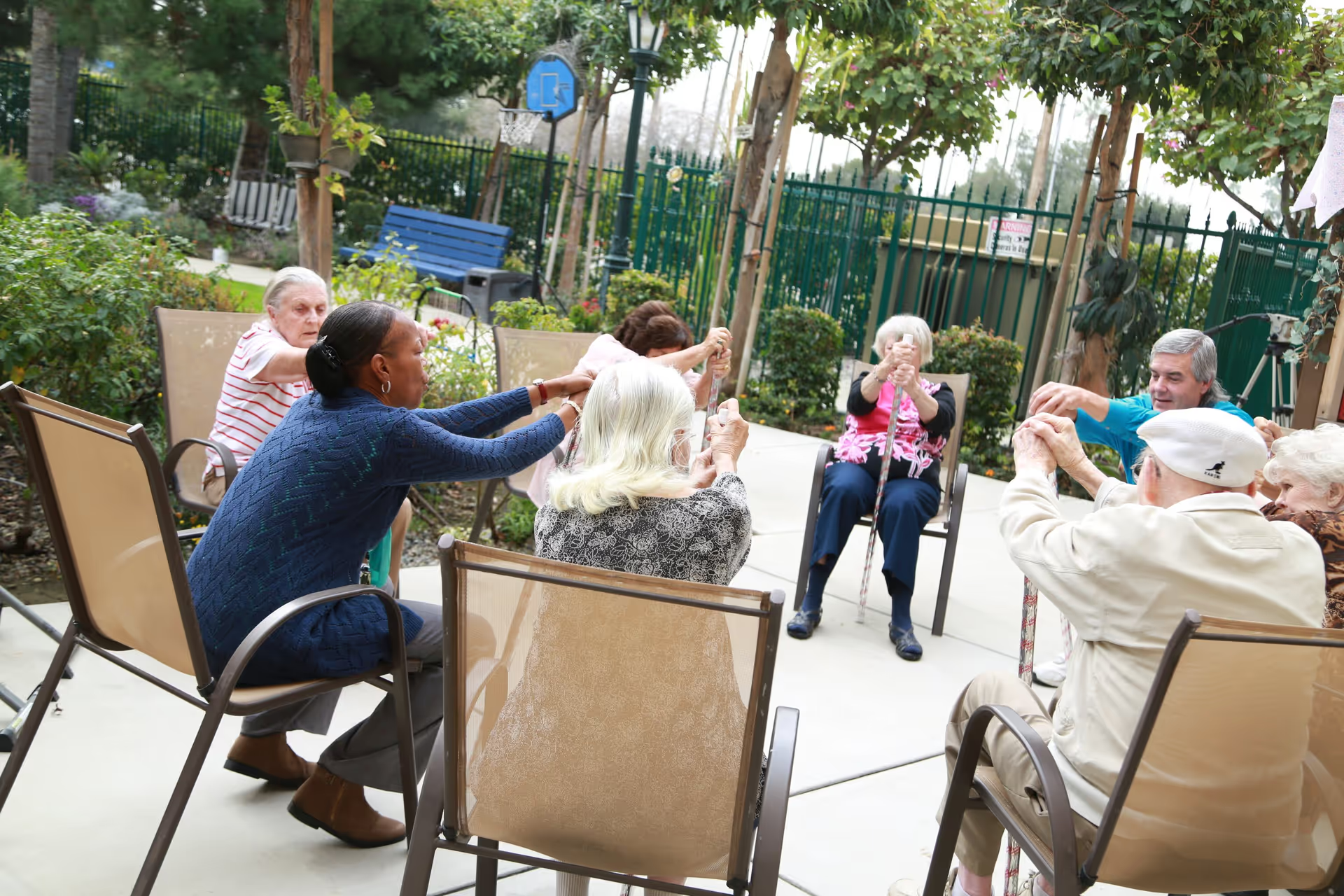
Dining and activities: Dining impressions are mixed. Multiple reviewers praise enjoyable meals, a recent improved menu, and caring dining staff; others raise concerns about menu balance (references to higher‑salt selections and limited vegetable choices) and conversational interruptions during meals. Activity programming likewise shows variability: some residents experience a robust schedule with outings, weekly entertainment and engagement opportunities, while others describe a sparse or repetitive activity menu and request more variety or accessible program space. Overall, activity quality may depend on unit placement and staffing on a given day.
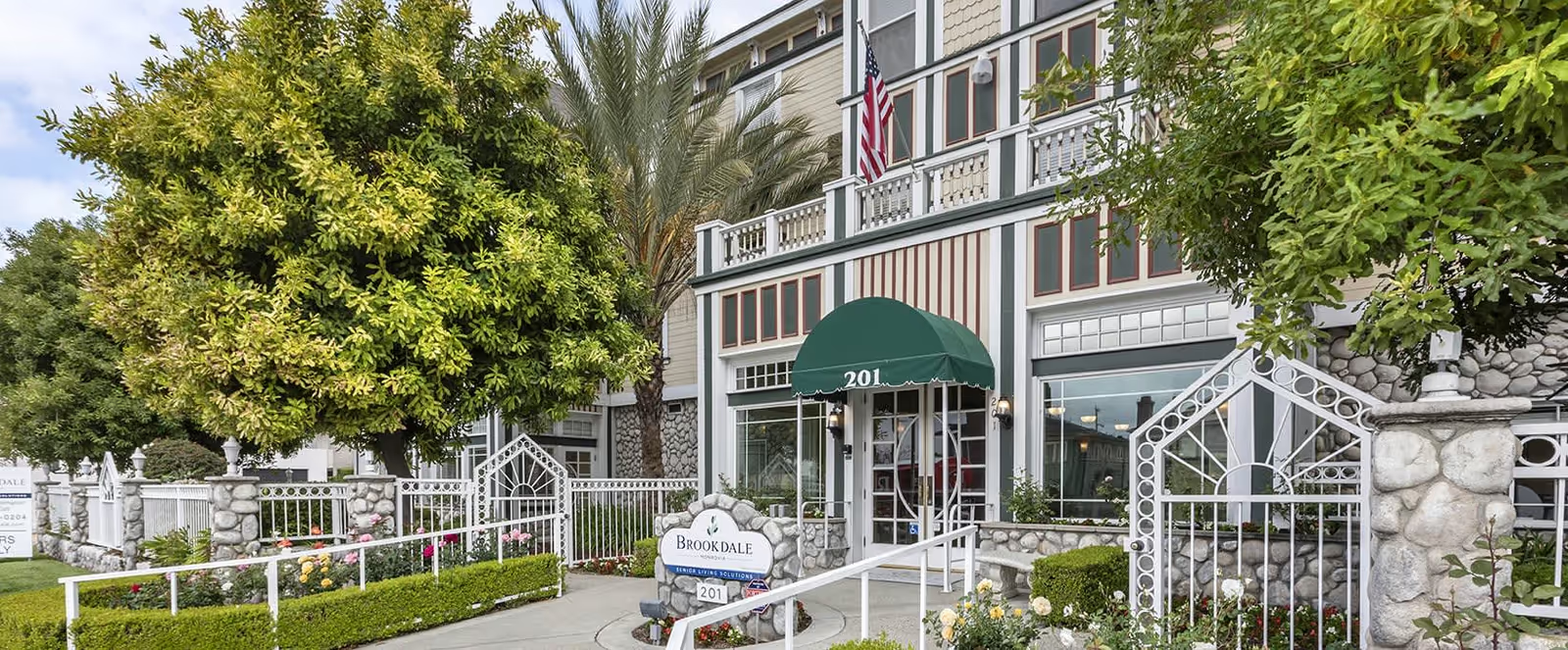
Facilities and maintenance: The property benefits from a pleasant, gated setting with usable outdoor commons and generally clean common spaces. However, the building is older and shows signs of dated furnishings and infrastructure. Reviews mention uneven flooring, loose handrails, room odor concerns in isolated units, and reliance on window units for climate control in some rooms. Accessibility limitations — for example, lack of public restrooms on certain floors — are also noted and affect resident independence.
Management and communication: Administrative performance is inconsistent across accounts. Many visitors and families describe an engaged, smiling administrator who resolves issues quickly and improves menus and programs; conversely, others report unresponsive or abrasive leadership, contract and rate‑change disputes, and personnel changes that affected morale. Communication gaps with external healthcare providers (one example cited was coordination with an insurer/medical group) have contributed to delays in treatments and medications. Marketing and touring practices were also questioned by some families who felt the presentation did not fully match on‑site conditions.
Notable patterns and guidance: The strongest, consistent positive signal is the quality of direct caregiving and the resident‑focused culture created by long‑term staff. The most significant operational risk centers on medication and clinical coordination processes and intermittent administrative turnover. Prospective families should weigh the on‑the‑ground caregiving strengths against logistical concerns: ask specifically about current medication‑ordering workflows, stock‑management practices, staffing ratios at relevant times of day, recent management changes, and unit‑specific maintenance or accessibility issues. A focused tour that includes a conversation with nursing/medication staff and a look at an actual resident room (not staged examples) will help clarify whether the facility’s operational controls and environment align with a prospective resident’s needs.