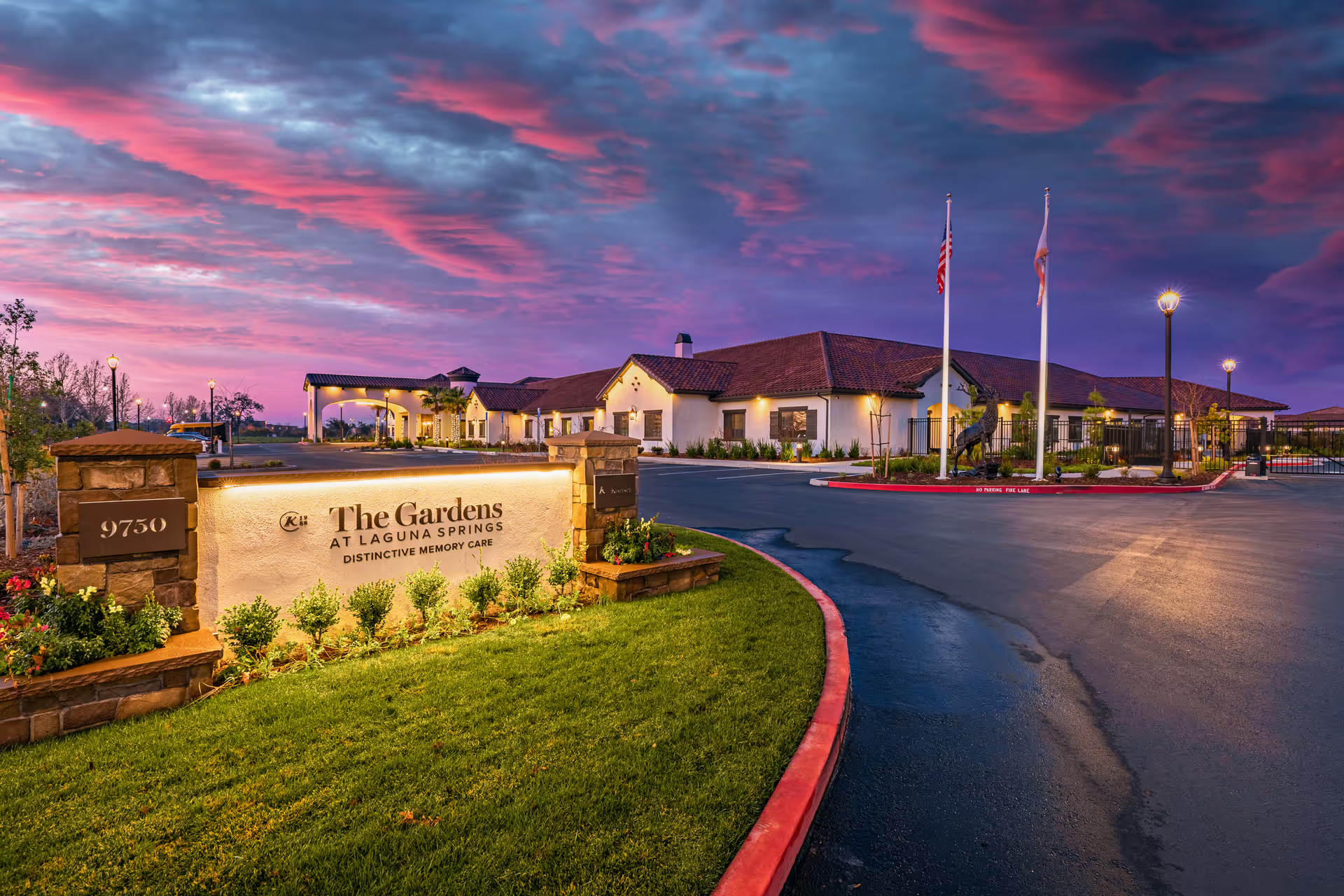
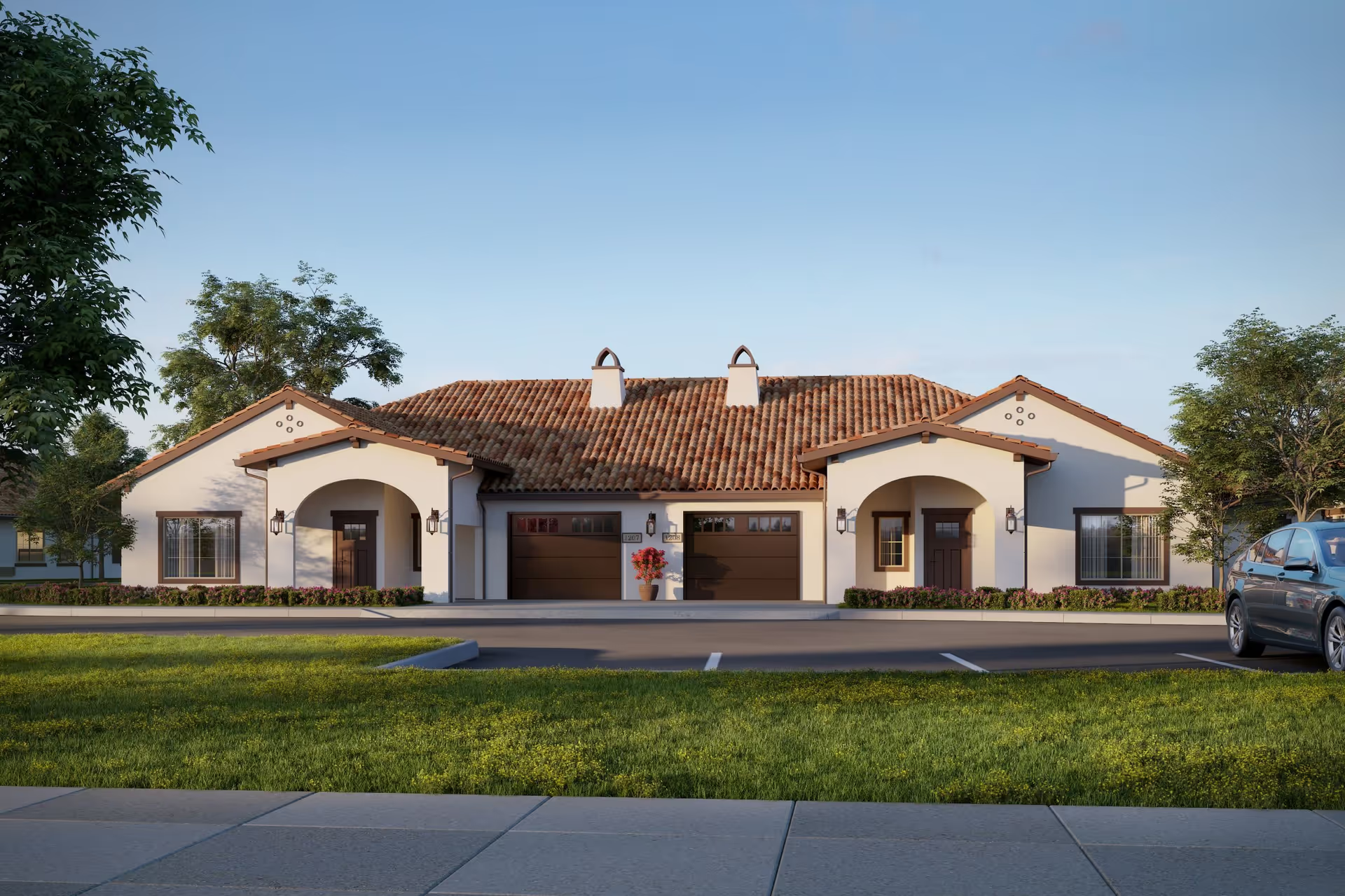
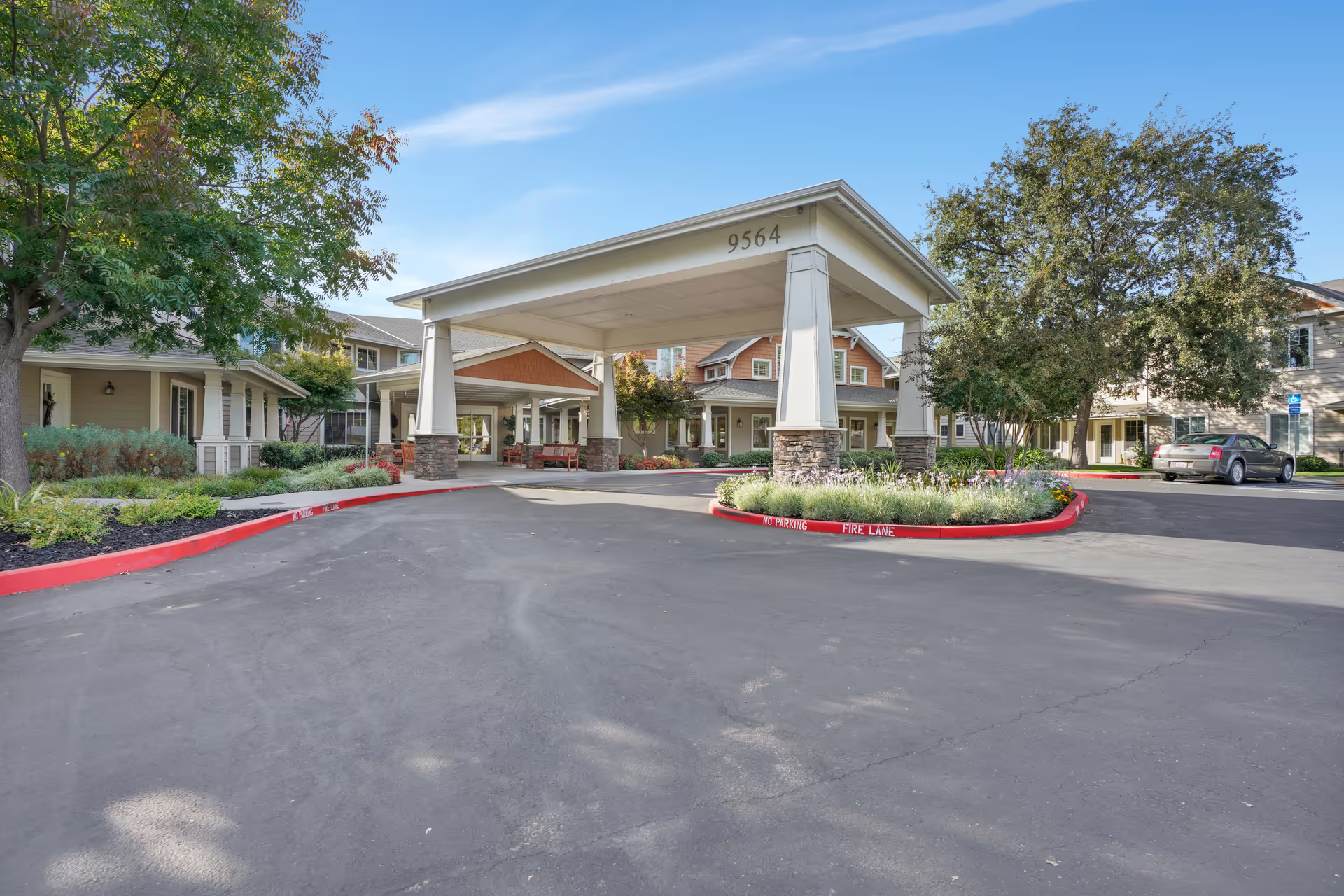
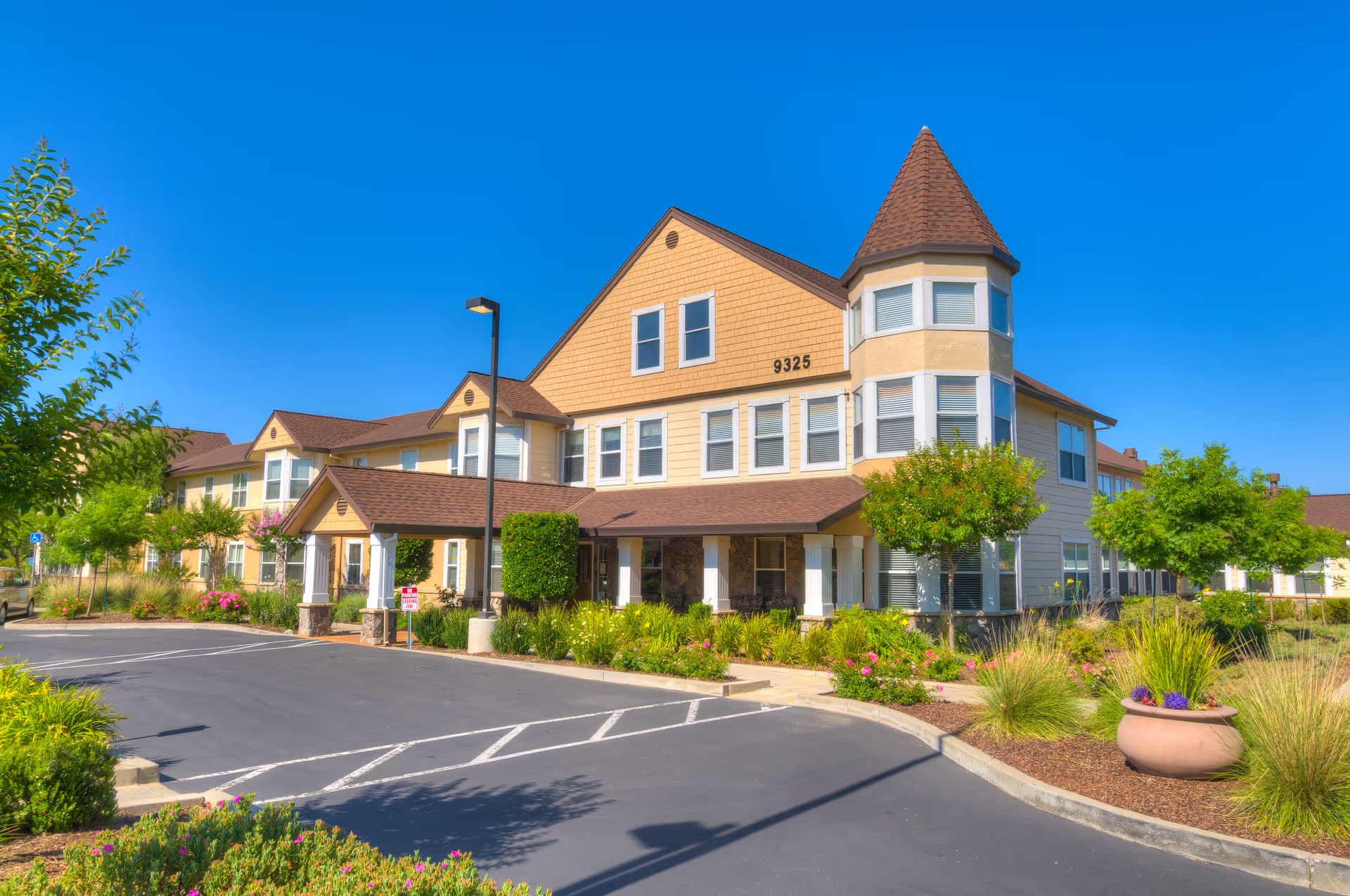
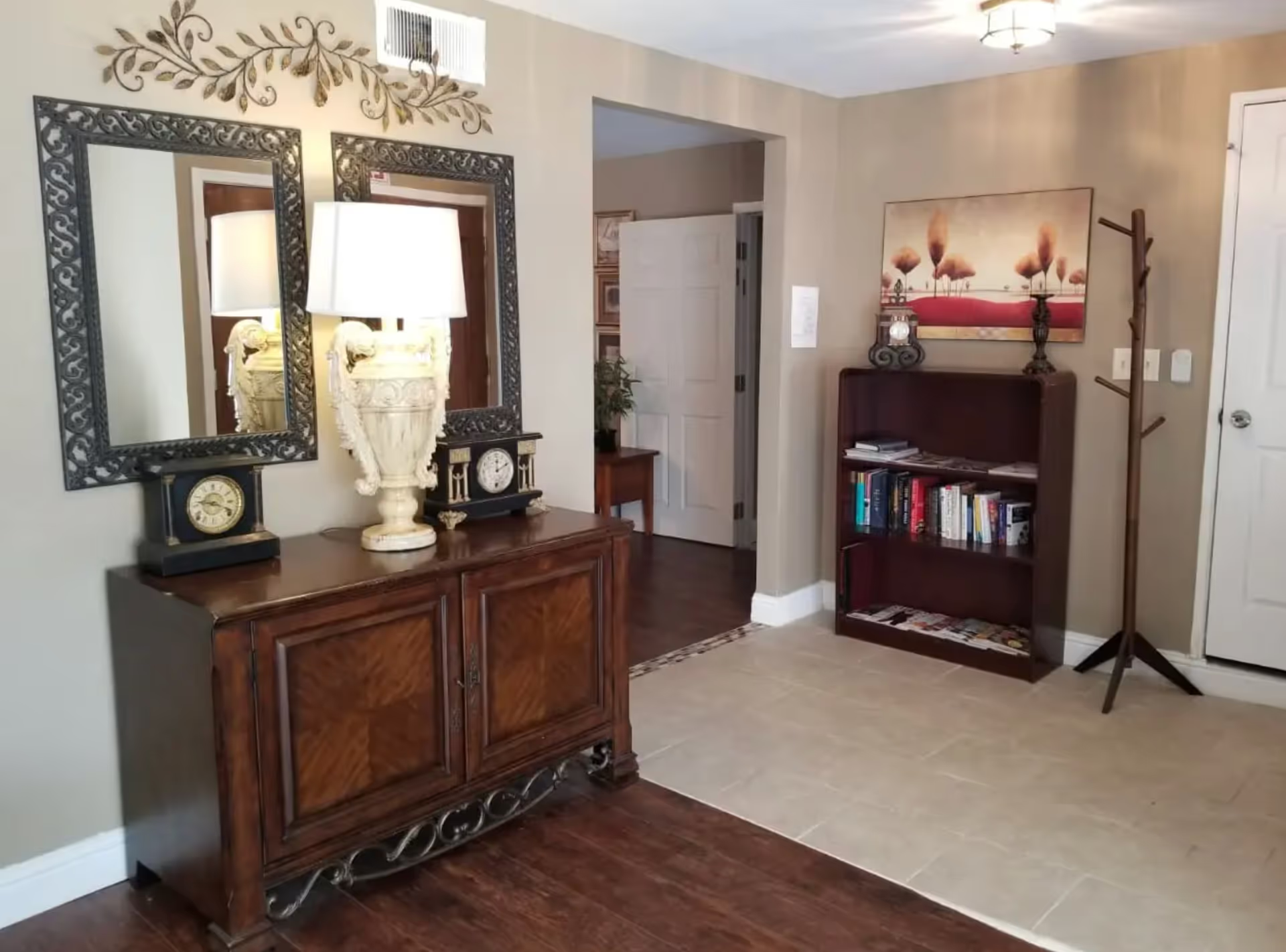
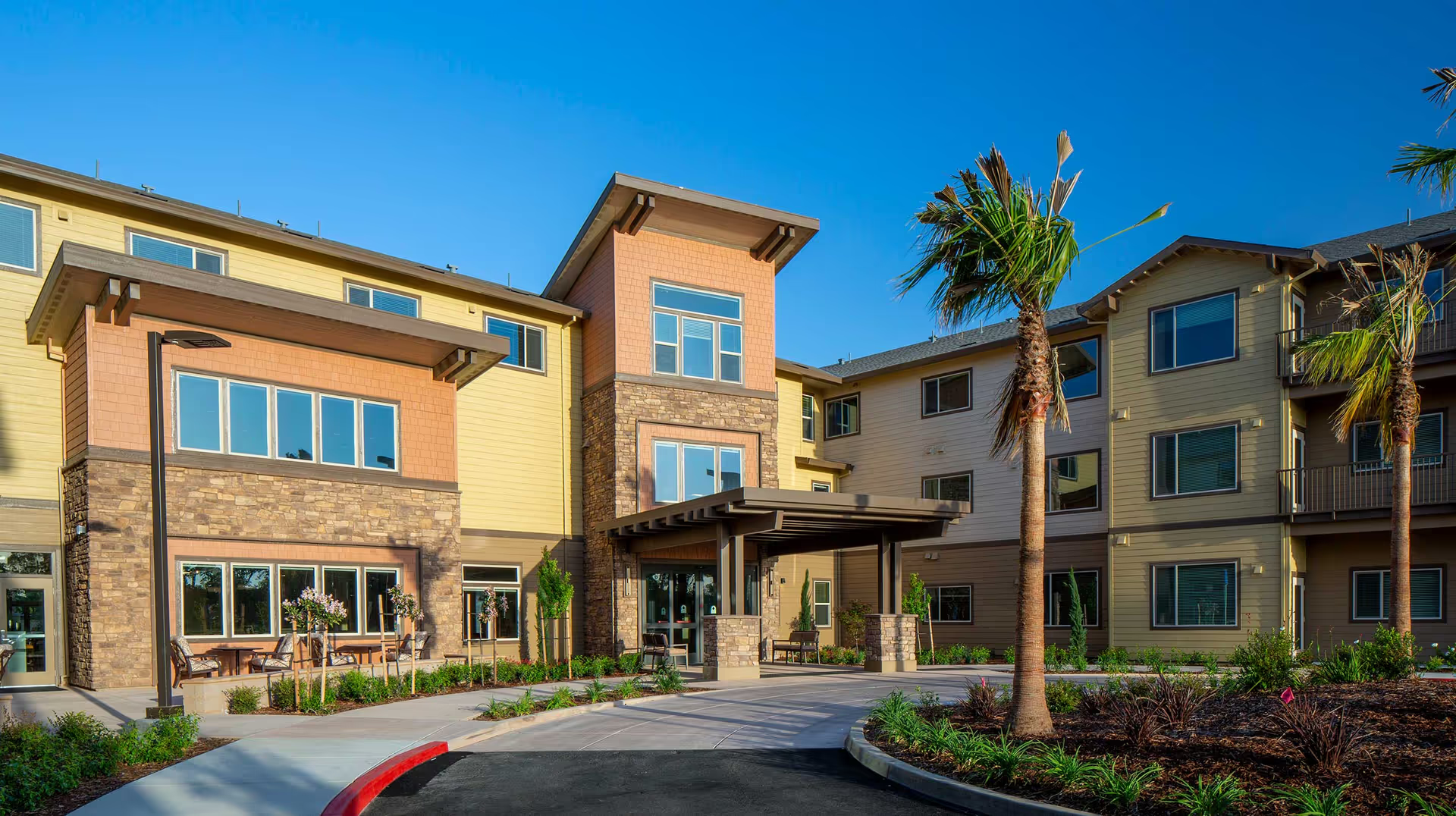
Reviews of this facility present a mixed but distinct pattern: many families praise the caregiving team, the home-like environment, and meal quality, while a set of operational problems appear repeatedly and correlate with variable resident experiences. Strengths cited across reviews include attentive, compassionate caregivers, on-site staffing with hourly monitoring, and a stylistically attractive, well-maintained living space that feels domestic rather than institutional. Several accounts highlight nourishing, home-cooked menus served family-style and responsiveness to dietary needs, contributing to a supportive social environment for residents.
Care and staffing descriptions are bifurcated. Positive accounts emphasize competent, respectful caregivers and personalized, dignified attention. At the same time, other accounts describe high staff turnover and uneven training, producing inconsistent levels of care. Reported behaviors that reflect this variability include inattentiveness during activities or moves, use of personal devices while on duty, and delays in routine assistance. The presence of on-site caregivers and structured monitoring is a clear strength when staffing is stable; conversely, frequent personnel change appears to undermine continuity and resident comfort.
Dining and nutrition are recurrently noted as both a facility strength and a weakness. Many reviewers praise nutrient-dense, home-cooked meals, communal dining, and the facility’s ability to accommodate special diets. However, other reports describe inconsistent meal preparation, failures to follow prescribed dietary modifications (for example, texture or sodium adjustments), inappropriate menu choices for specific needs, and interruptions in supply or meal-service continuity. These operational inconsistencies suggest variability in kitchen processes, inventory management, and communication between clinical and food-service staff.
Facility condition and hygiene receive generally favorable comments about cleanliness and layout, but some reviews raise sanitation and odor concerns in certain rooms or areas and note dust or air-quality issues that affected resident comfort. Laundry and personal-care processes are also mentioned as areas where lapses occurred for some residents. Additionally, reviewers identified privacy and security control gaps, such as inadequate room-access controls, that make some families uneasy about resident safety and dignity.
Management and oversight emerge as a central theme tying many concerns together. Positive experiences are associated with visible, engaged leadership and effective administrative responsiveness. Negative experiences are commonly linked to weak operational oversight, limited owner presence, and interpersonal conflict between management and staff; these factors appear to contribute to staff turnover, inconsistent training, and breakdowns in day-to-day service delivery.
Notable patterns: the facility is capable of providing high-quality, compassionate care in a pleasant, home-like setting when staffing and management practices are stable. However, recurring operational weaknesses — especially around staff retention/training, meal consistency, sanitation in some areas, and privacy/security controls — create variability in resident experience. Prospective families should verify current staffing stability, ask about clinical and kitchen protocols for special diets, observe cleanliness during a tour, and inquire how management monitors staff performance, room-access controls, and incident follow-up. These checks will help determine whether the facility’s strengths are consistently delivered in the present operational context.