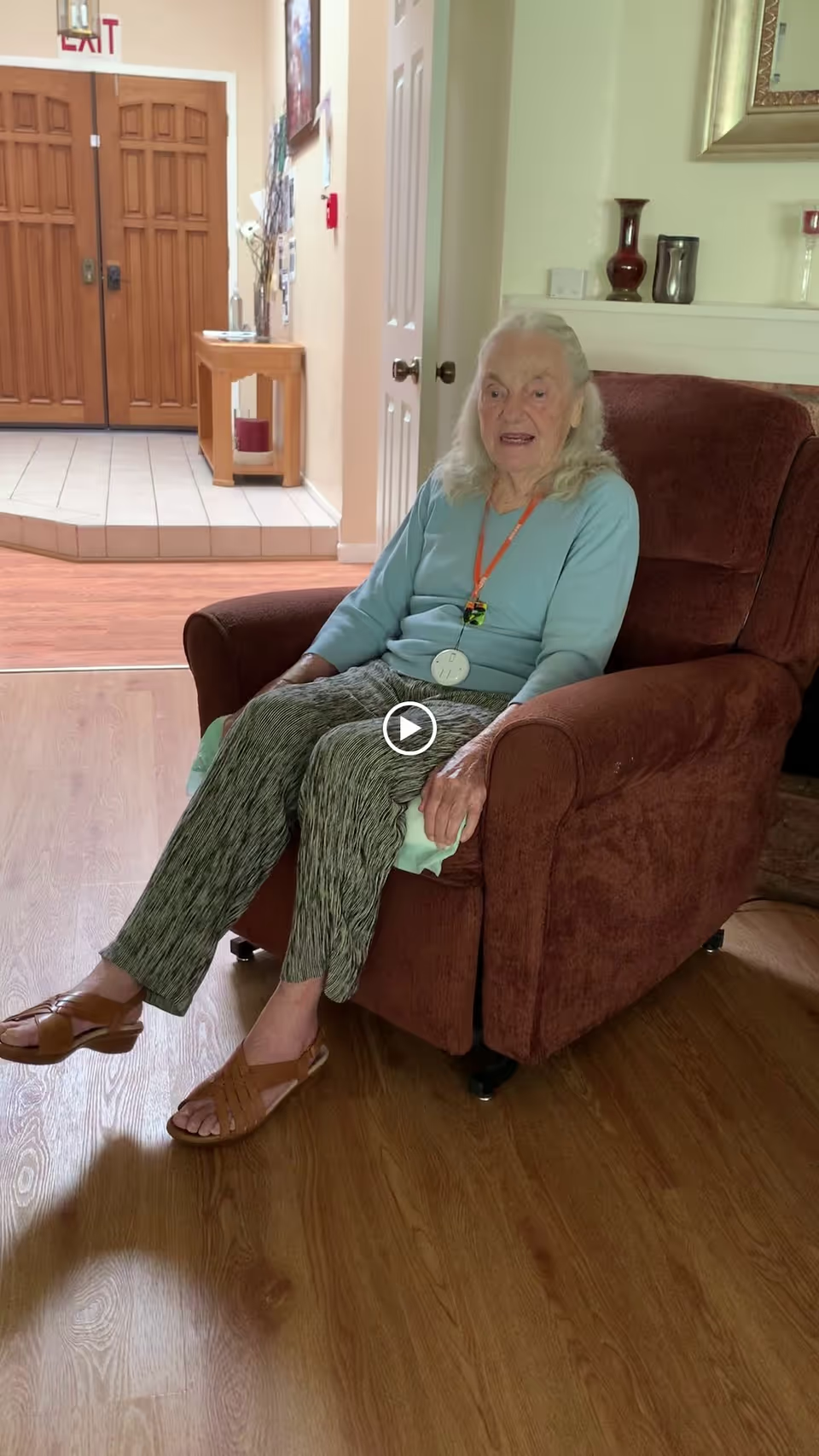
Overall impression: Reviewers describe Villa Bernardo Escondido as a small, family-owned assisted living community where front-line caregiving is a primary strength. Many comments emphasize compassionate, attentive, and friendly staff who develop long-term, respectful relationships with residents and prioritize dignity in daily care. Families repeatedly note that staff make residents feel at home, and several comments single out recent new hires positively.
Care quality and staff: The dominant theme is strong, relationship-centered care. Staff are characterized as polite, accommodating, and responsive to residents' well-being. The owner’s availability and willingness to listen are cited as a positive influence on culture; reviewers describe family-style values and an accessible leadership presence that supports staff and families. This consistent praise for caregiving suggests a stable day-to-day care environment, notwithstanding concerns about back-office leadership noted below.
Dining and activities: Dining is mentioned positively, with comments about good food and accommodating meal service. Review data does not include extensive detail about structured activities or programming; where noted, the emphasis is more on individualized attention and making residents comfortable rather than a large, formal activity schedule.
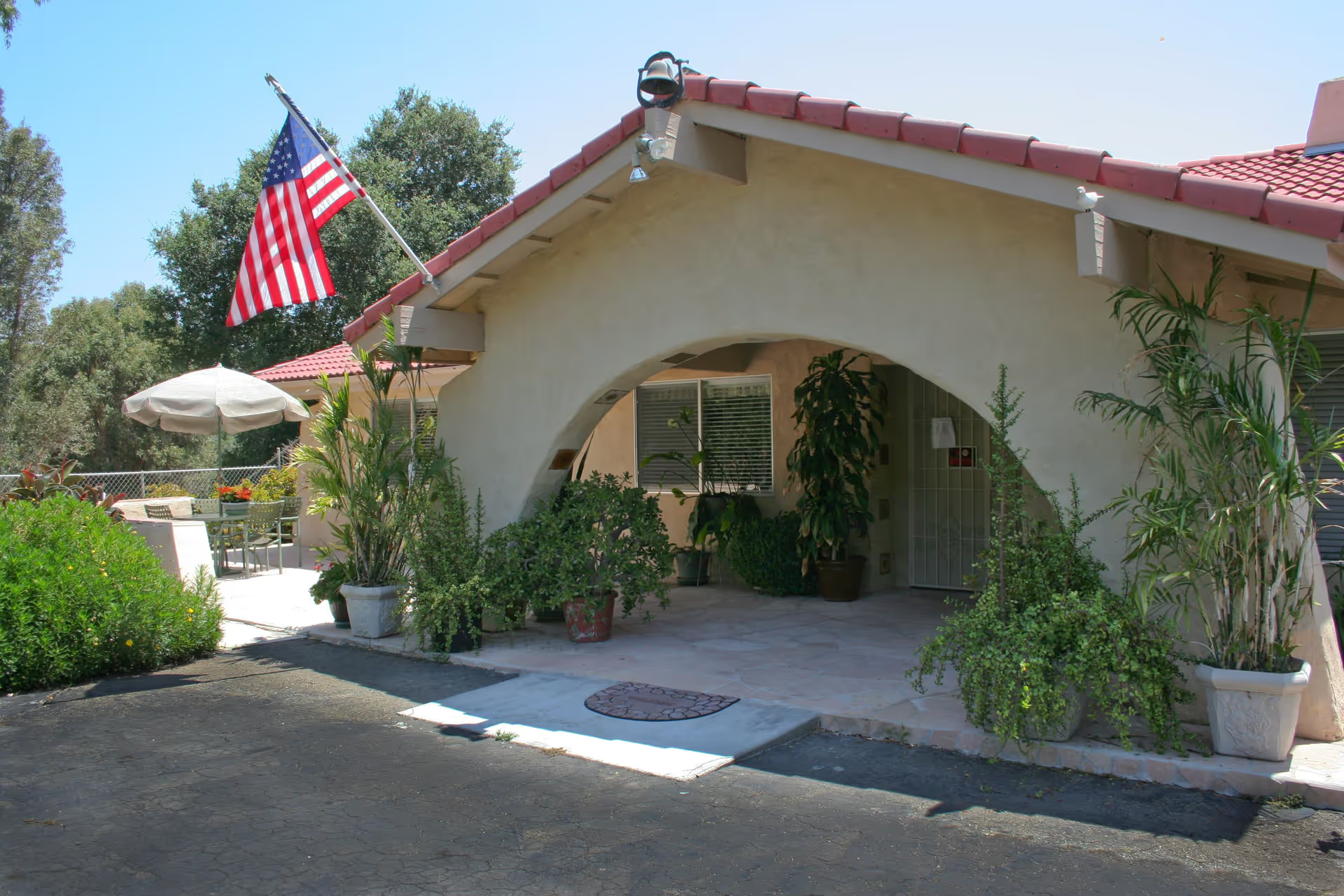
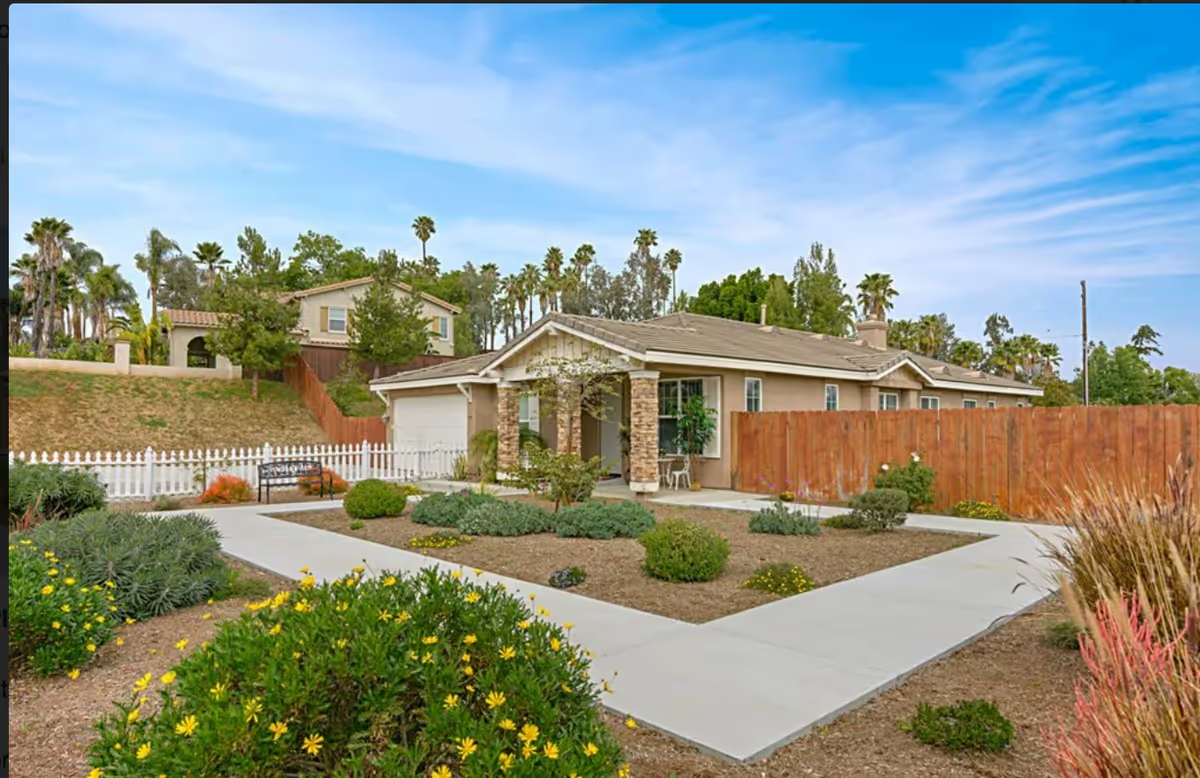
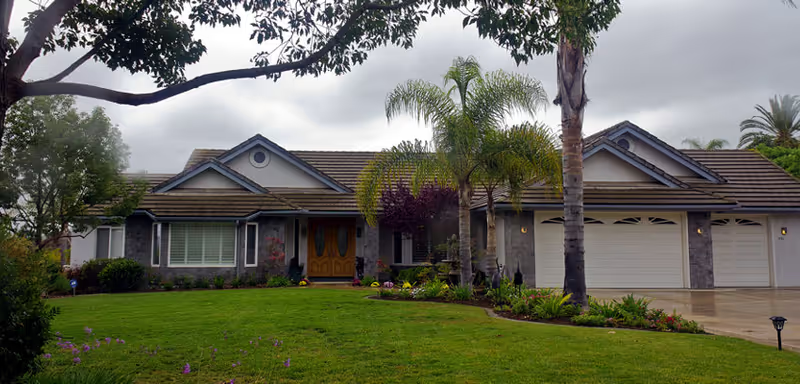
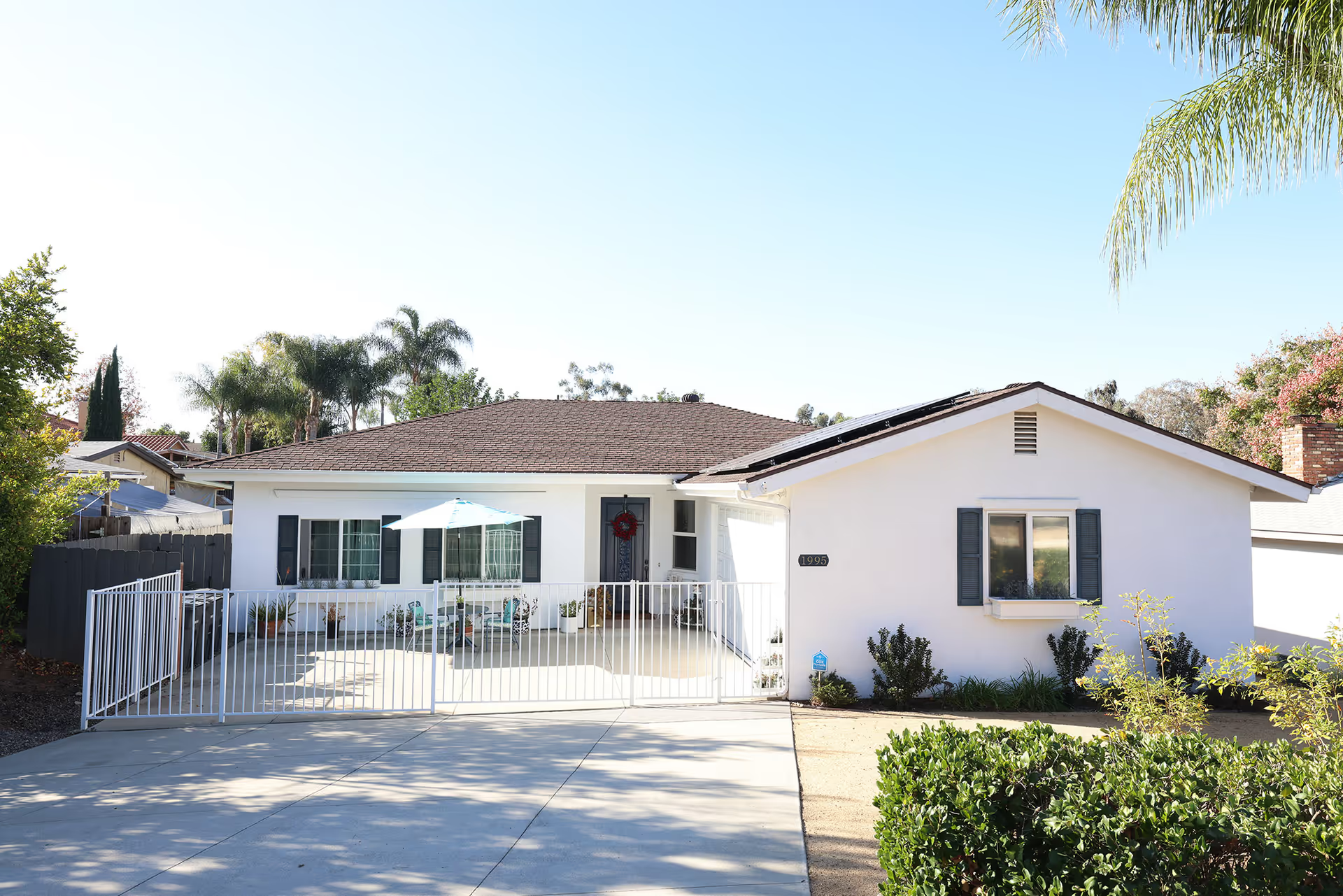
Facilities and environment: The physical setting receives favorable comments — clean, well-kept interiors, spacious rooms, and wide doors that facilitate outdoor access. The facility’s quiet, semi-rural location is repeatedly described as peaceful and conducive to a home-like atmosphere. These attributes support mobility and a calm residential feel.
Management and administration: Despite strengths at the caregiving level, several reviewers raised concerns about management continuity and professionalism during ownership or staffing transitions. Comments reference unease around an ownership change and isolated descriptions of unprofessional administrative behavior. At the same time, other reviewers highlight the owner’s responsiveness and positive changes under new staff, indicating variability in administrative experience. These observations suggest potential instability or unevenness in leadership and communication practices rather than pervasive operational failure.
Notable patterns and recommendations: The reviews collectively point to a facility with clear strengths in staff-resident relationships, cleanliness, comfortable living spaces, and food quality. The principal area for further inquiry is leadership continuity and administrative communication — prospective residents and families should ask about recent ownership or management changes, staff turnover rates, and the facility’s communication protocols for families. Visiting during a mealtime, observing staff–resident interactions, touring a resident room and outdoor access, and speaking directly with the owner or administrator can help confirm whether the positive caregiving culture is backed by consistent administrative practices.