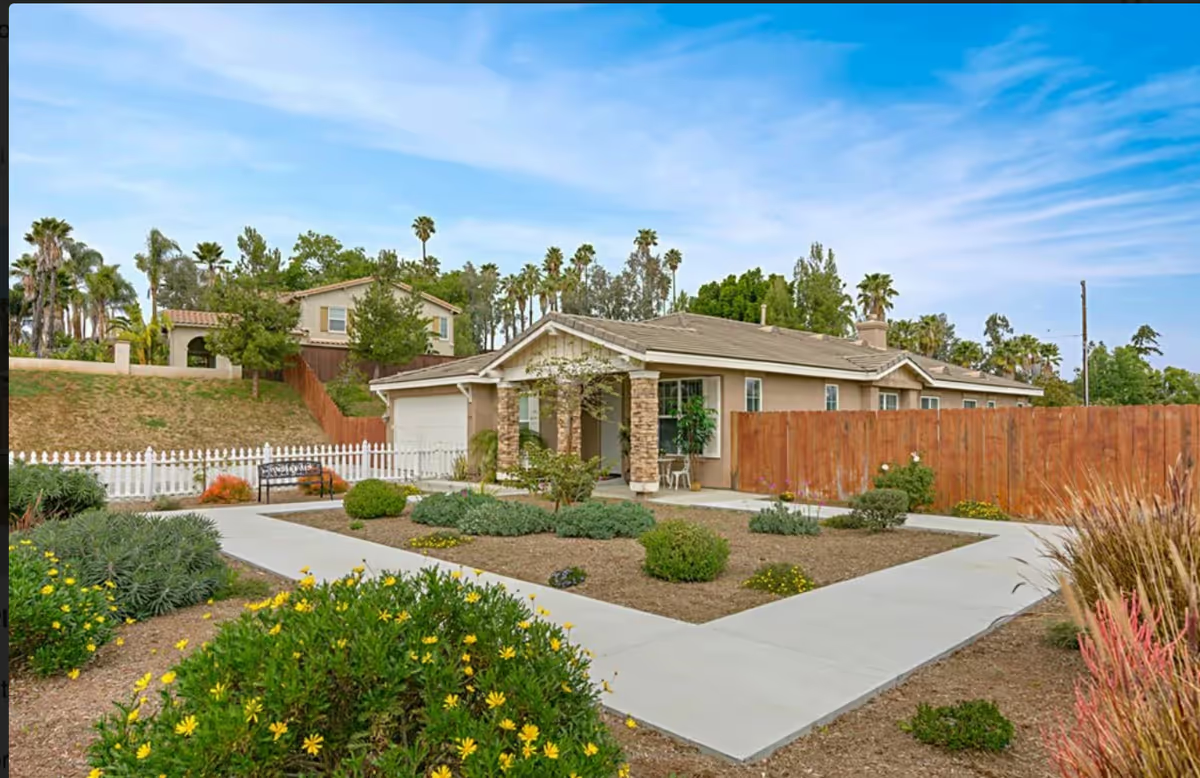
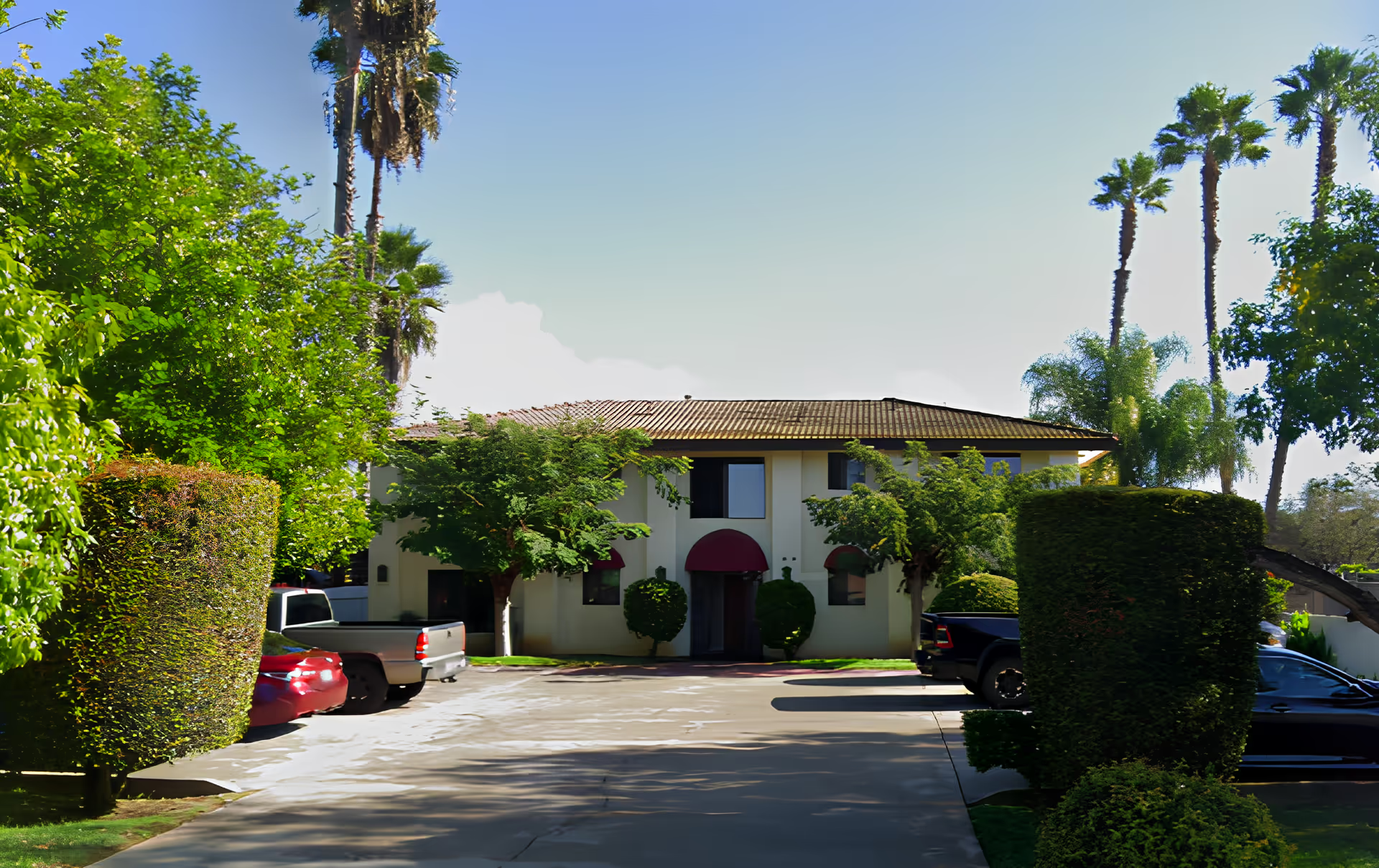
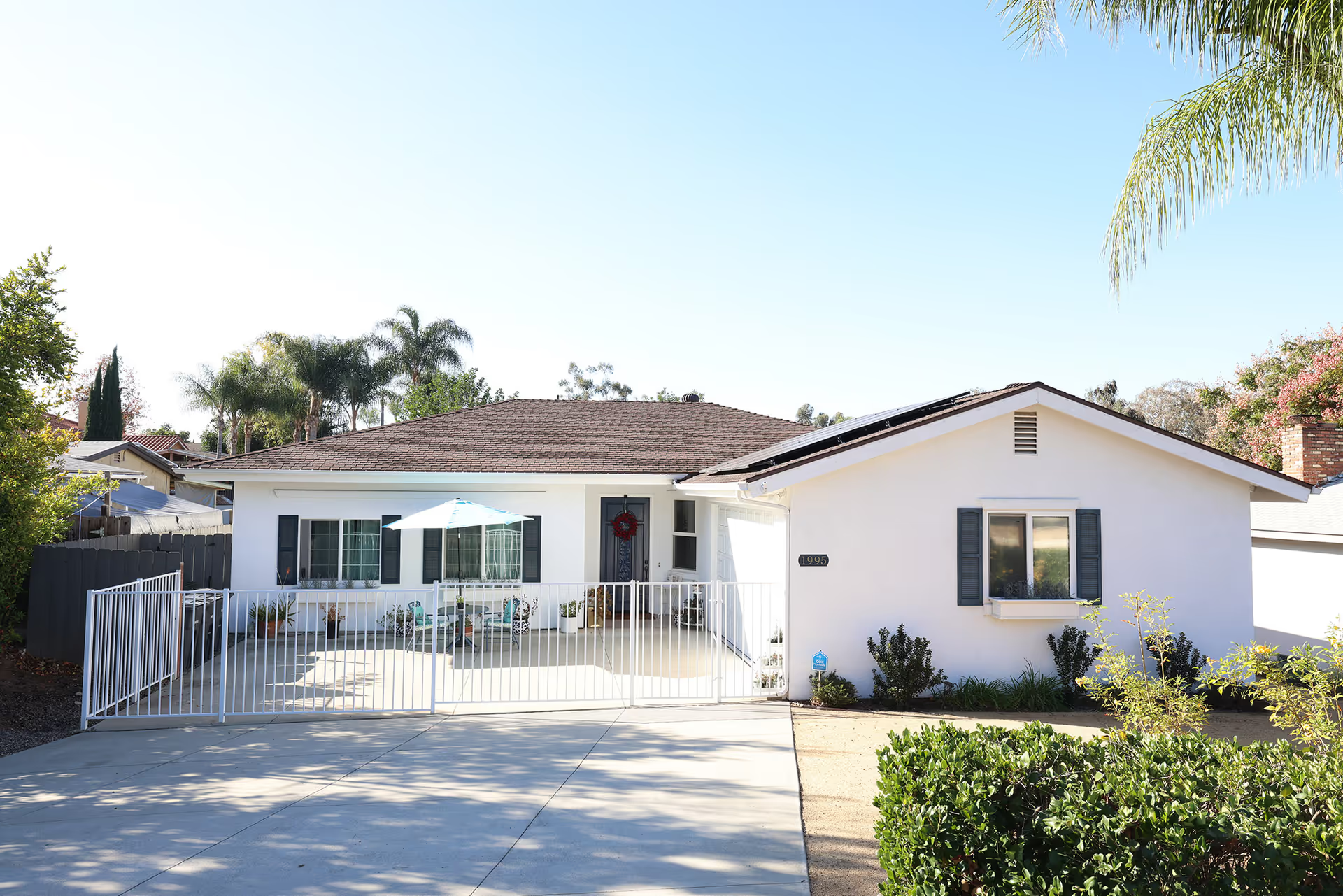
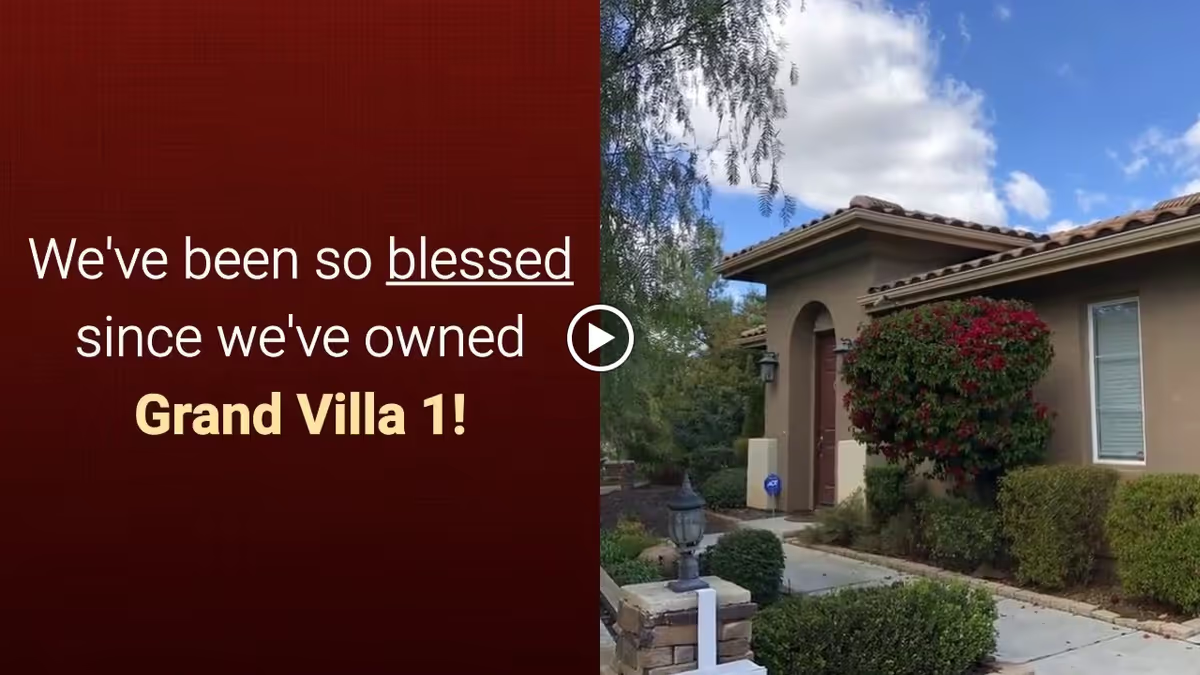
Overall impression: The facility is consistently described as a small, well-maintained residential care home with strong emphasis on personalized, family-oriented care. Review content emphasizes a clean, odor-free environment and modern finishes (wood and cherry floors, stainless-steel appliances, granite counters, high ceilings, recessed lighting) that contribute to a comfortable aesthetic. The property features attractive outdoor amenities — stone patios, landscaped pathways, backyard barbecue area — and energy-conscious upgrades such as solar panels.
Care and staff: Care quality is a prominent strength. Staff are characterized as caring, patient, and respectful; families describe staff treating residents like family and being available to assist at all hours. Reviewers highlight responsiveness to requests, compassionate clinical support during transitions, and explicit hospice-capable services and end-of-life support. These reports point to a consistent culture of personalized attention and emotional support for residents and families.
Dining, activities, and daily life: While reviews reference a well-appointed kitchen area and family-centered events (backyard gatherings), there is little direct commentary on formal dining menus or an activities calendar. The physical setting — spacious rooms, climate control, and private outdoor space — supports family visits and small social activities. The home-like scale appears to foster close family engagement rather than large-group programming.
Facilities and cleanliness: Cleanliness and maintenance are repeatedly noted as strengths. Interior and exterior spaces receive frequent positive mention for being spotless, well-kept, and free of odors. The house is described as relatively new or recently renovated, which aligns with reported modern finishes and overall upkeep.
Management, availability, and cost: Two operational themes temper the overwhelmingly positive comments. First, the home’s small size and limited number of rooms lead to constrained availability and limited options (for example, private rooms only at times), which can be a poor fit for residents who prefer shared accommodations or specific room arrangements. Second, pricing is perceived as on the higher side; several families felt the cost was justified by the level of service, but affordability and value are considerations for prospective residents. There is also a pattern of mixed impressions about management tone: while many describe warm, family-like interactions with caregivers, others note a more transactional or businesslike atmosphere and variability in communication style from leadership. These contrasting impressions suggest some inconsistency in front-office interactions or expectations around communication.
Notable patterns and guidance: The strongest, most consistent positives are staff compassion, personalized care, cleanliness, and a pleasant physical environment. The main operational limitations are capacity constraints, cost, and occasional variability in management communication or atmosphere. Prospective residents and families should verify current room-type availability, confirm pricing and what is included in the fee, observe staff–resident interactions during different shifts, and discuss nighttime monitoring and roommate/room-configuration options to ensure the home matches the resident’s privacy and sleeping preferences.