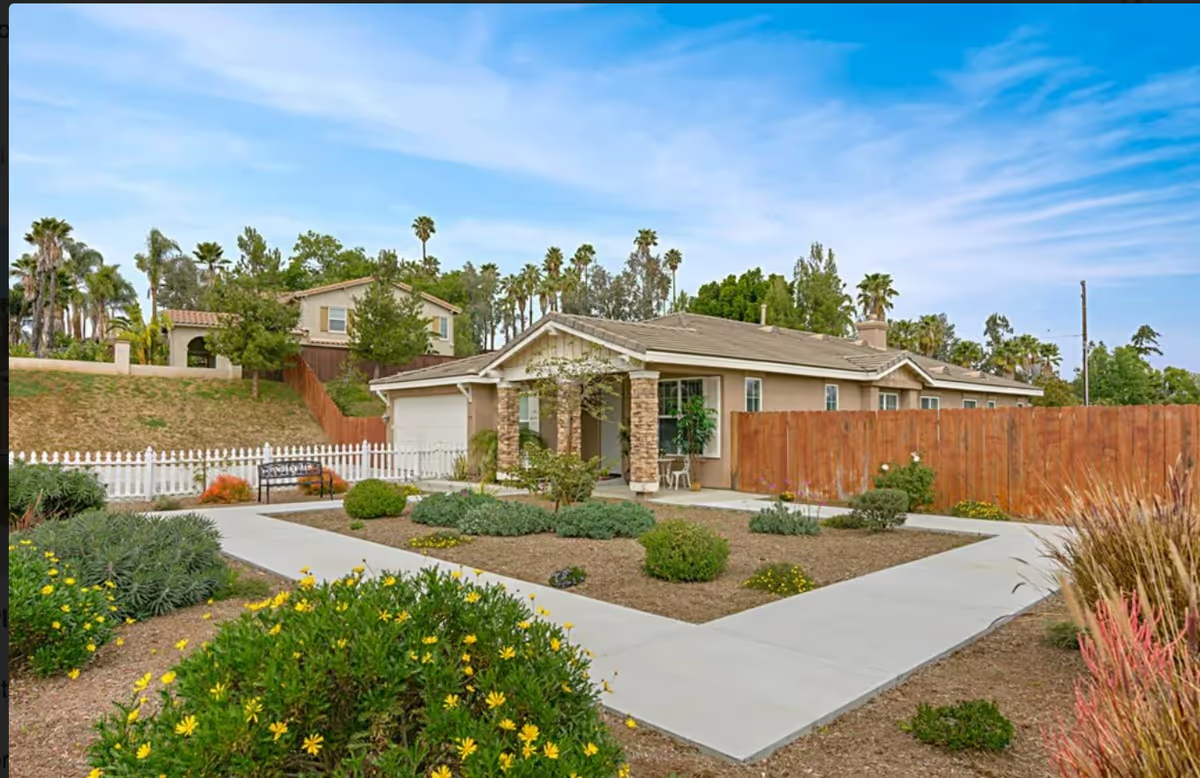
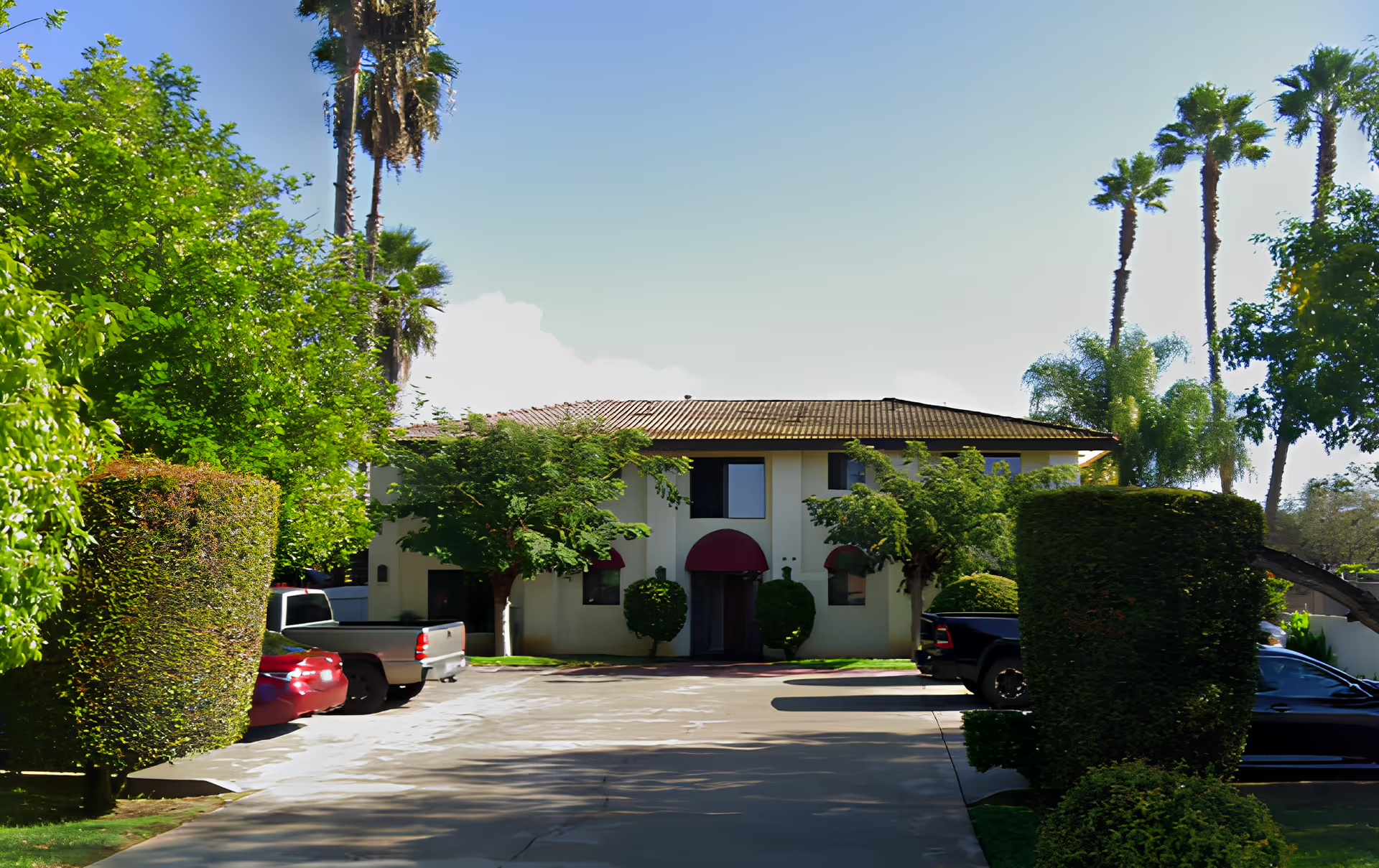
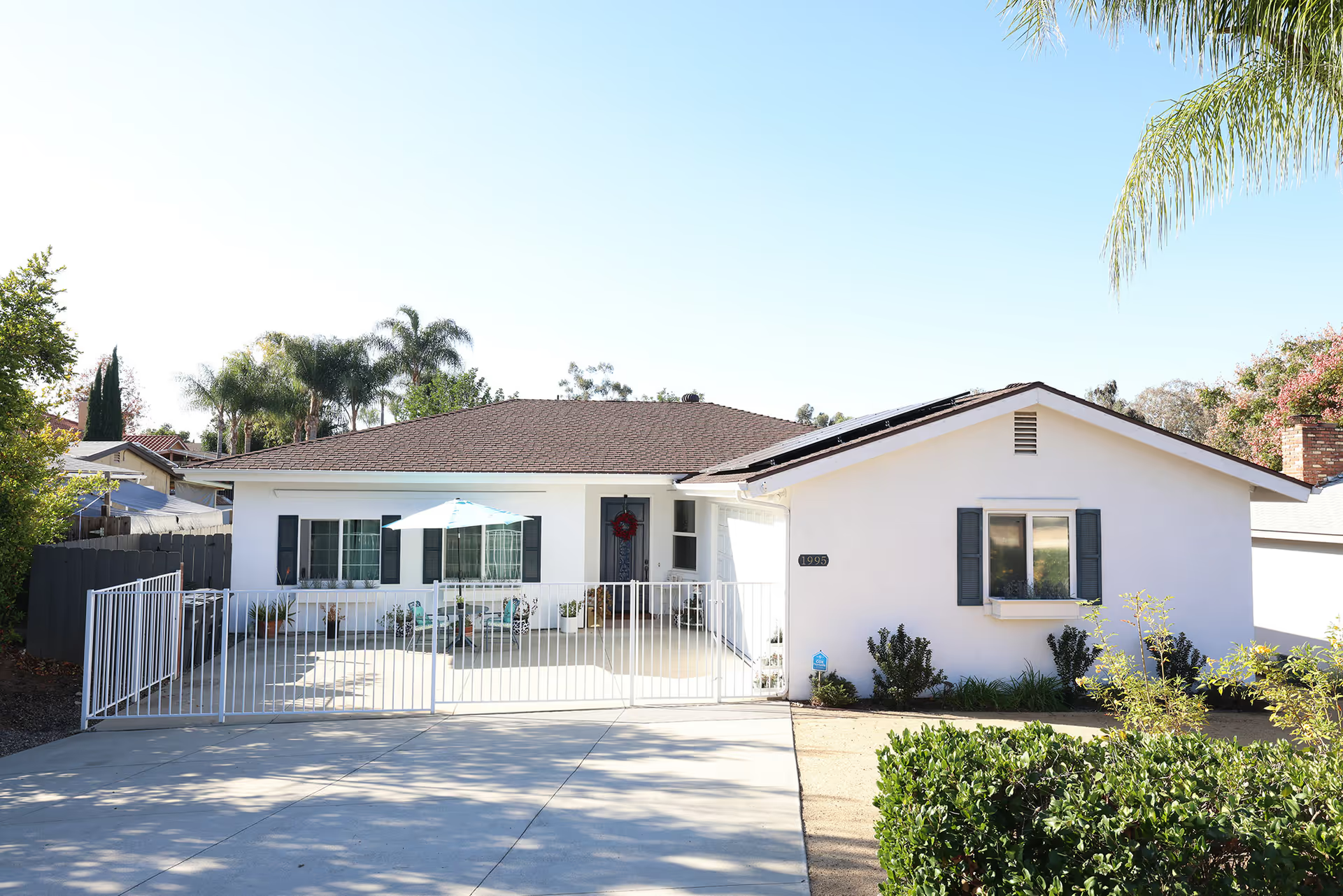
Crestview Manor presents as a small, historic assisted-living residence with a strong emphasis on a home-like, family atmosphere. The facility’s conversion from a historic estate gives it charm and attractive outdoor spaces; reviewers consistently highlight well-kept landscaping, broad porch and valley/mountain views. Its modest scale (about 35 residents) supports close interpersonal connections and a sense of camaraderie among residents.
Care and staff performance are the facility’s most frequently noted strengths. Staff are described as compassionate, professional, and proactive — providing personalized morning care, assistance with bathing and dressing, medication management, and escorting residents to meals. Families and residents describe improved mobility and greater calm following placement, and reviewers often praise caregivers for going beyond routine duties to support residents’ well‑being.
Dining and activities are positioned as active selling points. The community offers three meals a day in a large, nicely appointed dining room with rotating menus (noted to change every six weeks) and multiple options for selective eaters. Activity programming includes organized exercise classes, BINGO, crafts, church services, a library, and frequent live piano music and sing-alongs that contribute to a warm social environment and seasonal events such as holiday caroling.
The physical plant reflects its historic character, which brings aesthetic value but also operational trade‑offs. Rooms are described as comfortable and in some cases charming, but many are small — potentially constraining mobility aids or larger furnishings. Bathroom setups tend to use tubs with seated showers rather than roll-in or fully accessible shower designs; this and the facility’s hilly site can make accessibility more challenging for residents with greater mobility needs. There are also some shared-room configurations and a limited set of modern recreational amenities (for example, no pool or spa). A minority of notes reference odor or cleanliness concerns in particular areas, suggesting those issues are not universal but worth inspecting on a visit.
Management and communication receive positive mentions for being attentive and communicative with families; several comments emphasize reasonable pricing relative to the level of service. The overall pattern is one of a well‑staffed, caring assisted‑living option with strong social and dining programs, best suited to residents who value historic charm, small-community living, and engaging activities. Prospective residents and families should arrange an in‑person visit to assess room size and bathroom accessibility for specific mobility needs, and to confirm current activity schedules and any ongoing maintenance or sanitation follow-ups.