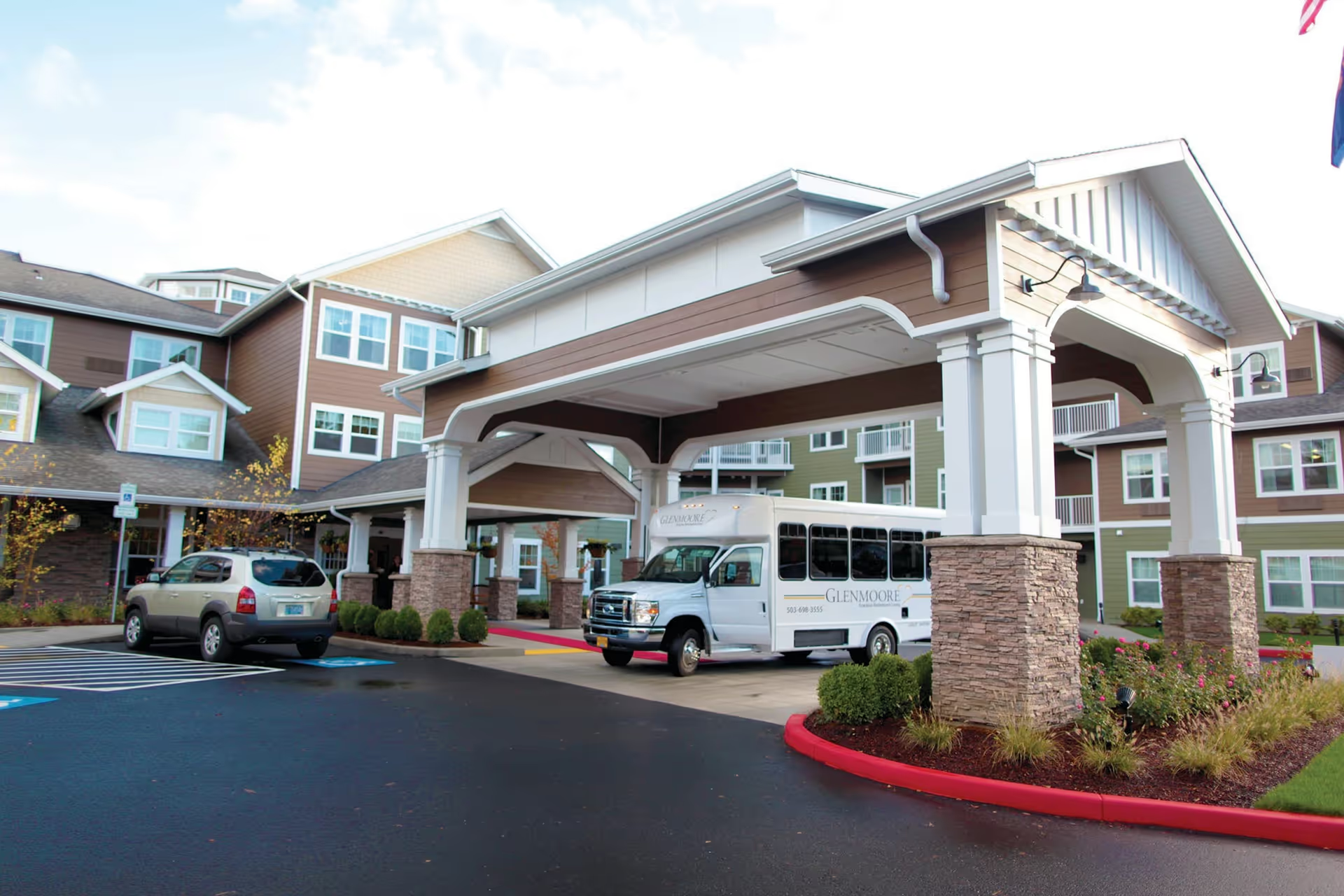
Overall impression: Reviews present a polarized picture. Many families praise the facility for its compassionate caregiving, robust activity program, and attractive, recently renovated environment. At the same time, recurring operational issues—especially around staffing, sanitation, and administrative responsiveness—are a consistent source of concern. Prospective families should weigh the facility's strong programmatic and environmental features against these operational patterns when evaluating fit.
Care and staff: Positive commentary centers on caring, attentive caregivers, a favorable staff-to-resident ratio at times, and 24-hour clinical oversight. Several reviews singled out individual leaders and frontline staff for dignity-focused, patient care. However, a pattern of leadership and frontline turnover was frequently noted, along with increased use of agency or temporary personnel. Reviewers described variability in staff experience and training, which has translated for some families into inconsistent responsiveness, delays in attending to personal-care needs, and concerns about medication practices. These are described as operational gaps in continuity of care rather than uniformly poor clinical intent; many families still reported compassionate and competent interactions from regular staff.
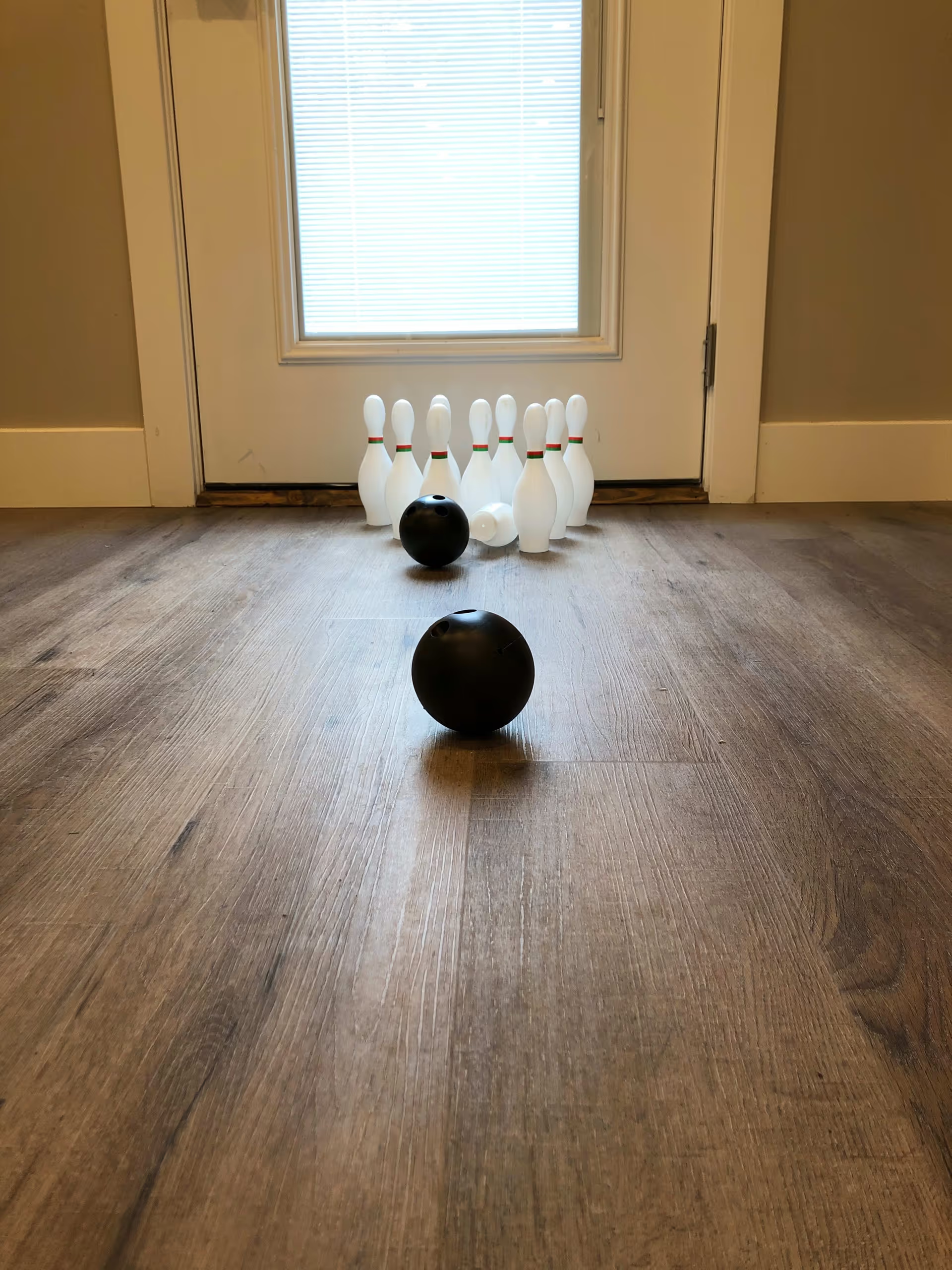
Dining and activities: The facility is widely recognized for an active programming calendar—live music, crafts, bingo, church services, outings, and a range of indoor recreation—and for fostering social dining with varied menus, desserts, and finger-food options. Activity spaces, a library, and dedicated rooms support resident engagement. Nevertheless, a subset of comments raises concerns about meal-service continuity and feeding assistance for residents who require help; in those cases families noted weight or nutrition worries. Overall, dining and programming appear to be strengths when staffing and supervision are stable.
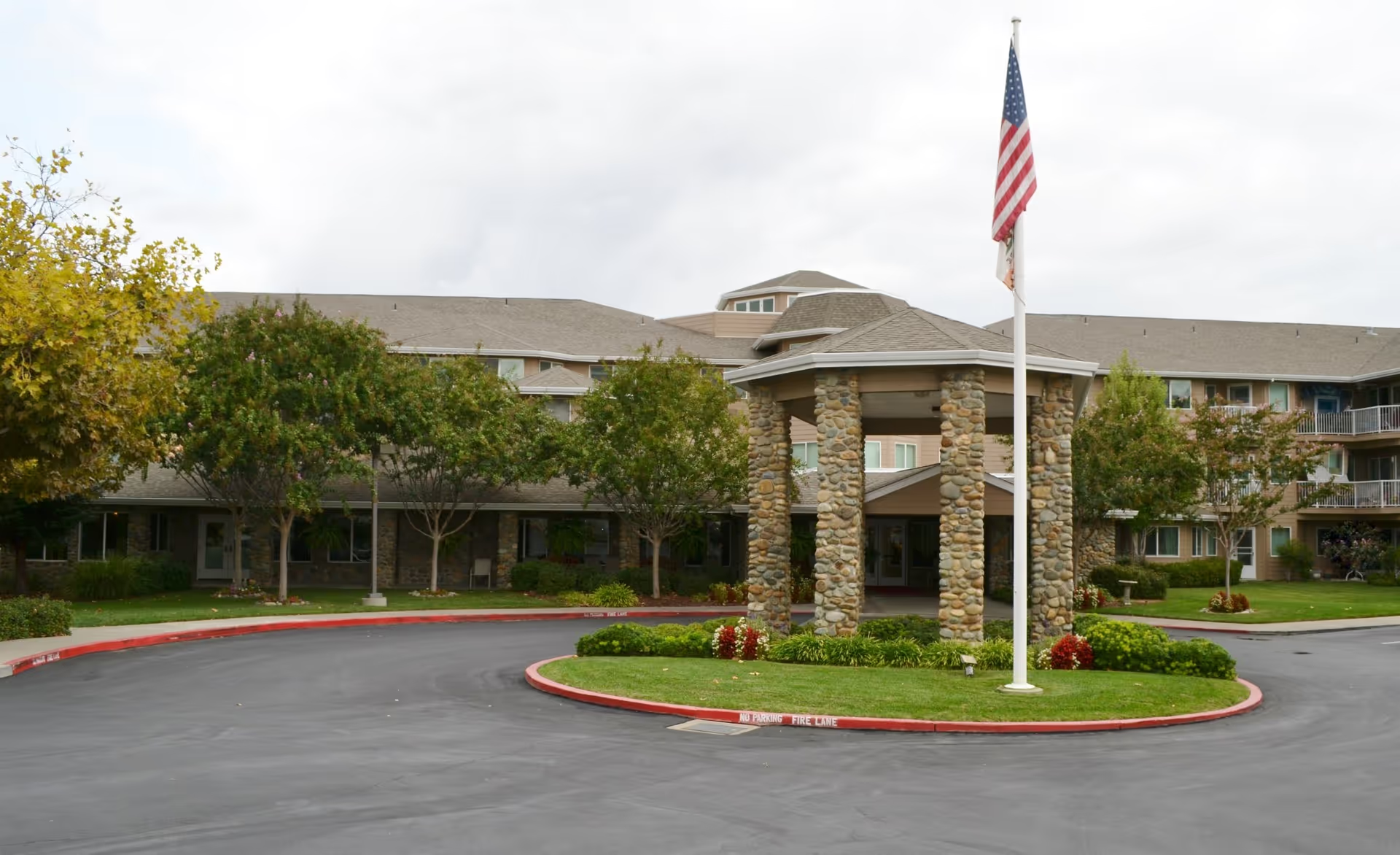
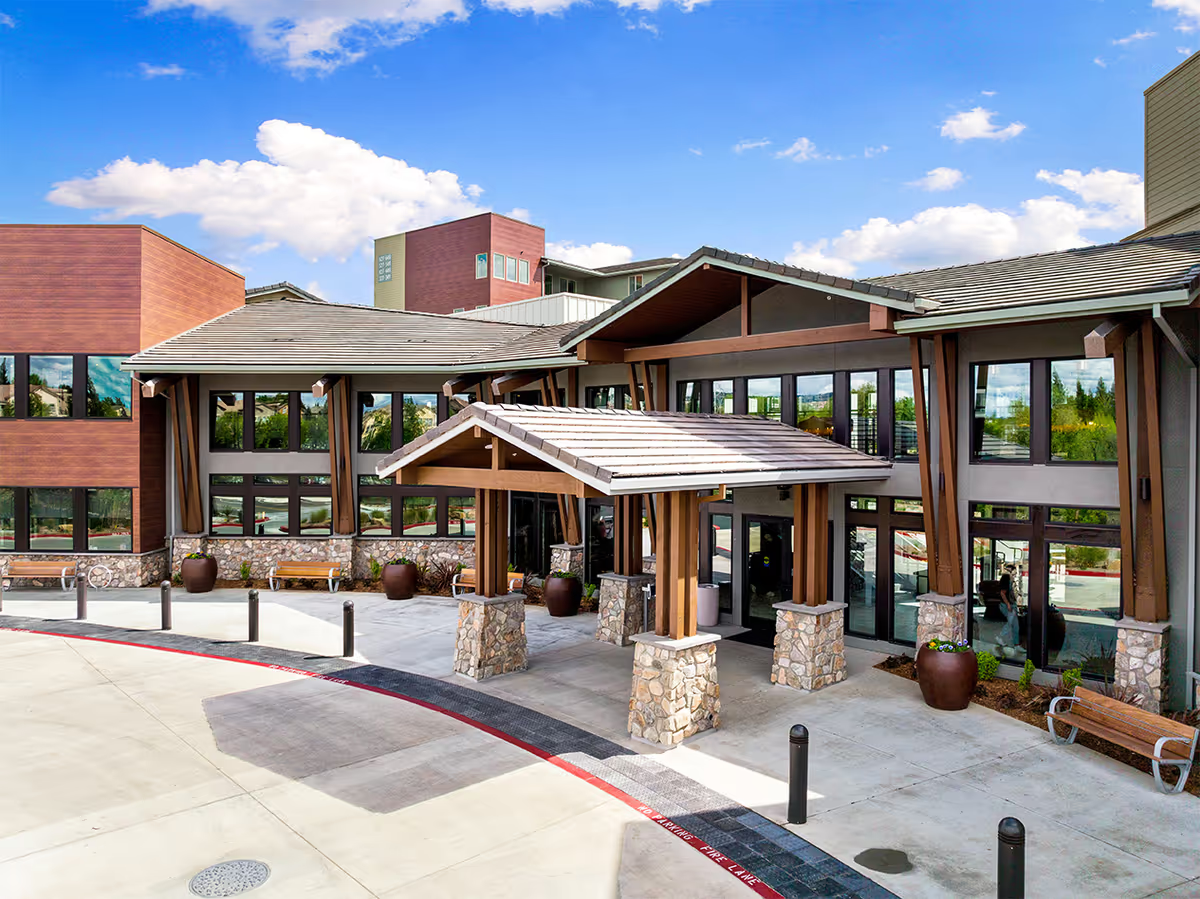
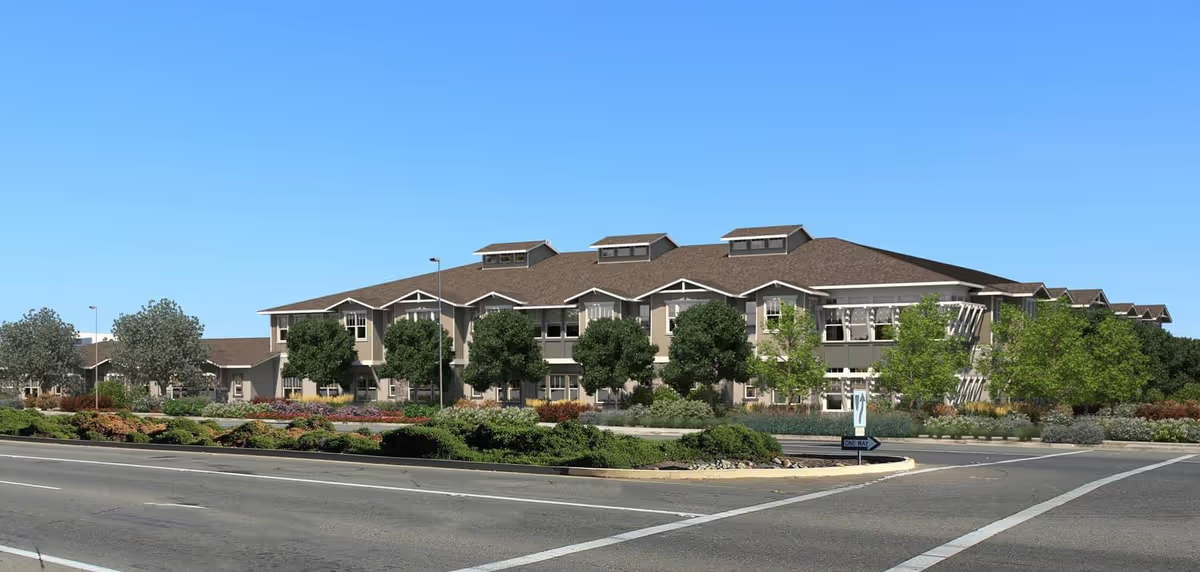
Facilities and housekeeping: The physical plant receives frequent praise—bright units, spacious hallways, new carpeting, courtyard/garden spaces, and single-floor memory-care design. Many reviewers found the facility clean, well-maintained, and pleasant. Counterbalancing this, there are specific sanitation and kitchen-hygiene concerns reported by some families, along with odor concerns in particular areas. Housekeeping responsiveness was also described variably—some accounts praise accommodating staff, while others report lapses in cleanliness or delayed personal-care routines. These mixed impressions suggest that environmental standards are attainable but may be unevenly enforced during staffing shortages or transitions.
Management and administration: Reviews reflect two distinct themes regarding leadership. Several families commend supportive administrators and a smooth admission/settling-in process; some named directors positively for hands-on engagement. Conversely, others described destabilizing leadership changes, departures of key staff, and uneven corporate support following ownership transitions. Administrative responsiveness and family communication were noted as inconsistent: some families reported clear, proactive updates, while others experienced delayed responses to billing, clinical questions, or concerns about personal items. There are also mentions of signage and branding confusion associated with ownership/name changes.
Notable patterns and guidance: The dominant positive themes are strong activity programming, an attractive physical environment, and many instances of compassionate, knowledgeable staff. Dominant negative themes are operational: staffing continuity, training consistency, sanitation controls, medication-management processes, and variable family communication. These patterns suggest the facility can provide a high quality of life and memory-care programming when stable teams are in place, but that performance may fluctuate during turnover or when agency staff are heavily relied upon. Prospective families should observe current staffing levels, inquire about staff retention and training programs, ask about medication and incontinence protocols, review kitchen and housekeeping practices, and confirm lines of communication and escalation with administration before deciding.