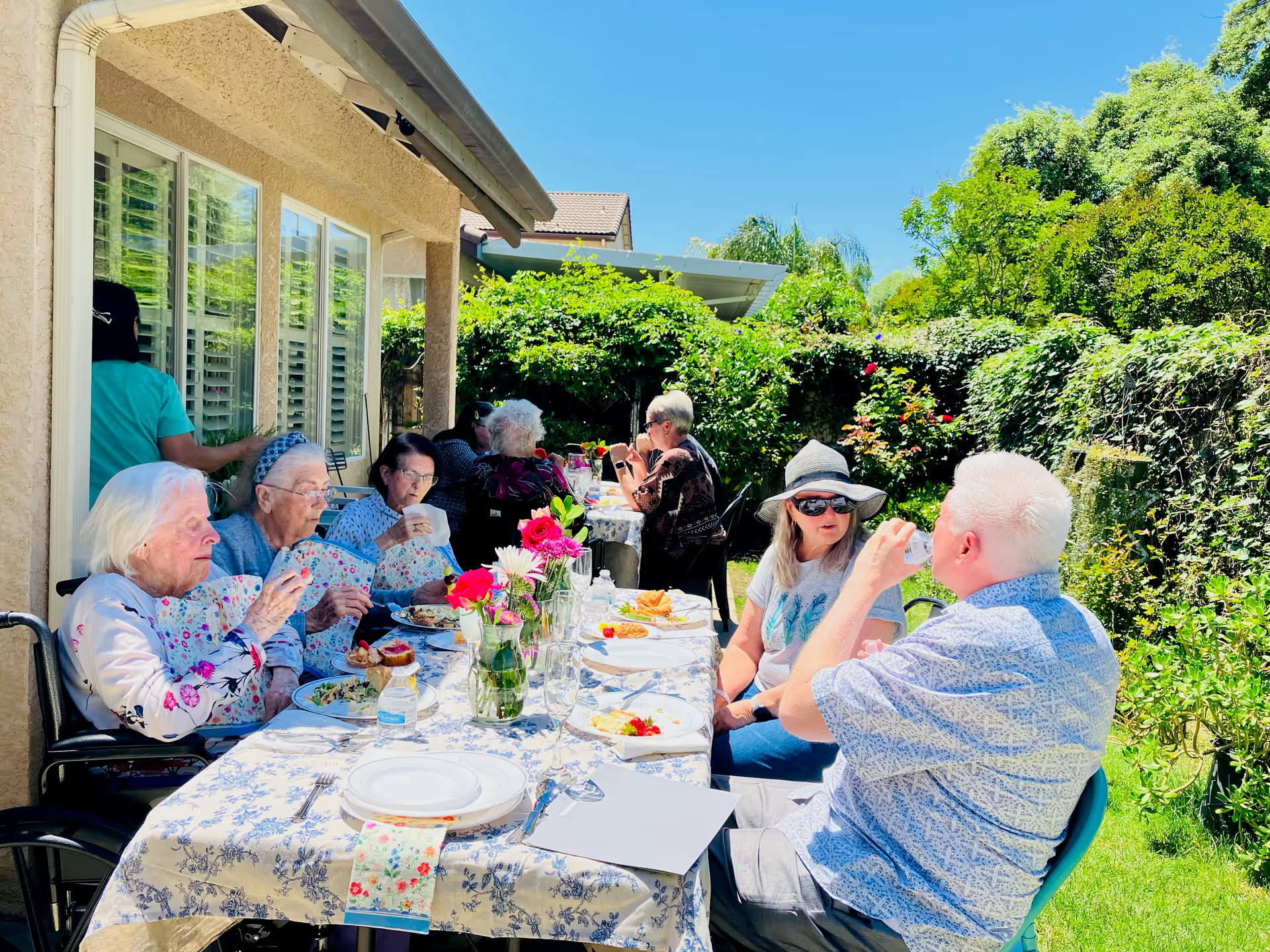
The Grove / Sunrise of Fresno presents as a well-maintained, home-like senior living community with many strengths in daily life and resident engagement. Families consistently describe clean, hotel-like interiors, attractive common areas, and thoughtfully maintained gardens. The facility is pet-friendly and offers a range of amenities — library, theater, gym, raised garden beds, and multiple activity spaces — that support socialization and daily stimulation. Living options cover studios, one-bedroom units, assisted living and memory care, which allows residents to remain in a familiar environment as needs change.
Staffing and caregiving are widely cited as the facility’s strongest attributes: reviewers note compassionate, attentive caregivers, long-tenured employees, and individualized attention including hospice coordination. Many families praised the responsiveness of nurses and aides, the chef’s flexibility for dietary needs, and the community’s emphasis on emotional enrichment through arts, music, Bible study, outings and exercise programs. This combination of interpersonal care and activity programming contributes to a generally positive day-to-day resident experience.
Dining and activities are frequently highlighted. Meals are often described as appealing, with customizable options and accommodating culinary staff; flexible dining hours and organized off-site trips are also positives. Activity programming is broad — arts and crafts, games, movie/showings, choir and faith-based groups — though a few families wished for more frequent off-premises outings. The community atmosphere is characterized as welcoming and social, with many residents forming new friendships quickly.
Despite these strengths, reviewers also identify several operational concerns prospective families should clarify. Cost and billing are prominent issues: the community is described as relatively expensive, with additional charges for medications, incontinence supplies and other services that can increase out-of-pocket expense. Staffing consistency and communication between clinical and care teams were cited as uneven in some accounts; these issues were linked to delays in care, missed handoffs, and, in a few instances, safety incidents that raise questions about night-shift checks and fall-prevention practices. Memory-care offerings show variability in layout and program delivery, and some families expressed privacy and program-structure concerns for memory-needs residents.
Management transitions and administrative practices have also affected perceptions: ownership changes and personnel turnover were described as creating temporary inefficiencies, and several reviewers advised caution around marketing and admissions interactions — including aggressive sales approaches and occasional mismatches between promised and delivered room assignments. Limited on-site walking space was noted by some as a constraint for residents who are mobile and wish to walk outdoors frequently.
For families considering this community, recommended areas to evaluate during a visit include current staffing ratios (including night coverage), formal protocols for fall prevention and clinical handoffs, exact billing practices for medications and supplies, the structure and staffing of the memory-care program, and actual availability and assignment policies for private rooms. Observing mealtime and an activity session and speaking with current residents and family members can help corroborate the community’s strengths in hospitality and engagement while clarifying the operational trade-offs related to cost, staffing, and clinical consistency.