Overall impression: Cambridge Court presents as a small, community-oriented assisted living option with a consistently noted strength in staff relationships and day-to-day care. Reviewers frequently describe caregiving teams as friendly, long-tenured, and personally attentive, creating a family-like atmosphere. Administrative staff are often described as responsive and involved; several families appreciated individualized attention during move-in and the availability of services such as medication distribution, laundry, transportation, and veterans-benefits assistance. The community’s smaller scale contributes to close resident–staff familiarity and a quieter, intimate setting for many residents.
Care and staff: The facility’s caregiving and frontline teams receive strong praise for warmth, patience, and practical assistance. Reviews indicate that staff know residents by name and offer personalized support, including help with meals and medication administration. At the same time, reviewers also describe variability in staffing coverage and occasional turnover, which some families linked to slower response times to call buttons and resident requests. There are also isolated but notable concerns about clinical responsiveness and communication; these manifest as delays in attending to calls and inconsistent coordination during clinical or administrative interactions.
Dining and activities: Dining is one of the community’s more consistently positive features. Meals are commonly described as well-presented and restaurant-style, with a broad menu and snack availability; many residents and families praised variety, portioning, and attentive dining-room staff. A subset of reviewers noted inconsistencies in meal quality and the kitchen’s ability to meet therapeutic or special-diet requirements, particularly during staff transitions. Activity programming is generally active — with music, live entertainers, crafts, clubs, church services, outings, and pet therapy cited — though participation levels and program continuity can vary in this smaller setting.
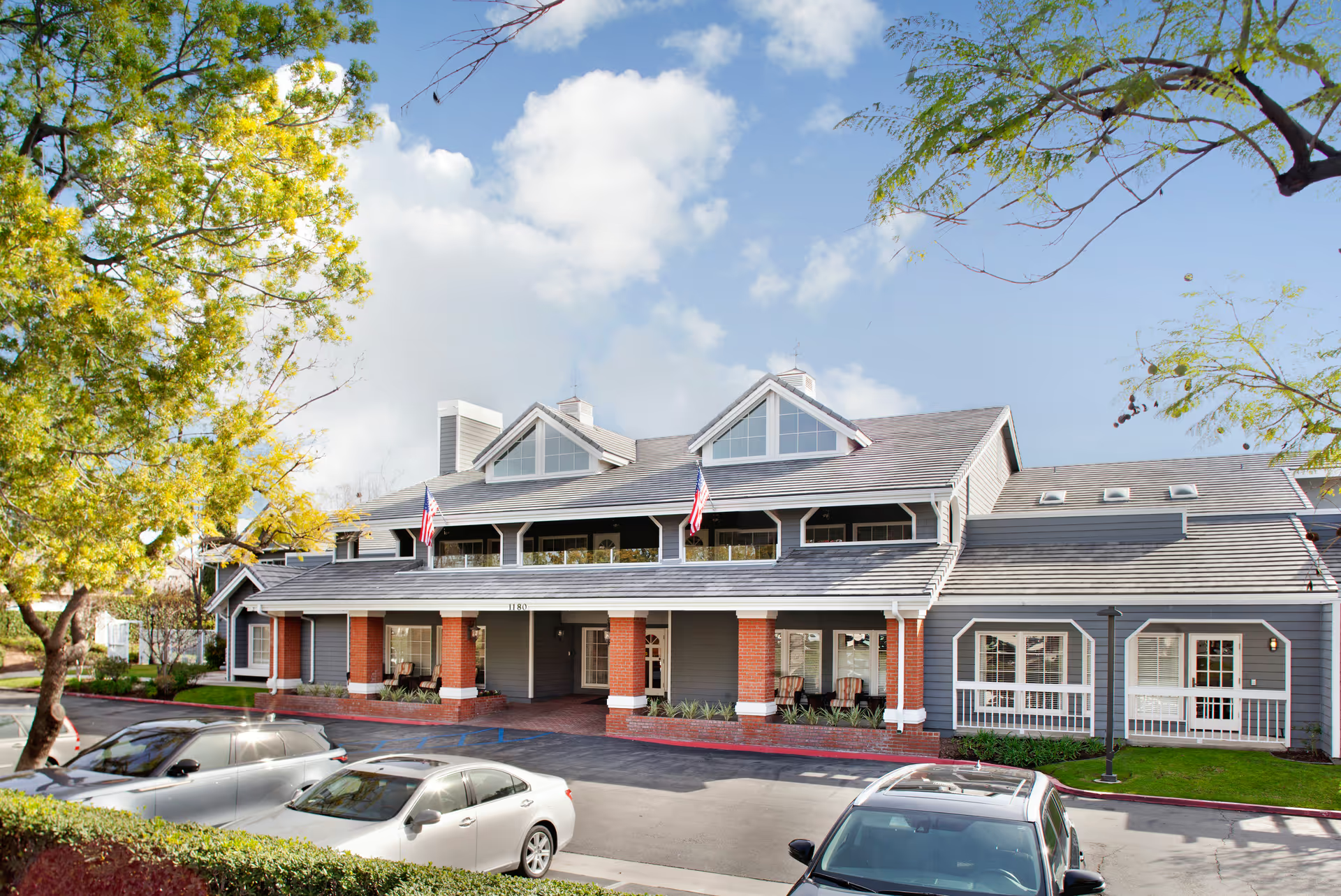
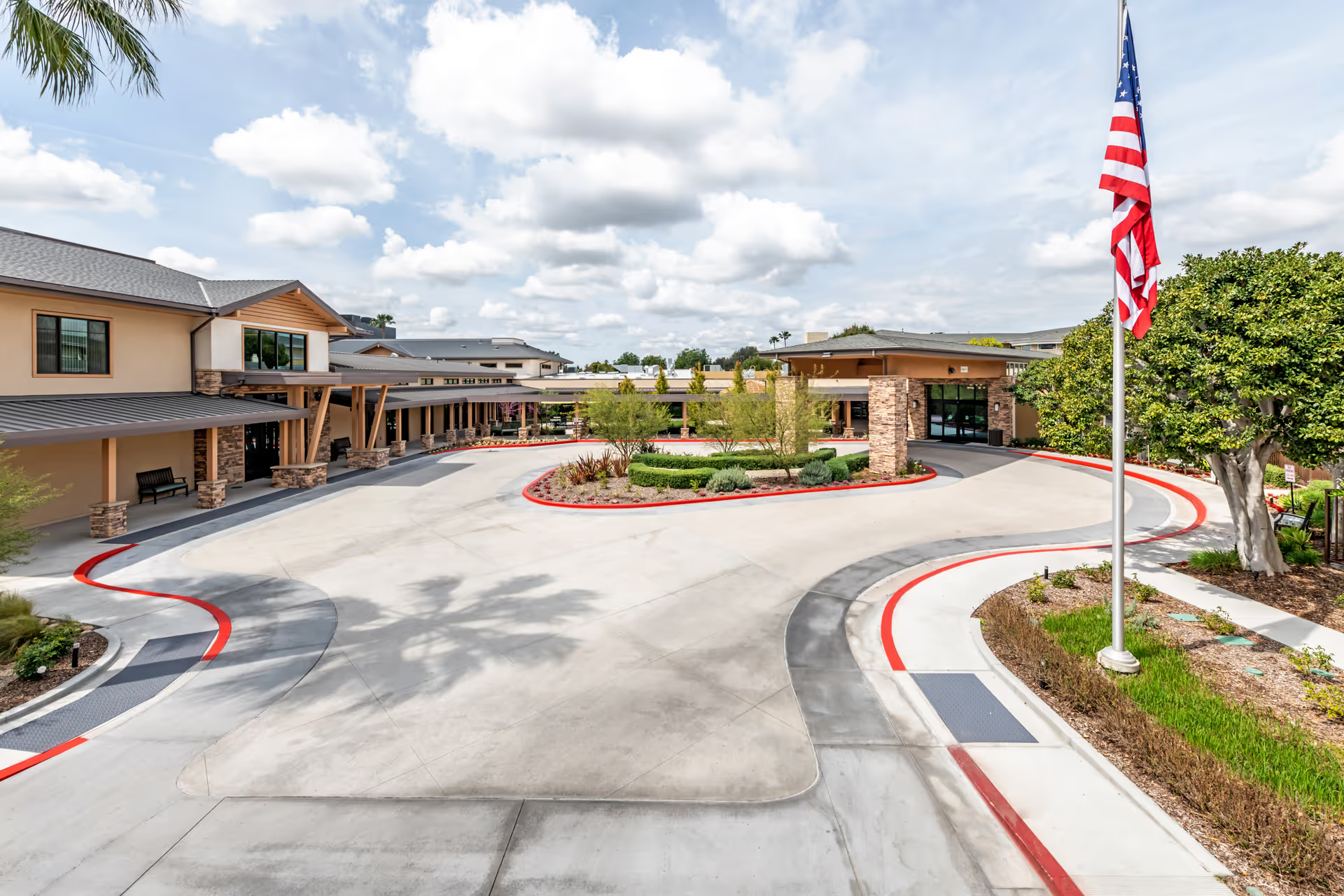
Facilities and grounds: Physically, Cambridge Court is primarily an older building with mixed cosmetic updates. Many apartments are described as spacious and comfortable, some featuring kitchenettes, sliding doors to gardens, and accessible bathrooms. The grounds, courtyard, and gardens receive positive mention for being restful and well-kept where maintained. However, the physical plant shows recurring limitations: narrow hallways, long corridors, limited interior natural light, and areas that would benefit from consistent renovation. Several comments call out cracked or uneven exterior paving, parking difficulties, and occasional odor or sanitation concerns; there are also pest-control concerns that at least some families indicated were addressed by staff.
Management, operations, and safety: Management is frequently seen as personable and hands-on, but reviews also reveal operational gaps. Admissions and tour coordination were inconsistent in some instances, with reports of late or absent tour staff and missed appointment coordination. Families expressed mixed views on pricing — some see strong value for the services provided, while others consider costs high relative to the building’s condition. Safety- and accessibility-related matters appear as recurring themes: narrow doorways and mobility-device policies create practical constraints for some residents, and there are isolated allegations concerning room security and property loss that point to potential weaknesses in room-level security practices.
Notable patterns for prospective families: Cambridge Court’s chief advantages are its caring staff, home-like culture, active programming, and well-regarded dining experience. Its principal limitations are structural and operational: an aging building with inconsistent updates, accessibility constraints, variable staffing coverage, occasional responsiveness gaps, and a handful of serious individual concerns about security and sanitation that families should clarify during a tour. Prospective residents should prioritize an in-person visit that inspects specific apartment conditions, courtyard and parking safety, accessibility (door widths and hallway clearance), current pest-control measures, staffing coverage patterns, and how the community handles special-diet needs and emergency call-response times.