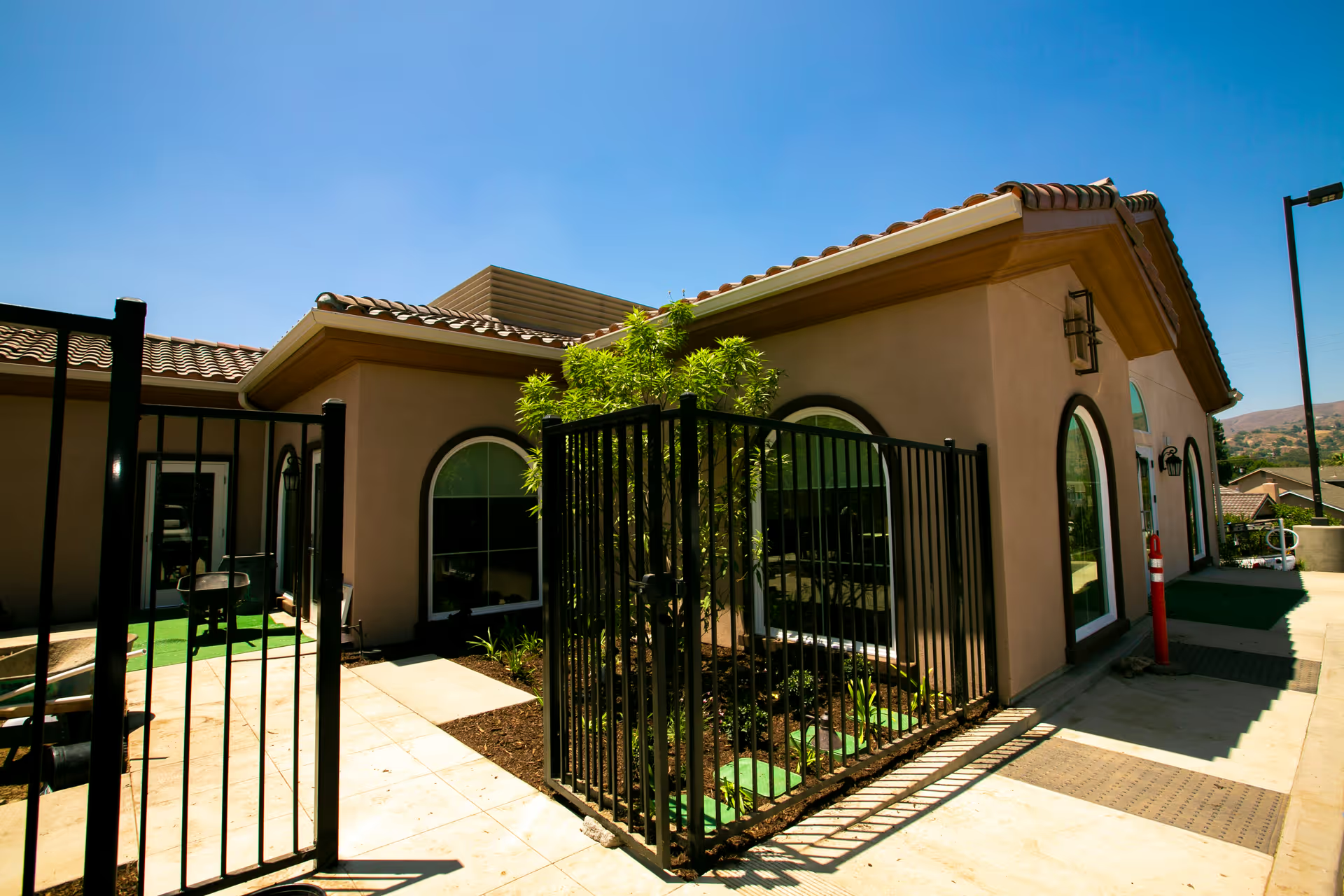
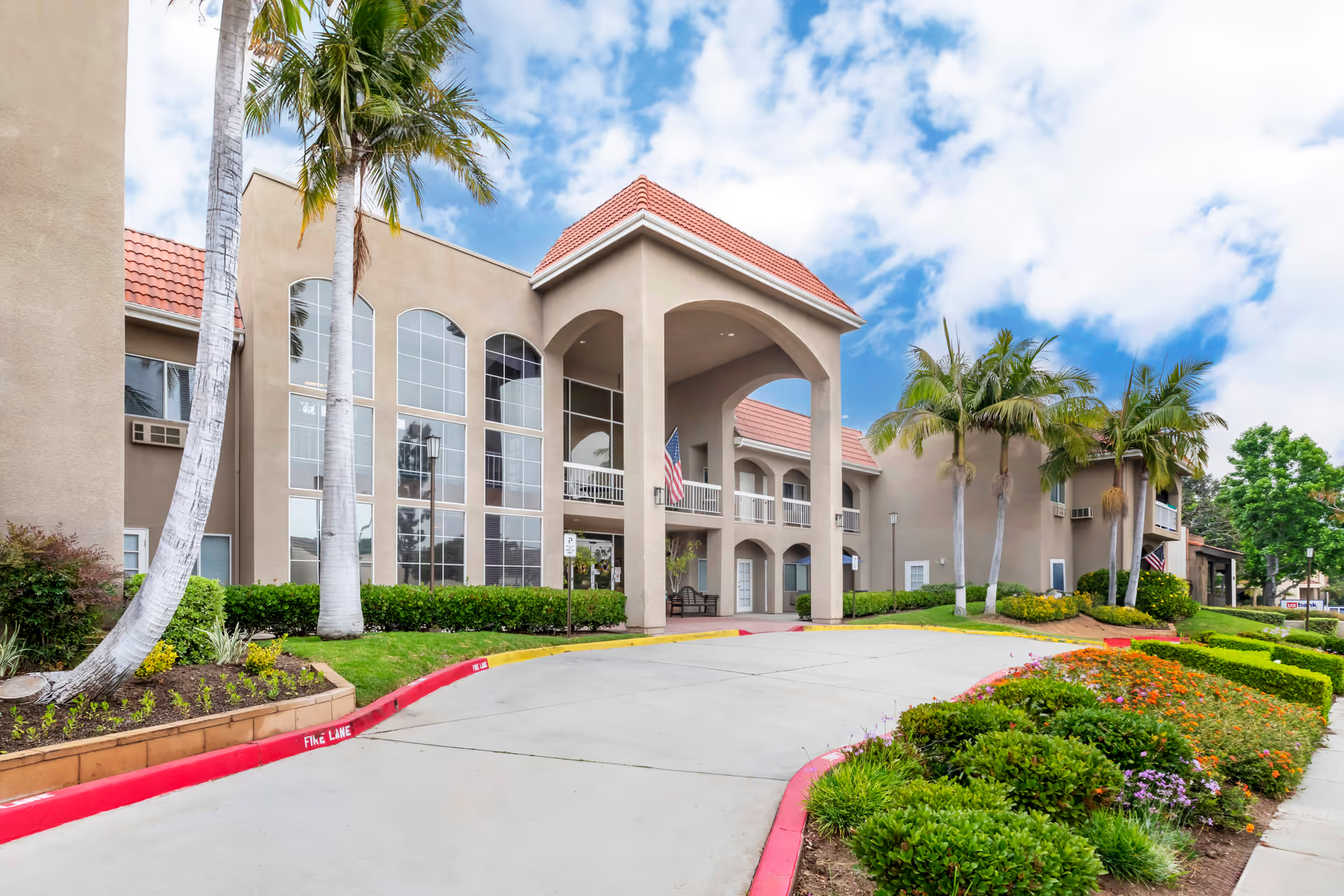
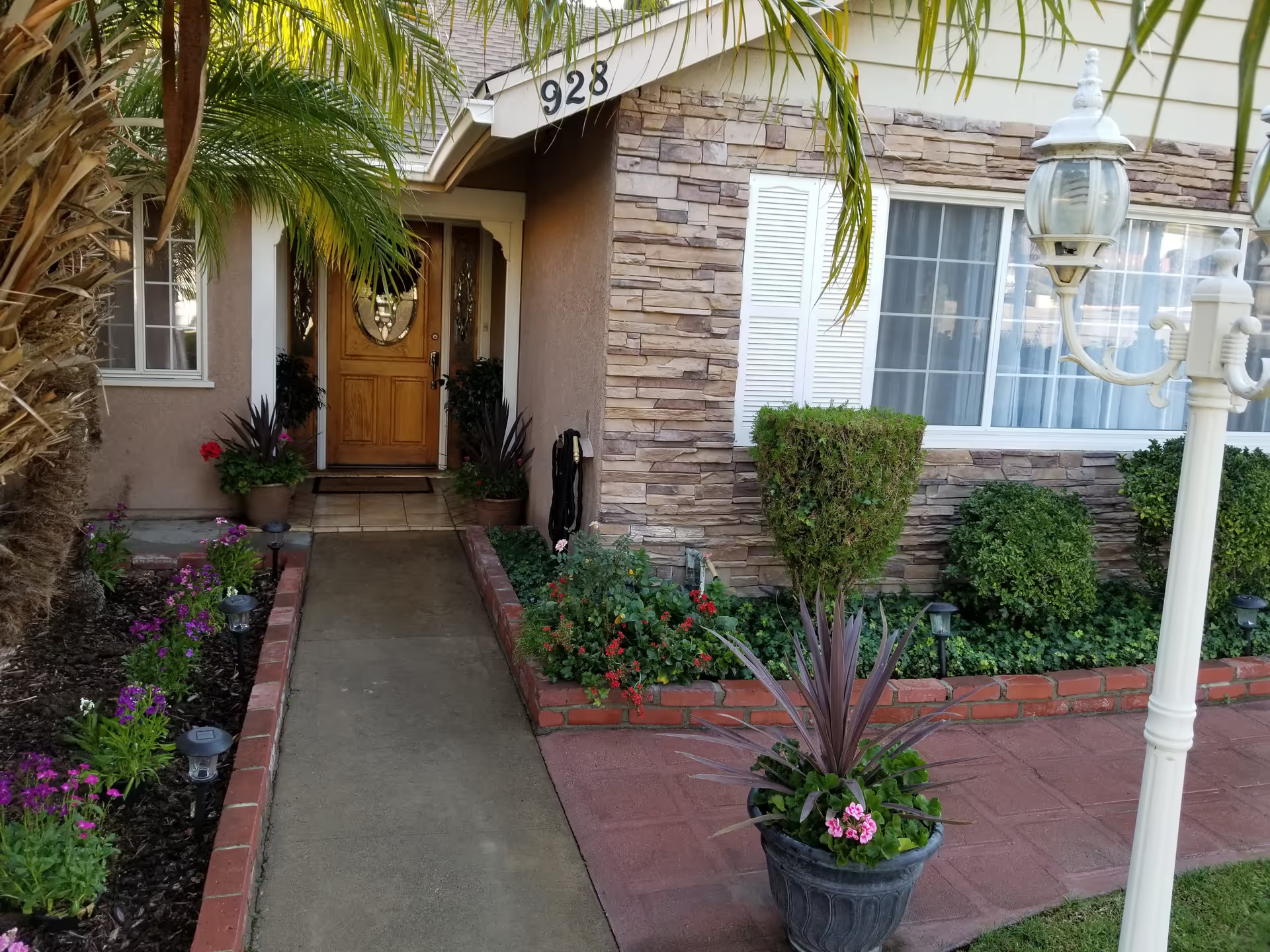
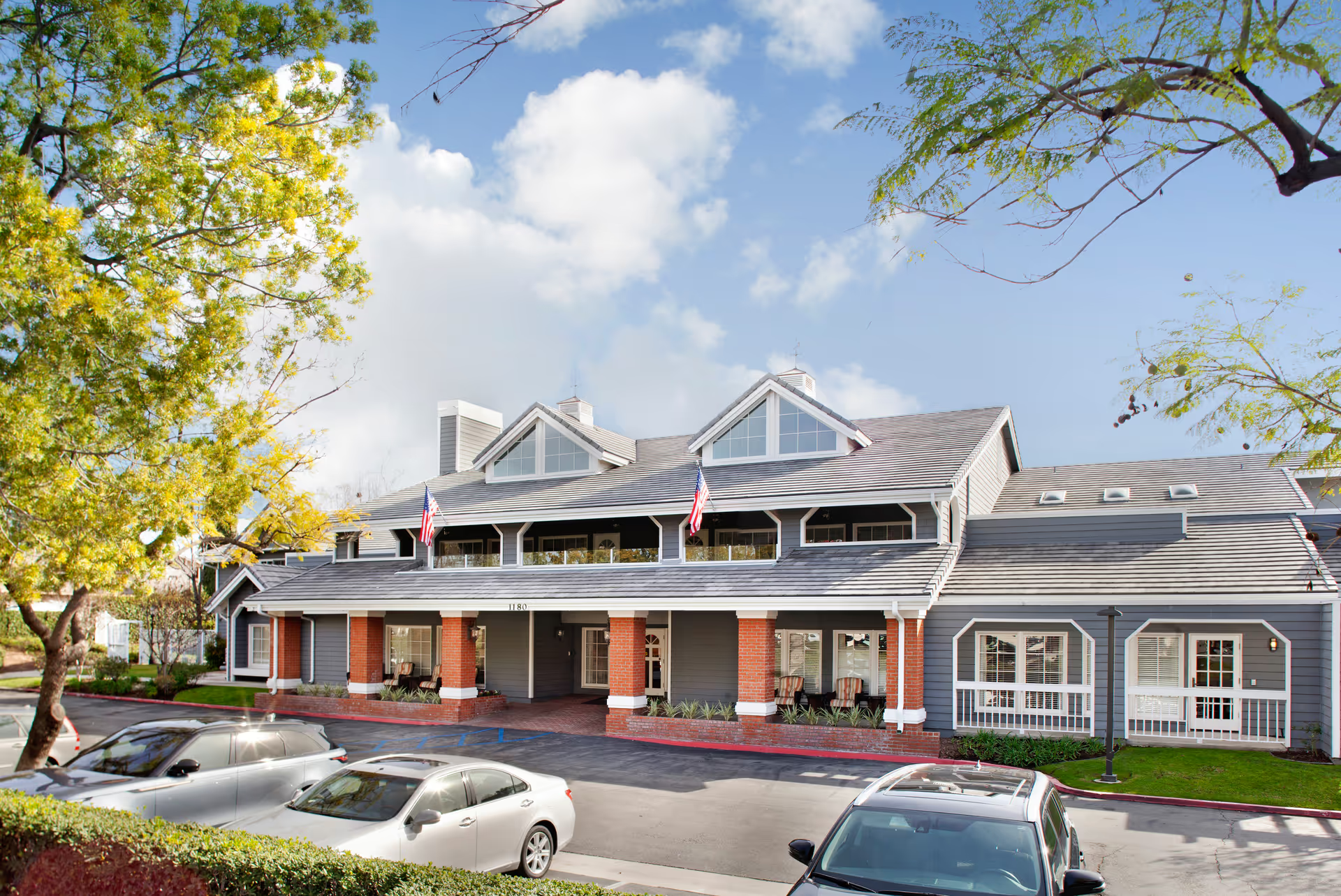
Overall impression: Park Vista Health Center presents as a facility with a stable frontline caregiving team and residential-style accommodations. Reviewers emphasize 24-hour care availability, private apartment units, and generally clean, well-maintained rooms. Many families described staff as patient, compassionate, and long-tenured, and noted that visitation is accommodated, which contributes to family confidence and a sense of continuity for residents.
Care and staff: Direct-care staff are consistently described as friendly, helpful, and experienced in working with residents who have cognitive decline. That combination of patience, familiarity, and an apparent willingness to allow family involvement is a clear strength. The facility’s staffing continuity appears to be an asset for day-to-day comfort and for families seeking predictable caregiver relationships.
Clinical and medication concerns: Some reviewers raised concerns about clinical oversight and the timeliness of medical intervention. Specific comments referenced delays in antibiotic administration and subsequent infections that affected residents’ appetite and wellbeing. These comments point to potential gaps in physician responsiveness, medication-management processes, and infection-prevention monitoring that prospective families should clarify when assessing the facility.
Mobility and equipment: The physical environment and equipment set limits on the population the facility can safely serve. Review comments indicate there are no mechanical lifts and that residents must be able to stand or perform transfers with limited assistance. As a result, Park Vista may be appropriate for individuals with mild-to-moderate mobility needs but less suitable for those requiring heavy-transfer assistance or specialized lift equipment.
Dining, activities, and management: There is limited direct feedback on activity programming and dining quality beyond the impact that clinical issues had on some residents’ eating. Management-level indicators are mixed: caregiver tenure and friendliness suggest operational stability, while the clinical and equipment-related concerns suggest areas where administrative policies, physician coverage, or clinical protocols may need strengthening. Prospective residents and families should ask about physician/coverage arrangements, medication-administration procedures, infection-prevention measures, mobility-assessment protocols, and the availability of activity programming tailored to cognitive impairment.
Notable patterns and recommendations: The pattern across feedback is one of strong personal caregiving but some clinical and equipment limitations. This facility may best serve residents who are semi-independent or have mild-to-moderate cognitive impairment and do not require mechanical lifts. Families should verify clinical response processes, lift availability, and how the facility monitors and communicates about infections and medication changes before making a placement decision.