Overall impression is mixed but leans positive for short-term rehabilitation and many aspects of daily care. The facility receives frequent praise for its rehabilitation program and therapy staff: reviewers described measurable functional gains, improved mobility, and intensive therapy sessions that supported discharge home. Nursing and therapy teams are often characterized as skilled, attentive, and encouraging; families repeatedly noted timely medication administration and routine clinical monitoring (blood sugar, temperature, vital-sign checks).
Staffing and interpersonal dynamics show variability. Many reviewers highlighted compassionate, family-focused interactions from daytime nurses, social workers, and administrative staff; social work and discharge coordination were singled out as proactive and helpful. At the same time, several comments point to inconsistent conduct and supervision across shifts, with particular concerns about evening and night coverage, slow response to call buttons, and delayed restroom assistance. These operational gaps suggest staffing levels and shift supervision affect resident experience.
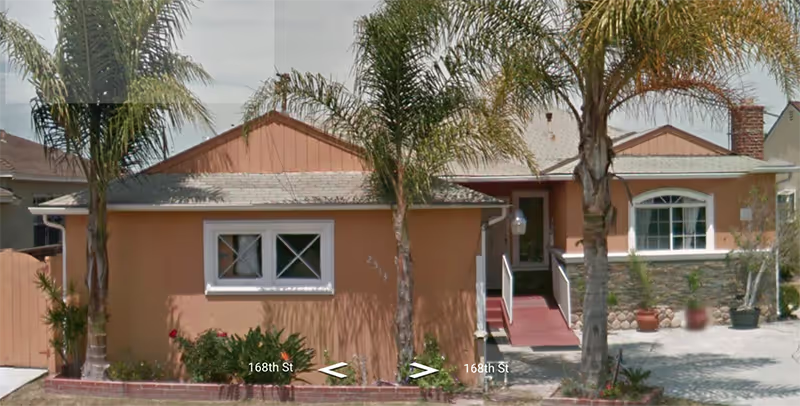
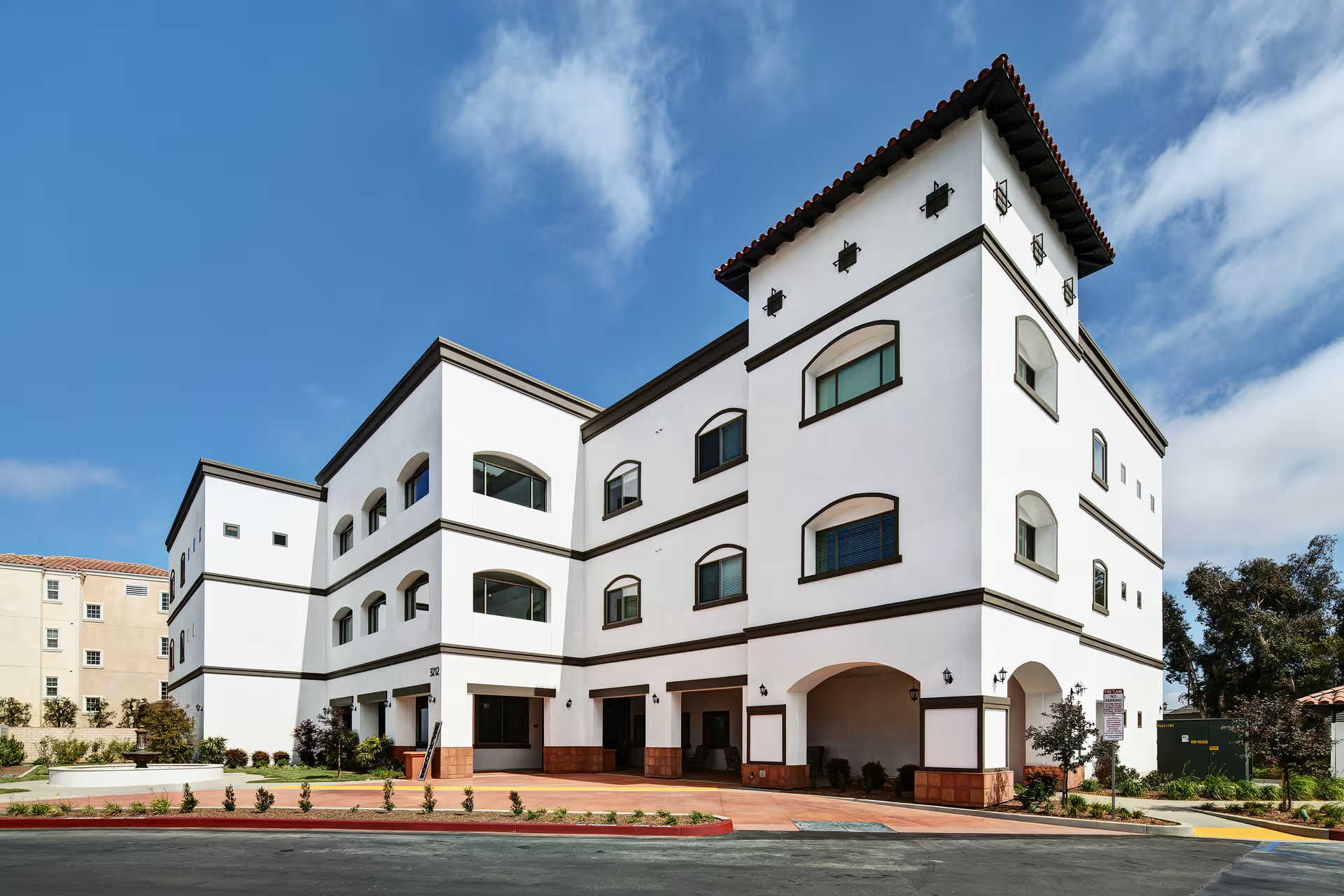
Dining, activities, and facilities are commonly viewed as strengths. Meals are described as fresh and well-presented by numerous families, and communal programming (bingo, birthday events, nail shop, group singing/prayer, and a TV/activity room) provides regular engagement. The building and rooms are noted as clean, well-maintained, and comfortable, with private room options and a patio/outdoor seating area valued for recreation and visitation. That said, reviewers also cited variability in meal quality and activity participation; some residents remain largely room-bound and do not benefit equally from group programming.
Management and quality-consistency issues emerge as recurring themes. While some families praised responsive communication and coordination with physicians, others expressed concerns about management/ownership oversight, discharge practices, and the facility's handling of infection-control events. There are also operational concerns tied to long-term care continuity — including pressure-injury prevention and incontinence-care practices — that merit attention, particularly for residents who transition from short-term rehab to longer stays.
In summary, Gardena Convalescent Center appears to perform well as a short-term rehabilitation center with many dedicated clinicians and a generally clean, welcoming environment. Prospective residents and families should weigh the facility's strong therapy services and active social support against documented variability in staffing and shift supervision, and discuss specific plans for long-term care continuity, pressure-injury prevention, toileting assistance, and outbreak communication when touring or making placement decisions.