Overview: Reviews portray Highland Manor as a facility with a clear emphasis on person-centered daily care and social programming, supported by staff who many families and residents describe as caring and available. Housekeeping and room cleanliness are frequently highlighted, as are routine medical and dental visits, scheduled transportation with advance notice, and an activities program that includes bingo, karaoke, nature documentaries and other group offerings. Several reviewers cited recent facility upgrades and improved security, contributing to an improved physical environment.
Care and staff: The prevailing impression is of a workforce that is compassionate and engaged. Multiple comments single out frontline caregivers, nursing staff, kitchen and maintenance teams, and an activities director for their dedication to resident well-being. There are also endorsements of supportive management and a positive workplace culture, including examples of administrators and staff who go beyond standard duties to assist residents and families. At the same time, a subset of reviews raises concerns about staff conduct and timeliness; these center on inconsistent responsiveness to family inquiries, delays in callbacks from case managers, and situational lapses in communication.
Dining and services: Dining is generally seen as a strength — meals are described as plentiful, with alternative menu options available and some reviewers calling the food excellent. Others noted variability in food quality and suggested the cuisine could be improved in consistency. Practical services such as daily housekeeping, transportation, and on-site clinical visits were positively noted and contribute to the facility’s value proposition, particularly for short-term recovery stays.
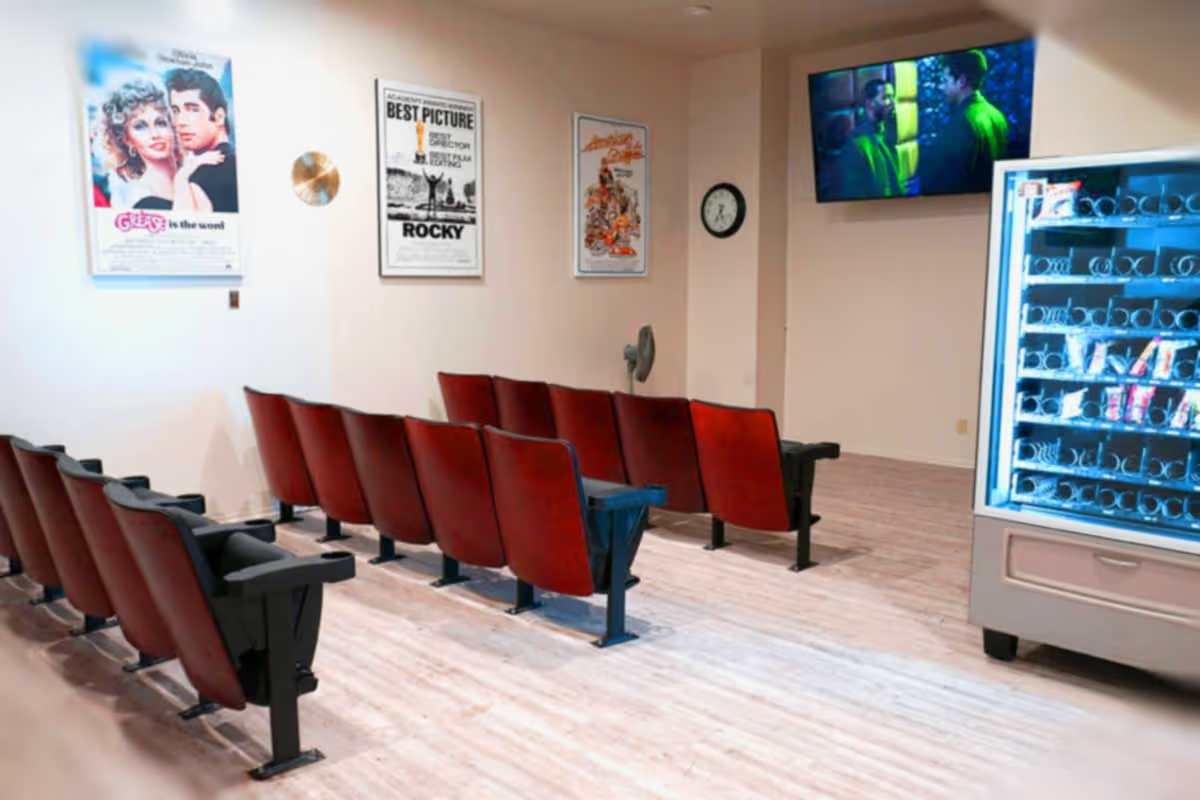
Activities and social engagement: Highland Manor offers an active programming calendar and several reviewers praised an energetic Activities Director who organizes uplifting and educational groups. While many residents are reported to enjoy and look forward to these activities, attendance and engagement levels appear variable; some activities draw low participation, suggesting that individual resident interest and mobility influence program impact.
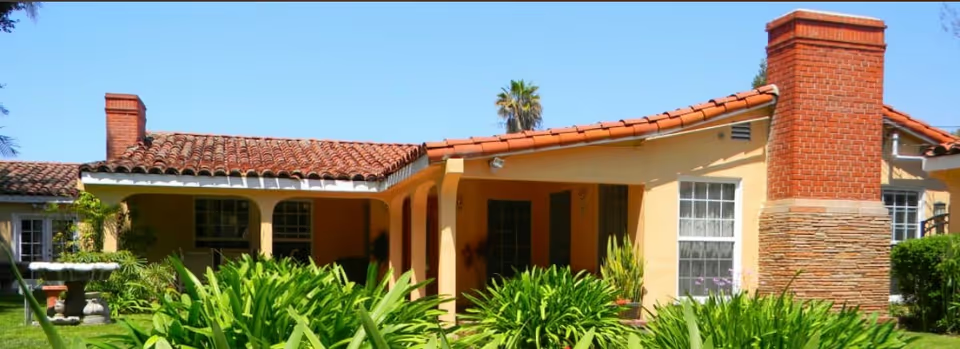
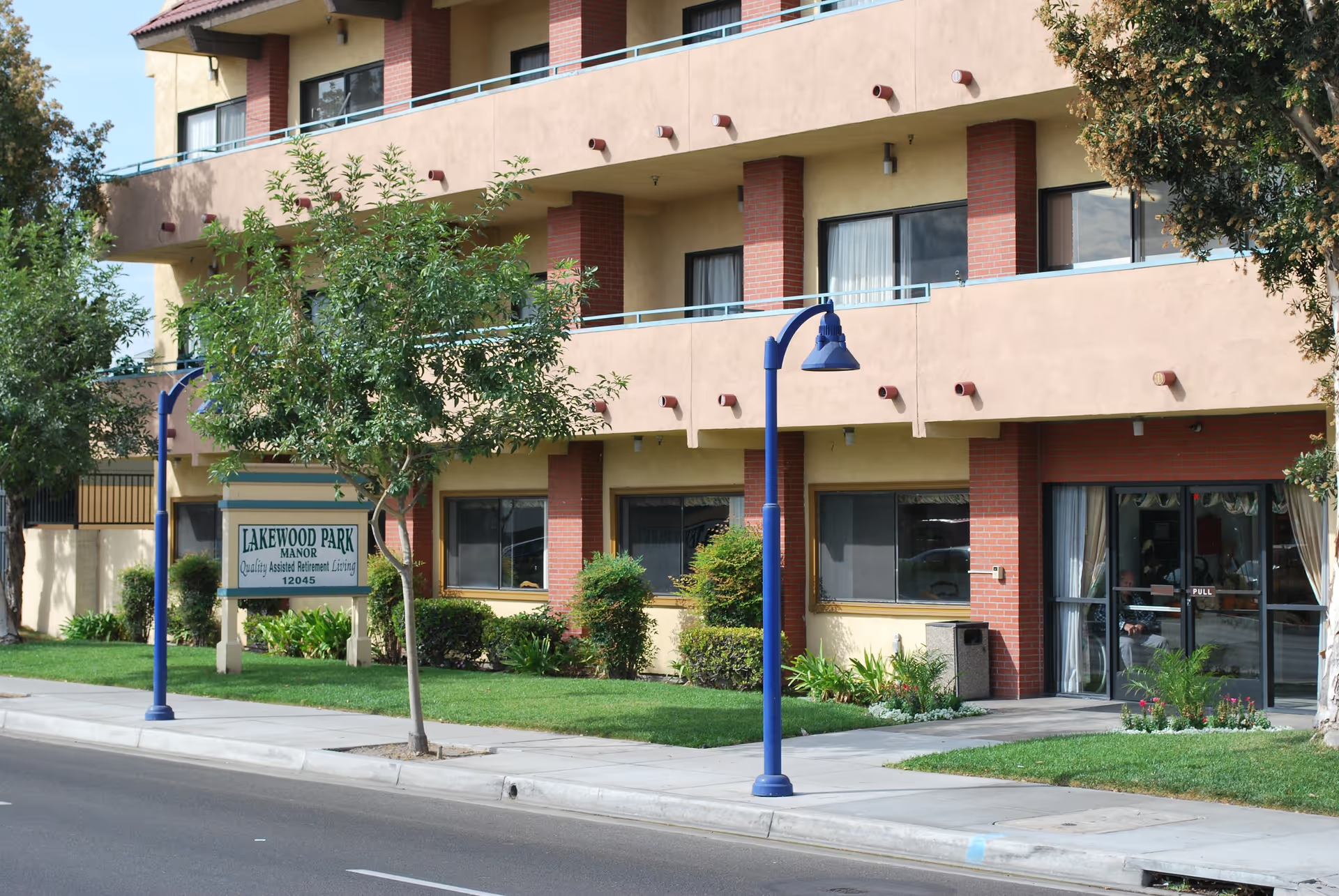
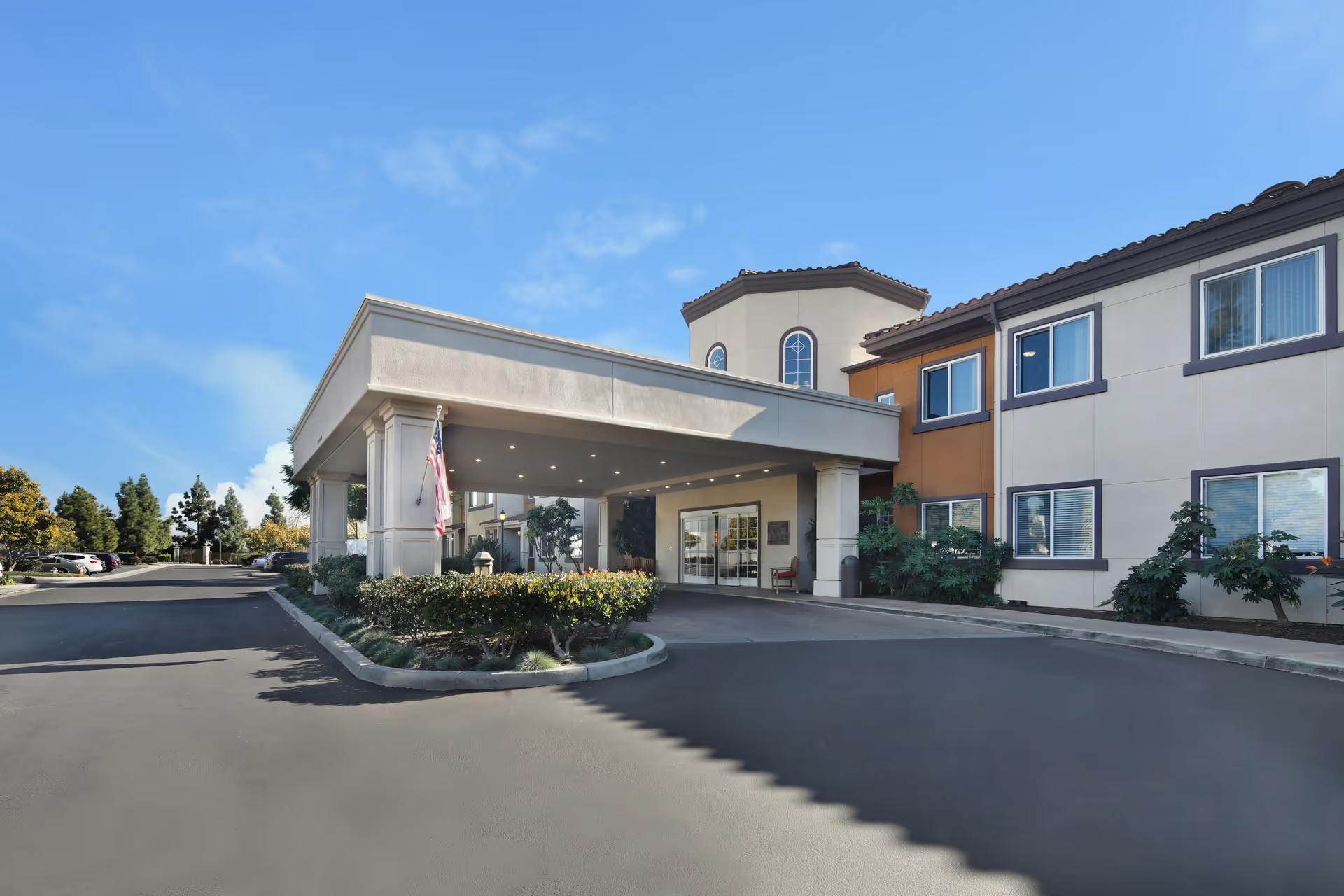
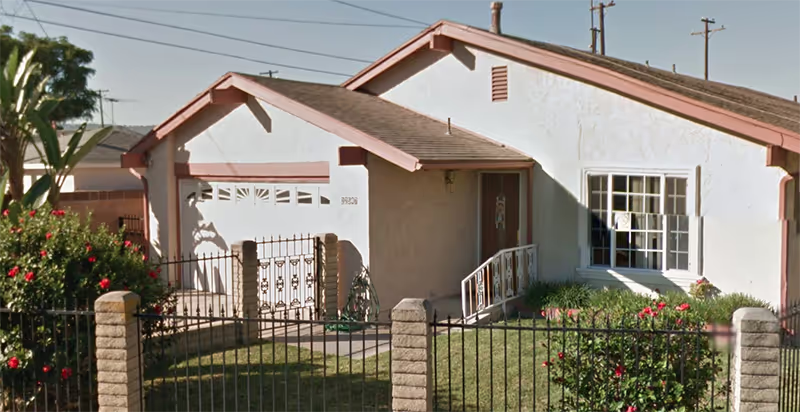
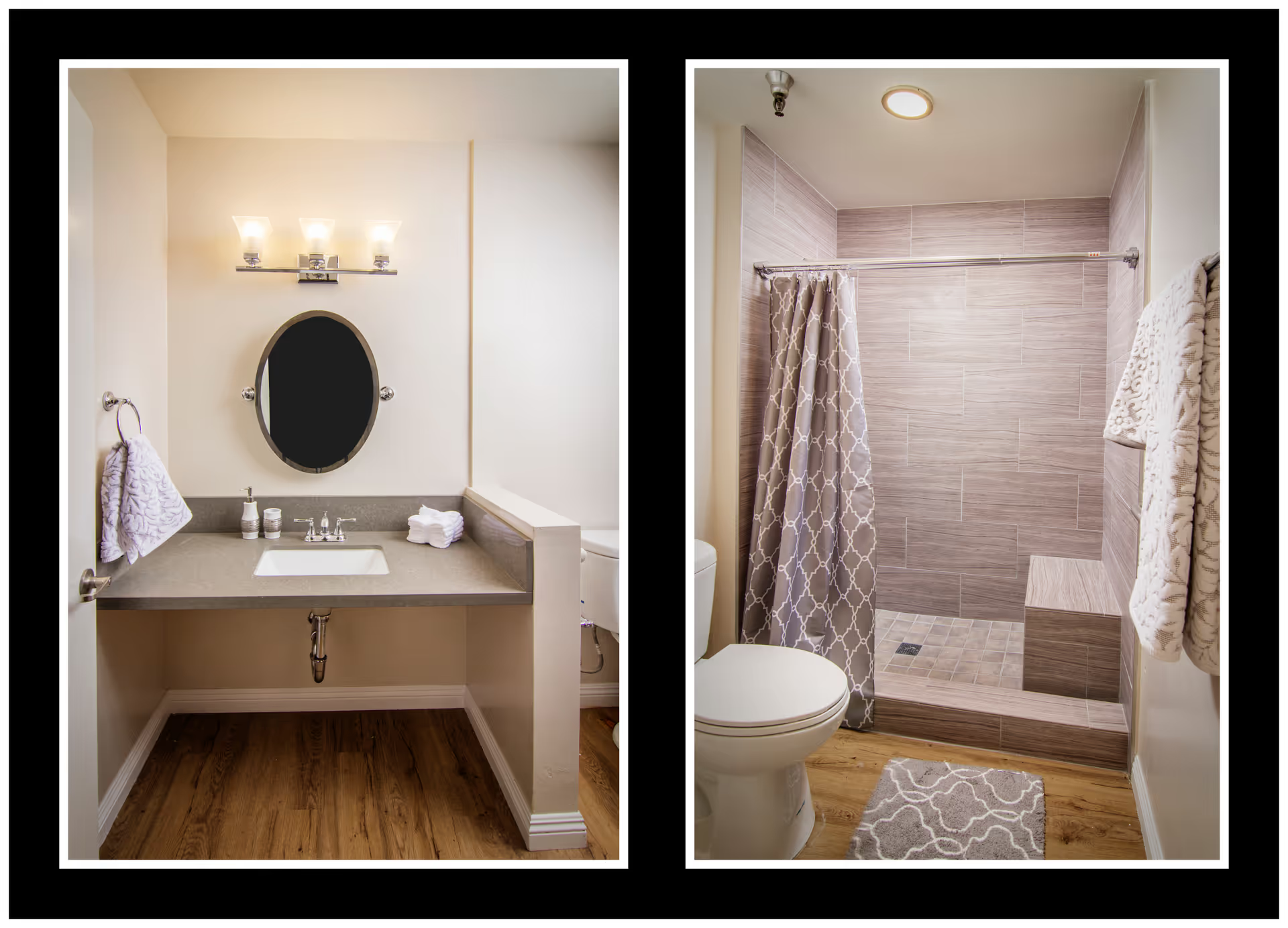
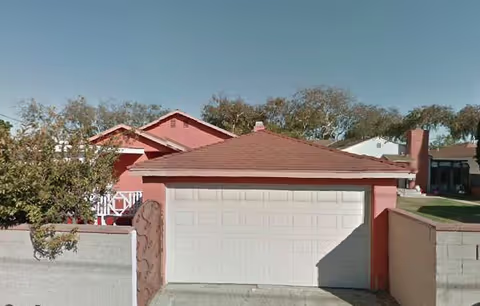
Facilities and safety: Cleanliness and daily room maintenance are consistent themes, and recent cosmetic improvements and security upgrades were mentioned positively. However, there are isolated concerns about pest control and resident supervision that warrant clarification during a tour. A small number of reviewers described more serious safety or conduct-related issues; these accounts are not the dominant impression but are notable and suggest the need for prospective families to ask specific questions about monitoring, staffing ratios, and pest-control protocols.
Management and communications: Management receives mixed feedback. Several reviewers praised administrators for support and responsiveness, while others reported front-desk disorganization and unreliable phone/reception responsiveness. Critically, there are examples of lapses in family notification — including communication around end-of-life or hospice transitions — that point to gaps in formal notification processes and case-management follow-through.
Notable patterns and guidance for prospective families: Strengths center on a caring staff, active programming, clean accommodations, and practical services that make the facility suitable for recovery and ongoing assisted living. Recurrent operational weaknesses involve communication pathways (front desk, case manager callbacks, family notifications), inconsistent dining quality, and occasional pest-control or supervision concerns. Prospective residents and families may want to evaluate those areas directly during a visit by asking about staffing levels, emergency response procedures, family-notification protocols, recent pest-control measures, and typical activity attendance to assess fit with the resident’s needs.