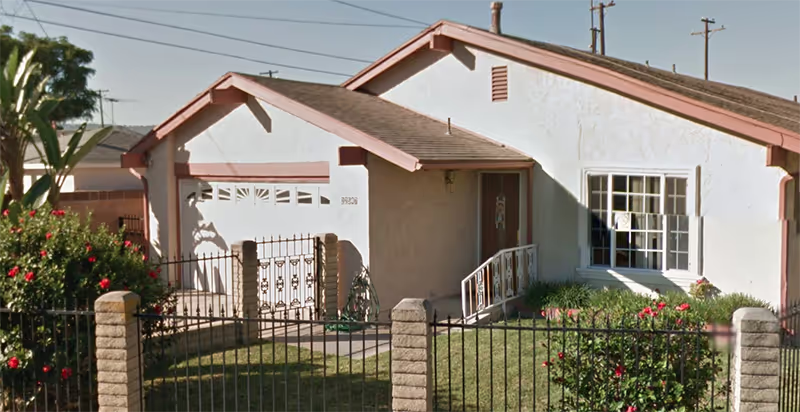
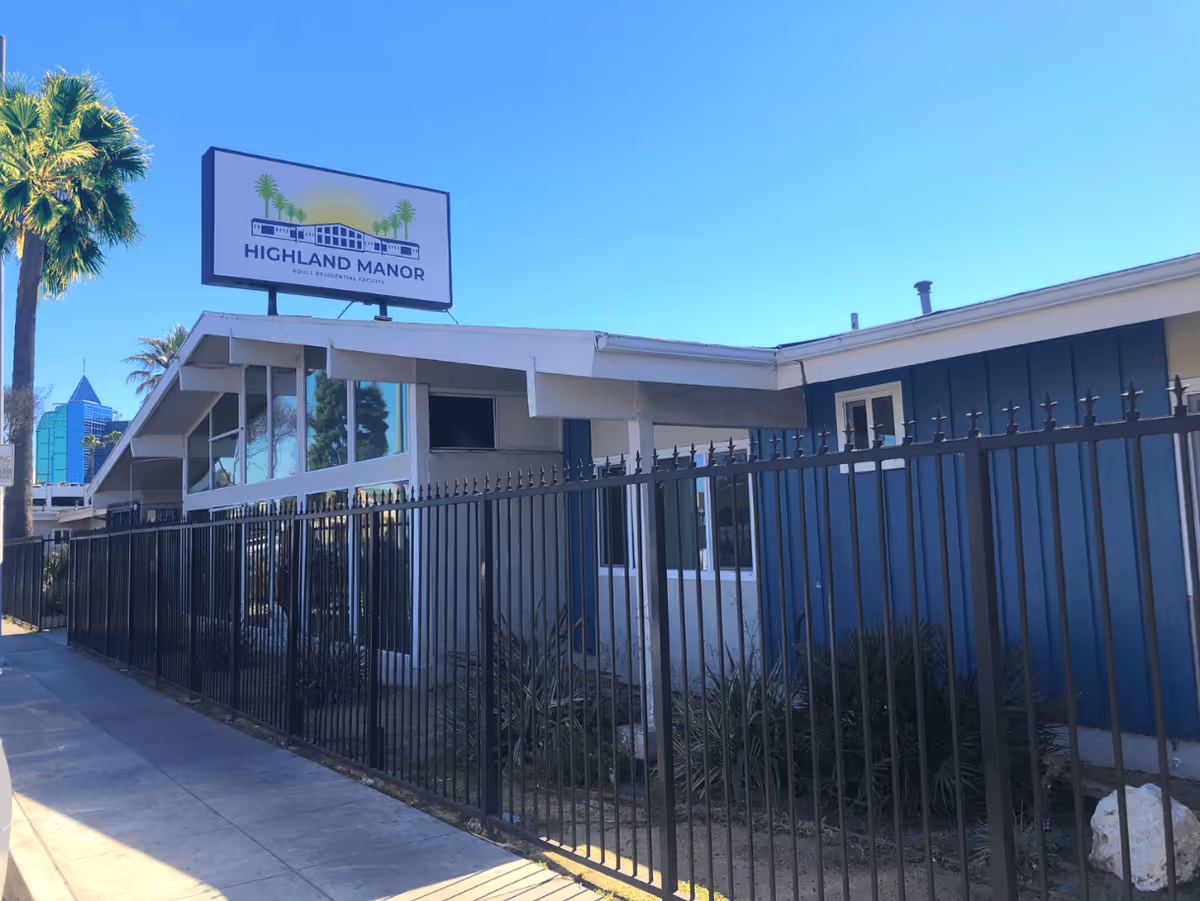
Overall impression: Reviews for West Gardena Post Acute are mixed but largely positive, with a strong contingent of comments praising individualized care, a small‑facility atmosphere, and attentive front‑line staff. Many families and residents describe improvements in alertness and functional recovery, and they highlight the facility’s approachable ambience and open visiting policy as meaningful quality‑of‑life advantages.
Care and staff: The facility is frequently characterized as having compassionate nurses and committed CNAs who provide hands‑on assistance and monitoring. Reviewers commonly note responsiveness and quick assistance when help is requested, and several accounts point to good therapy programs that support recovery and discharge goals. At the same time, there is a consistent theme of variability: some accounts describe inconsistent conduct or communication from specific staff members, and others identify lapses in monitoring or clinical follow‑through. These patterns suggest that while many shifts deliver reliable, person‑centered care, performance may fluctuate depending on staffing and oversight at particular times.
Dining, activities, and facilities: Positive comments emphasize appealing, nutritious meals, a pleasant interior, and a welcoming, family‑like environment. The building and common areas are described as clean and well maintained, and the small size is seen as contributing to a quieter, more personalized experience compared with larger institutions. Therapy and activity support are viewed as strengths that help residents regain function.
Management and operations: Several reviewers praise administrative staff and the director of nursing for professionalism and visible leadership. However, reviews also identify operational weaknesses, notably inconsistent communication with families, uneven care coordination during transitions, and gaps in clinical incident response. These operational issues can affect outcomes such as timely escalation of concerns and continuity of care across shifts or during hospital transitions.
Notable patterns and considerations for families: The dominant pattern is one of strong, attentive care in a small‑facility setting, with meaningful benefits for resident comfort and recovery. Counterbalancing that are isolated but significant concerns about variability in staff behavior and monitoring that translate to occasional safety and communication issues. Prospective residents and families may wish to ask about staffing ratios by shift, clinical oversight protocols (including device management and monitoring), incident‑reporting and follow‑up procedures, and how care transitions and family communications are handled to assess whether the facility’s operating controls match their expectations.