Broadway Manor Care Center receives substantial positive feedback for its clinical and rehabilitative capabilities. Families commonly describe attentive, compassionate nursing and a rehabilitative program that encourages participation and measurable progress. The facility appears to emphasize individualized plan-of-care reviews and family conferences, with staff making personalized adjustments and following up after discharge. Several accounts highlight effective physical therapy, regular progress updates, and an orientation toward returning residents to higher functioning levels.
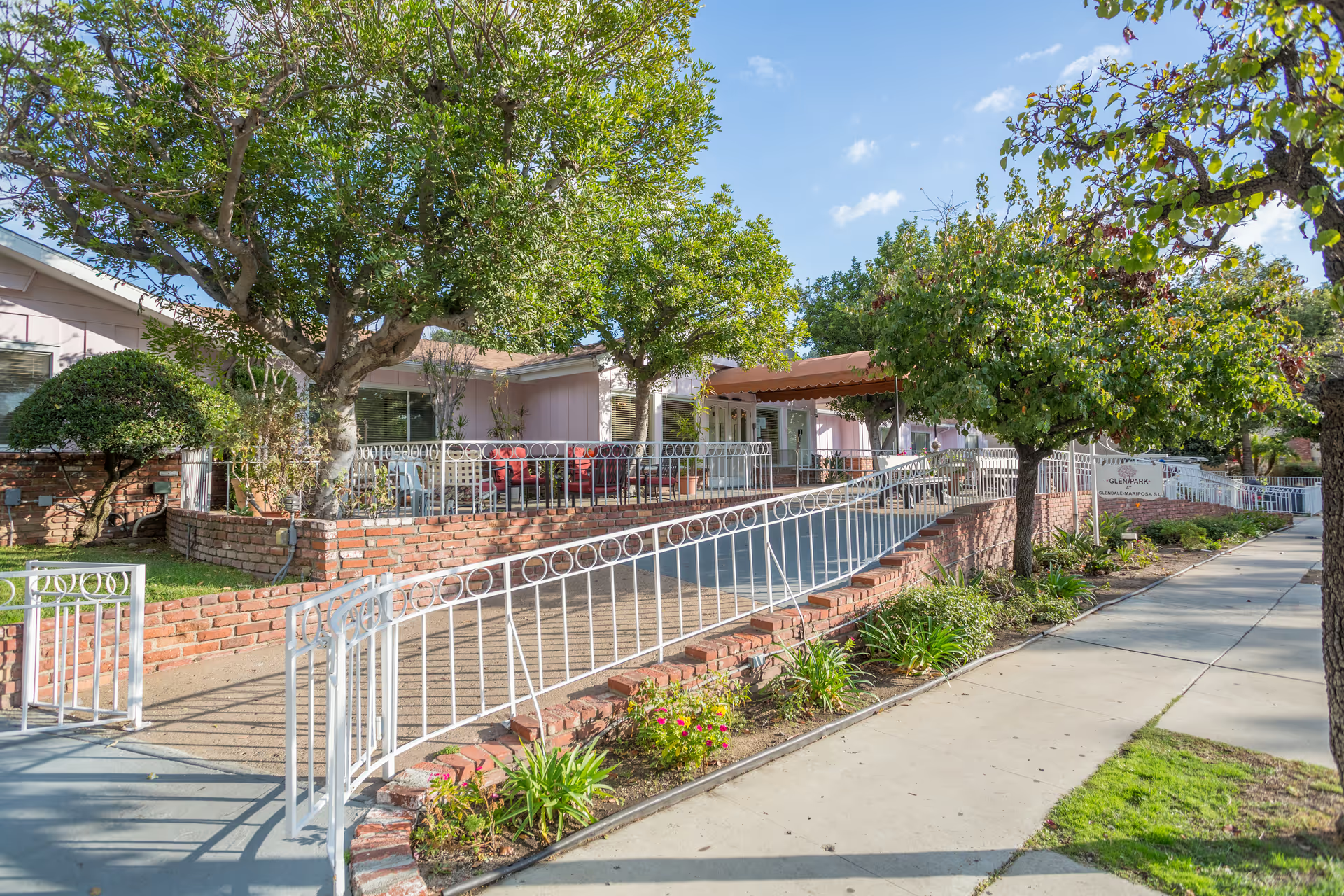
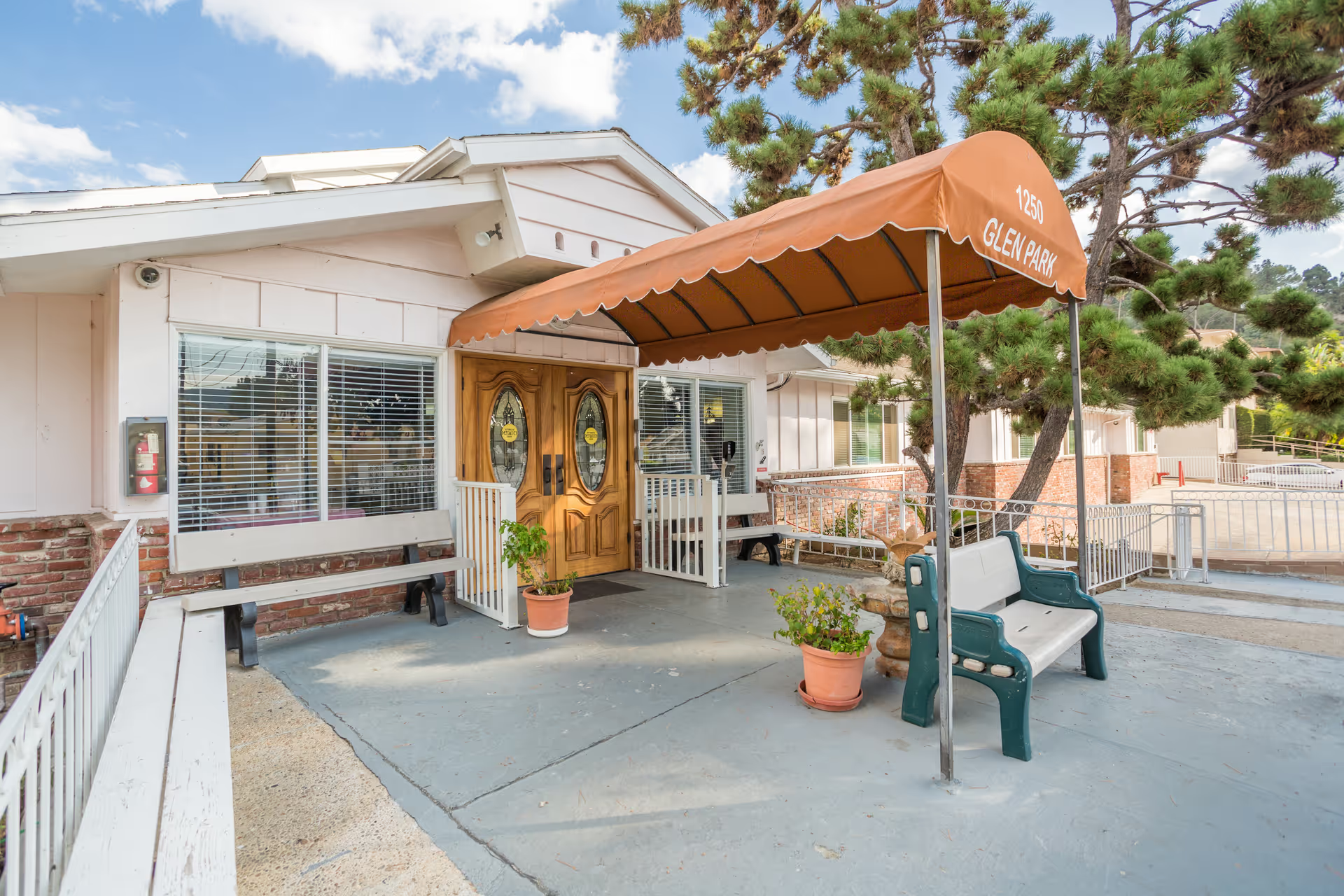
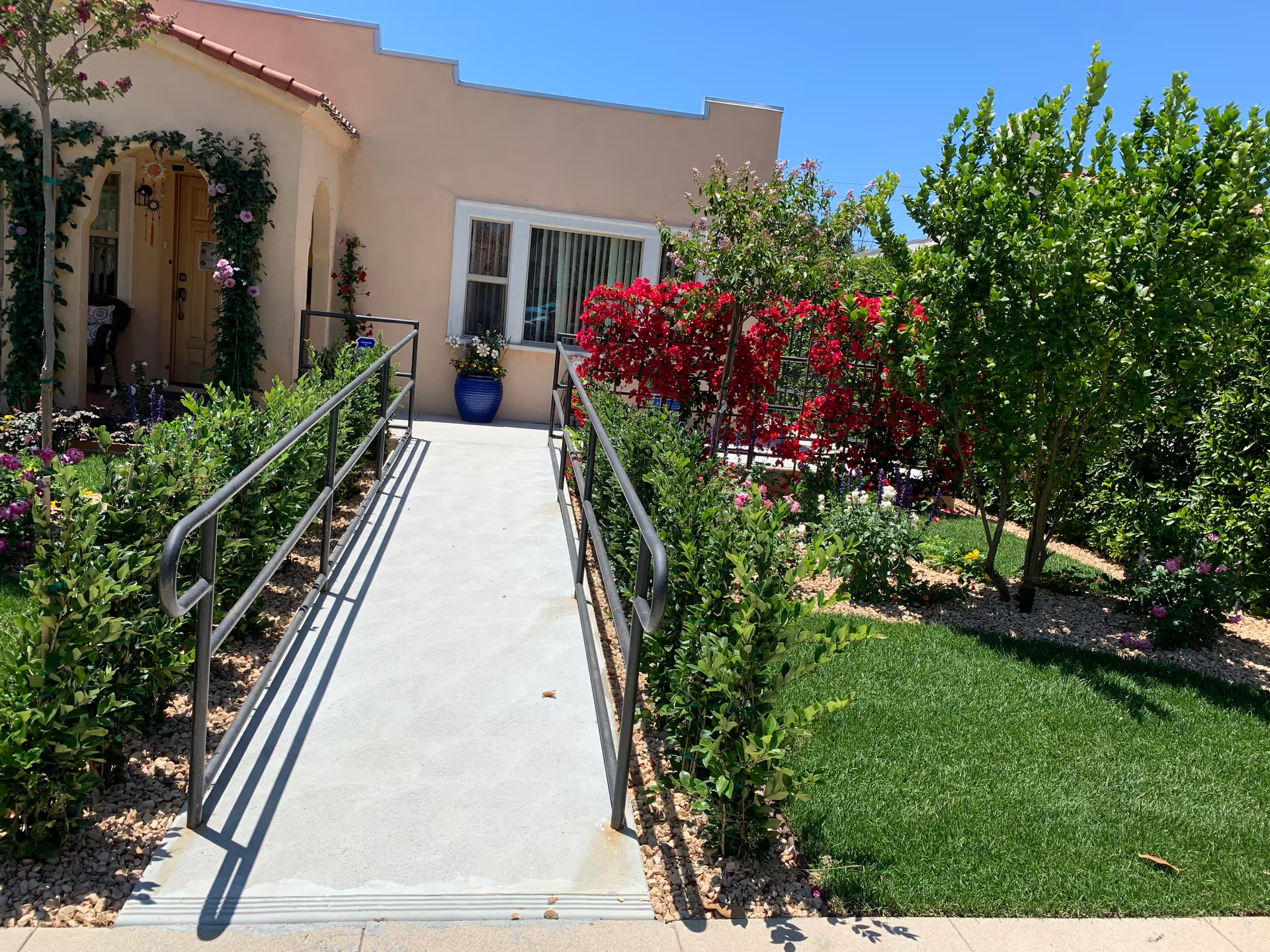
Daily living and amenities are noted strengths. Reviewers cite dietary accommodations, respect for religious needs, hot meal delivery to rooms, a beauty shop with scheduled services, and live dinner entertainment. The activities program — including Bingo and other social events — is frequently praised for contributing to resident well-being, though some comments indicate activity participation can vary by unit or shift. The building and grounds are described as clean and well-maintained, with private, bright rooms and a landscaped courtyard providing pleasant outdoor space.
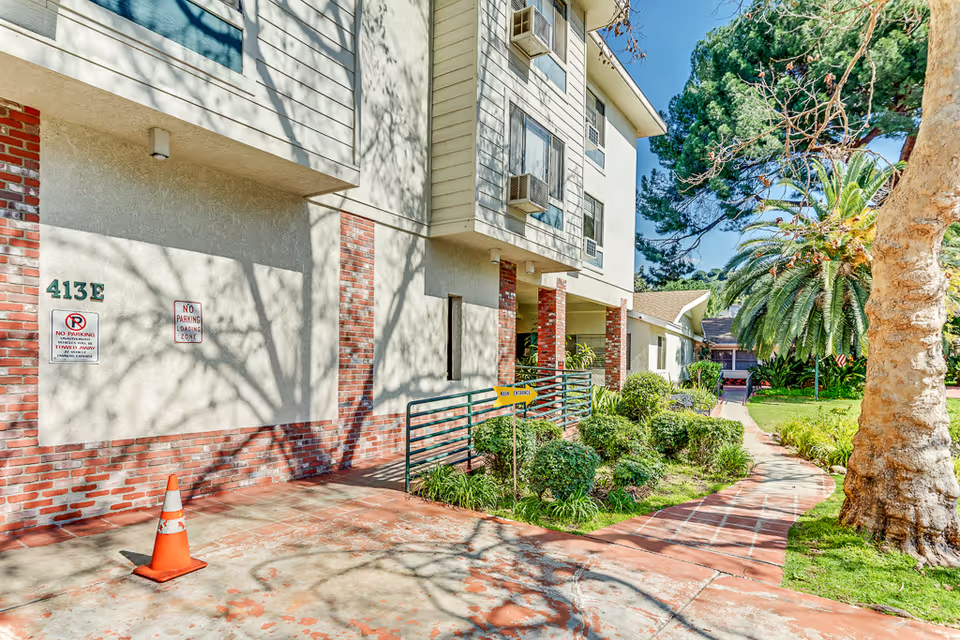
Communication and administrative matters present a mixed picture. While many families describe responsive nursing leadership and courteous follow-up calls, others report inconsistent family communication, difficulties reaching staff by phone or at reception, and limited guidance after critical health events. There are patterns of scheduling coordination problems and limited availability for long-term placement. Parking and access are noted as logistical constraints for visitors.
A small number of serious concerns appear in the feedback and are operational in nature: variable staff sensitivity in some interactions, management responsiveness issues, and allegations that gratuities influenced the delivery of services. These items suggest the need to verify facility policies on gratuities, family outreach after major health events, and staff conduct. Prospective residents and families would benefit from asking for concrete examples of care-transition procedures, emergency-family-contact protocols, activity schedules, parking accommodations, and current waitlist or long-term bed availability when evaluating the facility.