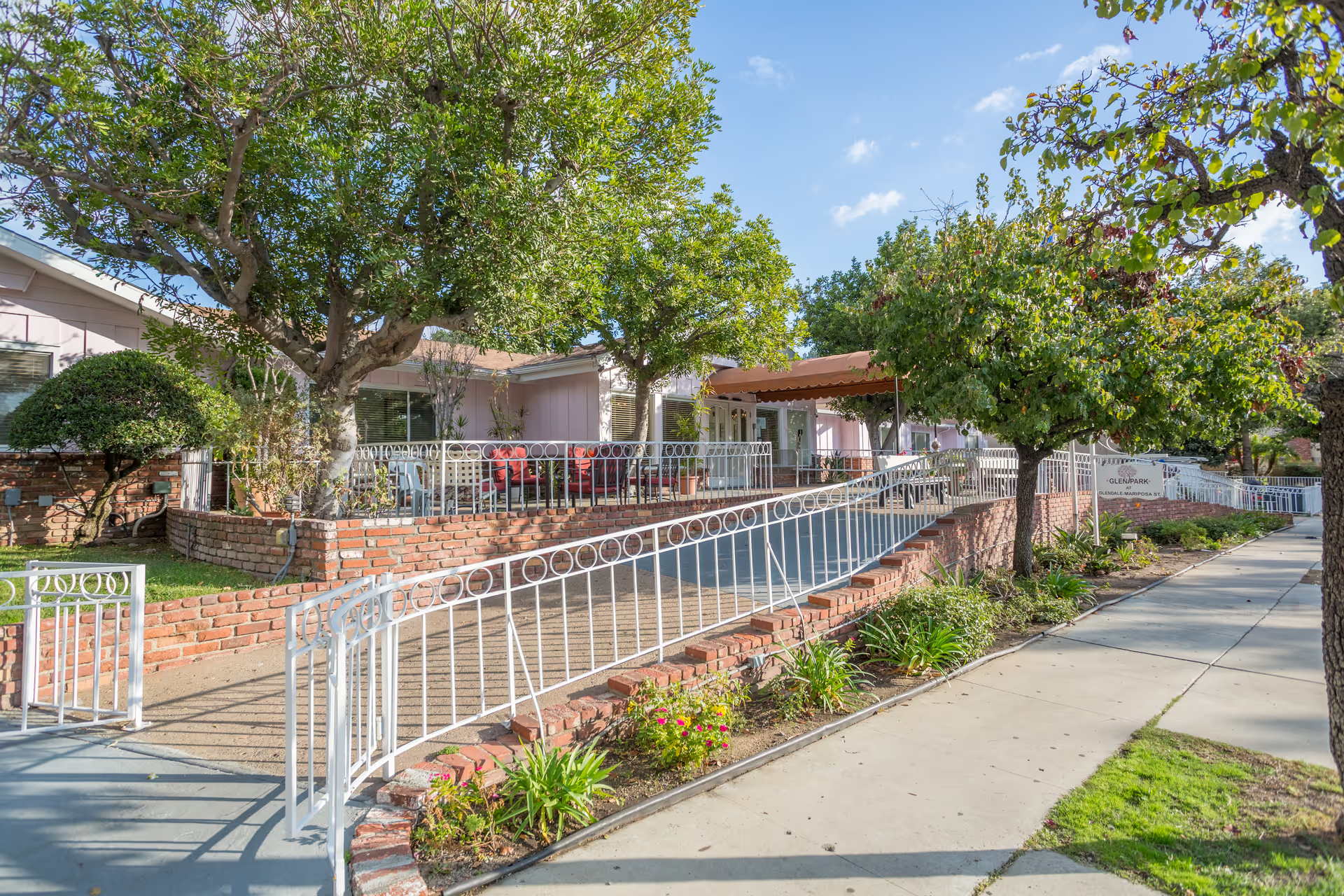
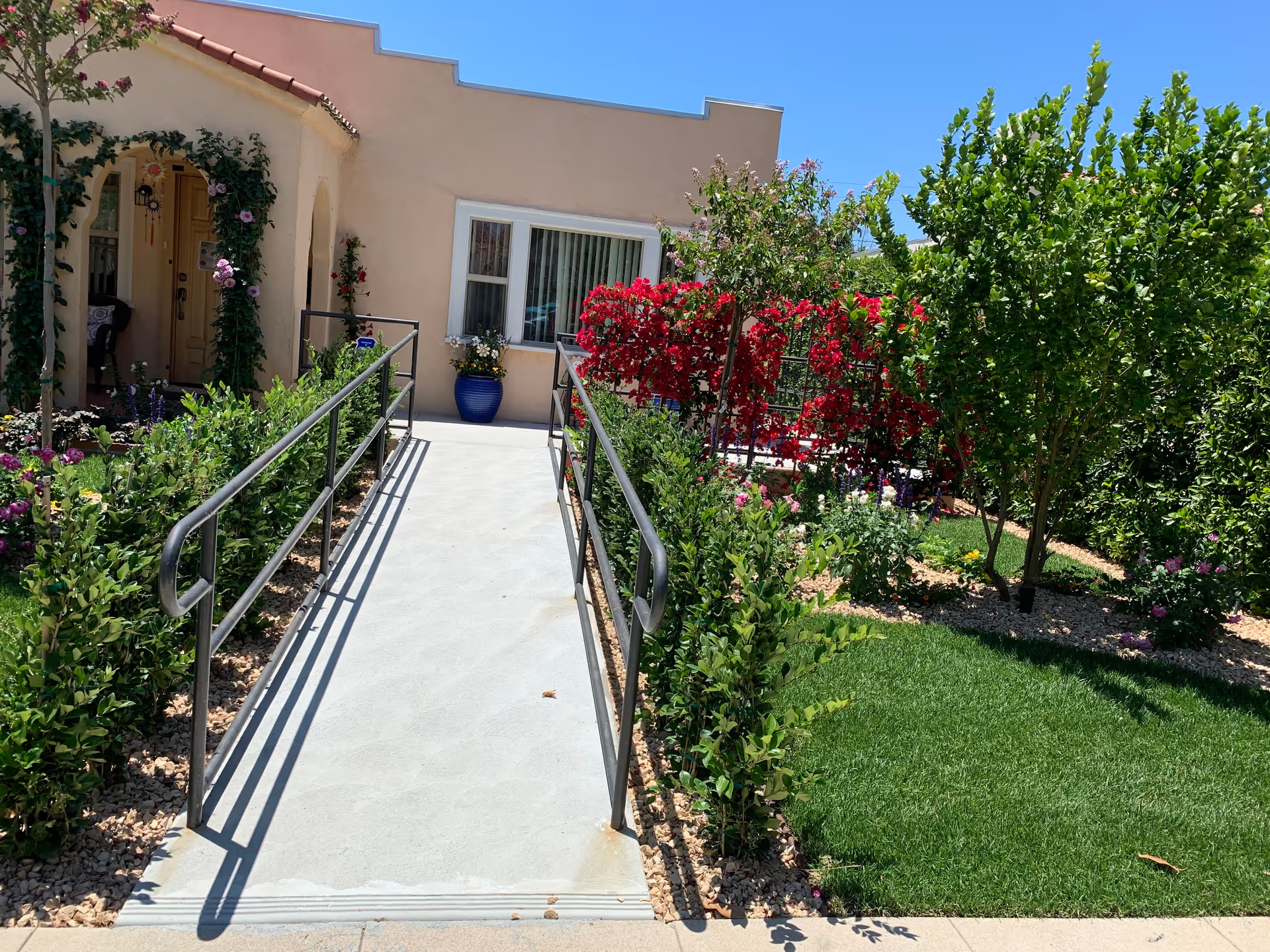
Glendale Healthcare Center elicits mixed feedback that clusters around two clear themes: strong rehabilitation and many positive frontline interactions, contrasted with occasional serious clinical and operational concerns. Numerous families praise the facility's rehabilitation program, noting therapists and nursing staff who supported measurable recovery in mobility and overall function. Reviewers commonly describe a clean, attractive environment with friendly, smiling staff, accommodating visiting hours, personalized touches (for example delivering residents’ preferred beverages), and a range of activities that contribute to a positive daily experience.
At the same time, several reviewers raised concerns that point to inconsistent care processes. Specific clinical issues described by families — pressure-injury prevention, urinary infection monitoring, and unexplained weight loss — suggest gaps in some aspects of clinical oversight and documentation. Related operational patterns include delays in attending to incontinence-care needs and variability in how staff handle resident transfers and personal-care tasks. These patterns align with reports of elevated hospital readmissions and indicate the need for careful review of nursing protocols and care-plan follow-through.
Management and communications are another area of divergence. Some families compliment the administration as compassionate and accessible, while others report limited supervisory presence, lapses in transparency, and problematic communication with relatives. A few accounts also reference inconsistent infection-control and admission practices during illness events, and there are isolated allegations concerning personal-property handling. Together, these items point to uneven managerial oversight rather than a single, uniform practice.
For prospective residents and families, the facility's strengths are most evident in rehabilitation outcomes, staff warmth, cleanliness, and dining/activities engagement. The notable patterns of concern — clinical oversight inconsistencies, responsiveness to personal-care needs, supervisory coverage, and family communication — are operational areas to investigate during a visit. Recommended follow-up includes asking about wound- and infection-prevention protocols, staffing and supervision levels on the unit, readmission metrics, procedures for personal-property handling, and examples of how the facility communicates care changes with family members.