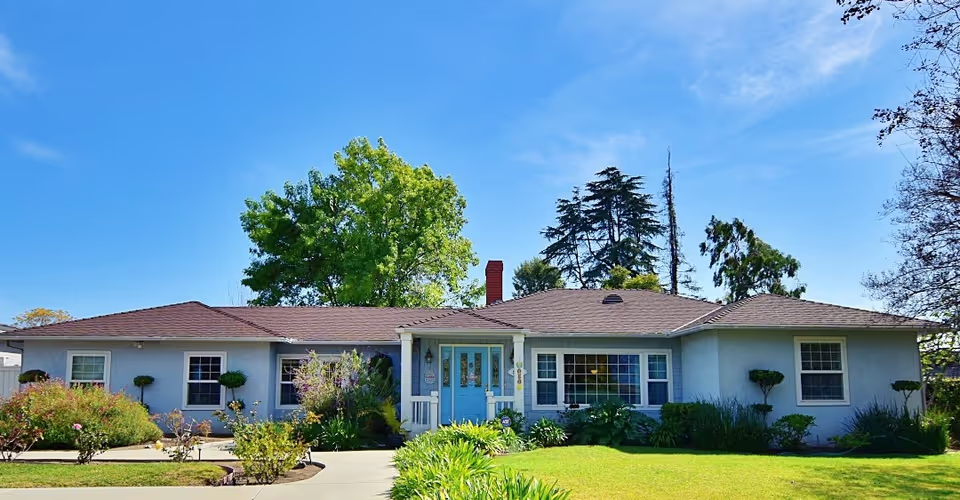
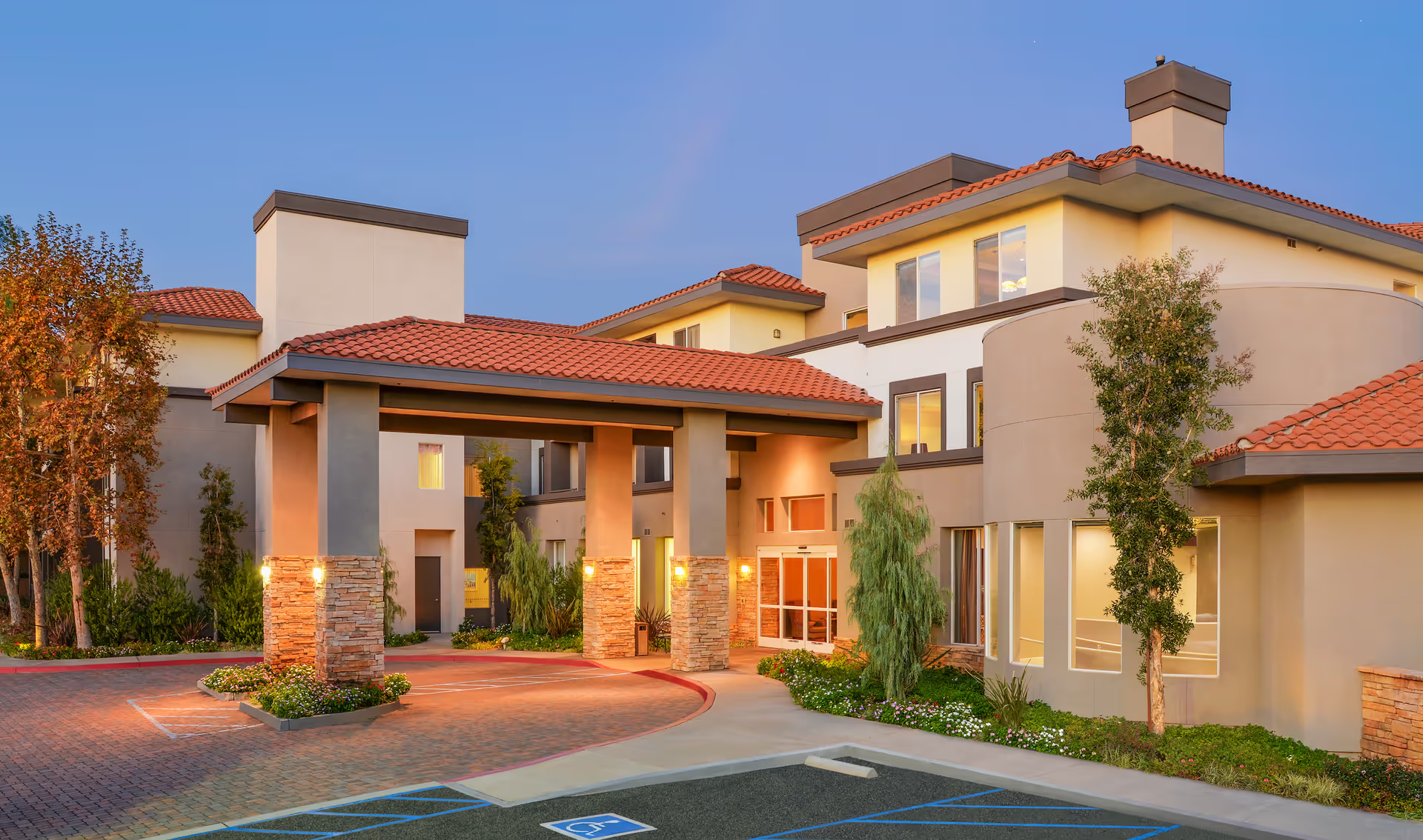
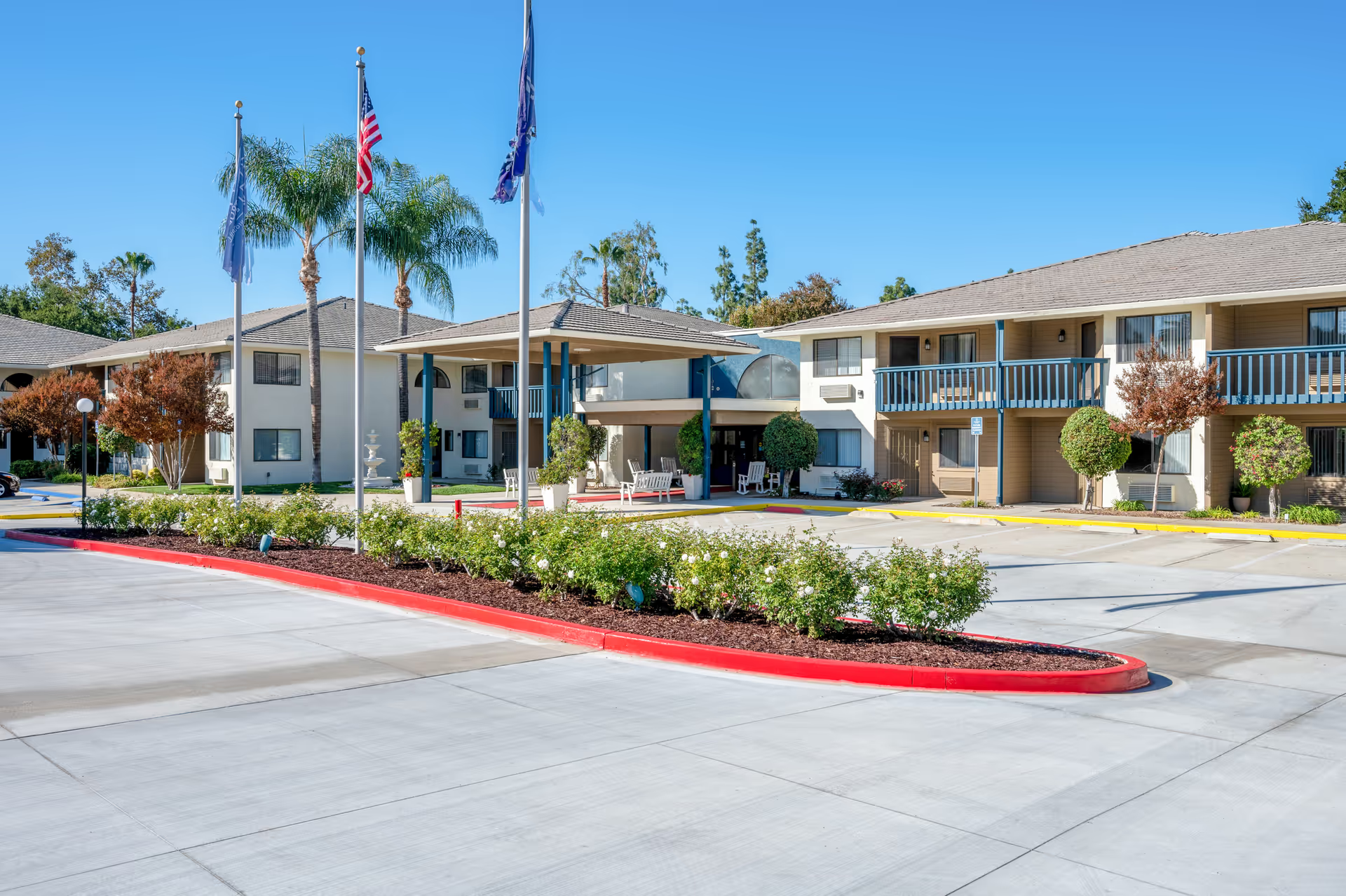
Overall impression: Nazonn Residential Care Home is presented as an affordable, home-like option with a strong emphasis on basic, reliable care and a personable staff. Reviewers consistently highlight the facility’s convenient, walkable location and a smaller-scale, residential atmosphere. Cleanliness of rooms and shared spaces, along with lower-than-average rates, are commonly cited as strengths that make the home attractive to cost-conscious families.
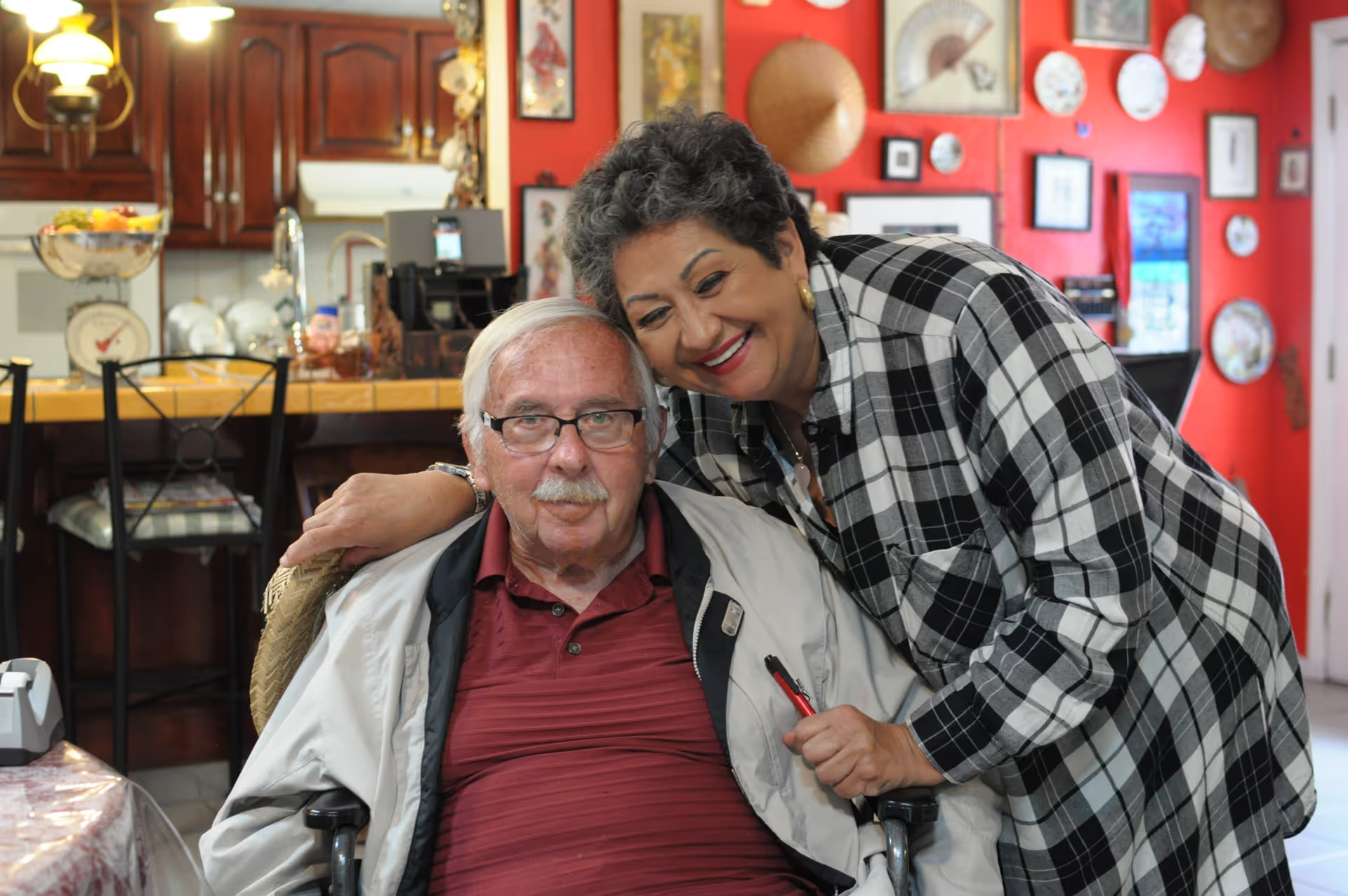
Care and staff: Care is characterized as competent and compassionate in meeting residents’ essential needs. Nurses and caregiving staff are described as experienced and caring, and individual staff members were occasionally singled out positively. At the same time, the care model appears oriented toward meeting baseline needs; reviewers conveyed that the staff generally handles daily care well but that engagement beyond essential assistance can be limited. There are occasional comments about staff attention lapses during activities or downtime, which suggests variability in attentiveness depending on staffing or scheduling.
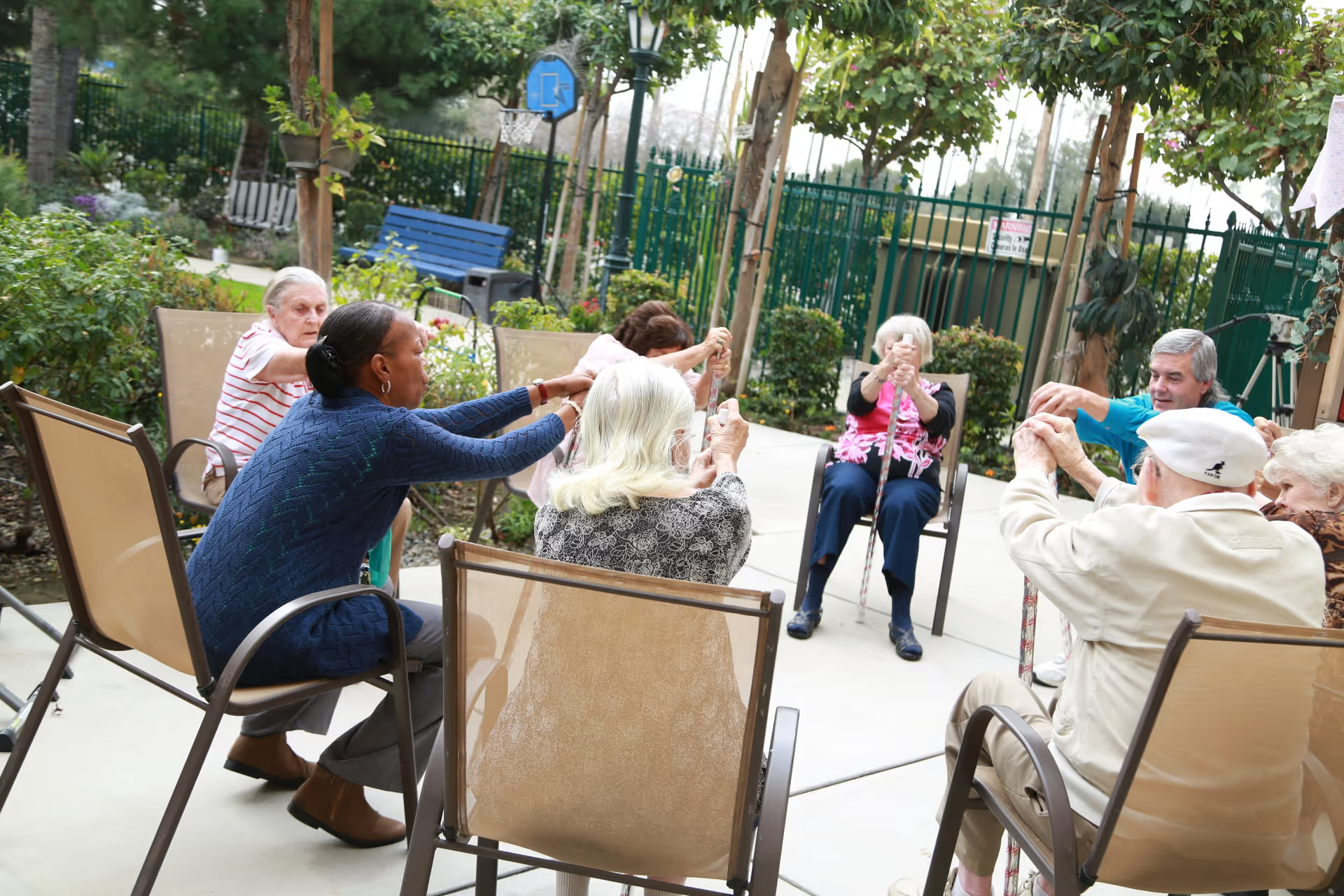
Dining and activities: Dining receives favorable mentions for meal quality. Activity programming is present and described as numerous, contributing to a sense of community for some residents. However, a recurring theme is that activities are not consistently stimulating for more active residents and that resident engagement can be low. Prospective families should assess whether the activity mix matches the incoming resident’s expectations for social and cognitive stimulation.
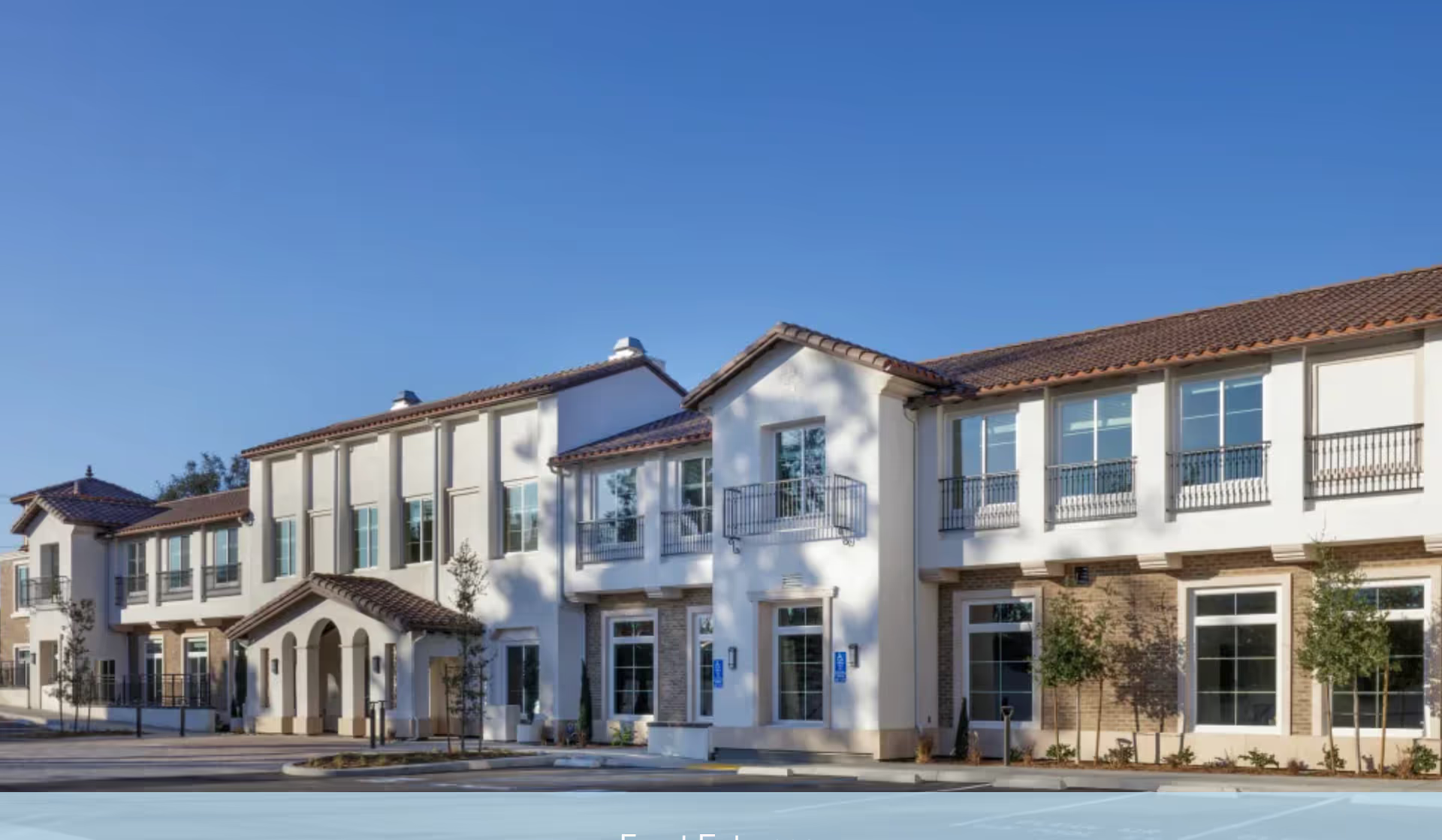
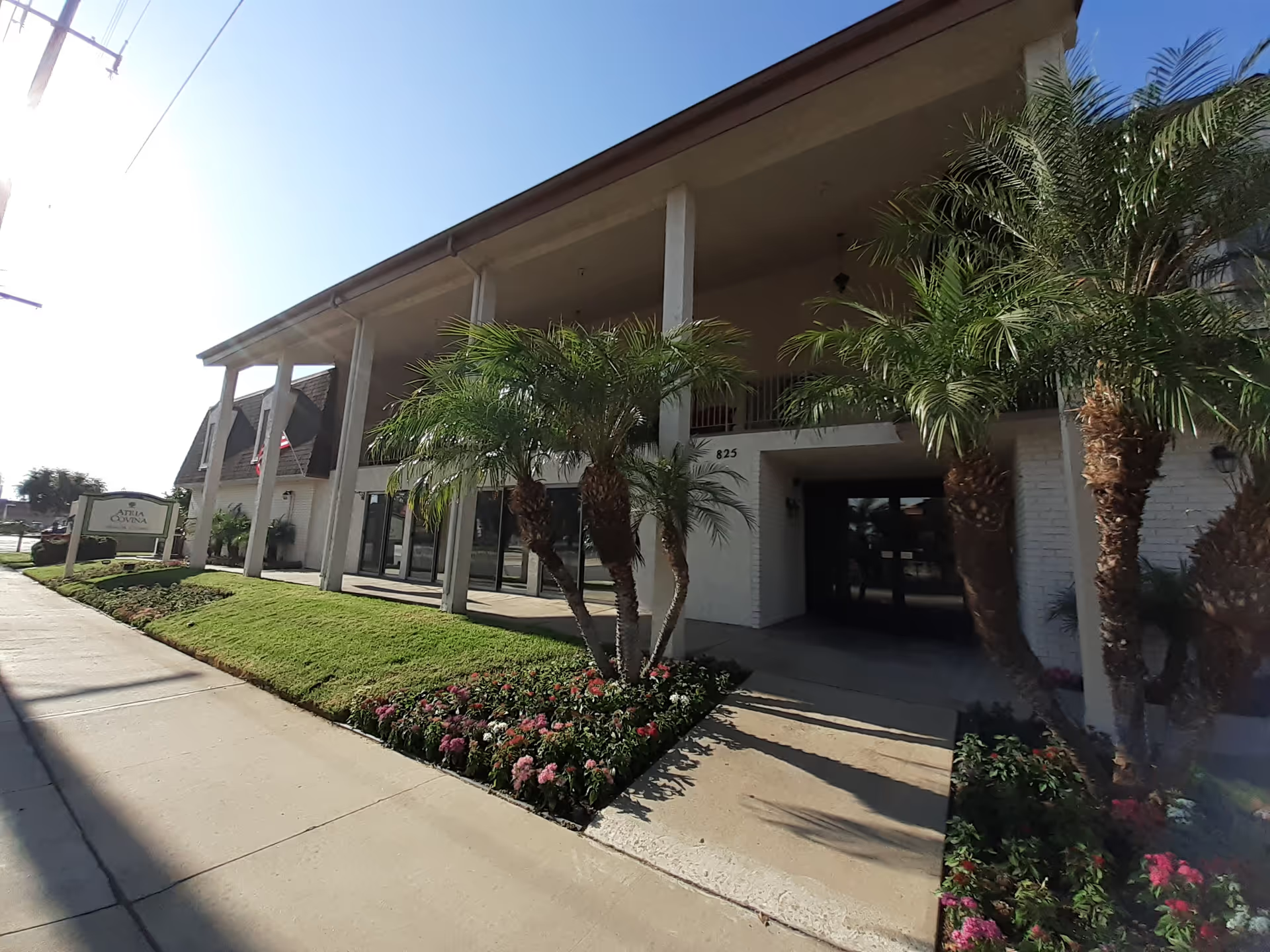
Facilities and environment: The house is regarded as clean and well maintained, but the physical plant is described as older. Resident rooms are noted to be relatively small and somewhat dated; several comments describe rooms as sparse or not particularly welcoming/personalized. The facility’s proximity to a busy street or freeway is a practical consideration for noise and traffic exposure. These facility characteristics suggest trade-offs between affordability and modern space/amenities.
Management and notable patterns: Management and ownership are portrayed as approachable and accommodating, contributing to the facility’s collegial atmosphere. The combination of lower rates and a small, residential scale appears to drive both the positives (personalized, friendly staff; value) and the limitations (smaller rooms, more basic programming, limited language coverage). A specific operational gap noted is the absence of Spanish-speaking caregivers, which is important for families requiring bilingual support. Overall, the pattern is consistent: solid basic care, warm staff interactions, and good housekeeping, paired with limited stimulation in activities, constrained physical space, and occasional variability in staff attentiveness. Prospective residents and families should weigh these trade-offs—especially language needs, desired activity level, and tolerance for an older, smaller facility—when considering this home.