Overall impression: Reviews reflect a largely positive resident experience centered on a compassionate, service-oriented staff and a clean, welcoming physical environment. Families repeatedly described warm reception, helpful administrative support, prompt furnished-room availability, and a community that many residents enjoy. At the same time, operational and policy issues — notably sales practices, billing transparency, and clinical scope — appear often enough to be important considerations for prospective residents and families.
Care quality and staffing: Direct-care staff, nursing aides, and med techs are frequently described as attentive, kind, and willing to go beyond baseline expectations. Several families credited staff with making transitions and brief stays minimally disruptive. However, the facility operates with a non-medical/assisted-living model, and reviewers raised consistent concerns that the community may not be appropriate for residents who require hands-on nursing, close medical monitoring, or complex chronic-disease management (for example, advanced dementia or insulin-dependent diabetes). Communication from nursing to families was sometimes inconsistent early on, though some accounts indicate improvements after meetings with leadership.
Dining and dietary accommodations: Dining staff are commonly praised for friendliness and hospitality, and many reviewers noted good food with multiple choices. There are also mentions of improvements in food quality under new management. At the same time, some families experienced limitations in accommodating specific dietary restrictions (gluten-free constraints and limited alternative meal options). Prospective residents who have strict dietary needs should confirm menu flexibility and specialty-diet procedures.
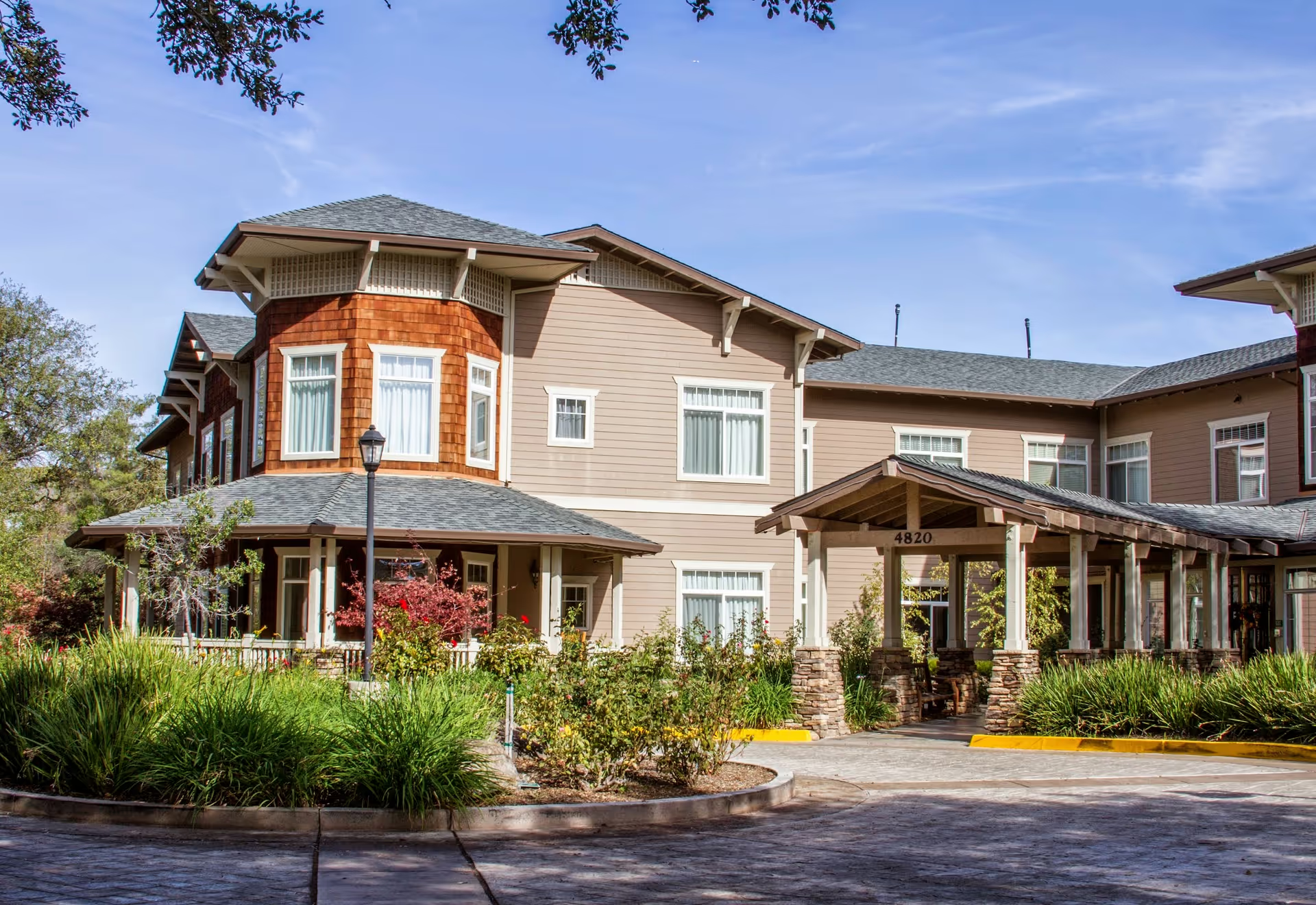
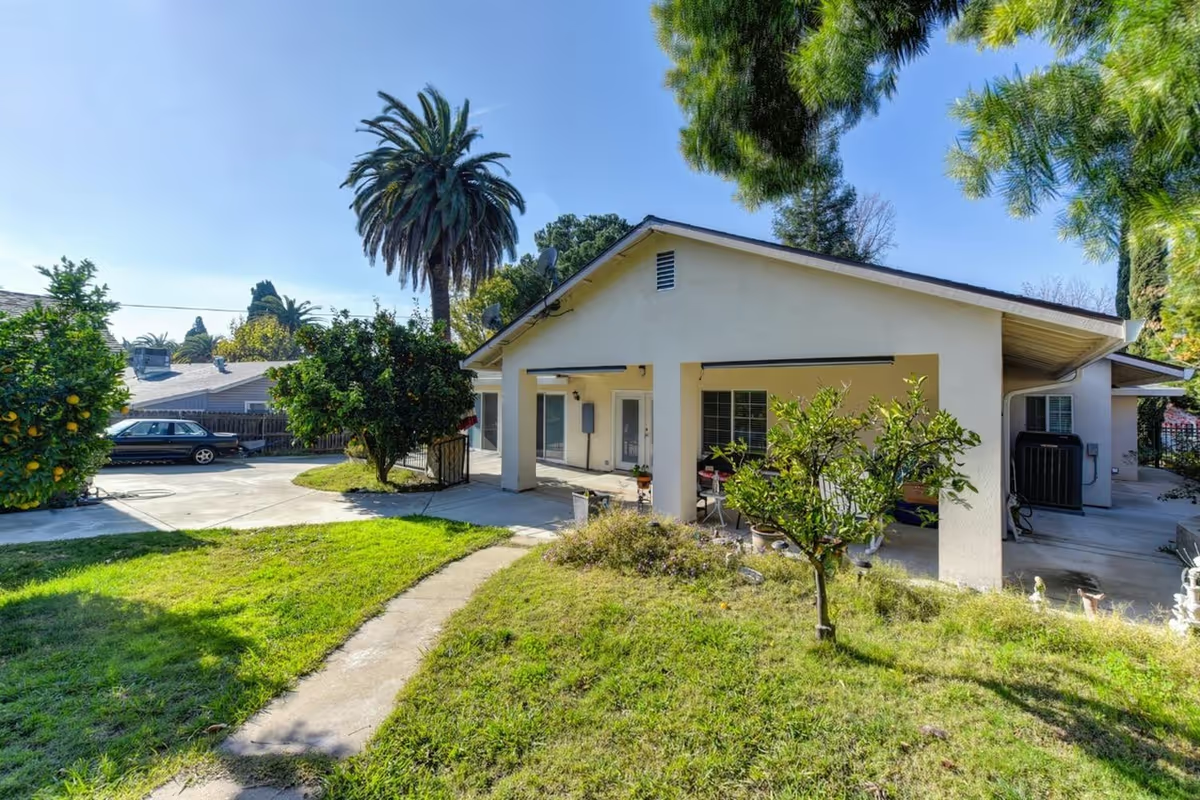
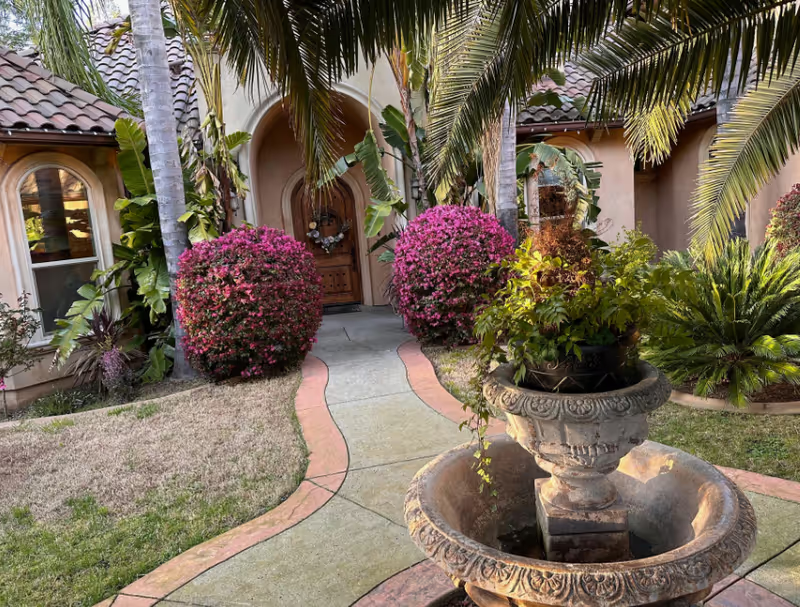
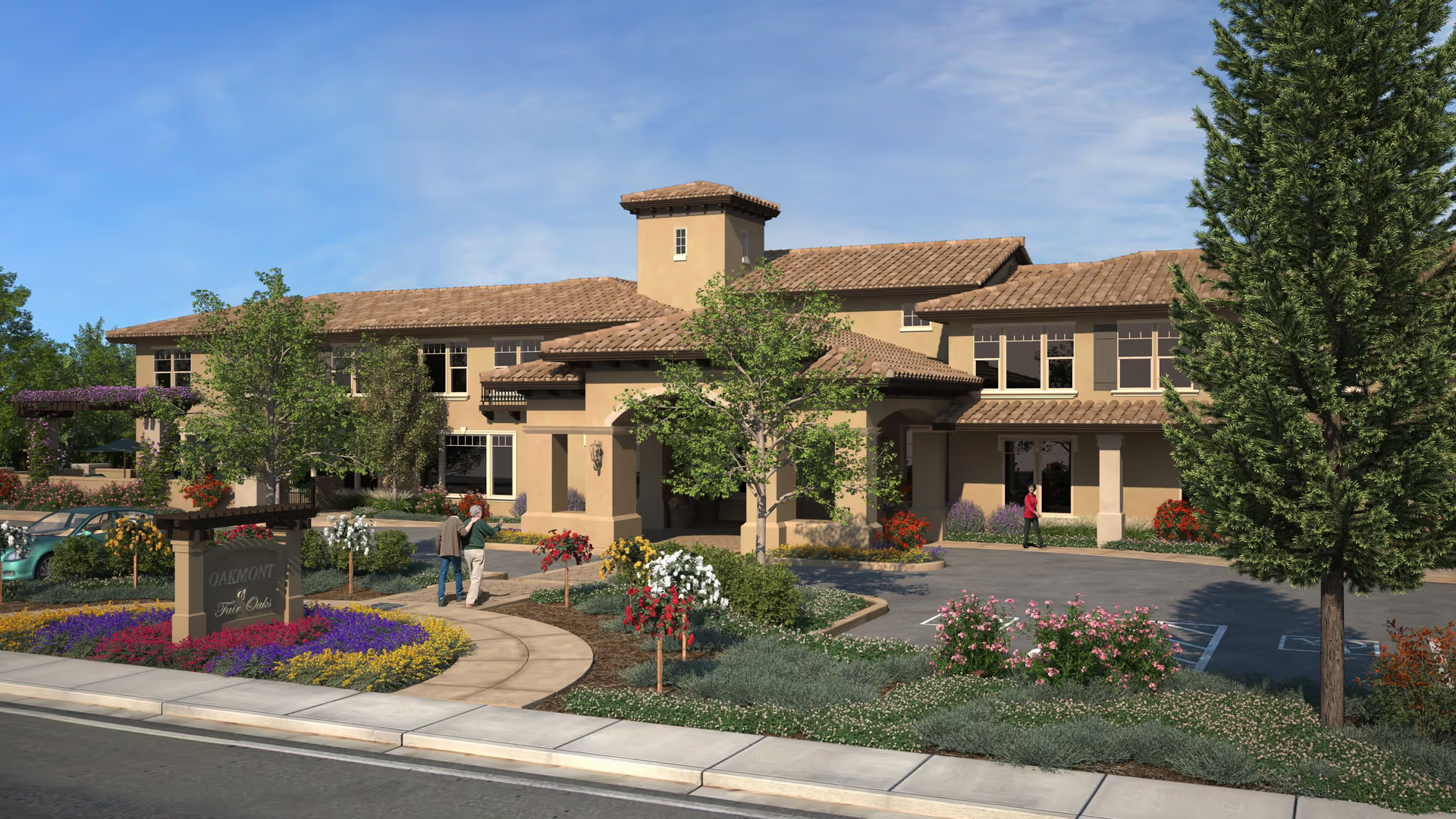
Activities and community life: The community is described as active and social, with plentiful programs that keep residents engaged. The facility’s craftsman-style design and cozy common areas contribute to a welcoming atmosphere; residents commonly report feeling greeted and included. These strengths support social well-being for residents who are a good clinical fit for assisted living.
Facilities and operations: Physical plant, apartments, and common spaces are repeatedly described as clean and well-maintained; laundry and housekeeping services are noted positively. The facility is perceived as professionally managed in many accounts, and several staff members (named by families) received individual praise for compassion and effectiveness. Pricing is consistently characterized as on the high side, and several families called out extra fees that raised total cost beyond base rates.
Management, transparency, and policies: A notable pattern concerns marketing and admissions practices: families described a sales approach they found high-pressure, unclear billing and extra-fee disclosure, and instances where tours or viewings of apartments occurred without advance notification to residents or families. Reviewers also flagged regulatory or contractual constraints that limit resident movement between unit types within the community. Some families experienced improved communication after escalation to directors or new management, indicating responsiveness when issues are raised, but the initial lack of transparency remains an important operational drawback.
Who this community fits best: The facility appears well suited to older adults who need assisted living–level support, value a social and active community, and prioritize compassionate day-to-day care, hospitality, and a clean, home-like environment. Families seeking a setting for residents with high-acuity medical needs, intensive hands-on nursing, or specialized memory/mental-health programming should confirm clinical scope, staffing levels, and transfer policies before committing. Prospective residents should also obtain clear, written details about fees, billing practices, dietary accommodations, and unit-transfer rules during the decision process.