Overview: Magnolia Gardens elicits strongly divergent impressions. Many families describe a small, park-like facility where skilled nurses and physical therapists provide effective rehabilitation and personalized attention. At the same time, there are consistent operational criticisms around communication, staffing, sanitation, and clinical follow-through that suggest variability in resident experience depending on unit, shift, or case complexity.
Care and clinical services: Clinical strengths include an engaged nursing team and an active physical-therapy program that several families credited with measurable improvement in mobility and function. Hospice access and coordinated care arrangements (for example, same-room accommodations) were noted positively. However, reviewers also raised concerns about inconsistent clinical follow-through — examples included medication- and wound-care lapses and imperfect adherence to dietary or swallow precautions — indicating gaps in monitoring, documentation, or escalation protocols in some instances.
Staff and responsiveness: Staff are frequently described as compassionate, hardworking, and willing to go above and beyond; specific clinicians and office staff were named for positive interactions. Conversely, the facility appears to struggle with staffing levels and response times. Issues include slow return phone calls, front-desk communication problems, and delayed responses to resident call buttons. These operational weaknesses contribute to perceptions of uneven care quality and can affect family trust.
Dining and activities: The activities department is a clear strength: programming includes parties, outings, crafts, and individualized recreational options that many residents found fulfilling. Dining impressions are mixed — some families were satisfied, while others perceived inconsistent meal quality and noted occasions when dietary plans were not followed precisely. Overall, enrichment services are robust, but food-service consistency may need attention.
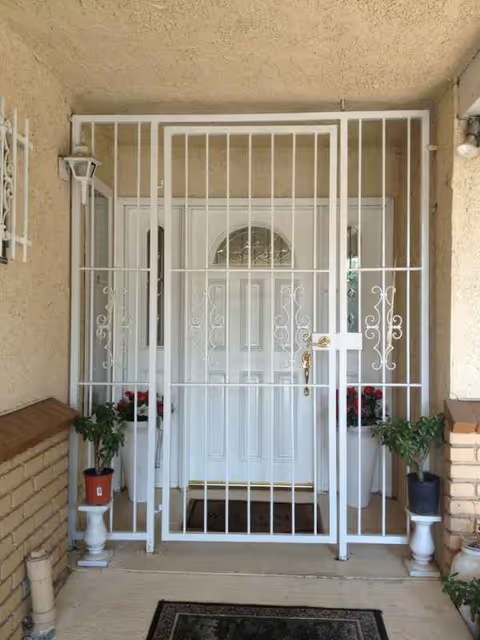
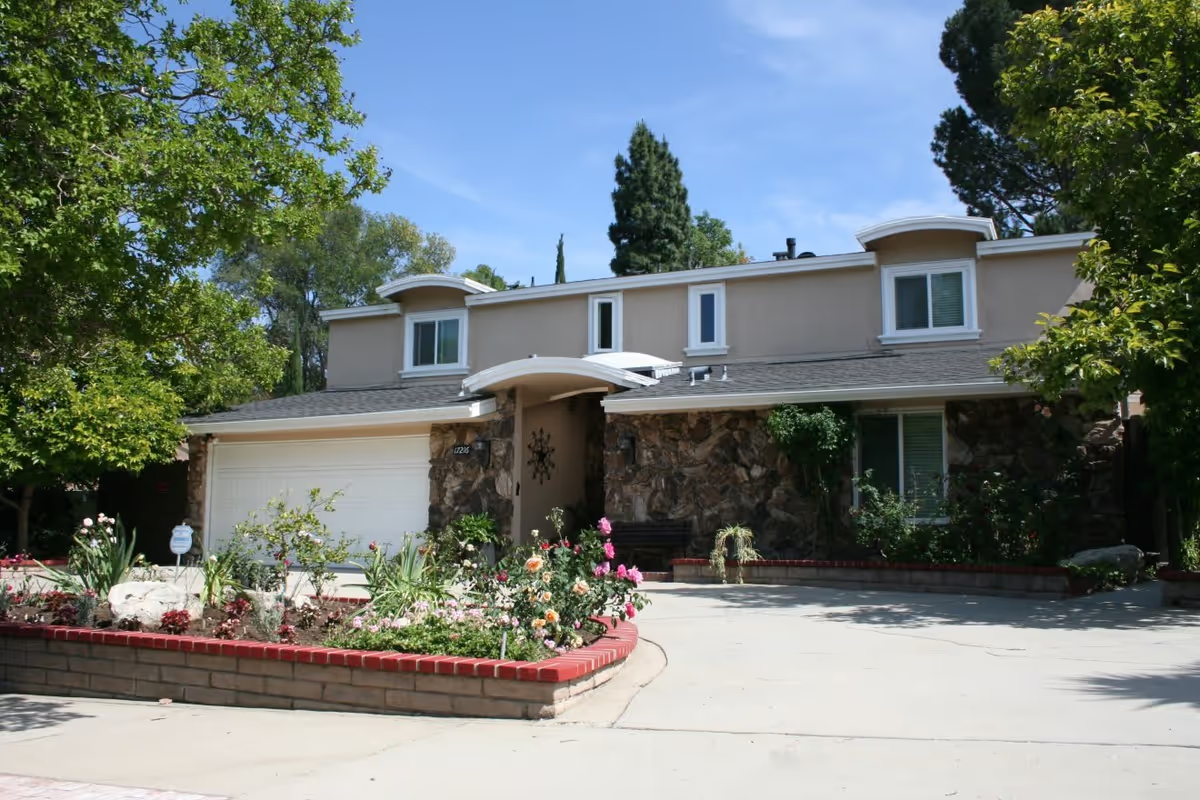
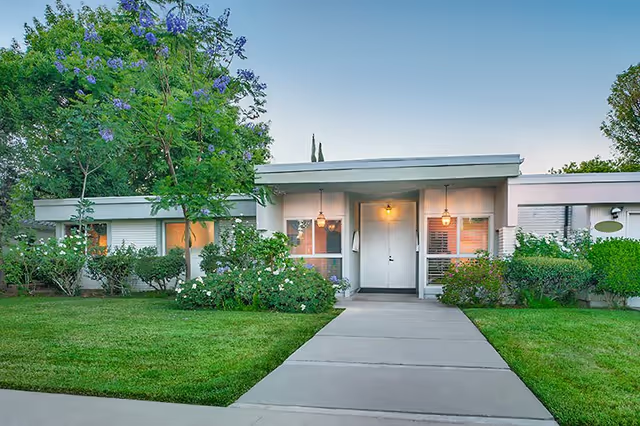
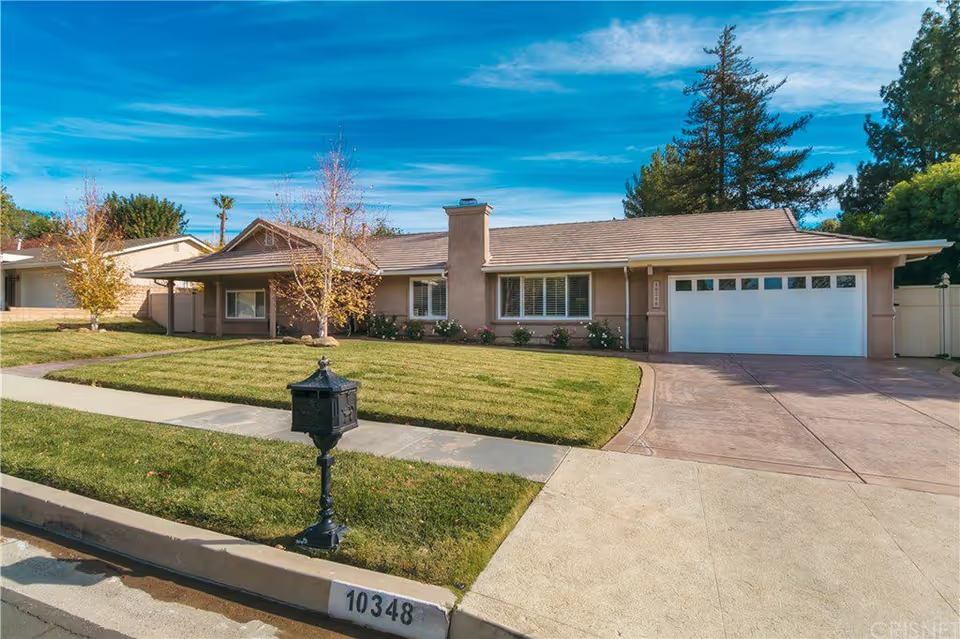
Facilities and environment: The campus and grounds are repeatedly described as attractive and secluded, with outdoor patios and a smaller, less institutional atmosphere. Rooms are generally kept clean with daily housekeeping and adequate parking. At the same time, capacity issues appear in parts of the building — reviewers described high bed-density and shared rooms that reduce privacy. Sanitation and odor concerns were raised for certain common areas and units, indicating uneven maintenance standards across the facility.
Management and notable patterns: Family experiences with administration vary. Several families praised hands-on, compassionate managers and helpful admissions staff who smoothed paperwork and placement. Other comments described limited hospitality staffing at the front desk and a perceived lack of direction during busy periods. There are also a small number of serious allegations concerning end-of-life handling and lost personal items that merit careful follow-up. Taken together, the pattern suggests a facility with solid clinical strengths and an active activities program but with operational weaknesses — particularly in communication, staffing consistency, sanitation oversight, and some areas of clinical documentation and escalation — that can materially affect resident experience.
Recommendation guidance: Prospective residents and families should weigh the facility’s strong rehabilitation and activities offerings and its smaller, garden-like environment against the documented issues with responsiveness, staffing density, and occasional clinical or sanitation lapses. When evaluating Magnolia Gardens, consider targeted questions about current staffing ratios, call-button response metrics, meal/dietary protocols, room-occupancy options, and how management addresses clinical concerns and lost-property or end-of-life issues. A site visit focused on peak-shift staffing and a review of recent infection-control and complaint-resolution records would help clarify whether the facility’s strengths are consistently realized.