The review set for Grand Terrace Health Care Center is highly polarized, with two dominant experience patterns. Many families and clinical partners describe a rehabilitation-focused facility with strong therapy outcomes, attentive caregiving, and a generally clean, well-maintained environment. At the same time, a subset of accounts raises operational and clinical-safety concerns that significantly affect perceived quality of care for some residents.
Care quality and clinical services: Physical and occupational therapy are consistently highlighted as a major strength — reviewers attribute functional gains, improved mobility, and attentive, outcome-focused therapy to the therapy teams. Several accounts praise nursing and clinician bedside manner and describe reassuring, hands-on physician involvement. Conversely, other accounts detail delays in clinical response (including long waits for medication or vitals to be taken), inconsistent pain-management practices, and gaps in staff clinical judgment on certain shifts. A small number of narratives mention regulatory or protective-service involvement; these appear alongside more typical rehabilitation success stories, indicating variability in clinical reliability.
Staff, teamwork, and professionalism: Staff receive mixed but generally positive marks for compassion and individualized attention. Numerous caregivers, CNAs, therapists, housekeeping staff, and administrators are named positively, and many families report clear, frequent communication and accessible department heads. However, reviewers also describe inconsistent conduct and communication tone from some employees, occasional retaliatory or unprofessional behavior, and coordination breakdowns between departments. Staffing shortages and variable shift coverage are recurring themes that reviewers link to slower response times and uneven care consistency.
Dining and nutrition: Dining experiences vary. Several reviewers praise meals and snacks and note good dietary support, while others describe cold or unappetizing food, unmet menu requests, and weight-change concerns. There are specific operational notes about temporary kitchen arrangements and at least one kitchen-related incident; these items suggest occasional interruptions to normal meal-service procedures and the need to confirm current meal oversight and accommodation capabilities.
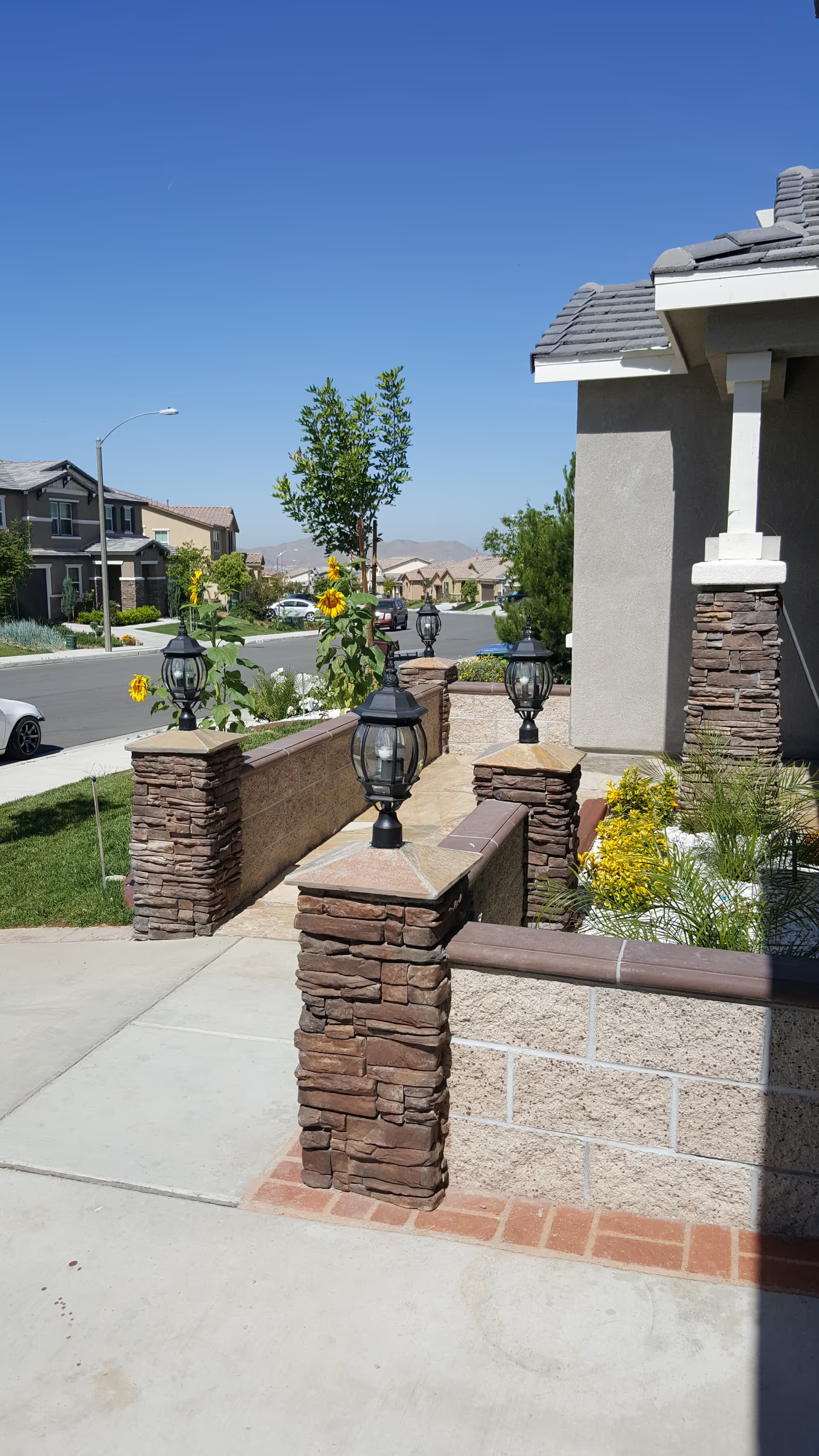
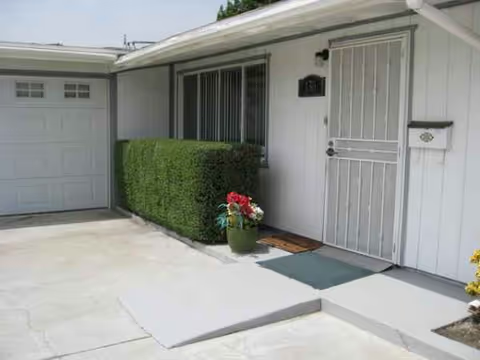
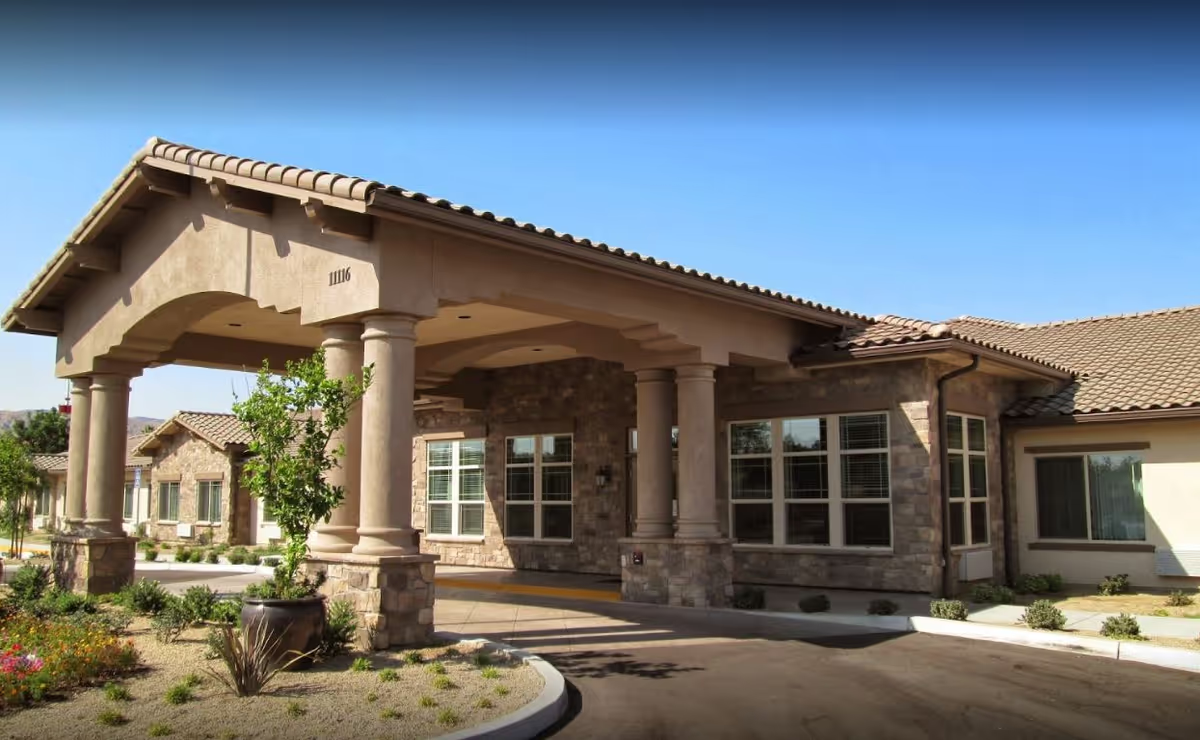
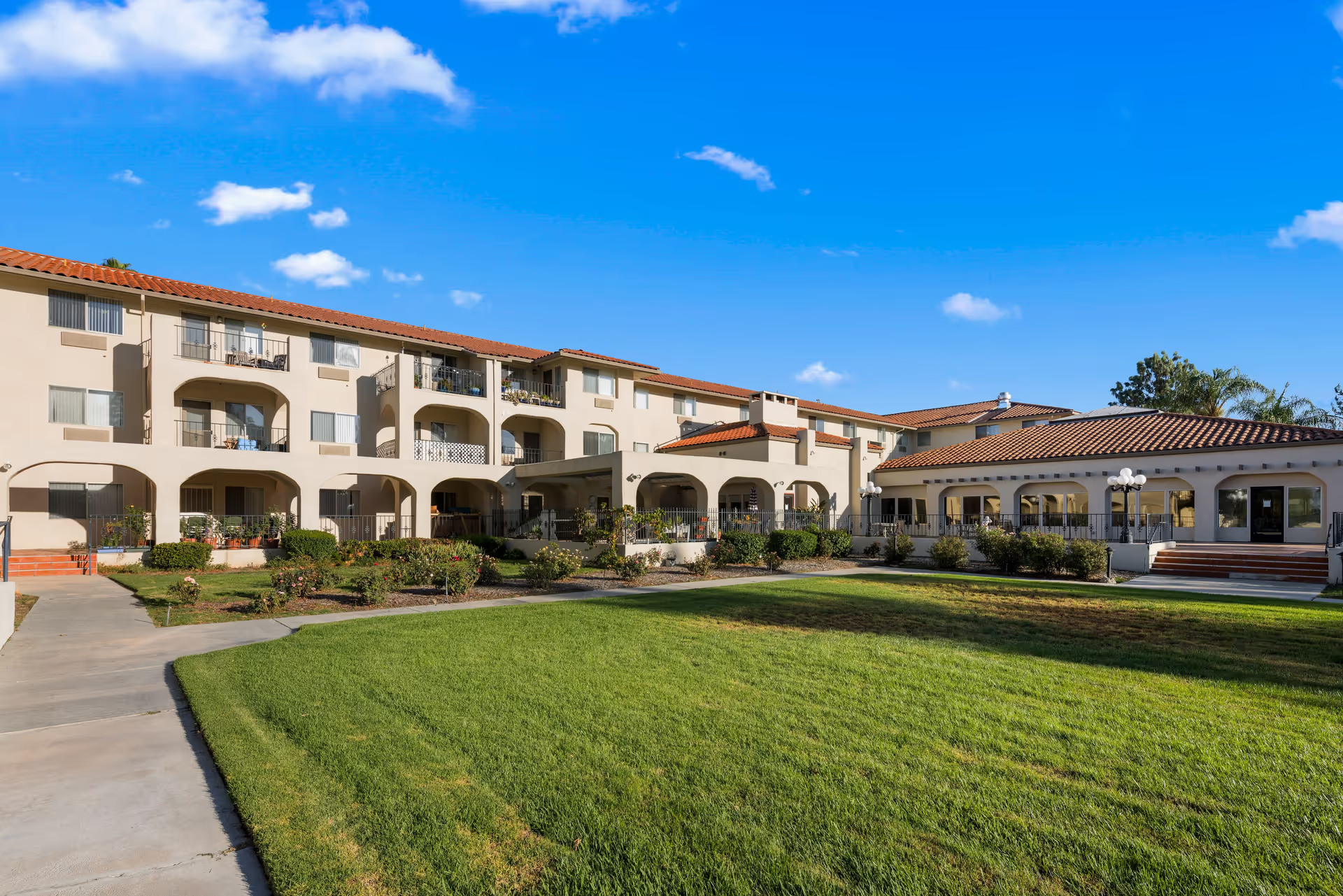
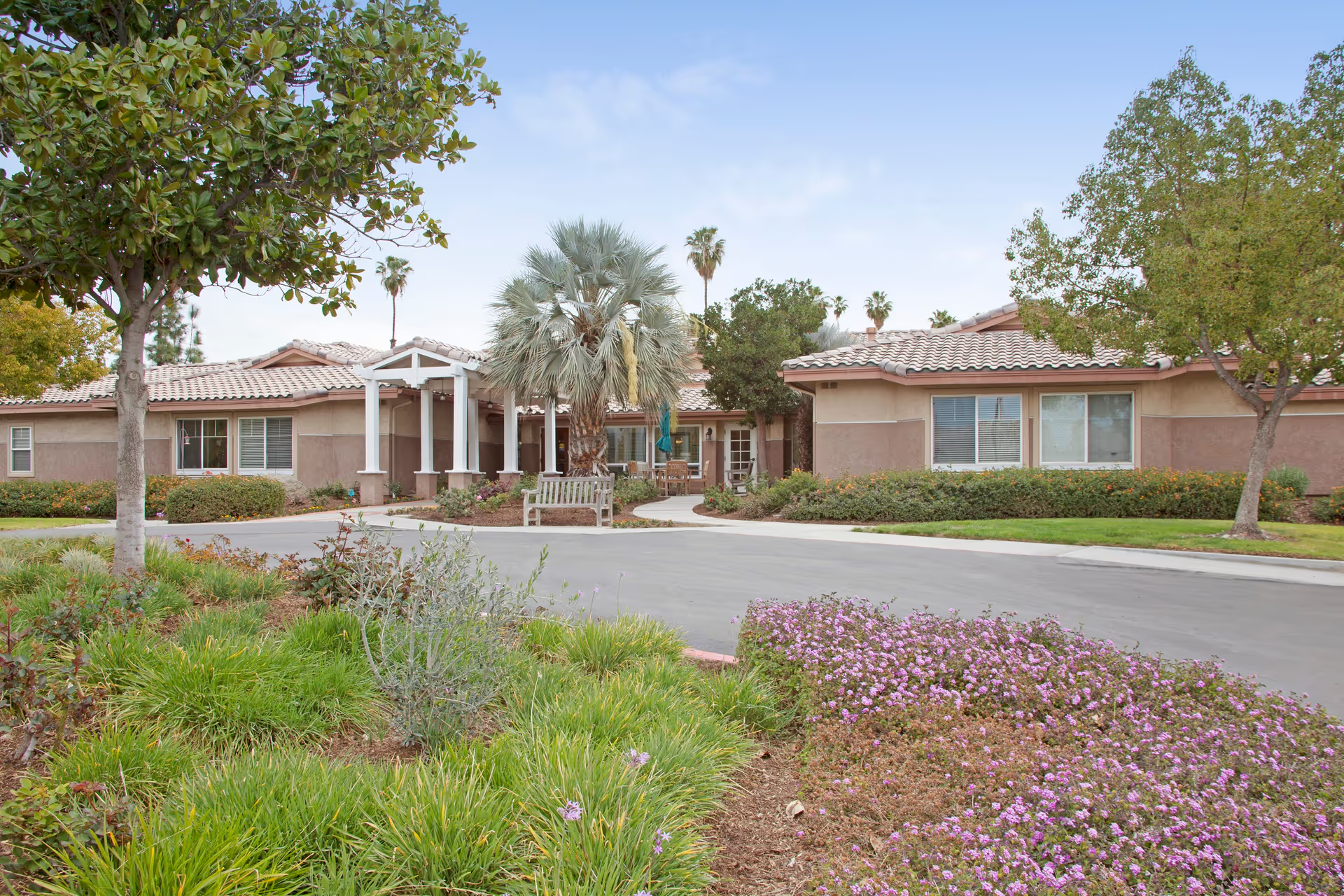
Activities, amenities, and facilities: The facility is frequently described as clean, with active programming, outdoor visiting spaces, a spa/gym, and a generally welcoming atmosphere. Rehabilitation amenities and engaging activities are strengths for many residents. At the same time, some reviewers note discrepancies between online photographs and actual room condition, occasional odor or sanitation concerns in common areas, and variability in room quality. Maintenance and housekeeping receive strong praise in many accounts.
Management and operations: Leadership is often described as approachable and hands-on, with specific administrators and department heads receiving direct commendation. Yet a subset of reviewers report poor follow-through, slow phone responsiveness, and inconsistent case management. Notably, there are allegations related to lost or mishandled personal items and one or more claims of theft or property mismanagement; these are serious individual concerns that some families raised alongside other operational criticisms.
Notable patterns and considerations for prospective families: The facility appears to deliver very good rehabilitative care for many residents and to employ numerous committed, skilled staff. However, variability in staffing levels, responsiveness, medication handling, and certain operational controls creates a mixed quality profile. Prospective residents and families should weigh the strong therapy and activity programs against the reported inconsistencies in night/evening coverage, medication administration, dietary fulfillment, and personal-property safeguards. An in-person tour, direct questions about weekend and evening clinical coverage, medication protocols, dietary accommodations, and property-loss safeguards is advisable to determine whether the facility’s current operations match an individual resident’s needs.