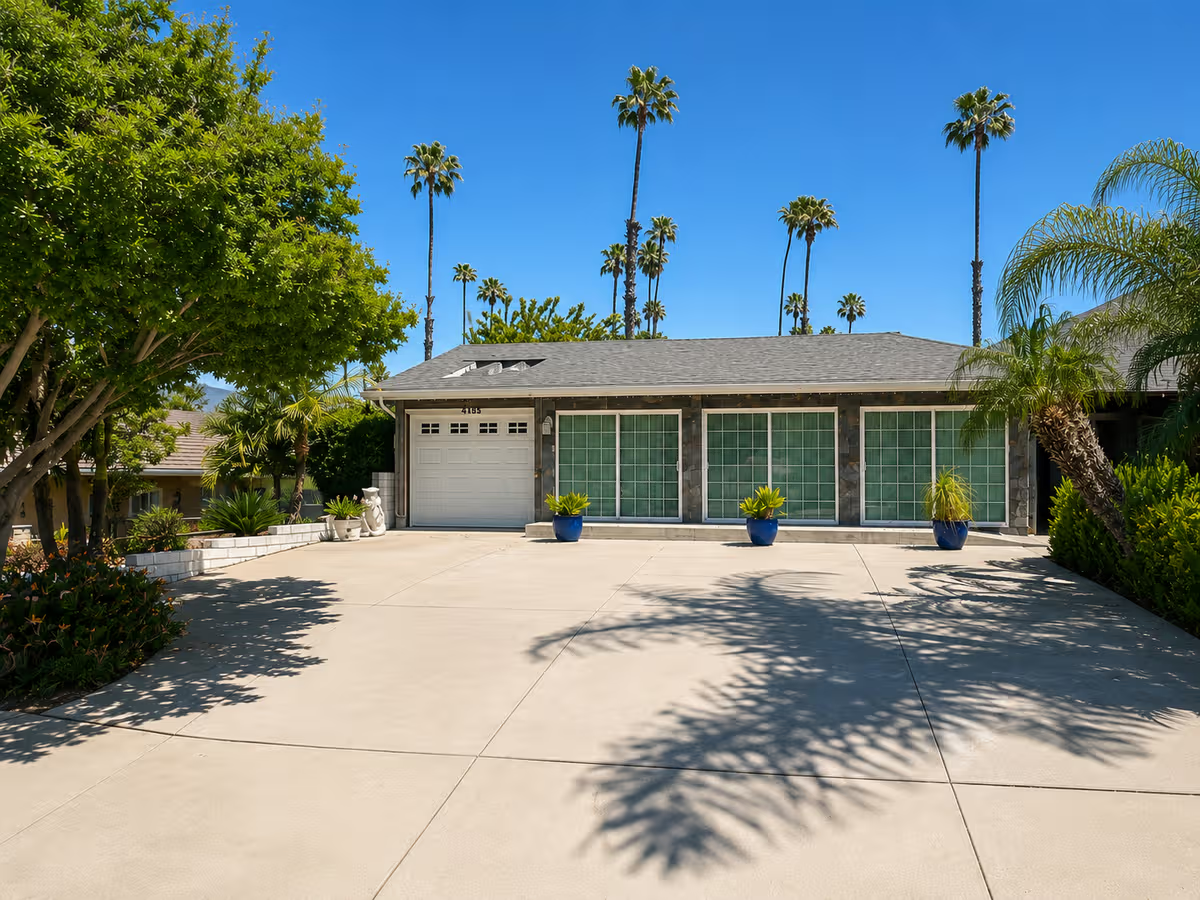
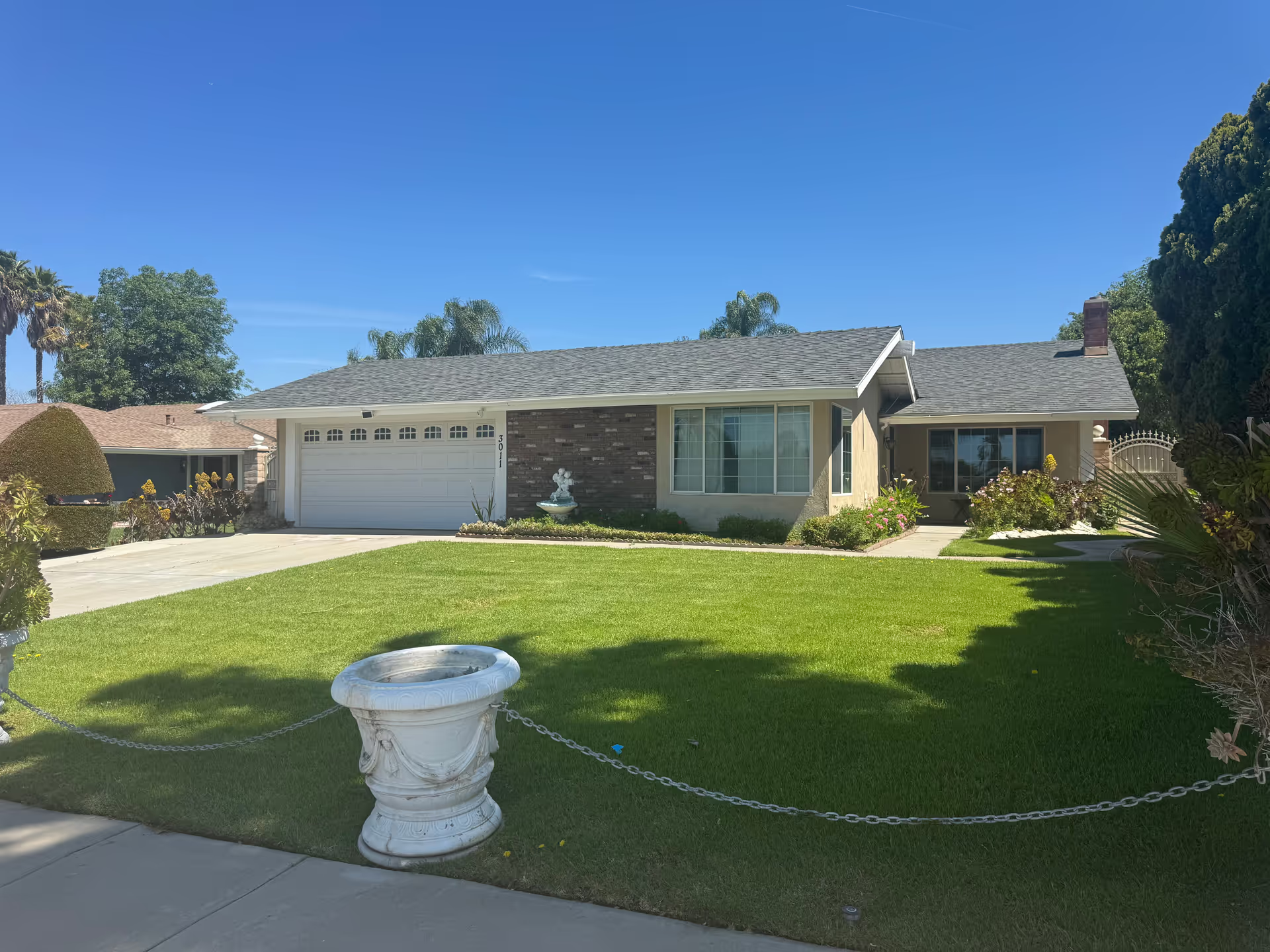
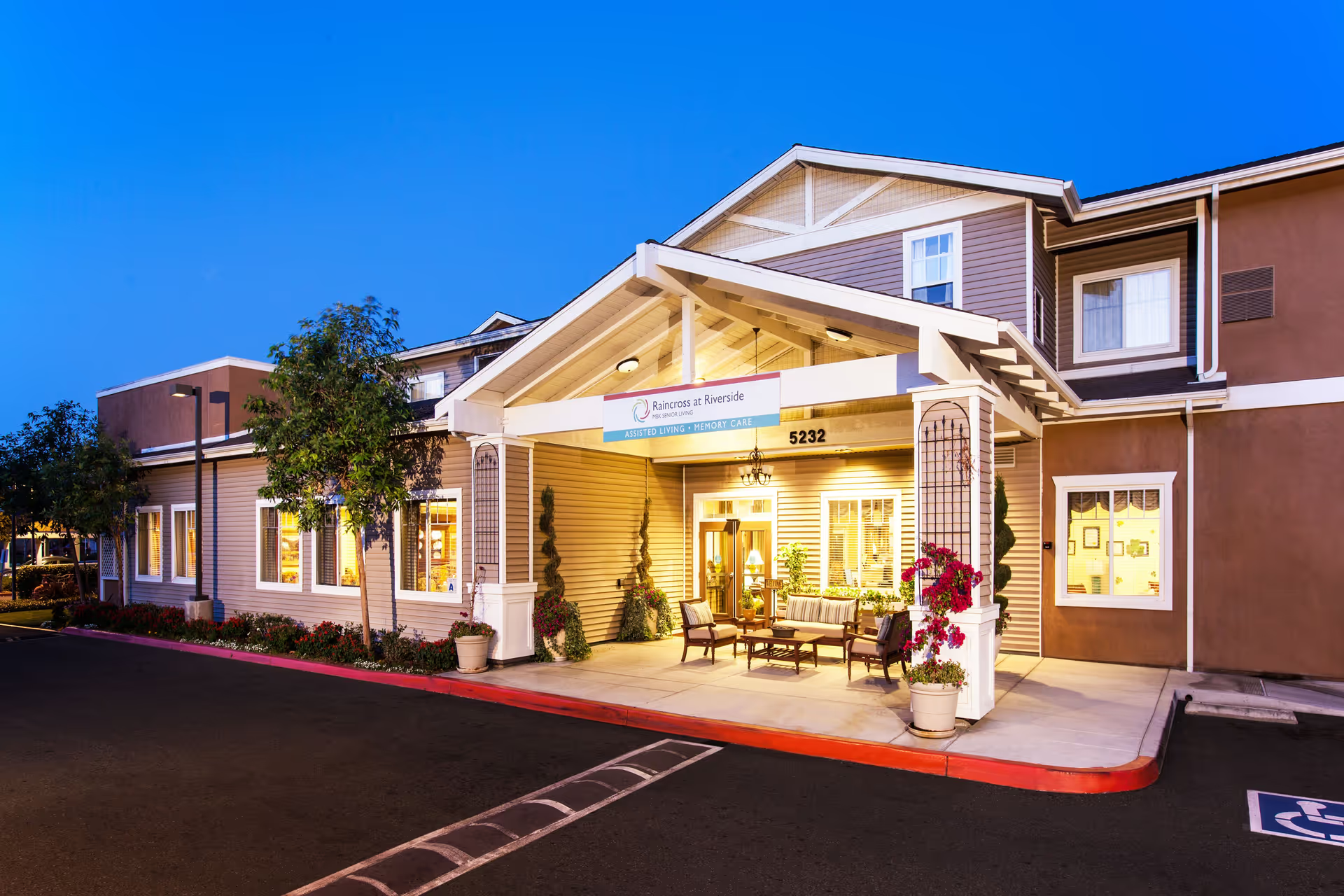
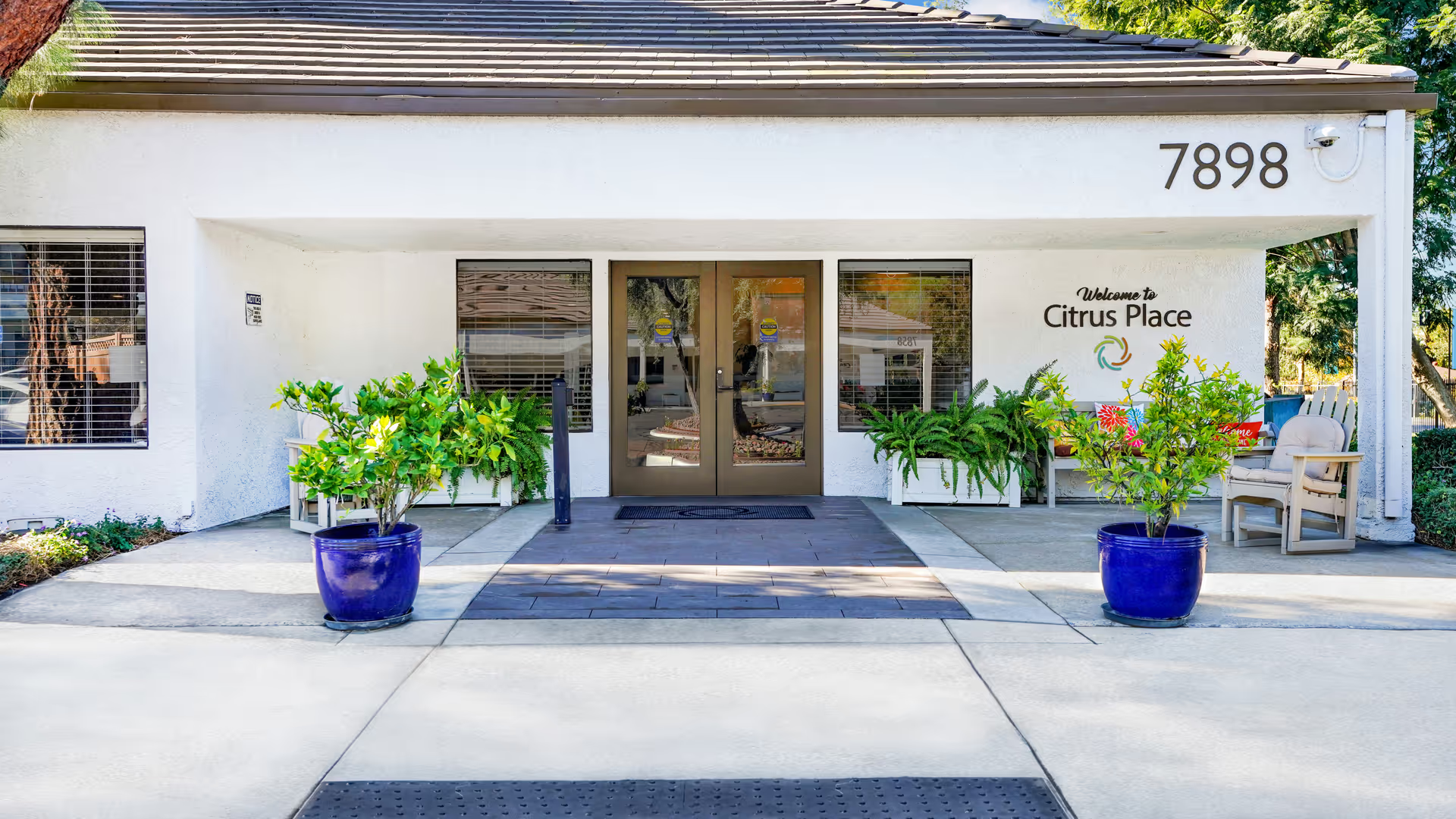
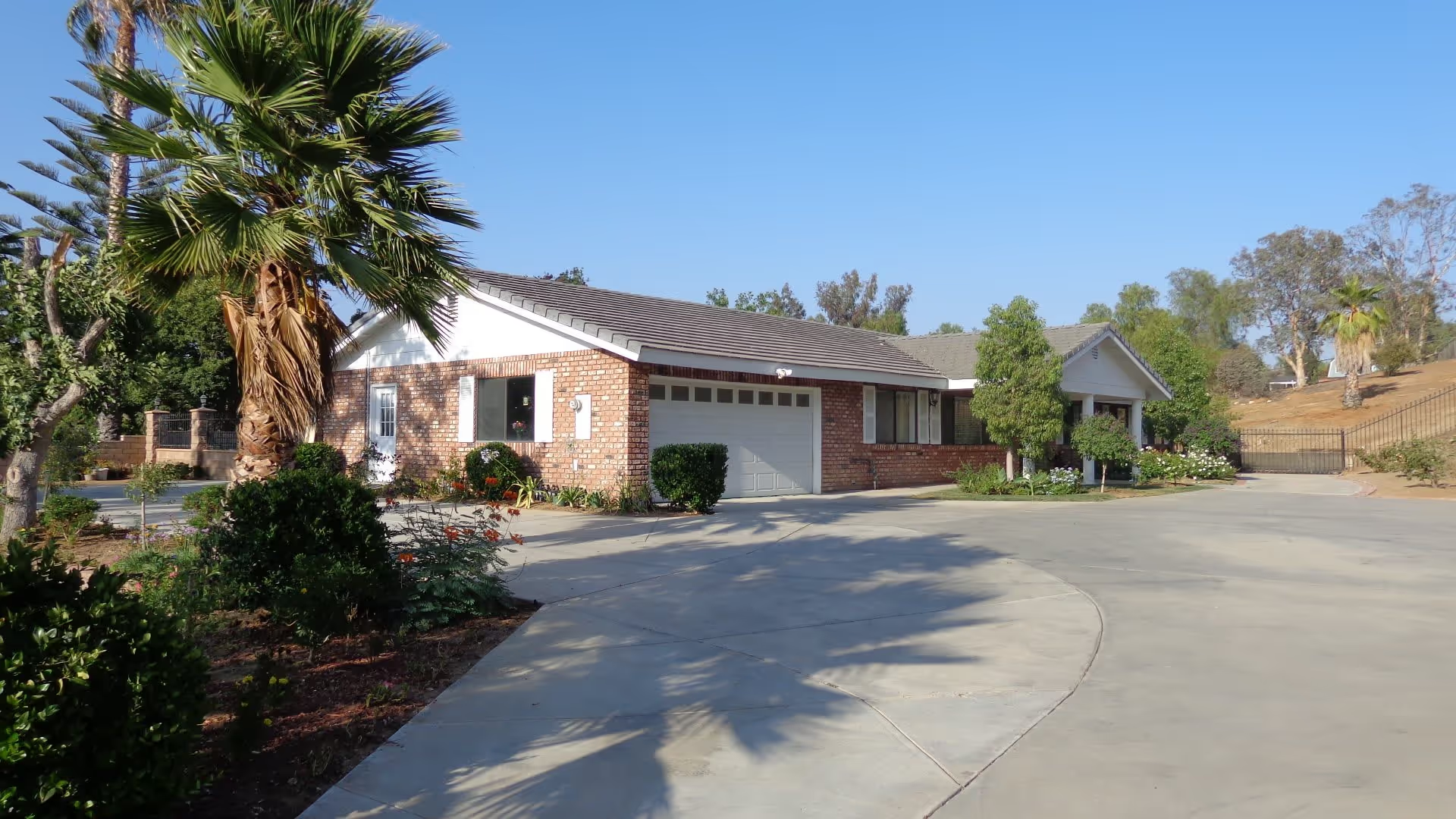
Overall impression Sunrise at Canyon Crest is consistently described as a small, cottage-style assisted living community with a home-like atmosphere and strong emphasis on personalized care. The dominant themes among families are the consistent, long-tenured staff and a caregiving approach that emphasizes familiarity—staff commonly learn residents’ names and preferences. The layout (single-story cottages, private rooms, accessible bathrooms, and park-like grounds) supports a residential rather than institutional feel, which many families connected to improved mood and engagement among residents.
Care quality and clinical support Clinical strengths cited include reliable medication administration, active wellness and nursing involvement, coordinated care with physicians, and seamless hospice integration when needed. Families commonly praised the wellness team for providing timely health updates and for following up with physicians. That said, the community appears best suited to residents who need assisted living and memory-care services rather than high-dependency skilled nursing; reviewers highlighted limits on clinical-level care and noted occasions when night coverage and staffing for very high-acuity needs were constrained. There are also occasional mentions of variability in responsiveness to call lights and delays in assistance during busy periods.
Staff and management Staff are described as compassionate, consistent, and relationship-focused; many accounts emphasize individualized attention, small acts of kindness, and proactive family outreach. Long staff tenure and approachable leadership are credited with creating a calm, family-like culture. However, there is variability in managerial interactions and customer-service experience: while many families found leadership accessible and communicative, a minority described insensitive or unhelpful administrative interactions. Several reviews also flagged billing changes and variability in service delivery as areas where administrative clarity could improve.
Dining and activities Dining is a widely reported strength. Multiple reviewers described chef-prepared, nutritious meals with menu variety, restaurant-style communal dining, and positive effects on weight and appetite. The activities program is robust, with arts, exercise, music therapy, gardening, outings, and social events tailored to memory-care residents as well as more independent occupants. Pandemic-related and infection-control measures sometimes curtailed activities or outings, which families should consider when evaluating current programming availability.
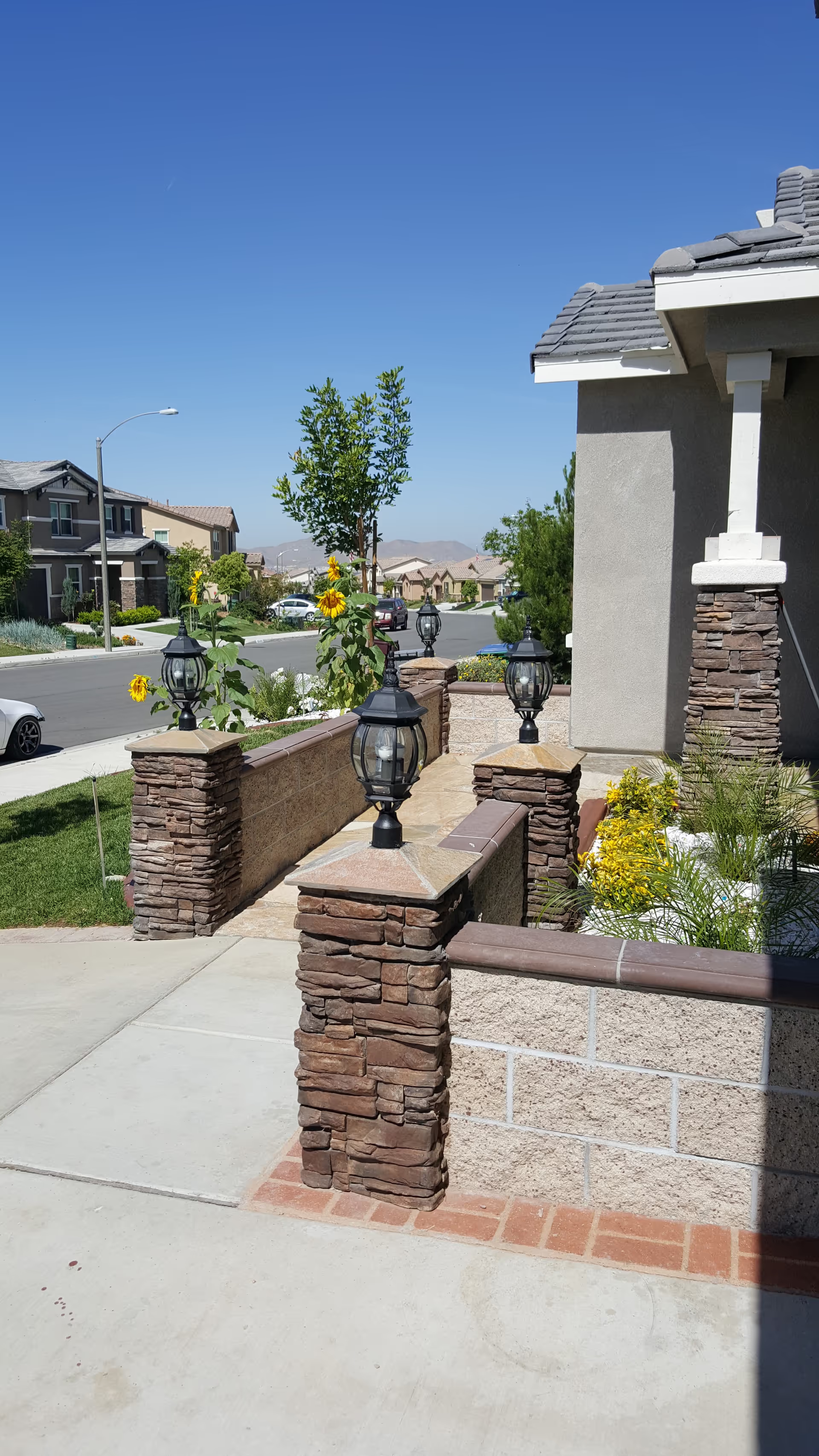
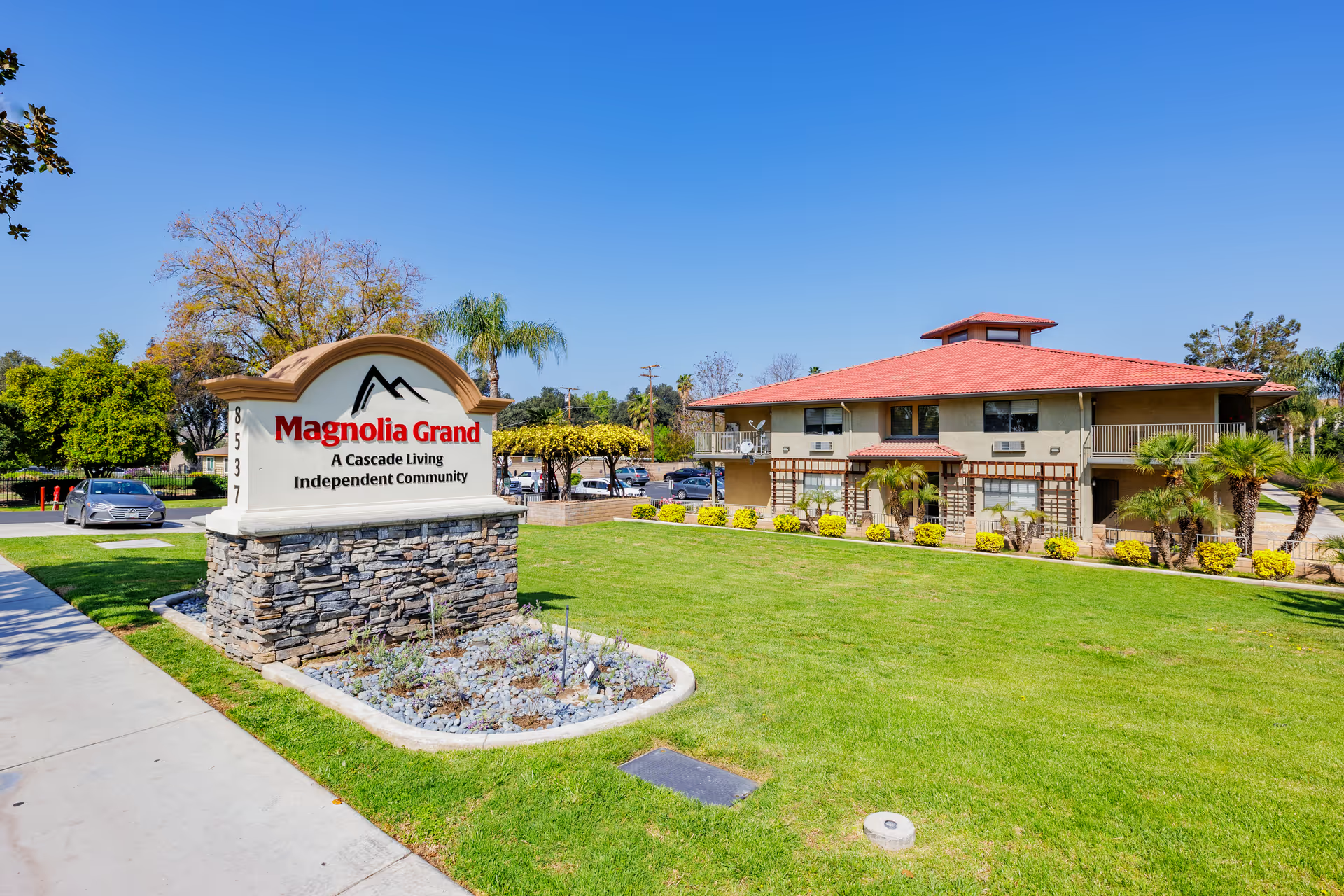
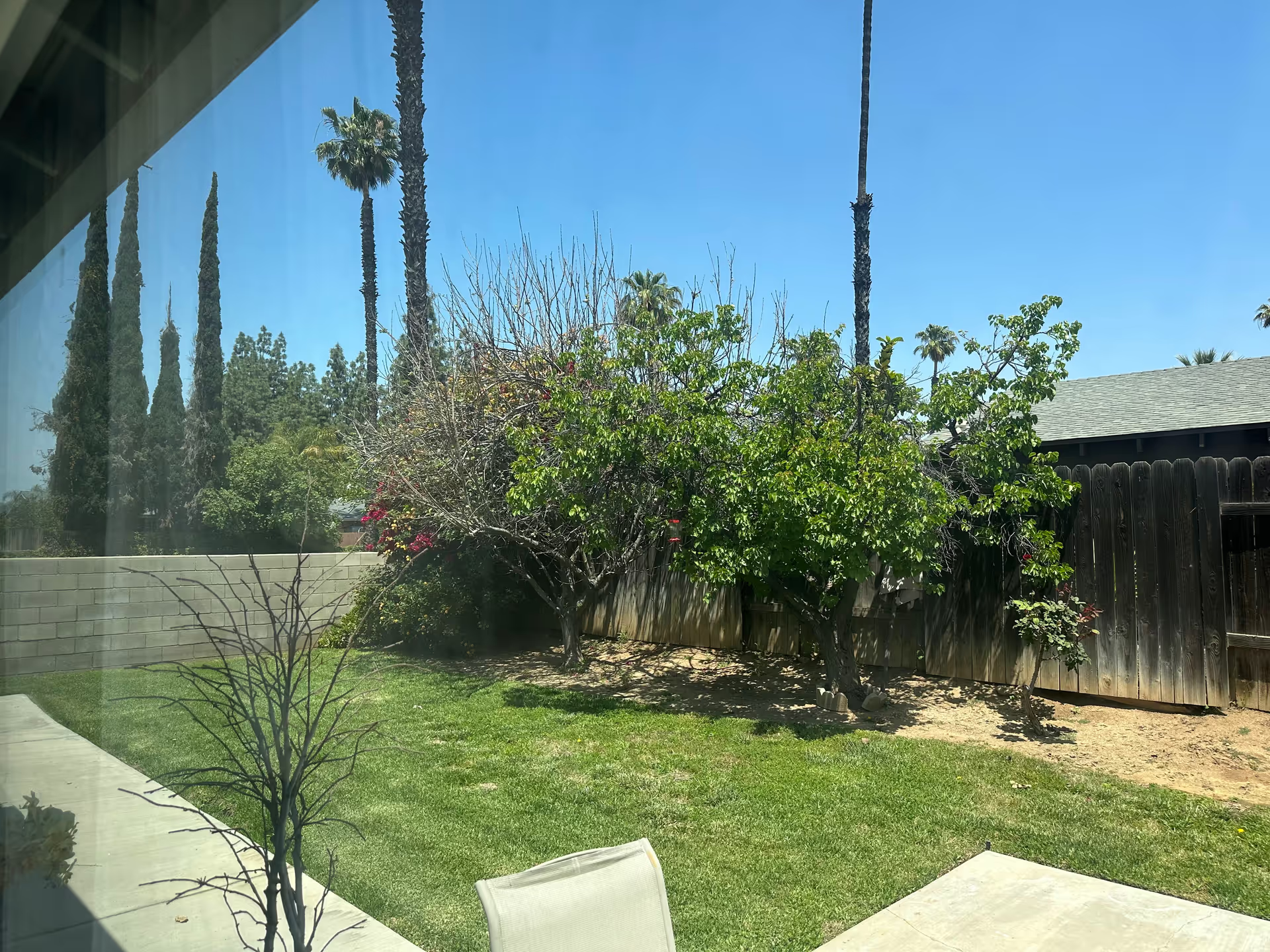
Facilities and amenities The physical campus receives strong praise: well-maintained landscaping, walking paths, patios, single-story cottages, private dining spaces, and on-site amenities such as salon services and shuttle transportation. Room sizes vary; many families appreciated the studio-like apartments with ample storage and large bathrooms, while others noted rooms they considered smaller than expected and a limited supply of larger two-bedroom units.
Notable patterns and cautions The overall pattern is heavily positive, centered on personalized caregiving, strong communication, good dining, and an active engagement program. Recurrent cautions include the facility’s cost, occasional understaffing (especially at night), and variability in responsiveness and managerial interactions. There are a small number of serious individual claims—including allegations related to personal-item handling—which prospective families should clarify during visits. A handful of reviewers found the community not to be the right fit for very high-acuity needs or for expectations around unit size and pricing.
Practical considerations for prospects Prospective residents and families should weigh the community’s strengths in personalized memory care, dining, and activities against affordability and the level of clinical support required. Recommended topics to address on a tour include staffing ratios (day and night), protocols for higher-acuity care, billing and fee-change policies, incident handling and personal-item procedures, availability of larger units, and current activity schedules given any infection-control measures. Overall, Sunrise at Canyon Crest presents as a well-regarded, small-scale assisted living and memory-care option with notable strengths in staff continuity, resident engagement, and dining, balanced by operational considerations around cost, staffing, and administrative consistency.