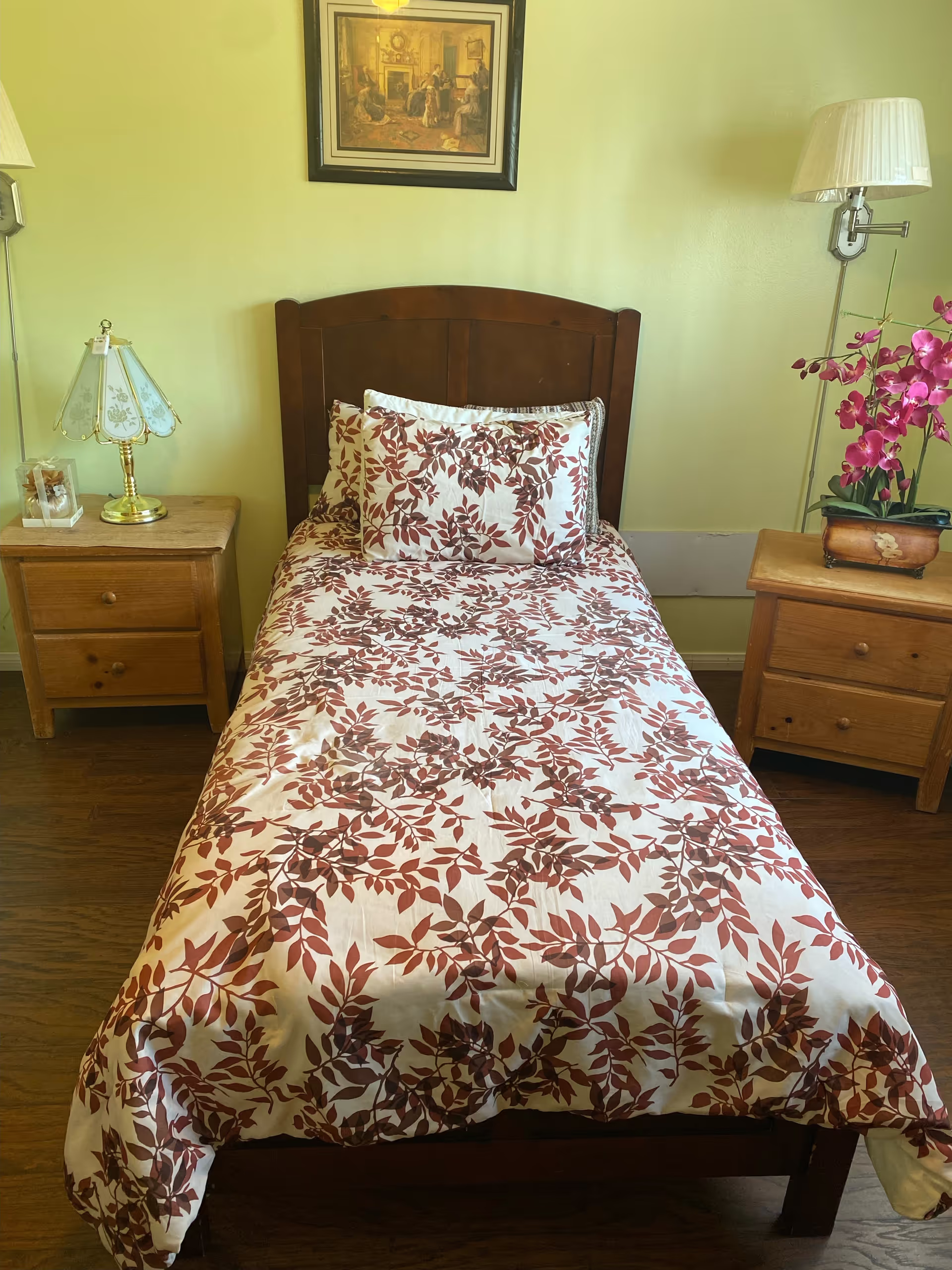
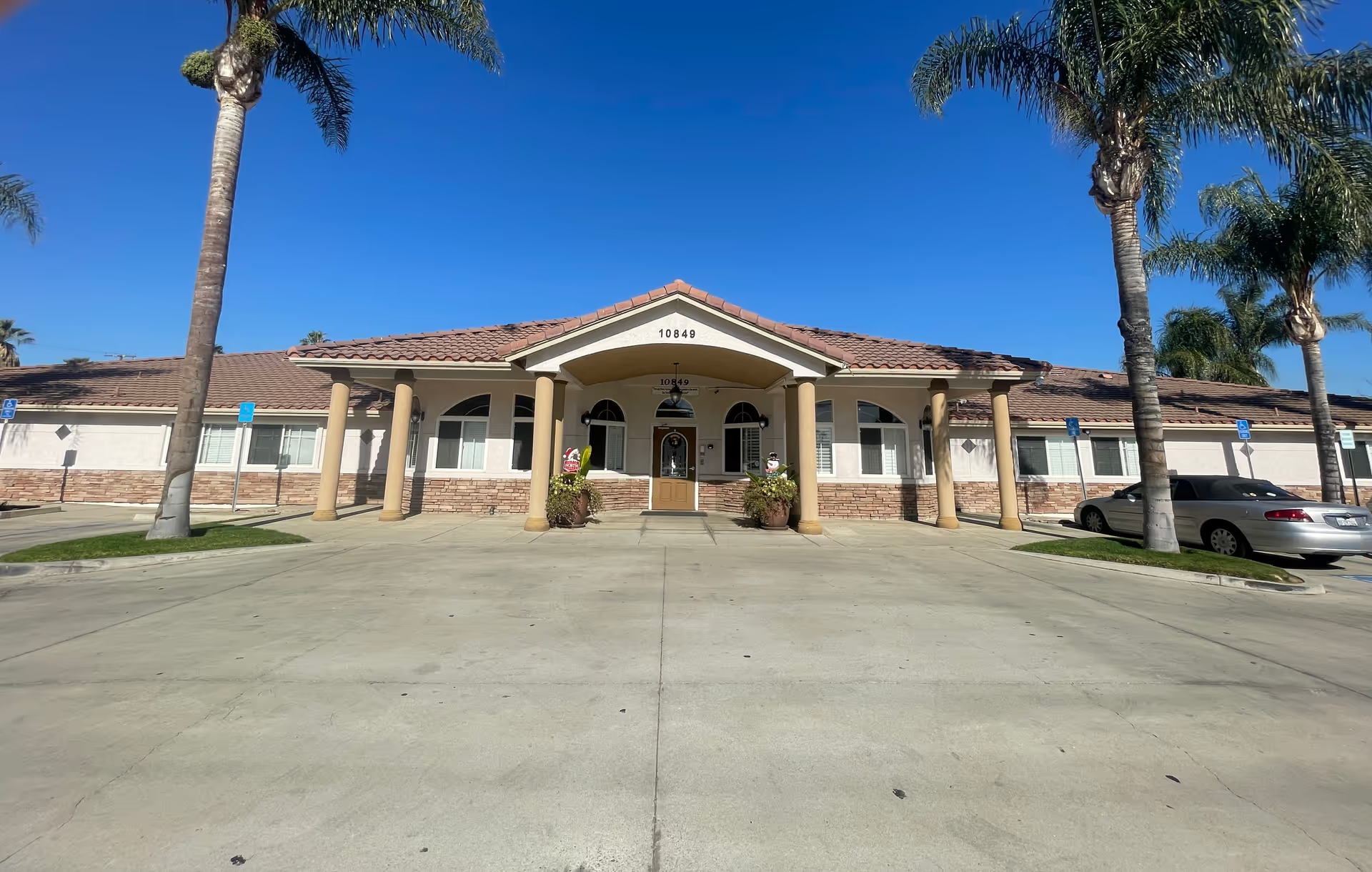
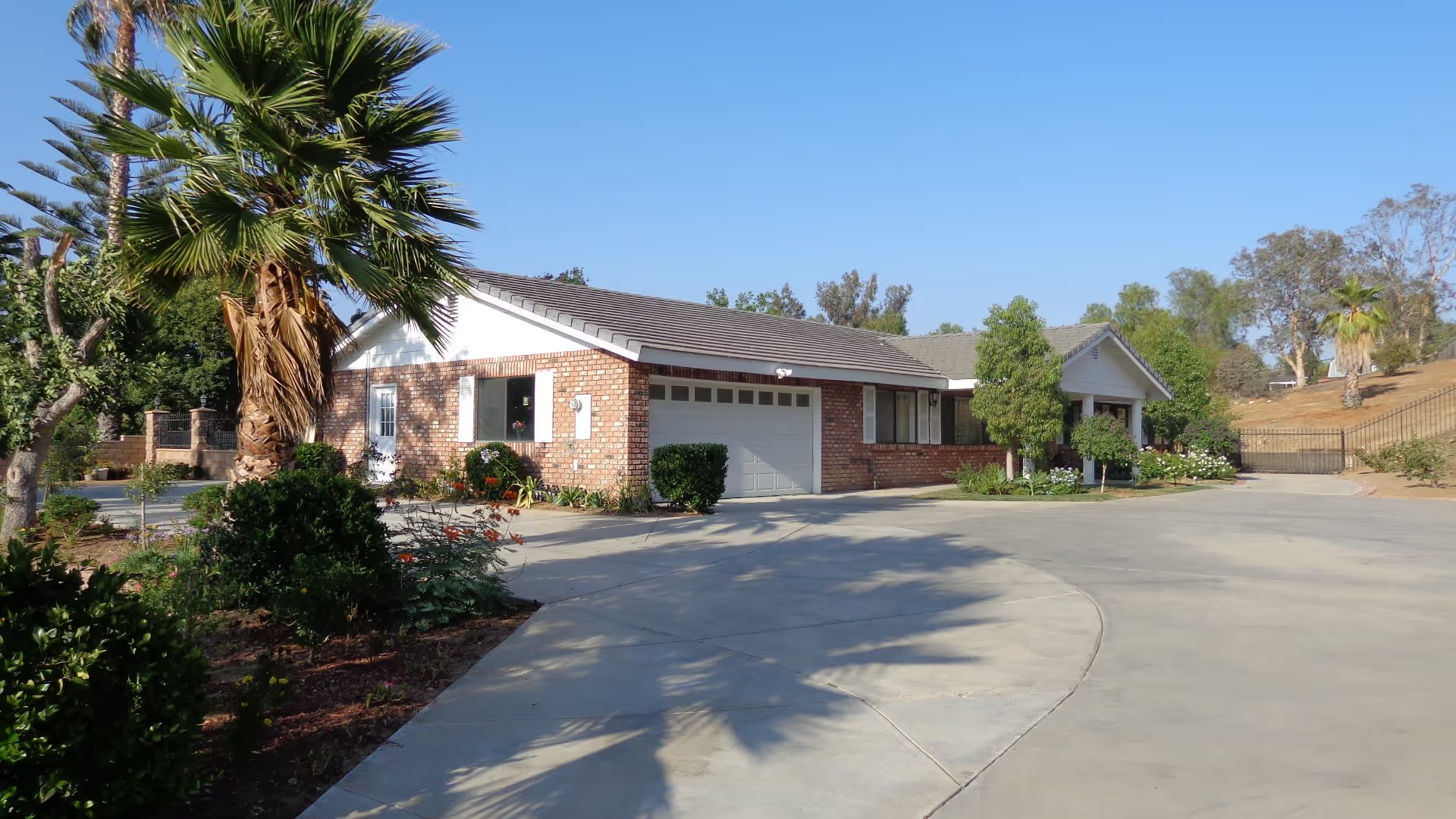
Magnolia Grand presents as a primarily independent-living community with clear strengths in staffing, upkeep, amenities and social programming. Reviews consistently highlight professional, caring staff and long-tenured employees who foster a welcoming, home-like atmosphere. The property is frequently described as clean and tastefully maintained, with hotel-like common areas, remodeled units in parts of the property, and a range of amenities such as a salon, gym, game rooms, libraries and scheduled transportation to medical appointments and shopping. Apartments are often praised for being spacious for an independent living setting, and many residents appreciate the active social environment and organized programming.
Care and clinical capacity: The facility operates as an independent-living community without an internal assisted-living progression; personal-care or higher-acuity services are typically arranged through contracted outside agencies. Families and residents report attentive front-line staff and good communication around routine checks and needs, but the model means Magnolia Grand is not suitable for individuals who require onsite assisted-living services or clinical transitions. A few comments point to variability in responsiveness or staff conduct in specific instances, and reviewers described dependence on external caregivers when additional care is required.
Staff and management: Staff professionalism, friendliness and personalized engagement (learning names, individualized greetings) are recurring positives. Administrative communication and proactive follow-up are also praised by many families. At the same time, there are patterns of concern related to management consistency—several accounts describe a decline in service quality or leadership clarity after a change in ownership, as well as unmet promises about equipment or program upgrades. There are also isolated but significant complaints involving fee disputes and refund handling; such complaints should be considered when evaluating contractual terms and financial protections.
Dining and food service: Dining is a focal point of mixed feedback. Many residents commend the restaurant-style dining, daily meals and occasional high-quality offerings from skilled chefs. Conversely, there are repeated notes about inconsistent food quality, limited variety (including vegetarian options), salty or dry preparations, and variability in meal service. Some reviews reference kitchen-operations problems and earlier health-inspection issues that were later addressed; these accounts translate to an operational risk area around food-service continuity and sanitation standards.
Activities and social life: Activity programming is a strength for Magnolia Grand. The community offers a wide range of on-site clubs, games, educational events, outings and regular monthly programming, which many residents cite as supporting social engagement and wellbeing. Activity offerings were understandably curtailed during infection-control periods; some reviewers noted effective in-room activities during those times, while others missed the full breadth of communal programming. Overall, the active schedule and engaged resident population are significant draws.
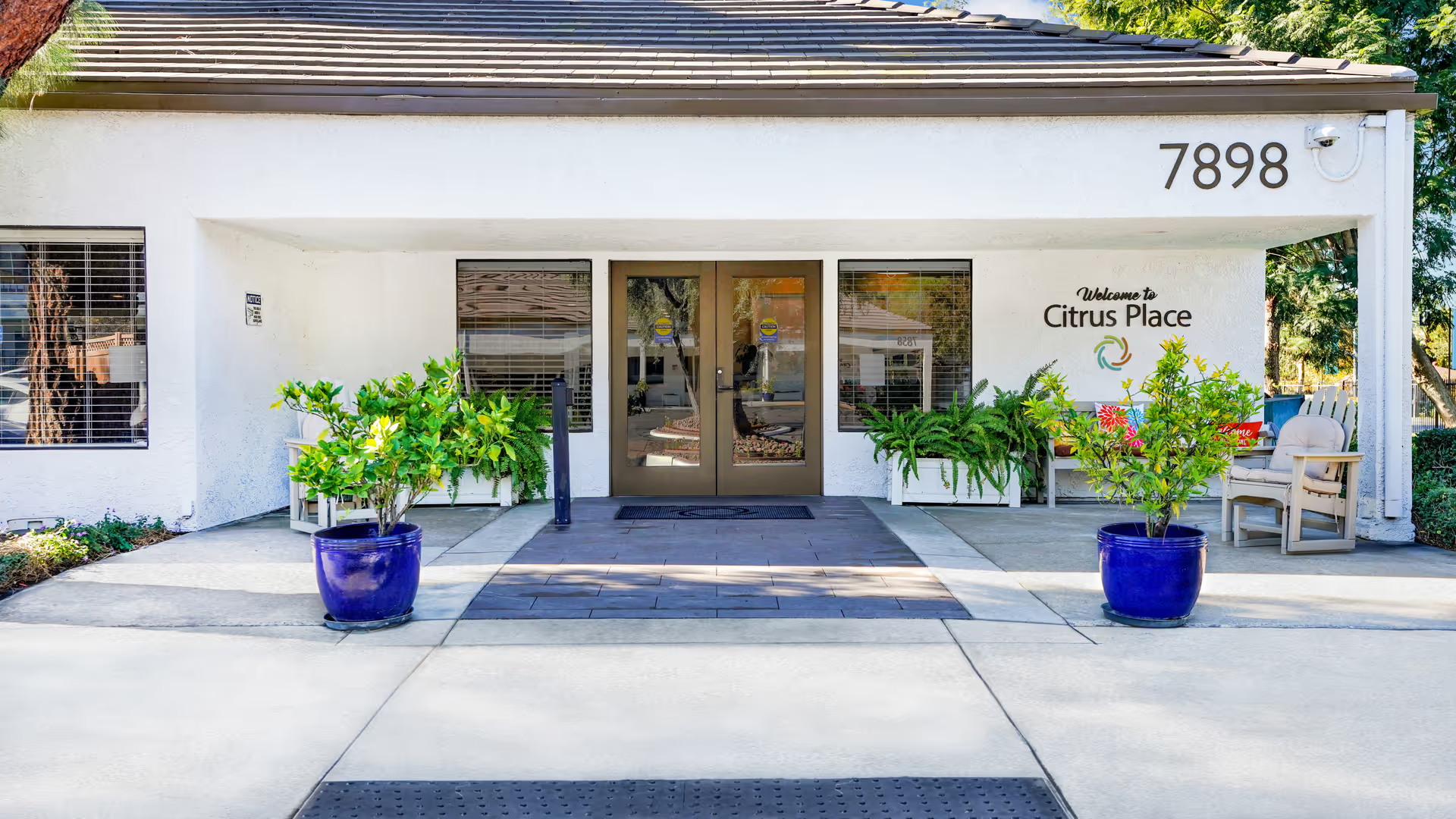
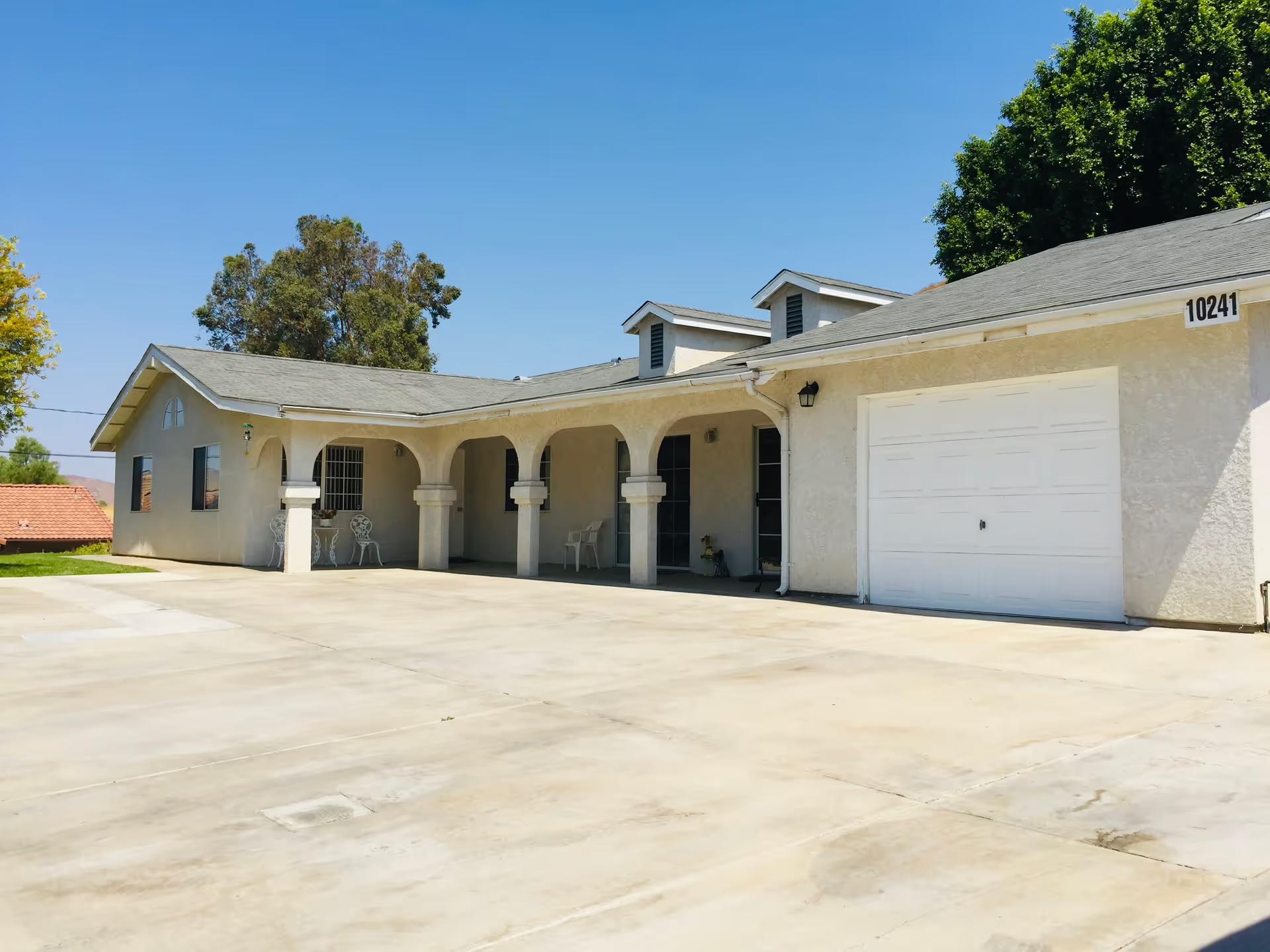
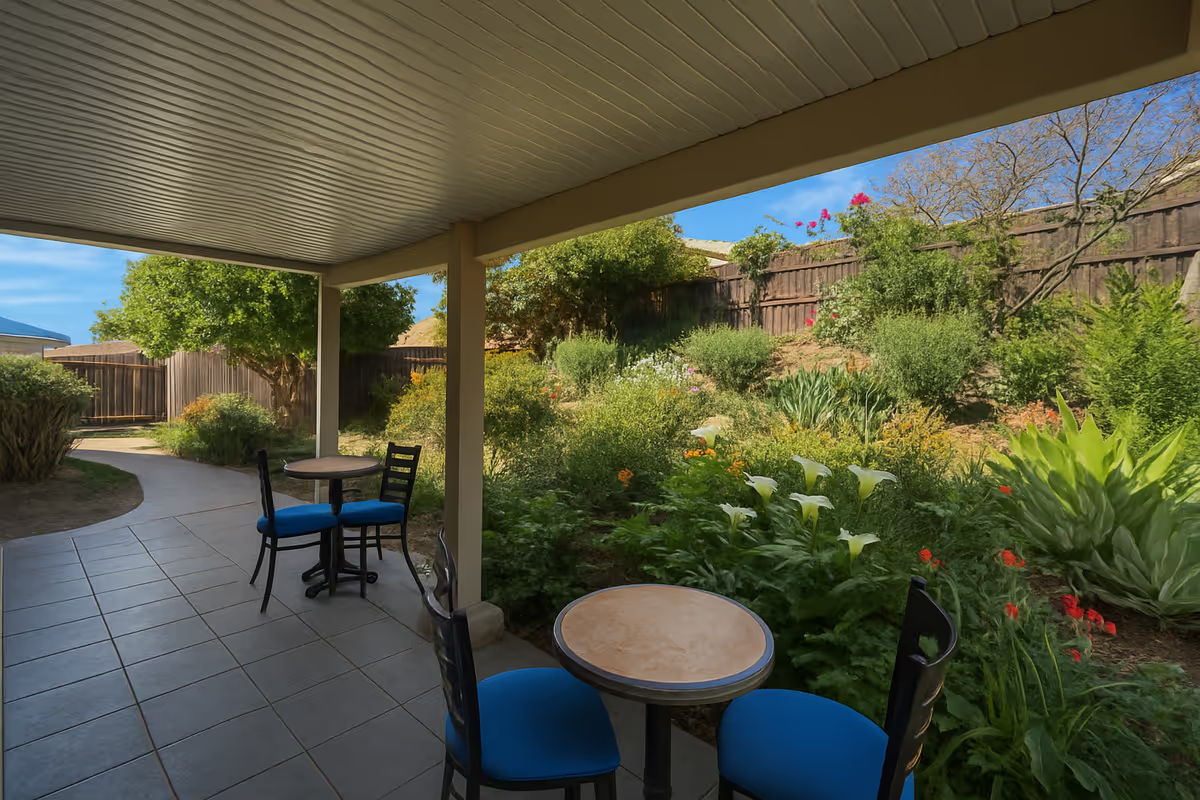
Facilities and environment: Physical facilities receive frequent praise for cleanliness, tasteful décor and maintenance responsiveness (for example, timely HVAC repairs). Renovations and refurbishment work are in progress in parts of the property; this has refreshed many areas but also produced temporary disruption for some residents. Notable limitations include restricted outdoor grounds and limited direct yard access for lower-floor units; the property is optimized for indoor communal living rather than extensive outdoor recreational space.
Notable patterns and recommendations for prospective residents: The most consistent positives are caring staff, strong housekeeping/maintenance practices, robust social programming and a suite of on-site amenities that support independent living. Areas to investigate during a visit include current dining menus and recent kitchen inspection history, explicit details about fees (nonrefundable activity fees, rent increases and the refund policy), the facility’s process for arranging contracted caregiving services, and the timeline and impact of ongoing renovations. Prospective residents who expect a future need for assisted-living care should clarify transition options, since on-site progression is limited. Finally, given mixed accounts about management changes and isolated allegations around financial disputes, families may wish to request written guarantees or references related to billing and refund practices before signing a lease.