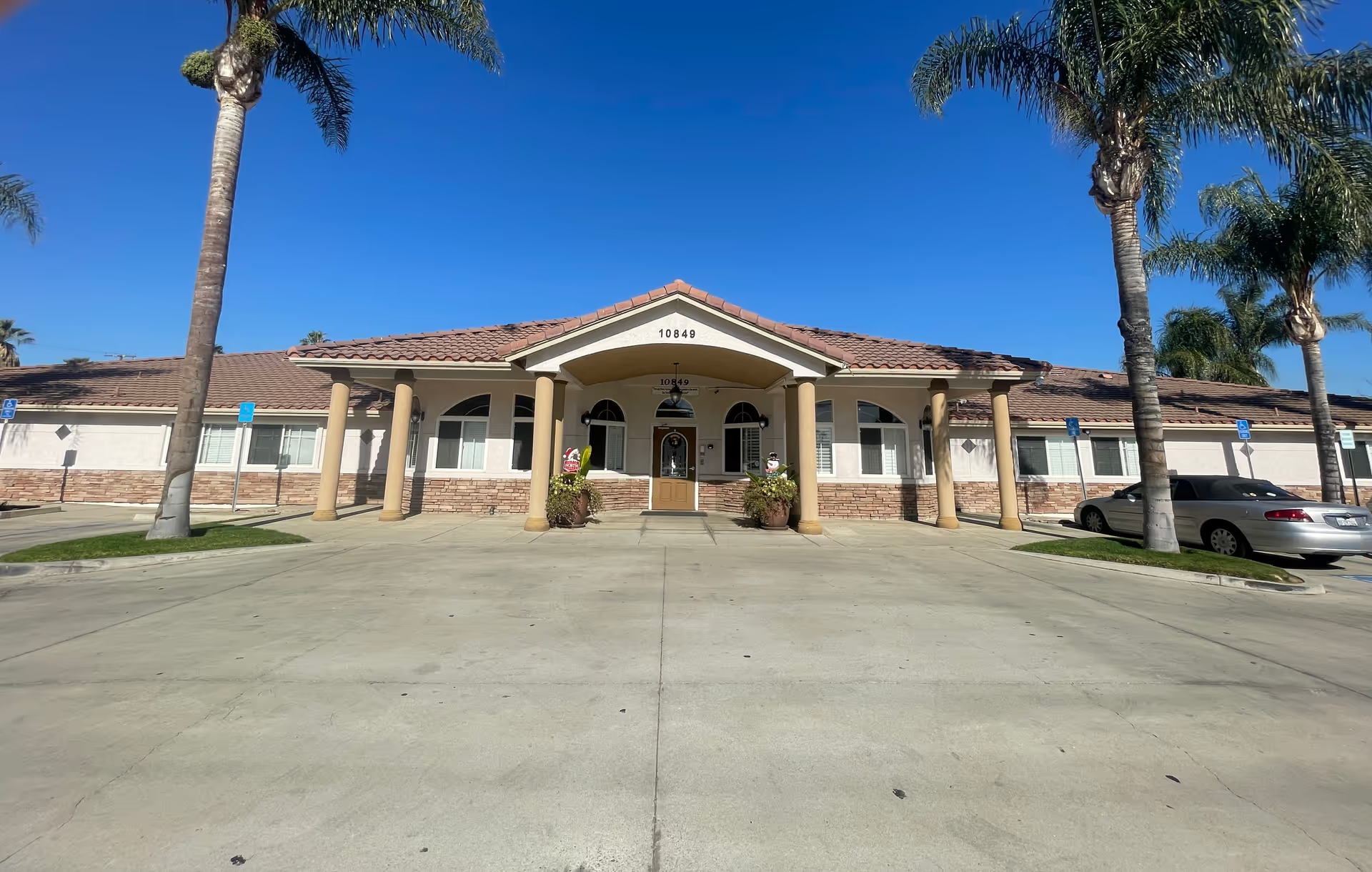
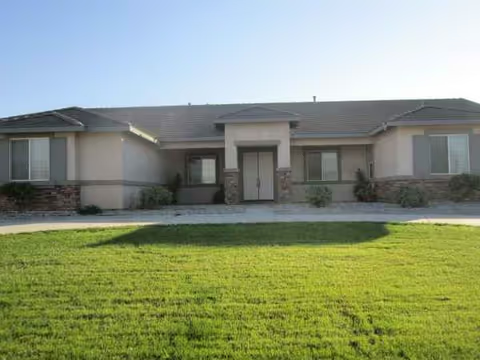
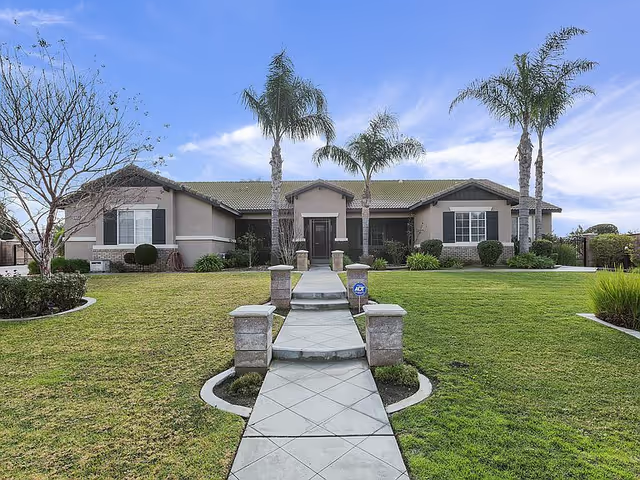
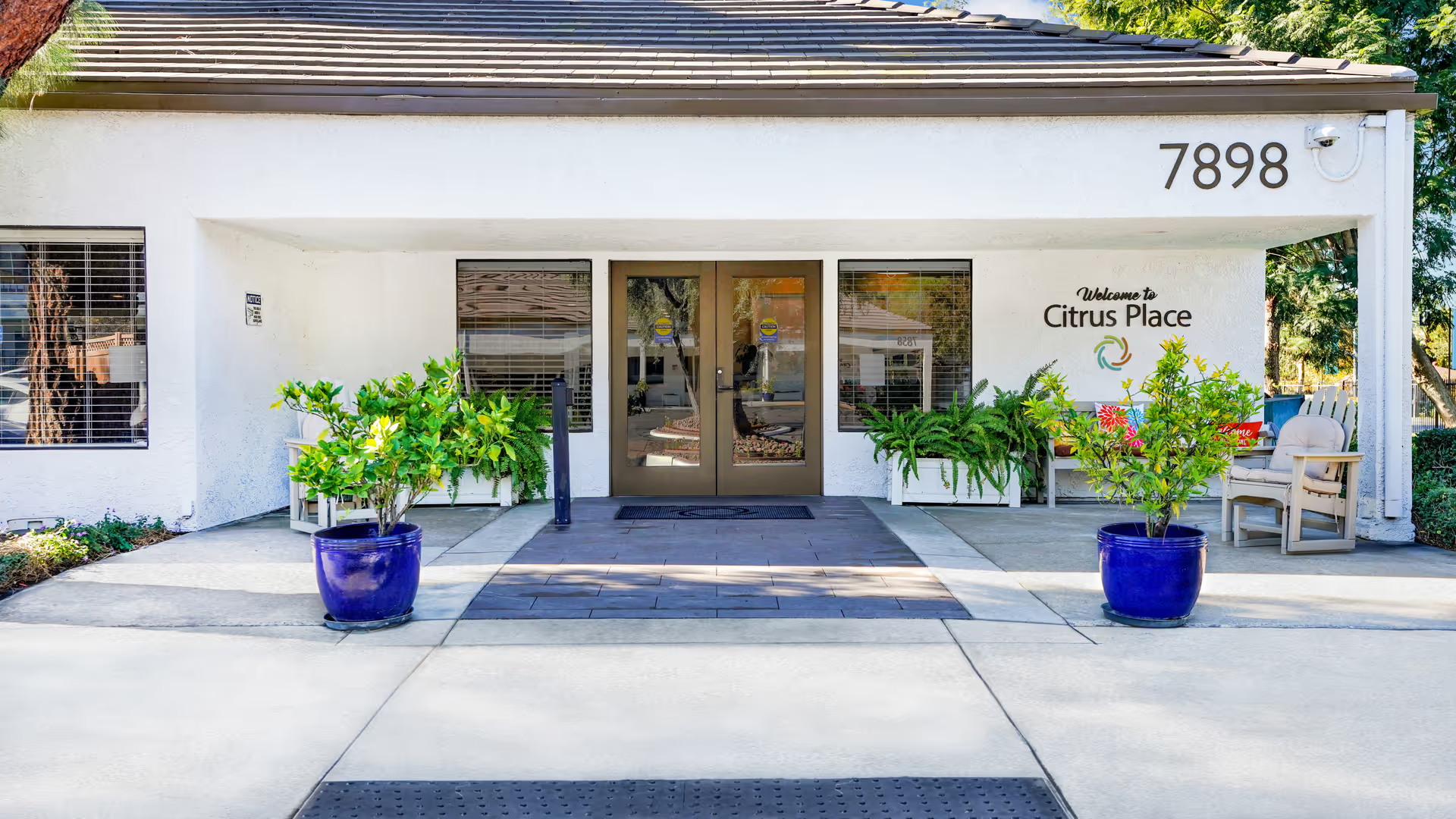
Overall impression: Reviews portray Cottages at Riverside as a small, cottage-style memory-care community with a strong emphasis on social engagement and a homelike atmosphere. Many families highlight consistent cleanliness, attractive grounds, secure outdoor areas, and a layout designed for dementia care. The facility's strengths center on compassionate, hands-on caregiving, visible leadership, and a robust activities program that includes frequent events, live entertainment, outings, and family-inclusive occasions.
Care quality and staff: Care experiences are generally described as warm and individualized. Reviewers frequently mention attentive direct-care staff, long-tenured employees, and managers who participate directly in resident care. Families noted reliable assistance with daily needs (medications, laundry, showers) and coordinated hospice or visiting-clinician support when needed. At the same time, several reviews describe instability in staffing levels, high turnover, and occasional short-staffed shifts; these patterns are associated with delays and uneven service in some cases. There are also serious claims concerning medication administration practices in a minority of accounts; this points to a need for prospective families to confirm current clinical oversight and licensing practices during any tour or contract review.
Dining and nutrition: Dining receives mixed but specific feedback. Special-event and family-meal offerings are frequently praised for quality and presentation, and many residents enjoy particular menu items and desserts. However, routine meal service shows variability in taste, temperature, and variety for some residents—complaints include repetitive selections and insufficient customization for dietary preferences. Families should ask about current menu cycles, meal-temperature controls, and processes for special-diet accommodations during intake.
Activities and social life: Programming is a clear strength. The community offers a wide range of structured activities, music and dance events, craft and spa days, outings on a community bus, and frequent family gatherings. An experienced activities director and active staff involvement contribute to residents’ social engagement and improved mood for many. Occasional last-minute cancellations or limited frequency of certain outings were noted and may reflect staff-availability or scheduling constraints.
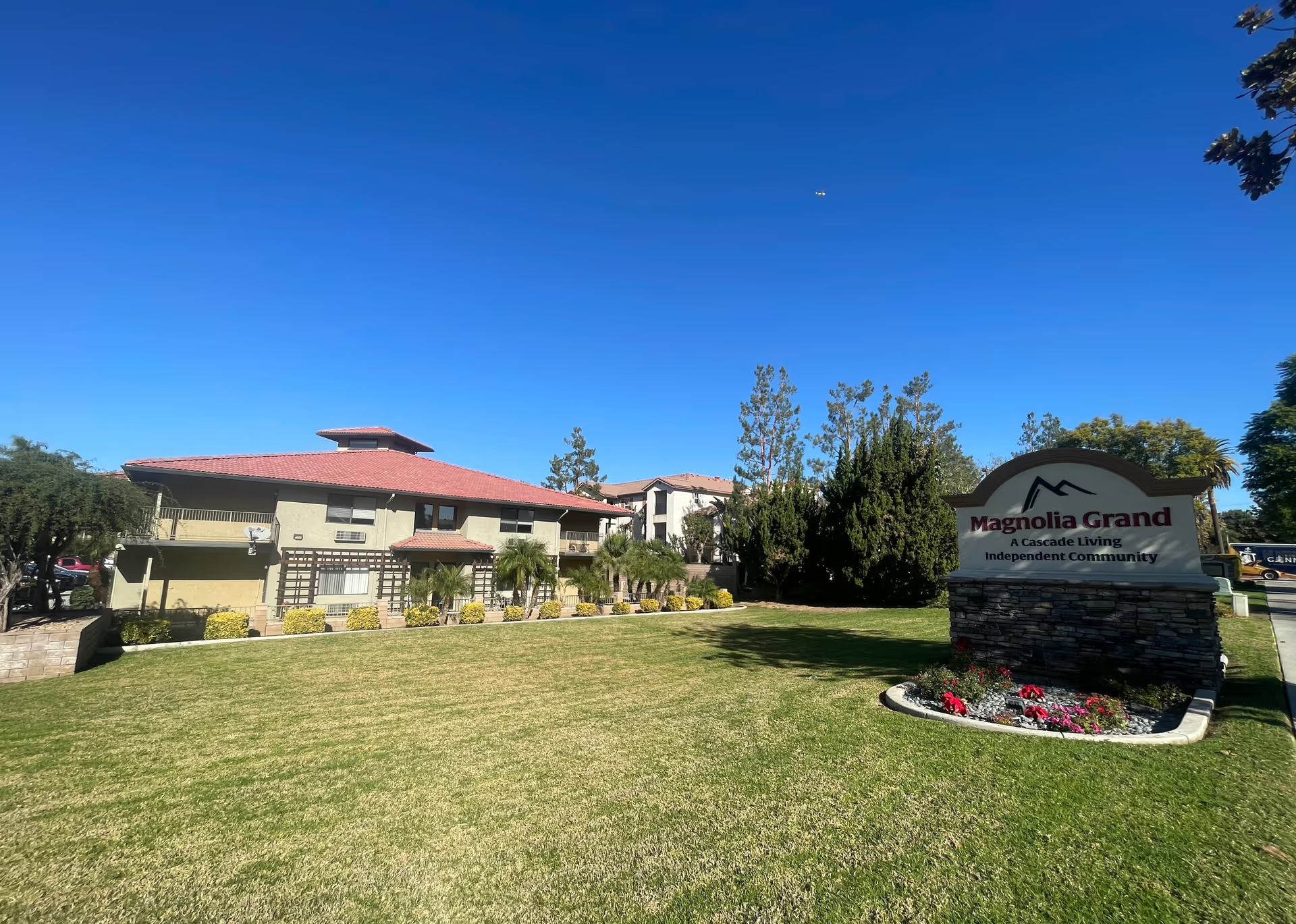
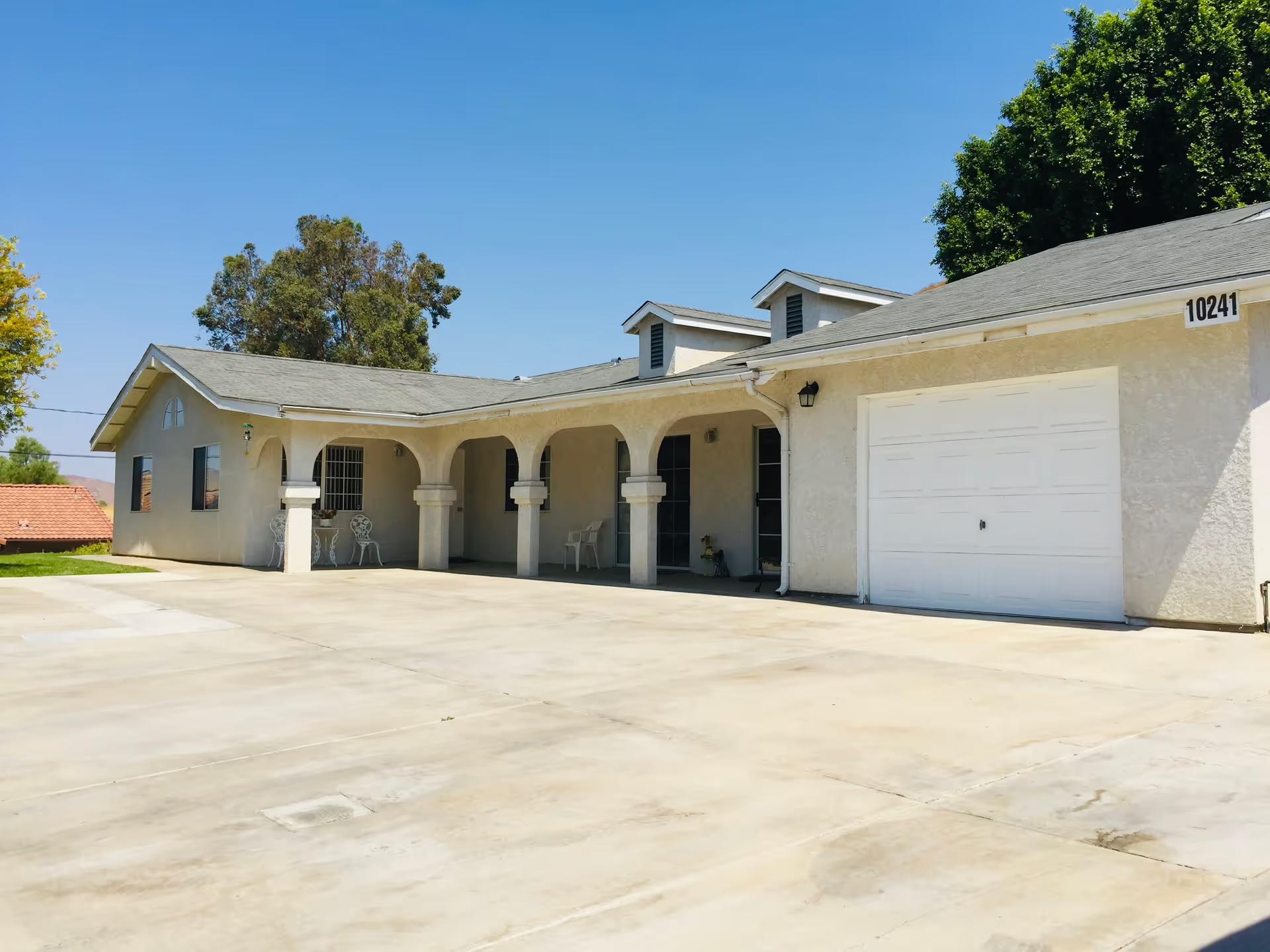
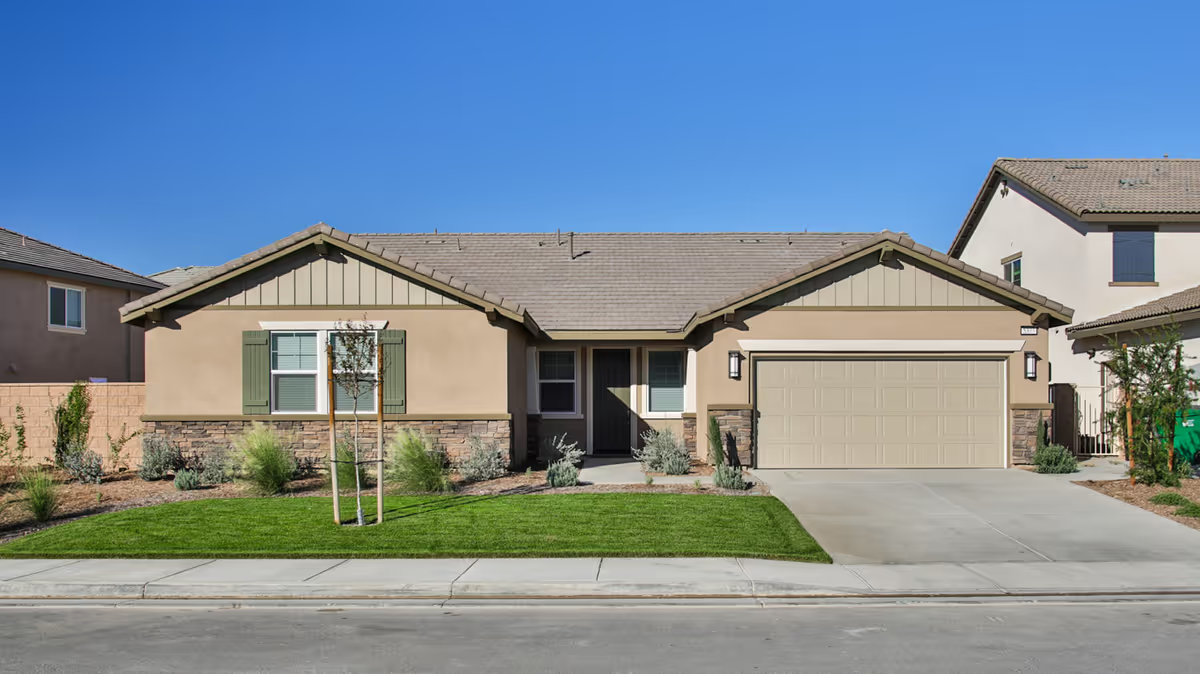
Facilities and environment: The cottage model—small households with 10–15 residents—creates a homelike environment praised for cleanliness, privacy, and accessible outdoor space. Units are typically described as tidy and well-maintained, though several reviewers called rooms small and recommended confirming room dimensions and storage during a tour. Safety features, line-of-sight staffing, and secure walking paths are commonly cited as positive elements for memory-care needs.
Management and operations: Leadership is often described as visible and responsive, with families appreciating hands-on managers and coordinated events. Yet reviewers also document variability in communication—particularly during admissions and after-hours—and occasional frustration with intake processing and follow-up. Several reviews raised concerns about billing transparency and upcharges; these are operational traits prospective families should explicitly review in contracts and fee schedules. The combination of positive leadership comments and operational inconsistencies suggests improvements are incremental and may depend on cadence of staffing and administrative processes.
Notable patterns and guidance: The body of feedback is polarized: many families report excellent, family-like care with strong social programming and clean, secure cottages, while a smaller subset raises significant operational concerns around staffing continuity, clinical oversight, and billing transparency. Prospective residents and families would benefit from an in-person tour that includes meeting nursing leadership, reviewing current staffing ratios and licensure, inspecting typical room sizes, sampling regular meal service, and clarifying billing and admission procedures. Verifying current medication-administration policies and licensed-clinical coverage is advisable given the nature of the concerns referenced in some accounts.