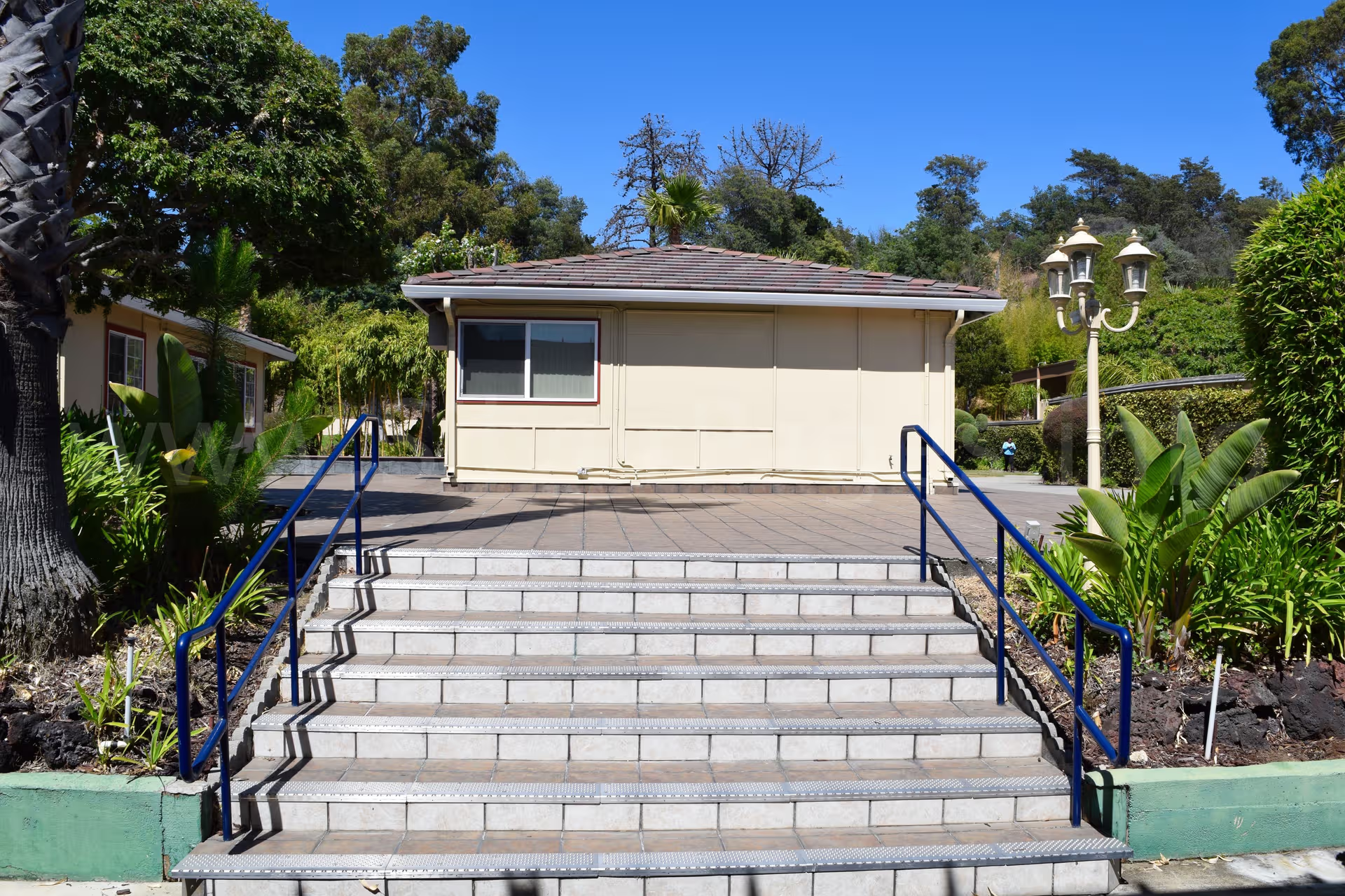
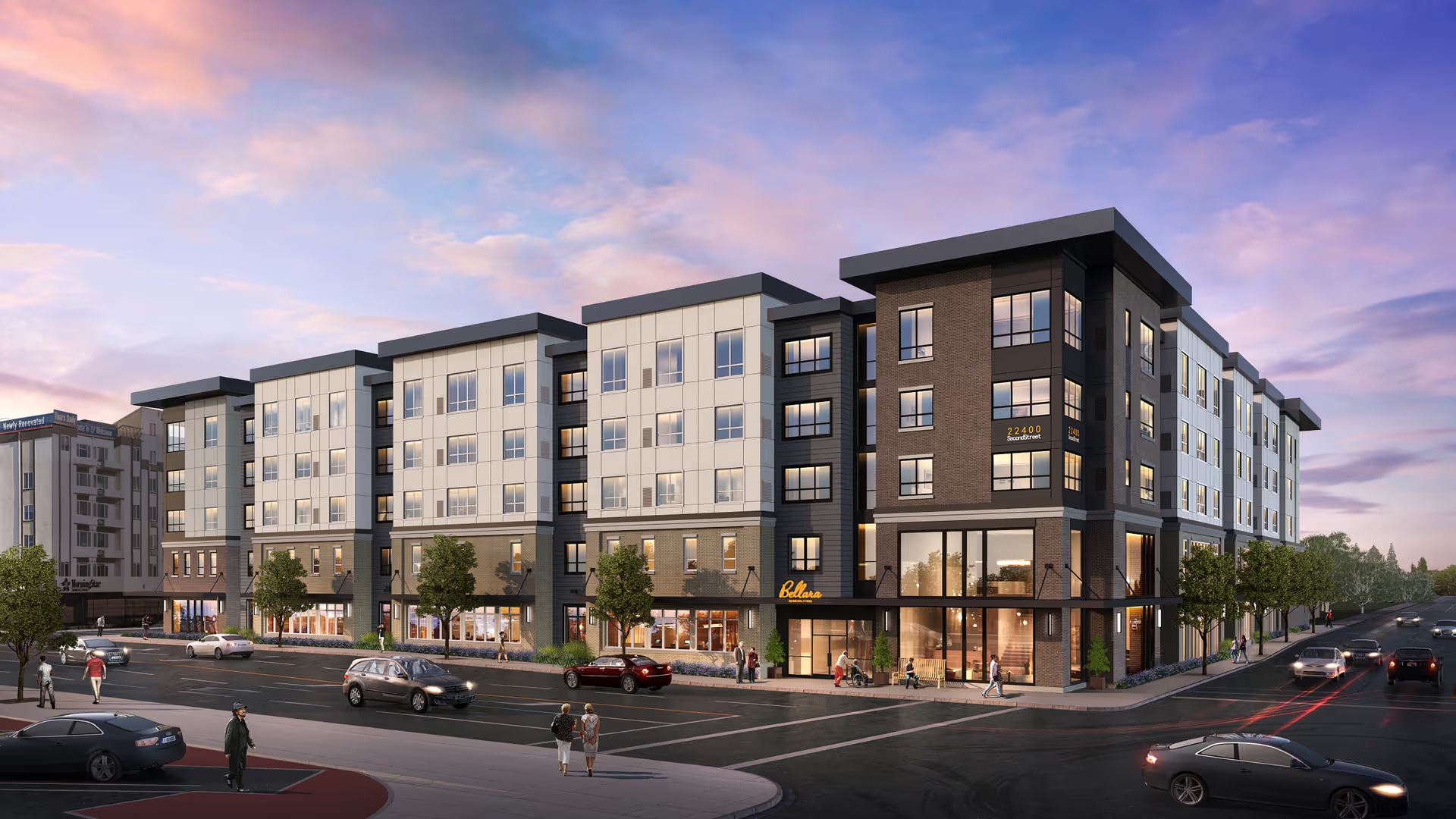
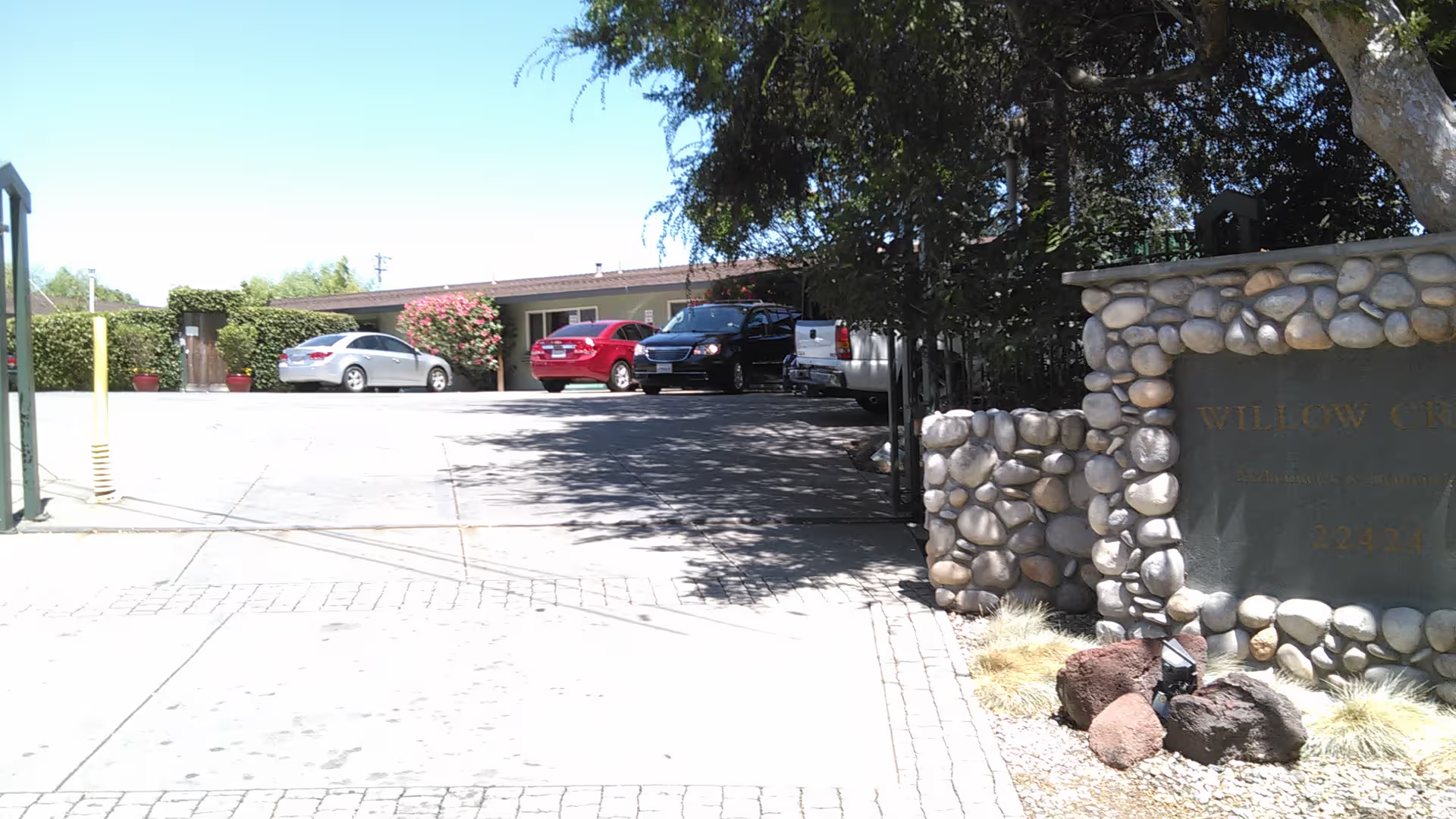
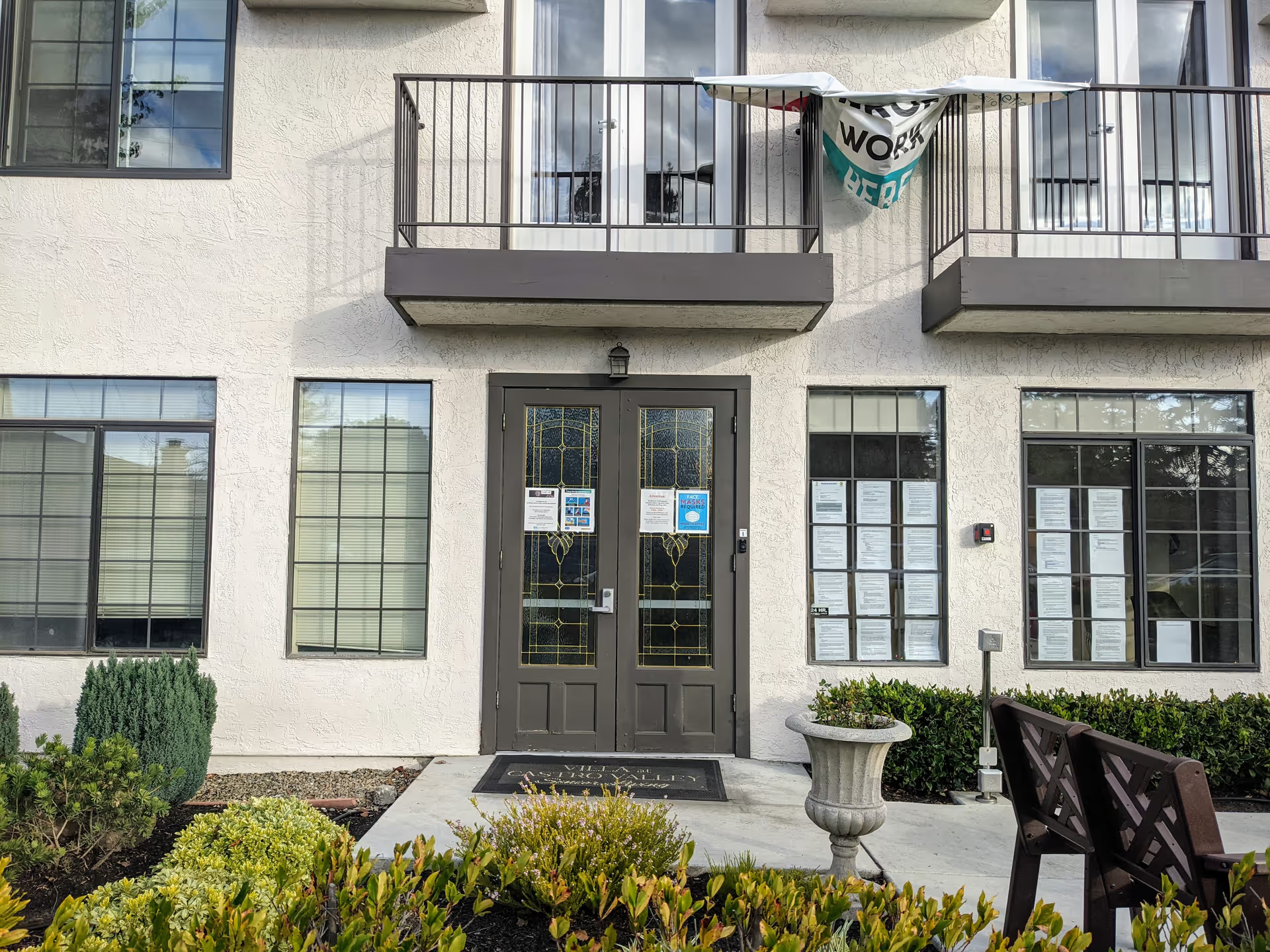
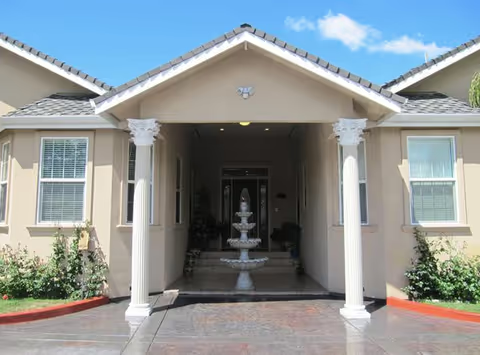
Hayward Healthcare & Wellness Center elicits strongly mixed impressions. Many families and residents praise the facility's rehabilitative strengths: active, knowledgeable physical and occupational therapy teams, on-site physician rounds, and organized discharge coordination that facilitates transitions to home health. Staffing in clinical roles is frequently described as compassionate and attentive; reviewers commonly cite dedicated nurses, CNAs, and case managers who provide family-centered assistance, coordinate appointments and transport, and create a welcoming, multicultural atmosphere. Housekeeping and infection-control practices are often noted as effective, and parts of the building have been renovated to present a modern, calming environment with pleasant outdoor areas and private rooms available.
At the same time, there are recurrent operational concerns that prospective families should weigh. Medication timing and administration emerge as a consistent area of variability, with instances of delayed or missed doses cited alongside otherwise attentive nursing. Response times to call lights and basic care requests are uneven; several accounts indicate slow or inconsistent staff responsiveness, which reviewers linked to staffing levels and periods of overcapacity. Communication patterns are also mixed: some families describe open, helpful administration and clear explanations for dementia care and therapy plans, while others report lapses in notification and insufficient communication during critical clinical events.
Dining and facility condition show similar variability. The meal program is described positively by many (on-time, varied options), but there are repeated comments about inconsistent food quality. Physical plant impressions diverge by area and unit: renovated spaces and tidy common areas contrast with reports of aging infrastructure or pockets where upkeep appears inconsistent. End-of-life and hospice accommodations are another area of concern for some reviewers who felt maintenance and room readiness were suboptimal.
Overall, the strongest, most consistent positives are the rehabilitation services, many individual staff members' professionalism and compassion, and effective discharge planning. The primary risk areas are operational: inconsistent medication management, uneven responsiveness to resident needs, staffing/overcapacity pressures, variability in cleanliness and dining quality, and occasional gaps in family communication. Recommended steps for prospective residents and families include touring both renovated and older sections of the building, asking about current staffing ratios and peak-occupancy procedures, inquiring specifically about medication-administration safeguards and fall-prevention protocols, observing call-light response during a visit, and clarifying visitation and infection-control policies. These targeted inquiries can help determine whether the facility’s strengths align with the specific needs and expectations of the resident and family.