Experiences at Highland Palms vary considerably. Many residents and families describe kind, attentive staff, a clean and welcoming environment, and helpful support during rehabilitation or longer stays. Other accounts raise significant concerns about clinical follow-through, response times, and communication with families. The positive experiences are often detailed and include specific examples of staff support and rehabilitation progress; the more serious concerns involve care coordination and the handling of changes in residents’ health.
Rehabilitation is one of the facility’s most consistently praised areas. Residents frequently credit physical and occupational therapy staff with helping them regain strength, mobility, and independence, and describe therapists as patient, motivating, and knowledgeable. Nursing and CNA staff are often described as caring and personable, and some families also value assistance from social services with discharge planning, appointments, benefits, and relocation. However, other accounts describe delays in receiving care, uneven assistance with mobility and daily needs, and rehabilitation that fell short of expectations.
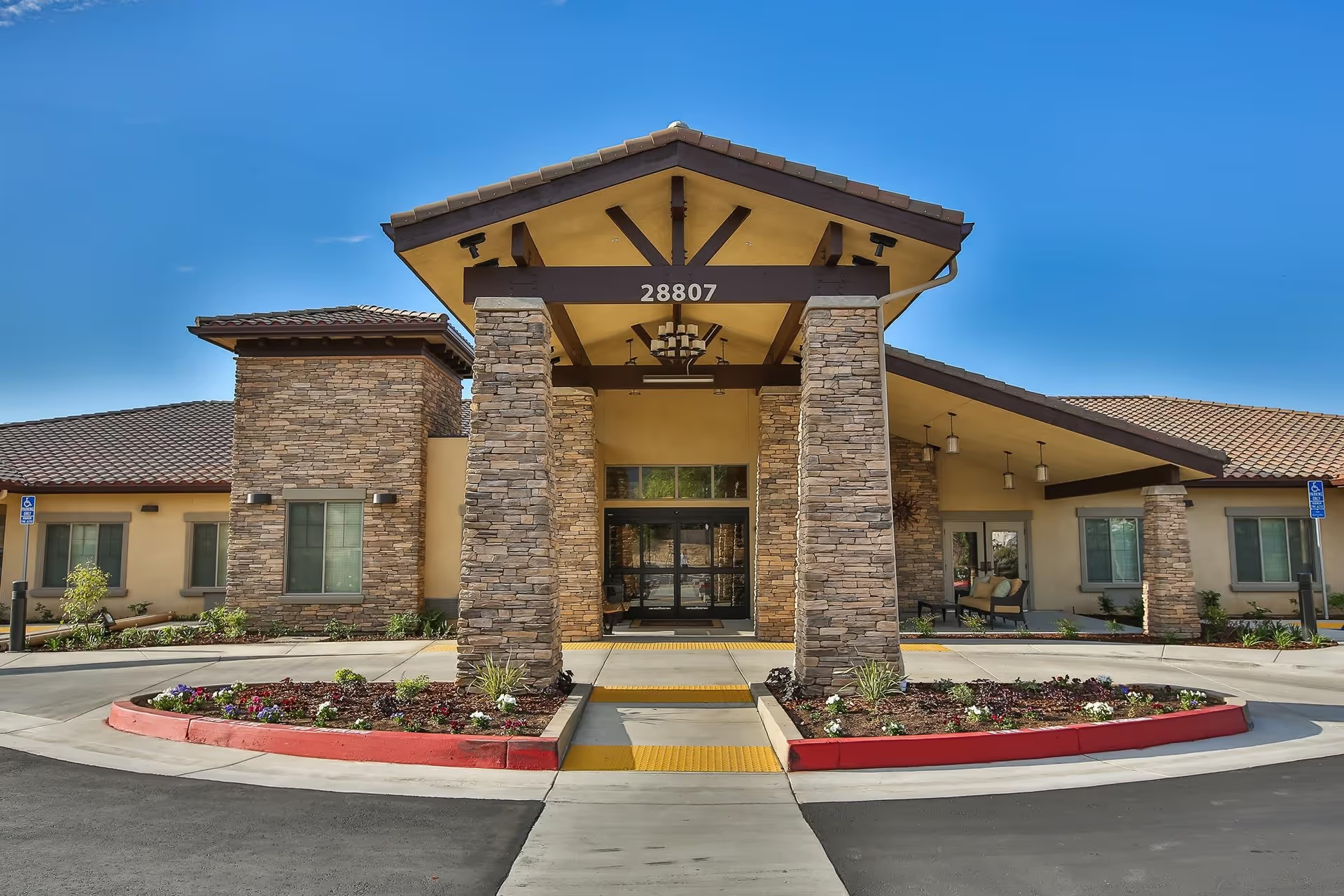
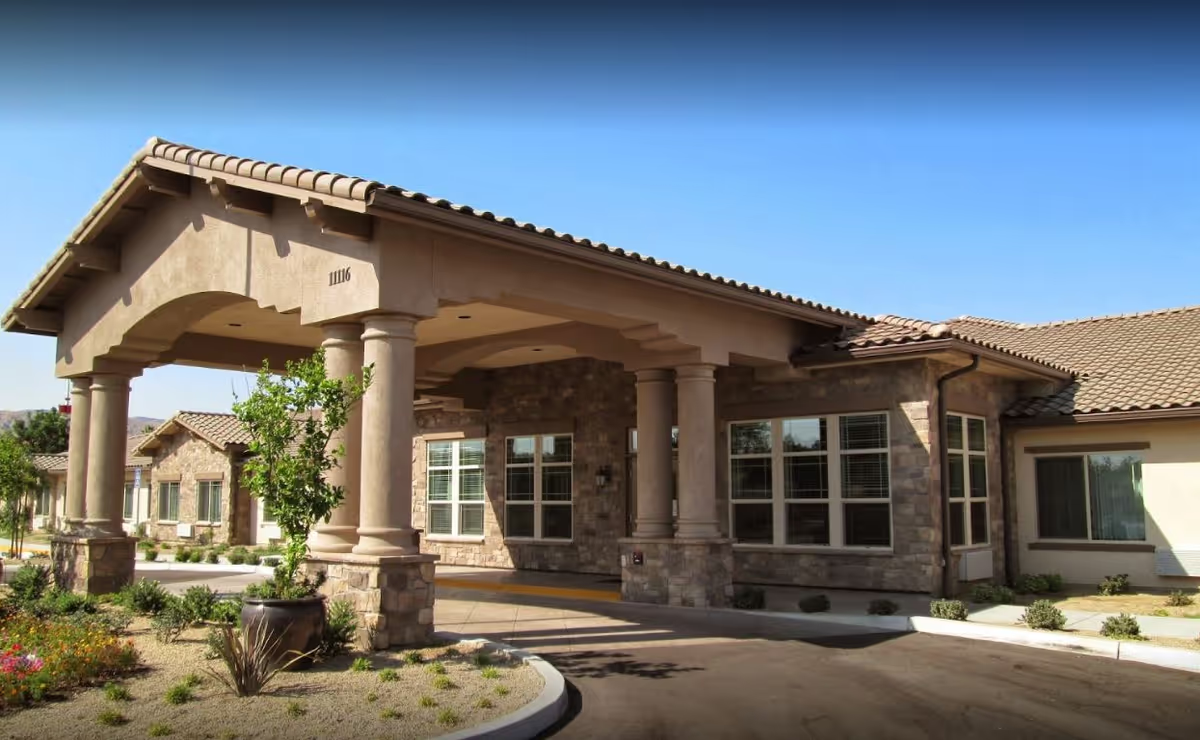
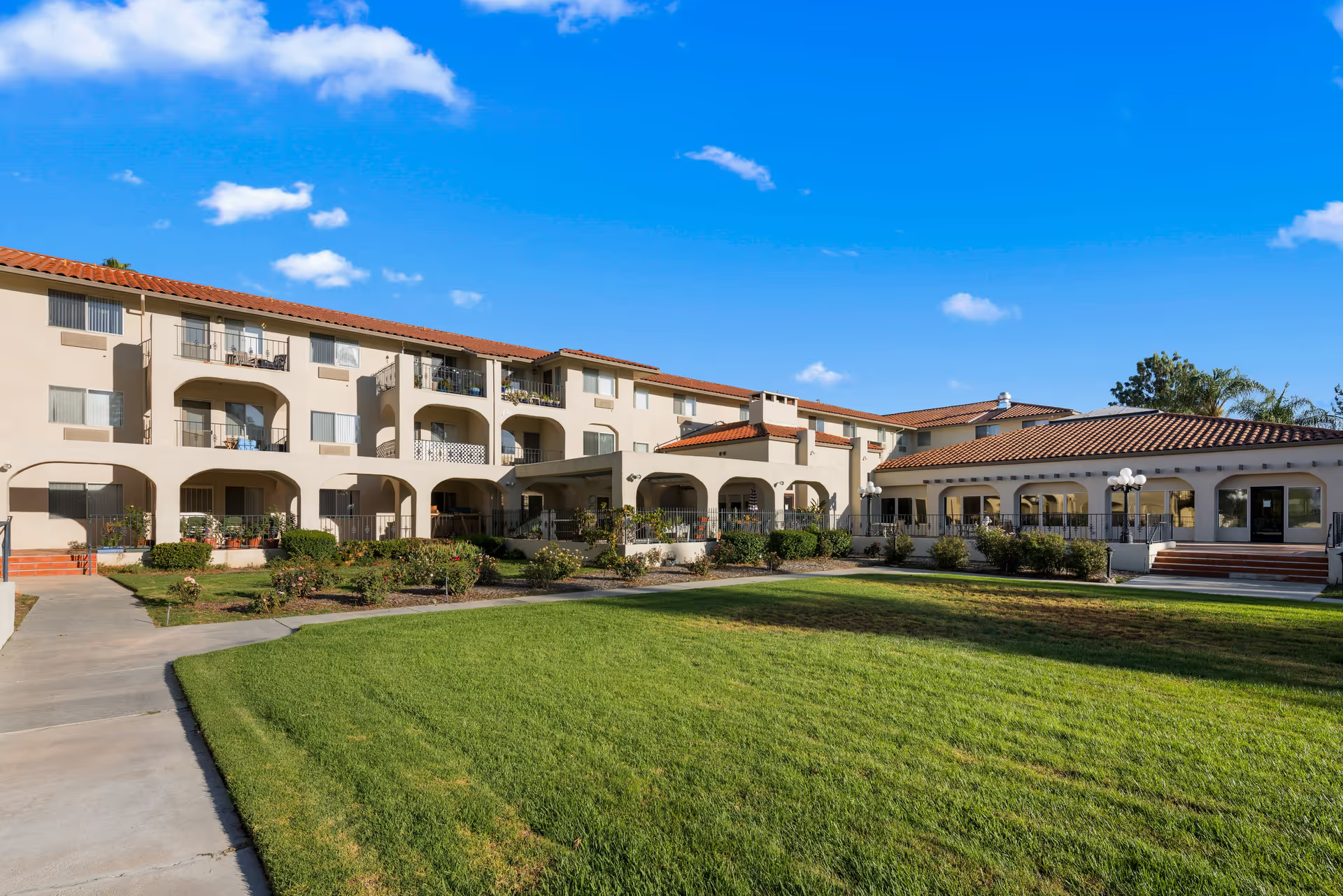
The facility is commonly described as clean, orderly, and attractive, with comfortable rooms, a patio, and a renovated therapy area. Reviews of dining are mixed: many residents appreciate the meals and dietary accommodations, while others cite food that was cold or of inconsistent quality. Activities staff receive positive comments for games, crafts, cooking events, snacks, and special meals, though the range of activities may not suit every resident’s abilities or needs.
Management and staff communication also receive mixed assessments. Some families describe administrators and supervisors as accessible and effective in resolving concerns; others report difficulty reaching staff, unanswered calls, delayed callbacks, and limited flexibility around visiting. Several accounts raise concerns about clinical monitoring and escalation of respiratory symptoms or injuries, as well as notifying families about hospital transfers and changes in care. A few accounts describe serious concerns following a resident’s death, including communication and follow-up. These accounts contrast with families who report safe, responsive care, so prospective residents and families may wish to ask about staffing coverage, clinical-change procedures, family-notification practices, rehabilitation schedules, and care planning—particularly for residents with cognitive impairment or complex needs.