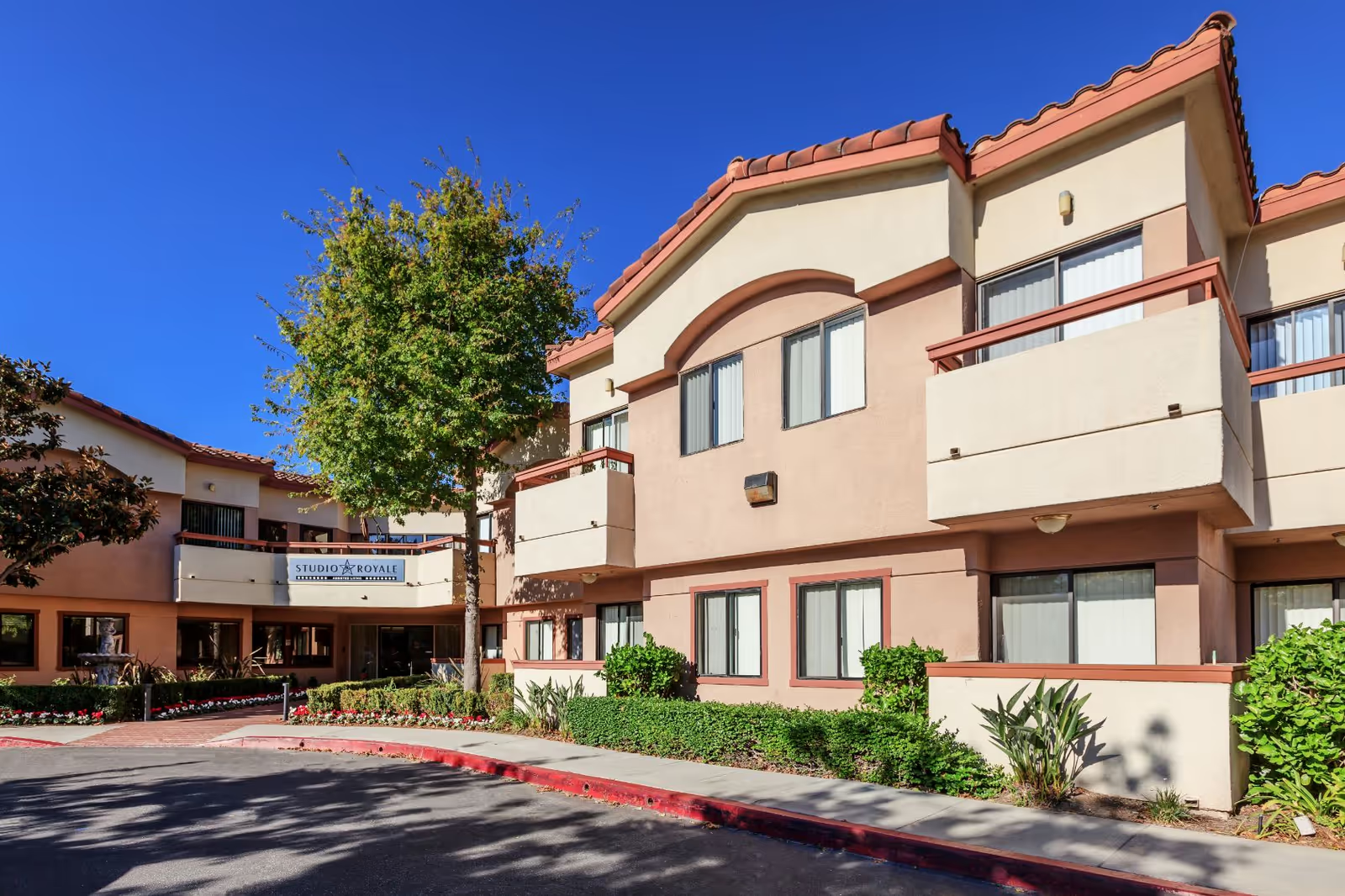
The reviews for this facility present a mixed picture. Positive comments emphasize a professional, compassionate staff and strong rehabilitative care; several families credited the therapy team with meaningful functional improvements and successful transitions back home. The site offers a range of living options (including independent apartments with small kitchens), cafeteria-style dining, internet access, varied activities (cards, dominoes, chess, group programming), and spacious room configurations. Facility upkeep is often described as practical and easy to maintain, with flooring and common areas designed for straightforward cleaning.
Care quality is frequently portrayed as a strength when rehabilitation is the focus: occupational and physical therapists are specifically praised for hands-on assistance and measurable mobility gains. Nursing and admissions staff receive praise for professionalism and supportive transitions in many accounts. At the same time, reviewers identify operational weaknesses that affect overall reliability. Staffing levels and turnover are recurring concerns; several accounts describe personnel shortages or uneven coverage that can delay attention and monitoring. Relatedly, families reported gaps in communication and delayed notification following serious incidents, which indicates opportunity for clearer incident-reporting protocols and family outreach.
Dining and activities evoke divergent opinions. The cafeteria model and some well-prepared meals are appreciated, and residents report enjoying menu variety on certain days. However, meal quality and protein variety are described as inconsistent, with examples of lighter or repetitive offerings at times. Recreational programming and social games are a notable positive, but the consistency of hands-on supervision during activities and in communal areas appears variable, particularly for residents who wander or require closer observation.
Facility management and operational practices show both strengths and vulnerabilities. The physical plant and pricing are often considered reasonable, and the facility is noted as insurance-friendly. Conversely, reviewers raised concerns about resident screening and placement decisions, contract arrangements for therapy that can produce inconsistent service delivery, and restrictions on volunteer involvement. There are also serious, singular claims in some accounts: allegations of regulatory problems and legal investigations have been mentioned and should be verified independently. These reports elevate the importance of checking current regulatory status and recent inspection results.
For prospective residents and family members: consider a focused tour that asks for current staffing ratios, turnover history, specifics about therapy contracts, examples of recent clinical outcomes, the facility’s incident-notification policy, and documentation of recent regulatory inspections. Observe meal service, speak with therapy leaders about individualized plans, and ask how the facility manages monitoring of residents with cognitive impairment. These targeted questions will help reconcile the facility’s demonstrated strengths in rehabilitation and compassionate care with the operational inconsistencies described by other families.