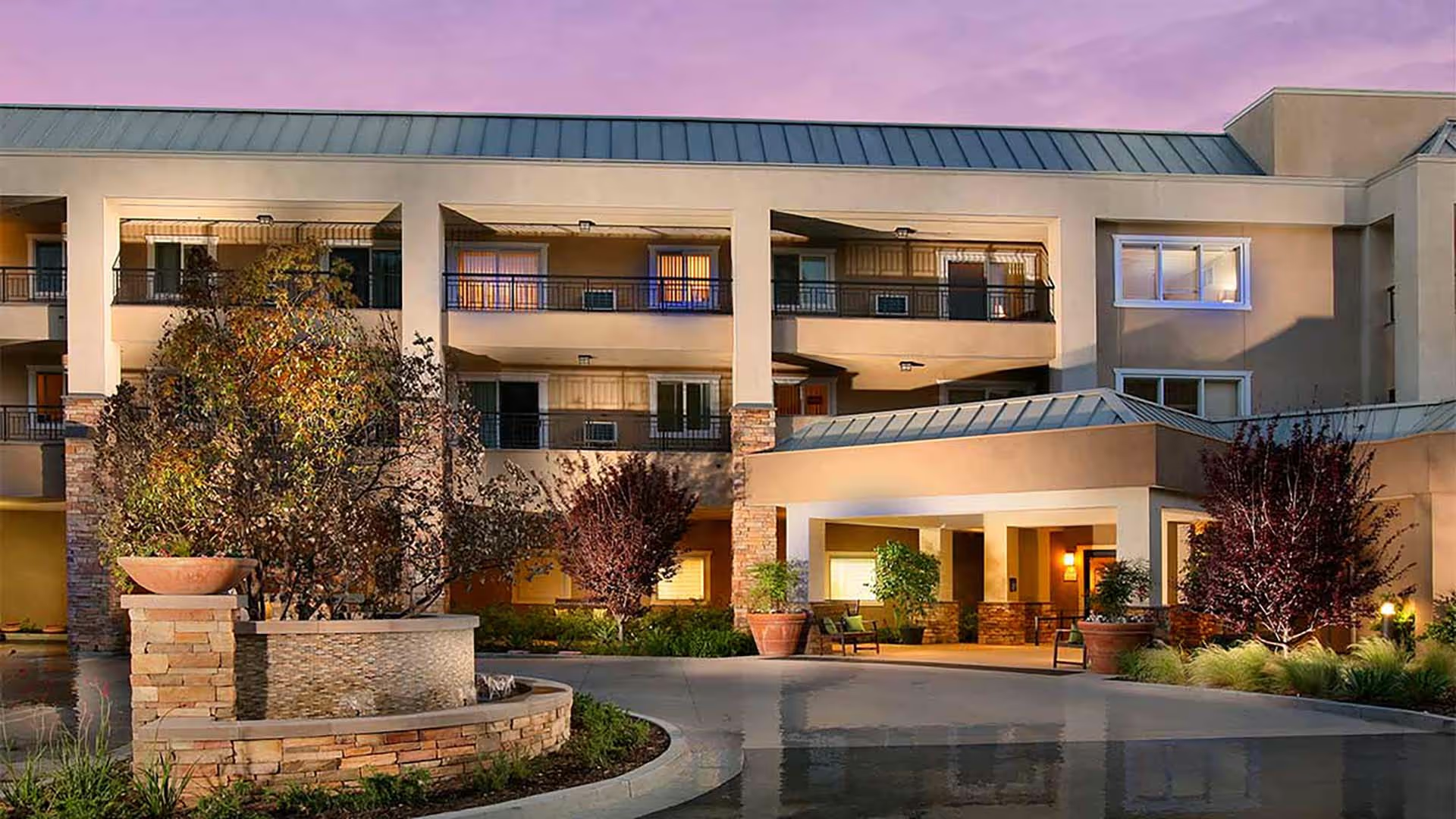
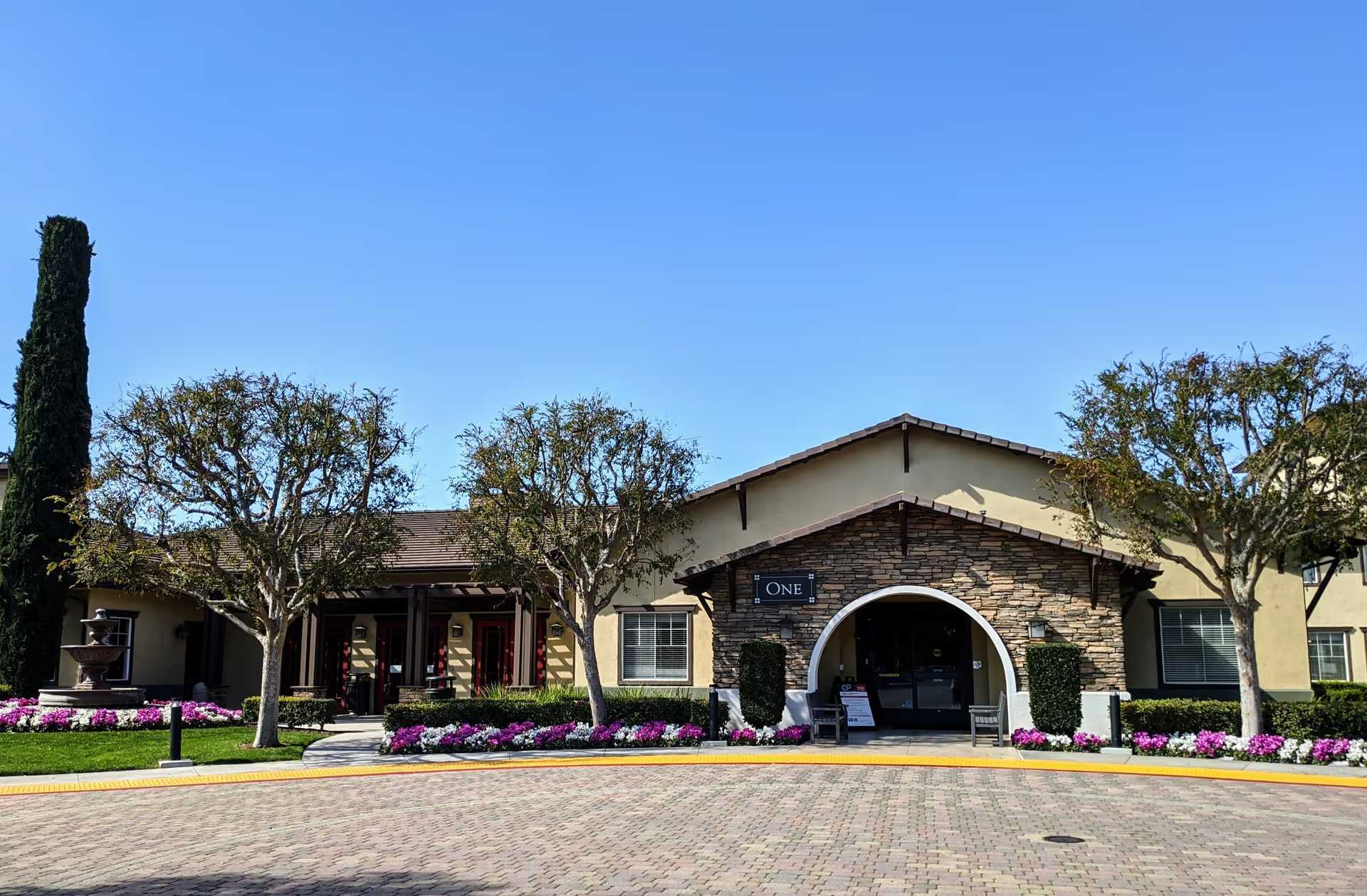
Regents Point elicits strongly polarized impressions: many families and residents describe a resort-like, secure campus with robust social programming and attentive service, while others raise substantive operational and clinical concerns. The property’s strengths are consistent and concrete — an attractive 45-acre, park-adjacent setting near UCI and local amenities; multiple levels of care co-located on campus; an active resident life with numerous committees and volunteer-run services; and a range of amenities including dining venues, a bistro, salon, pool, and fitness center.
Care and staff: Reviews often praise compassionate, personable frontline caregivers and long-tenured clinical personnel, with numerous accounts of attentive nursing, specialized support for anxiety, and 24/7 non-invasive care in some units. At the same time, there is a pattern of variability: several accounts describe inconsistent care practices, delays in responsiveness, medication-administration and documentation problems, and concerns about sanitation controls in portions of the community. Staffing instability and turnover are cited as drivers of uneven experiences, and a subset of comments calls for stronger clinical oversight and additional staff training. Overall, independent living receives particularly high marks for social support and daily assistance, while higher-acuity areas appear to show greater variability in reliability.
Dining and activities: The community’s activity program is a clear strength — daily exercise classes, water aerobics, cultural programming, university-affiliated classes, and dozens of resident interest groups create a vibrant environment. Volunteer-led amenities such as the library and country store add to engagement opportunities. Dining options are extensive, with restaurant-style service and multiple venues; many reviewers commend the food and variety, though others report inconsistent meal quality and temperature issues at times. Meal-service structure (one included meal, others billed) and occasional dissatisfaction with specific offerings are recurring notes.
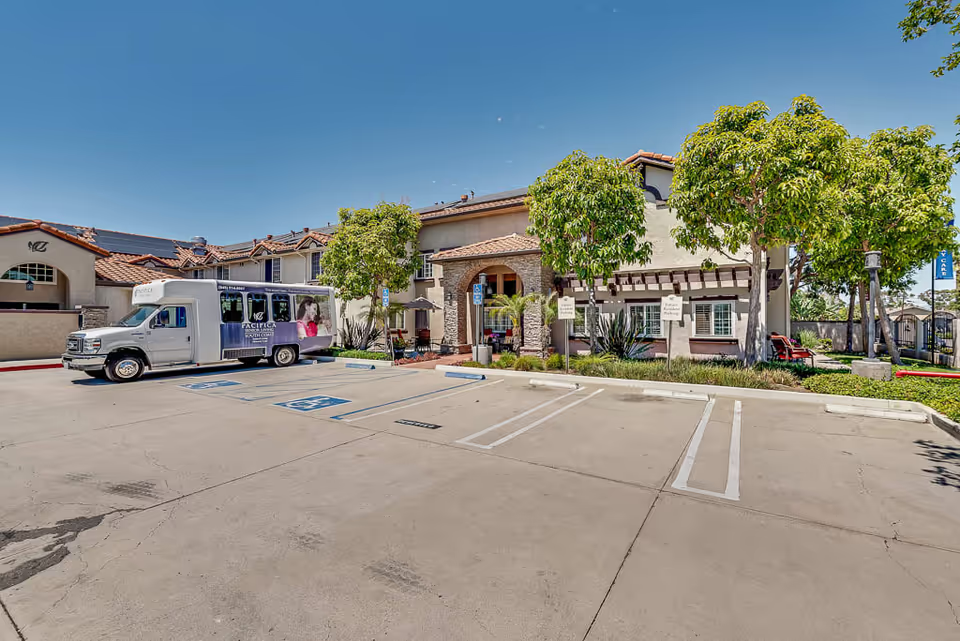
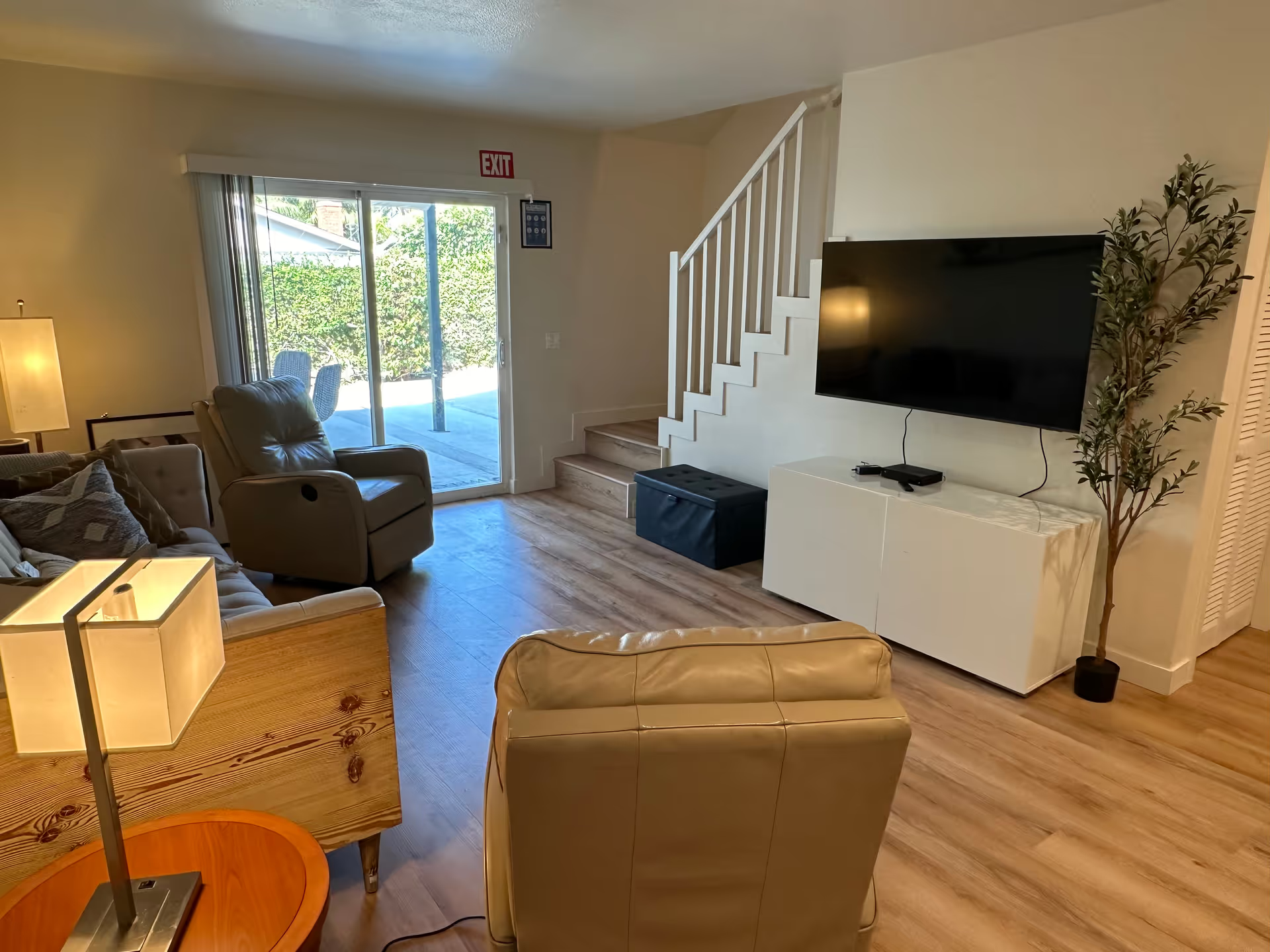
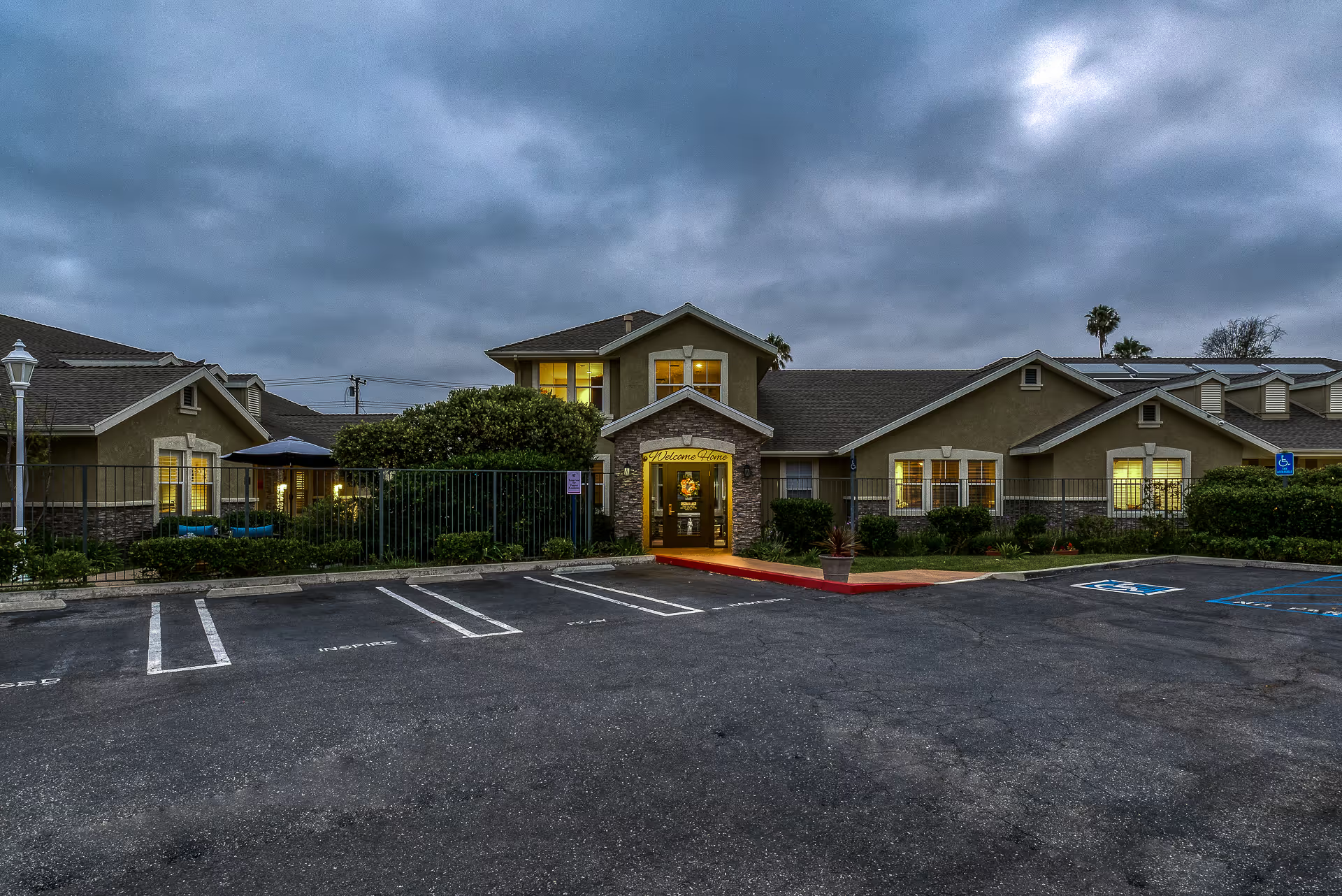
Facilities and services: Regents Point is commonly described as well-maintained and attractive, with landscaped grounds, park views, and a variety of living options that include refurbished units and flexible floor plans. Move-in assistance and unit customization are frequently mentioned as positive experiences. Ongoing renovations and construction are occurring, and several reviewers note refurbishment delays or construction-related disruption. Transportation assistance, on-call trainers, and on-site doctor visits are positive operational features; parking and guest-parking availability are occasional constraints.
Management, finance, and operational patterns: Management impressions are mixed. Many residents and families praise responsive leadership, open-door policies, and effective program directors; others characterize management as siloed, insufficiently accountable in crisis situations, or uneven in responsiveness. Financially, the community’s entrance-fee model and monthly charges are consistently described as substantial and complex — including large non-refundable buy-ins and additional monthly fees — and billing/financial-transaction errors have been reported as a recurring administrative weakness. Review patterns suggest strong strengths in hospitality, programming, and community life, coupled with operational risks tied to staffing, clinical oversight, financial complexity, and renovation management.
Bottom line: Prospective residents should weigh the community’s clear strengths — location, amenities, active resident life, and available continuum of care — against important operational considerations: the high and complex cost structure, variability in clinical consistency, staffing turnover, and some administrative and maintenance inconsistencies. For families considering higher-acuity services, it is advisable to seek detailed, written information on clinical staffing ratios, medication-safety protocols, sanitation processes, recent inspection history, and transparent billing practices; for independent-living prospects, tours and meals tend to be reliable indicators of the community’s cultural fit and daily experience.