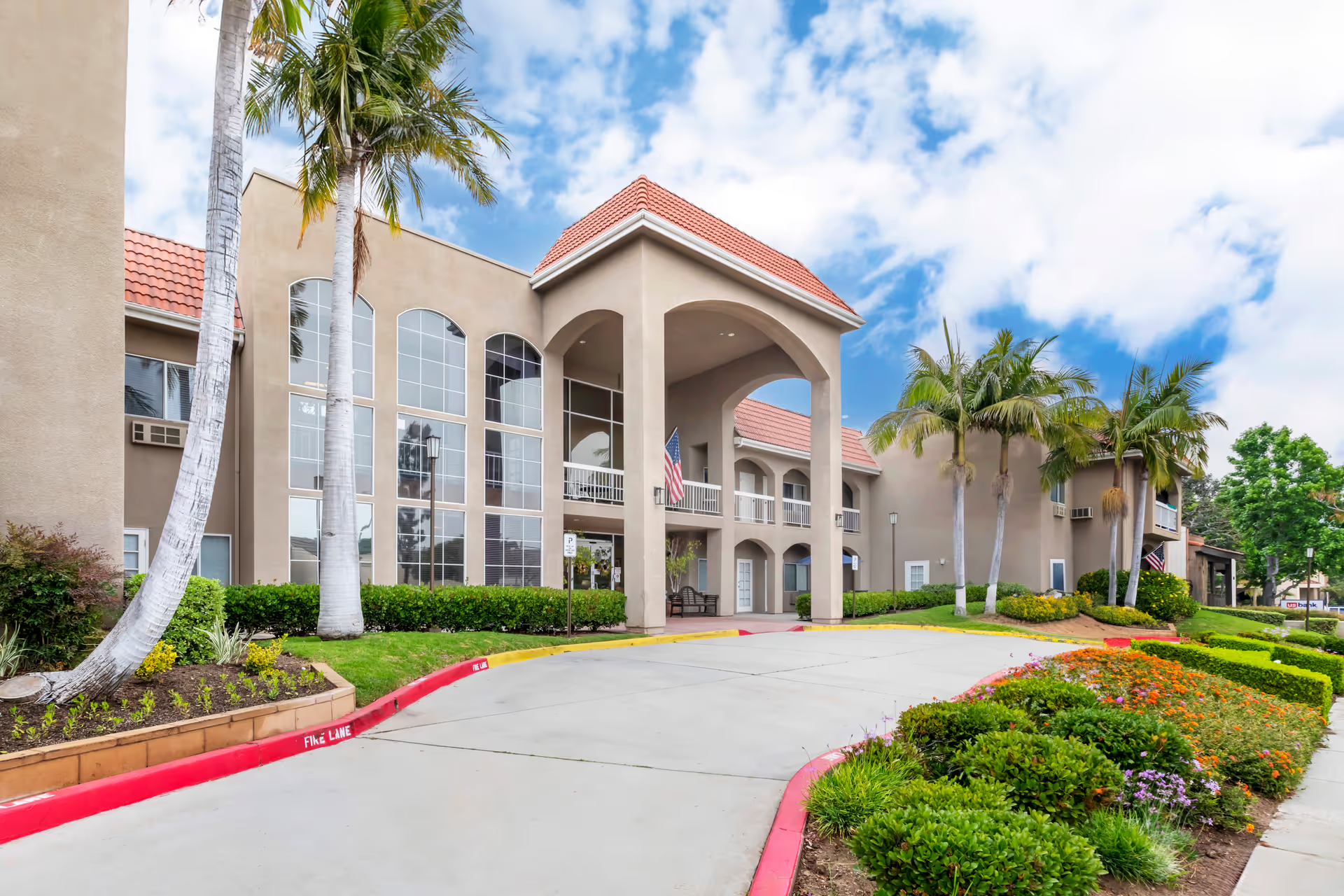
The reviews present a polarized picture of La Habra Convalescent Hospital. Several families describe highly compassionate direct-care staff — CNAs, nurses, and therapists who provide hands-on assistance with mobility, oxygen, and rehabilitation. Those positive accounts emphasize friendly, professional frontline workers, engaging themed events (for example, luaus and balloon sculptures), and meals that some residents find enjoyable. Communal areas and event programming are frequently highlighted as strengths when present.
At the same time, a noticeable set of operational concerns recurs across reviews. Communication weaknesses appear at multiple levels: handoffs between nursing shifts, follow-up on clinical questions, timely notification of supervisors, and telephone responsiveness. These gaps contribute to family frustration and uncertainty about a resident’s status. Staffing variability — particularly during holidays — and delays in responding to call lights or care requests were cited as recurring problems, suggesting inconsistent coverage or workflow issues.
Clinical-operations and coordination issues are another pattern. Reviewers describe inconsistent documentation and care-plan management, problems coordinating transportation and dialysis runs, and difficulties with hospital-to-facility transfers. There are also statements raising serious concerns about medication administration practices and record-keeping; given the severity of those claims, some families indicated they pursued external reporting. In addition, several comments note property-handling lapses and varying levels of privacy and housekeeping, indicating room for improvement in personal-item safeguards and environmental maintenance.
Dining and activities elicit mixed feedback. Some residents and families praise the food and special events, while others describe limited programming (for example, TV as the only activity) or slow rehabilitation progress. This suggests variability in how consistently activity and therapy schedules are delivered. Facility cleanliness assessments are similarly mixed: positive mentions of pleasant odors and clean common spaces coexist with sanitation concerns in some rooms or equipment.
Management and administrative interactions are another area of divergence. Positive experiences with individual nurses contrast with accounts of unhelpful or unresponsive supervisory staff, long phone hold times, and what reviewers perceived as an adversarial admissions or screening process. Prospective families should note these patterns and verify operational details during a visit.
For prospective residents and families: plan an in-person tour focused on verification of current staffing levels, care-plan and medication-management oversight, the activity calendar, transportation/transfer protocols (especially for dialysis), sanitation and housekeeping routines, and the chain of supervisory contact for clinical concerns. Ask for documented shift handoff procedures, examples of recent event/activity schedules, and clarification on how personal items are inventoried and protected. Given the polarized experiences, direct observation and targeted questions will be important to assess whether the facility’s strengths align with a particular resident’s needs.