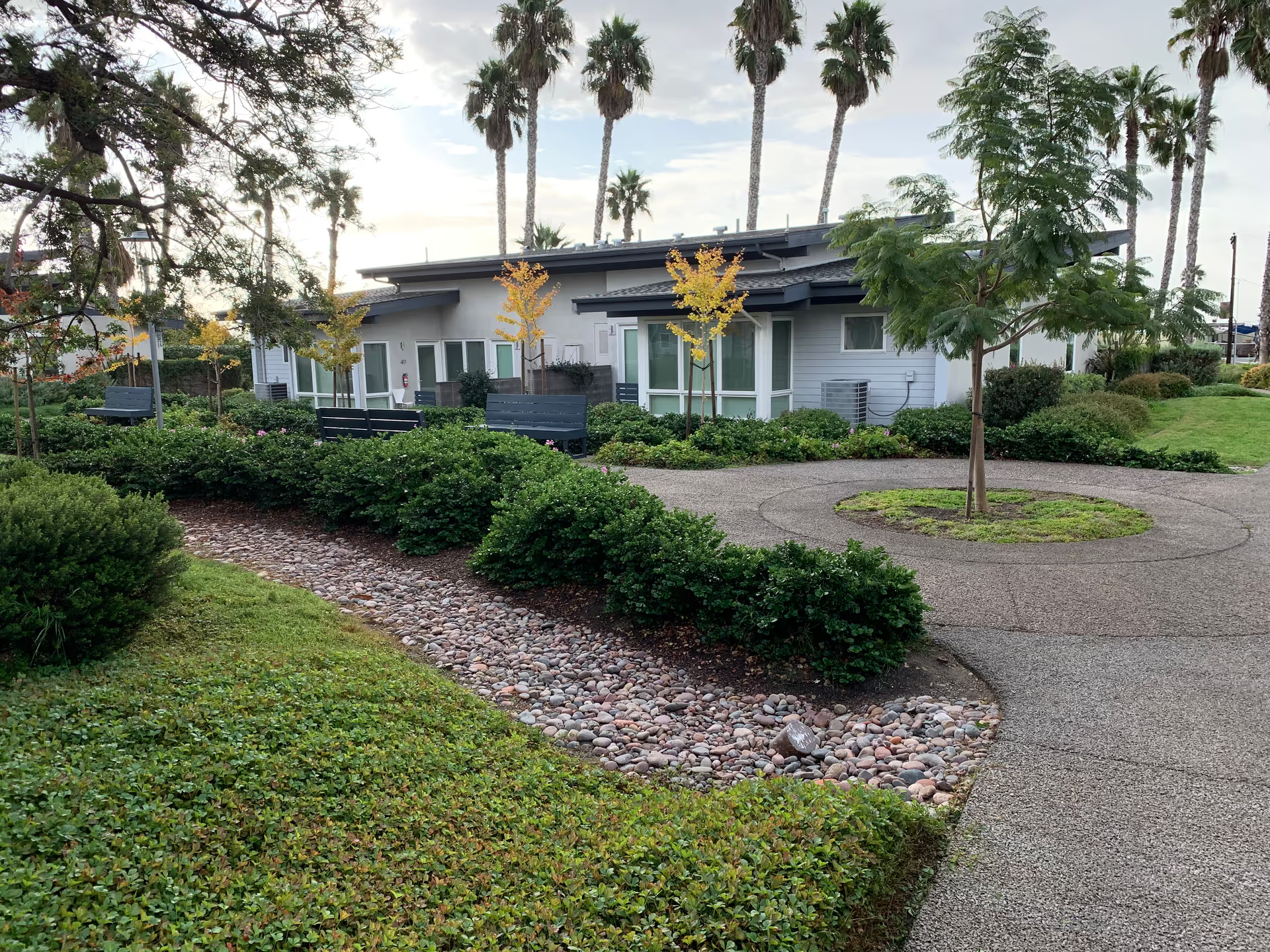
La Jolla Nursing and Rehabilitation Center elicits strongly divided impressions. Many families and residents praise the clinical rehabilitation programs, noting skilled physical and occupational therapy, effective wound-care follow-up, and dedicated LVN oversight for medications. Numerous accounts highlight compassionate and attentive nursing and CNA teams, active engagement by social-work/case-management staff, a clean and open public environment (including a spacious lobby and attractive courtyard), and a robust activities calendar that includes typical recreational offerings and holiday/community events. Dining is often described positively for variety and balanced choices, and the facility’s location and some large, high-ceiling rooms are considered assets.
At the same time, a consistent set of operational weaknesses emerges across reviews. Staffing levels and response times are frequent concerns: reviewers describe long waits for call-button responses, delayed assistance with toileting and hygiene, and occasions when single aides were responsible for multiple high-risk transfers. These accounts translate into broader concerns about transfer safety and fall-prevention practices. Cleanliness and sanitation are described as uneven — while public areas and many rooms are kept well, other resident rooms and some hygiene processes appear inconsistently executed, producing odor concerns and uneven housekeeping performance.
Medication management and supply-control problems are another recurrent theme. Complaints include late medications, shortages, and at least one serious medication-allergy mismatch; reviewers also report delays in pain management or physician notification. Family communication and phone responsiveness are highlighted as areas needing improvement: difficulty reaching nurses or receiving timely updates, coupled with intermittent administrative phone-system changes, has compounded frustration for families seeking information. In parallel, several reviews raise concerns about staff training and professional conduct, including privacy and professionalism lapses and allegations related to missing personal items; a small number of reviews use the term "allegations" for theft and inappropriate behavior, underscoring the need to investigate and document those claims further.
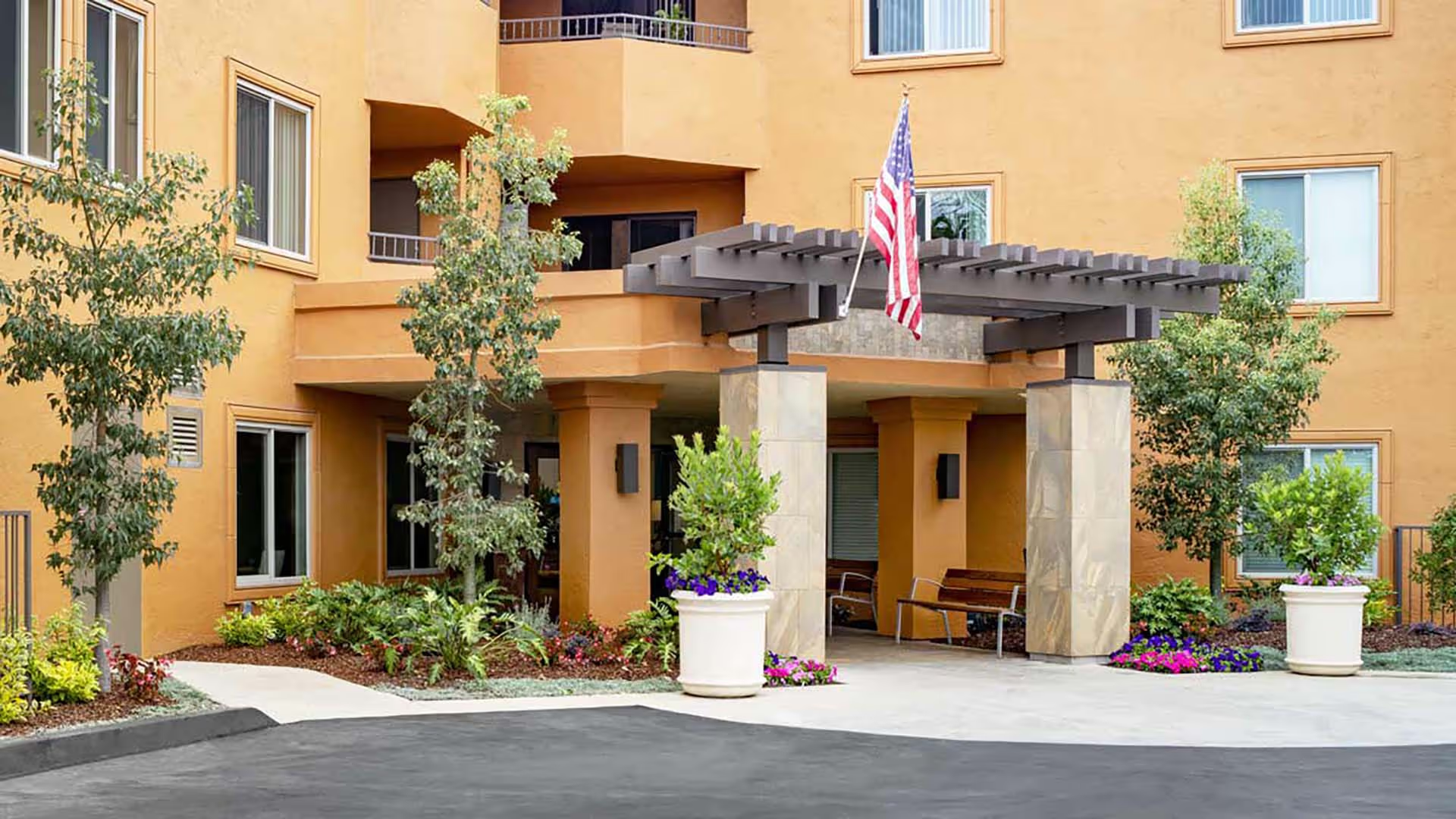
Facility maintenance and logistics also show inconsistency. While many describe a bright, attractive facility with a welcoming lobby and courtyard, other comments point to dated resident rooms, broken equipment, and recurring maintenance or plumbing issues. External factors such as limited parking, noise from traffic or idling vehicles, and occasional disruptive activity in parking areas were frequently noted as detractors. Management impressions are mixed: some reviewers commend specific administrators, admissions staff, and therapy/clinical leaders for coordination and compassionate responses, while others describe high staff turnover, uneven leadership presence, and slow resolution of systemic problems.
Taken together, the pattern is one of a facility with clear clinical strengths — particularly in short-term rehabilitation, therapy, and several committed care staff — combined with operational shortcomings that affect reliability and the family experience. Prospective residents and their representatives would benefit from an in-person assessment focused on current staffing ratios, call-bell response times, documented procedures for transfer safety and medication administration, sanitation protocols, and the facility’s processes for handling family communication and lost or missing items. Reviewing recent inspection records and asking for specifics about staffing levels on weekends and nights may help clarify whether the operational issues described in some reviews have been addressed.