Reviews present a mixed but patternable picture: many families praise the staff, social programming and facility design, while others raise operational concerns that affected trust and placement decisions. Strengths center on staff warmth, individualized attention and an active social environment; weaknesses concentrate on staffing continuity, some aspects of basic personal care, and management communication.
Care and staff: A recurrent strength is the caregiving team’s compassion and person-centered approach. Reviewers commonly highlight attentive, well-trained staff who facilitate social reintegration, encourage mobility and provide emotional support. Several families credited clinical coordination — including on-call geriatric support and rapid responses during acute events — with keeping residents safer during outbreaks. At the same time, there is a clear pattern of staffing shortfalls: high workloads, reliance on agency or registry personnel, and variable continuity of caregivers. These operational limitations were linked by reviewers to inconsistent delivery of grooming, skin and nail care, hydration monitoring, and other basic clinical observations.
Dining and activities: Activity programming and outings are frequent positives. The activities director and team receive consistent praise for creating an engaging, socially rich environment — including organized trips and flower-field visits — that many residents find restorative. Dining impressions are mixed: some reviewers describe outstanding food and improved appetite, while others report variability in meal quality and service reliability. Prospective families should expect strong recreational offerings but ask specific questions about menu consistency and accommodations for dietary needs.
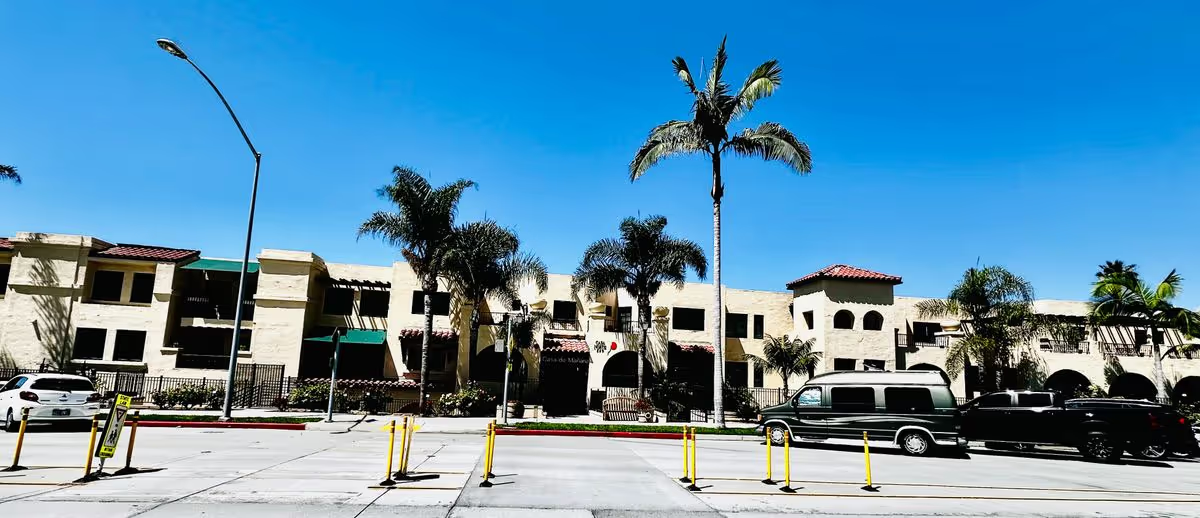
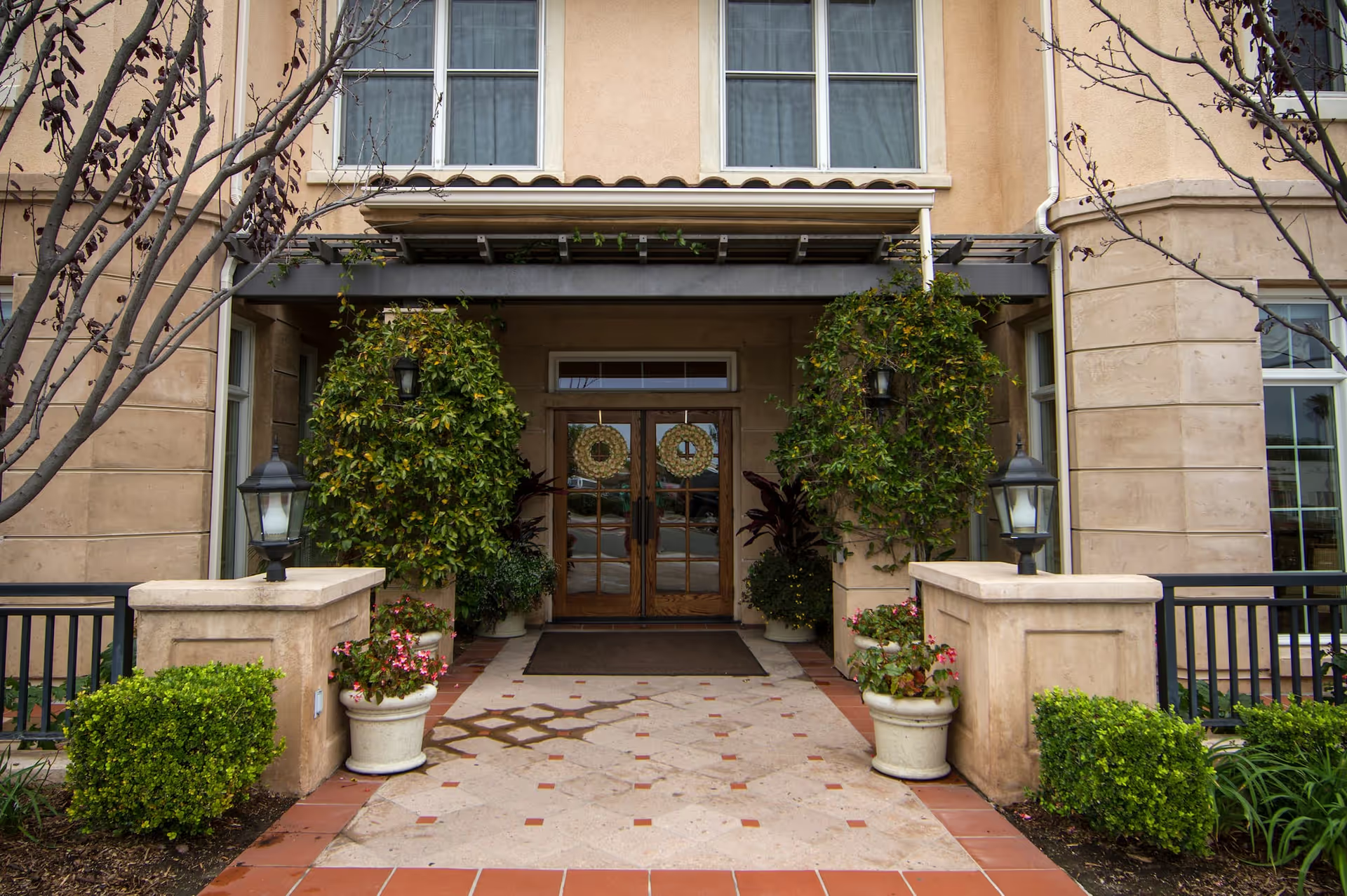
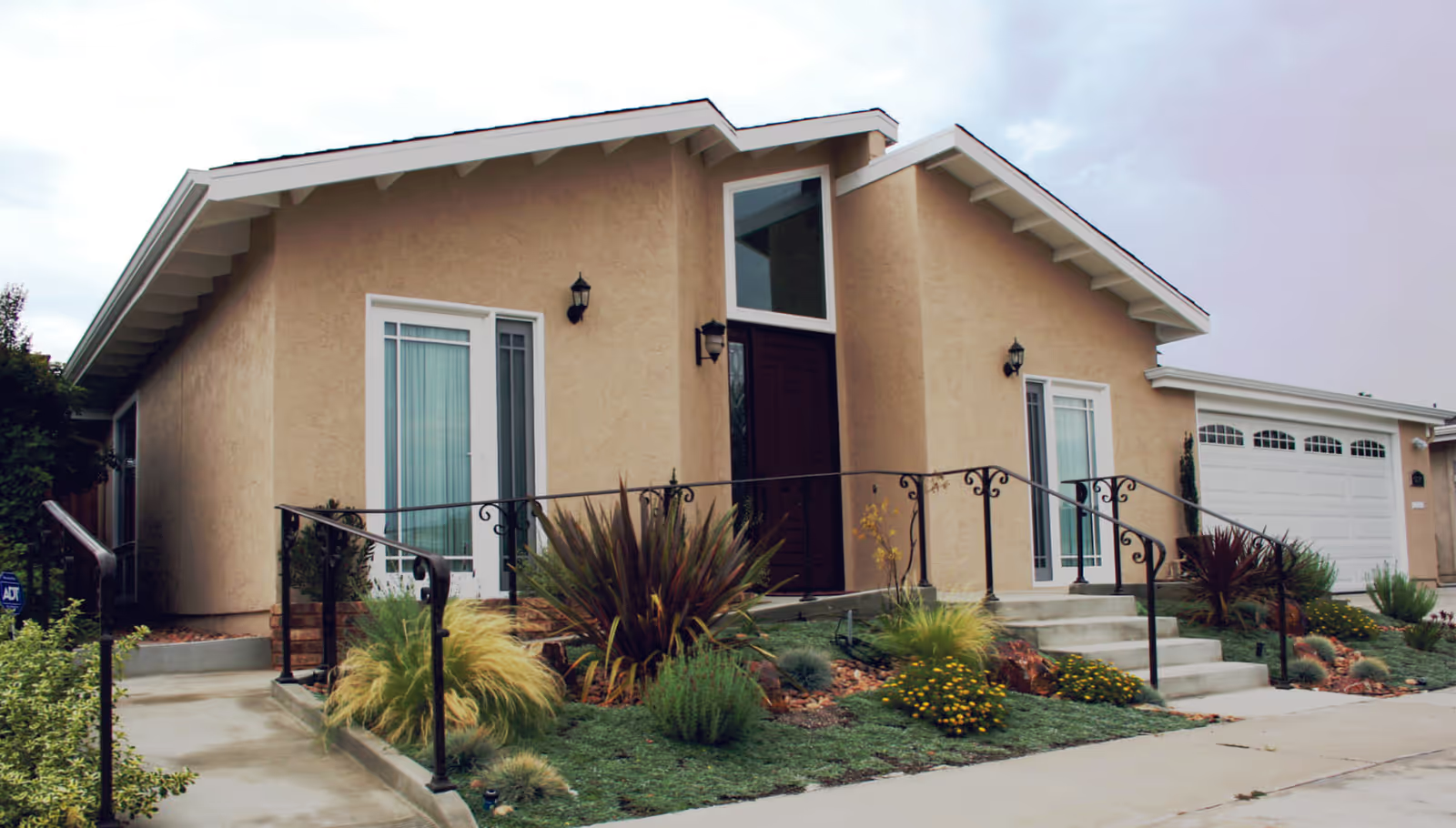
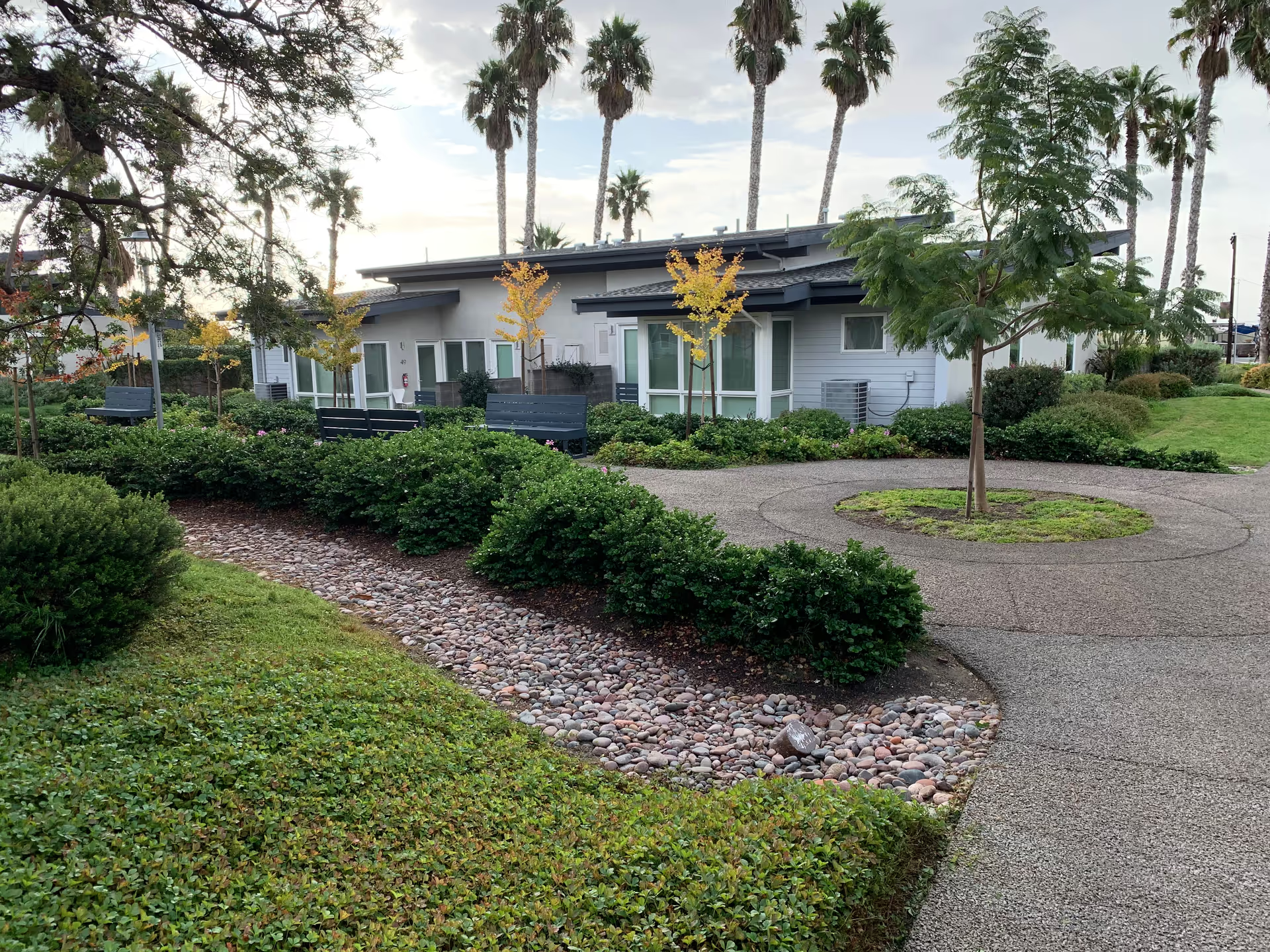
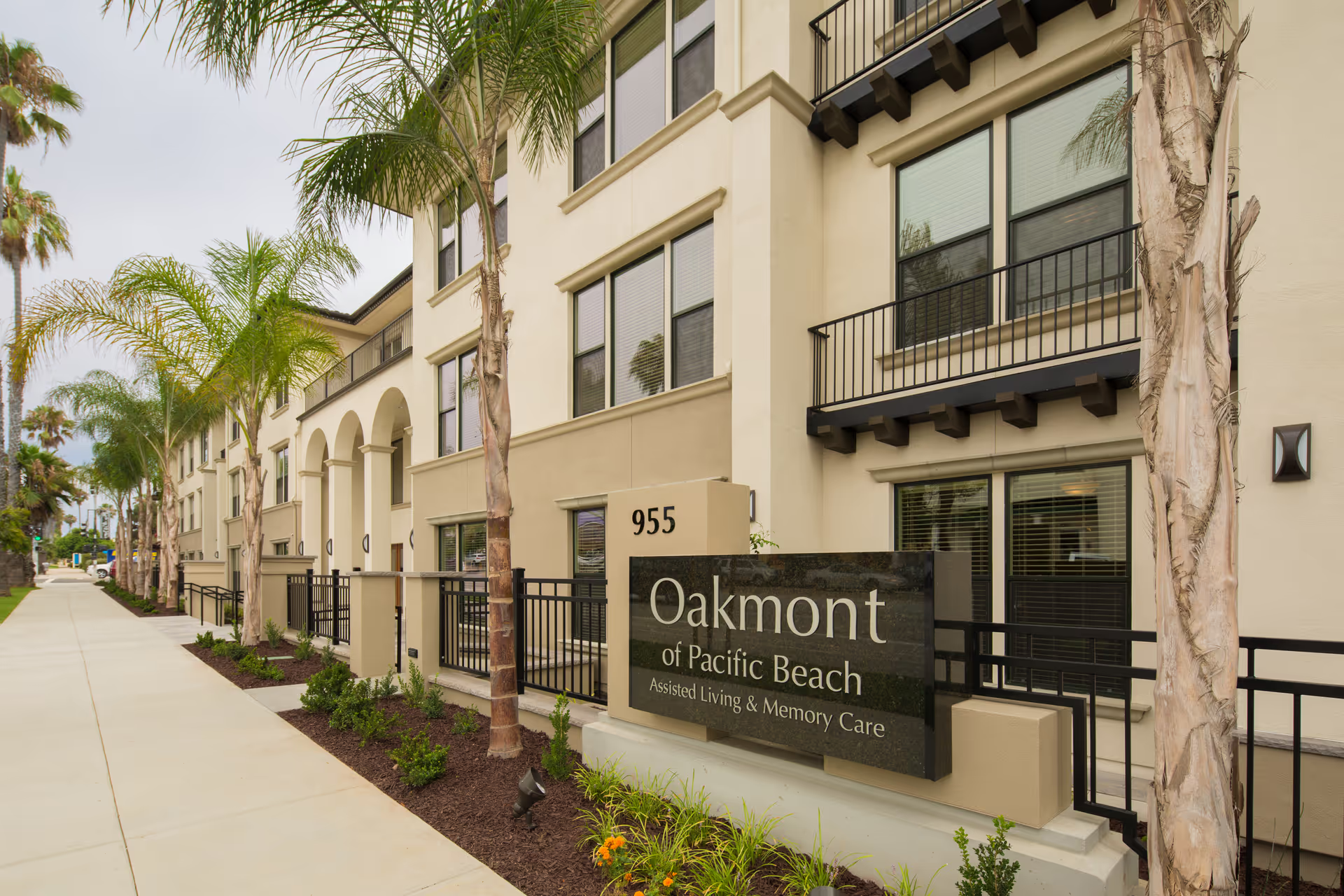
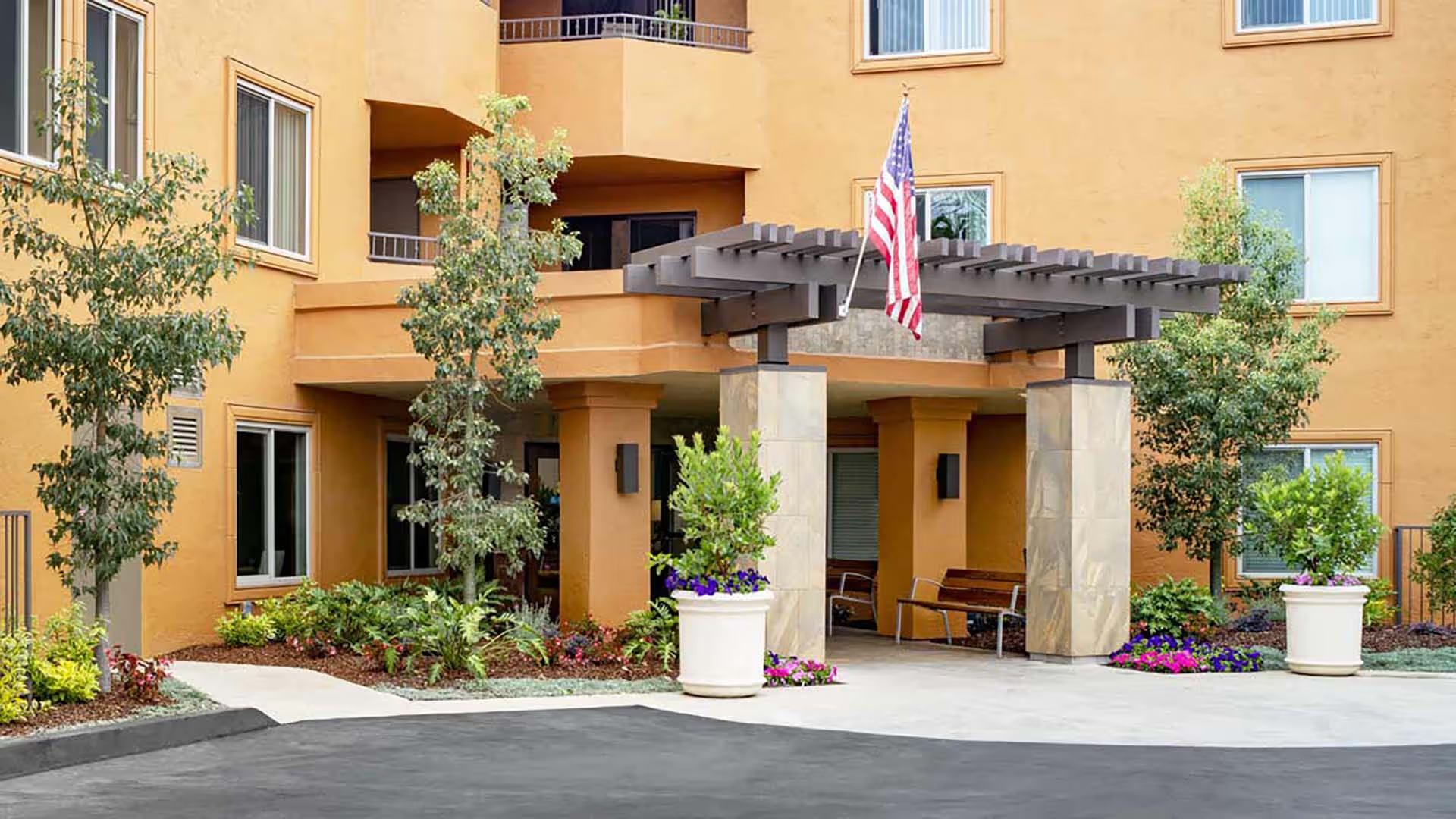
Facilities and cleanliness: The community’s design, common spaces and location are widely appreciated; reviewers note roomy common areas conducive to walking and socializing, a comfortable, home-like atmosphere, and dog-friendly policies. However, several reviewers described sanitation and odor concerns in particular areas and indicated uneven housekeeping results. These observations suggest that physical plant and maintenance standards are generally high but may experience lapses tied to staffing or operational scheduling.
Management, communication and notable incidents: Opinions on leadership and communication are polarized. Some families praised transparent, decisive outbreak management and frequent activity notices; others described insufficient executive communication, limited move-in coordination, and inconsistent family updates. Serious events referenced by reviewers include a COVID outbreak that resulted in resident deaths and extended isolation for some residents; these episodes produced both praise for lifesaving interventions and criticism of communication and transition handling. In addition, a subset of reviewers reported instances of disrespectful staff conduct and cultural insensitivity, indicating a need for stronger supervision and staff-training reinforcement.
Overall patterns and guidance: The community offers many of the hallmarks families seek — compassionate staff, robust activities, attractive facilities and clinical backup — and several reviewers describe meaningful gains in resident quality of life. However, recurring operational issues (staffing shortages, variable personal-care delivery, intermittent sanitation concerns, uneven management communication and pricing that some families view as high for memory-care readiness) are important considerations. Prospective residents and families should tour the community, ask specific questions about current staffing ratios and agency use, review grooming and hydration protocols, sample menus, and request examples of recent infection-control communication and move-in support to assess alignment with their expectations.