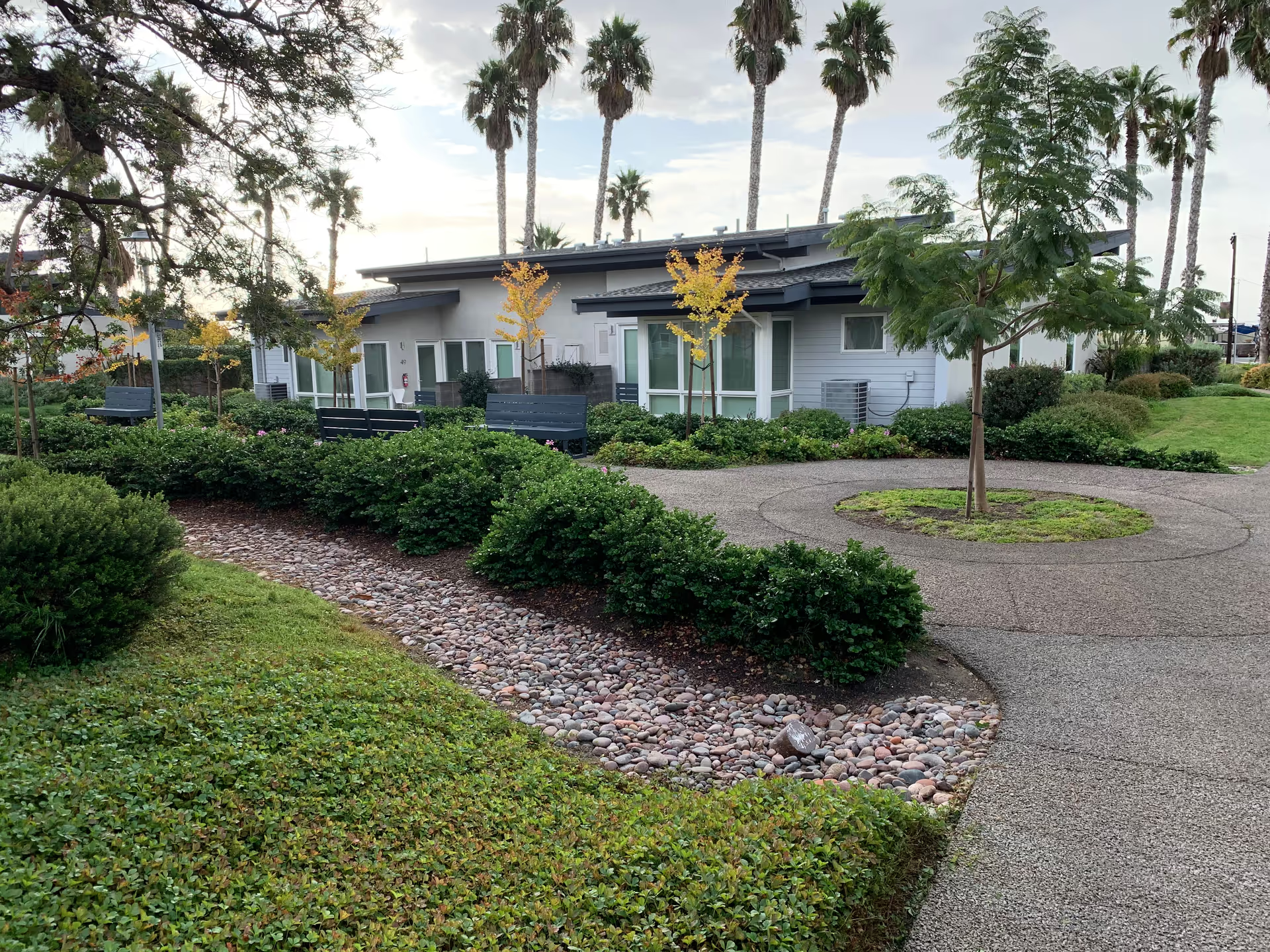
White Sands La Jolla presents as an upscale, oceanfront continuing care retirement community (CCRC) with a strong emphasis on lifestyle amenities and clinical continuity. The property and public areas consistently draw praise for their scenic ocean views, well-maintained grounds, and resort-like public spaces. The community offers multiple levels of care—independent living, memory support, and skilled nursing—allowing residents to remain on campus as needs evolve.
Clinical care is a prominent strength in many accounts. Reviewers describe 24/7 nursing coverage, an on-site medical director, outpatient clinic services, and access to rehabilitation and allied therapies such as physical therapy, massage, and chiropractic care. Families and residents frequently highlight compassionate nursing and caregiving staff, coordinated transitions (including hospice support), and personalized attention by CNAs and nurses. At the same time, there are reports indicating variability in staff conduct and responsiveness; prospective residents should clarify staffing levels, turnover, and incident-response protocols during a tour.
Dining is another area of consistent favorable comment: chef-prepared meals, extensive salad bars, specialty stations (for example a pasta bar), and dining rooms with ocean views contribute to a broadly positive food program. The community also offers flexible meal-plan structures. That said, some reviewers raised sanitation and pest-control concerns in dining or service areas and occasional inconsistencies in food experience; these appear episodic but warrant direct questions during a visit and a meal sampling.
Activities and social life are robust. White Sands offers a wide slate of fitness classes (Pilates, water aerobics, yoga), cultural and intellectual programming (guest lectures, professor-led events), creative studios (art and woodworking), animal-therapy visits, and extensive off-campus programming via the community bus and limo service. Resident committees and active programming foster social engagement, though reviewers also described uneven utilization of certain amenity spaces and lower activity levels in some internal rooms or libraries—indicating variation in how individual residents choose to participate.
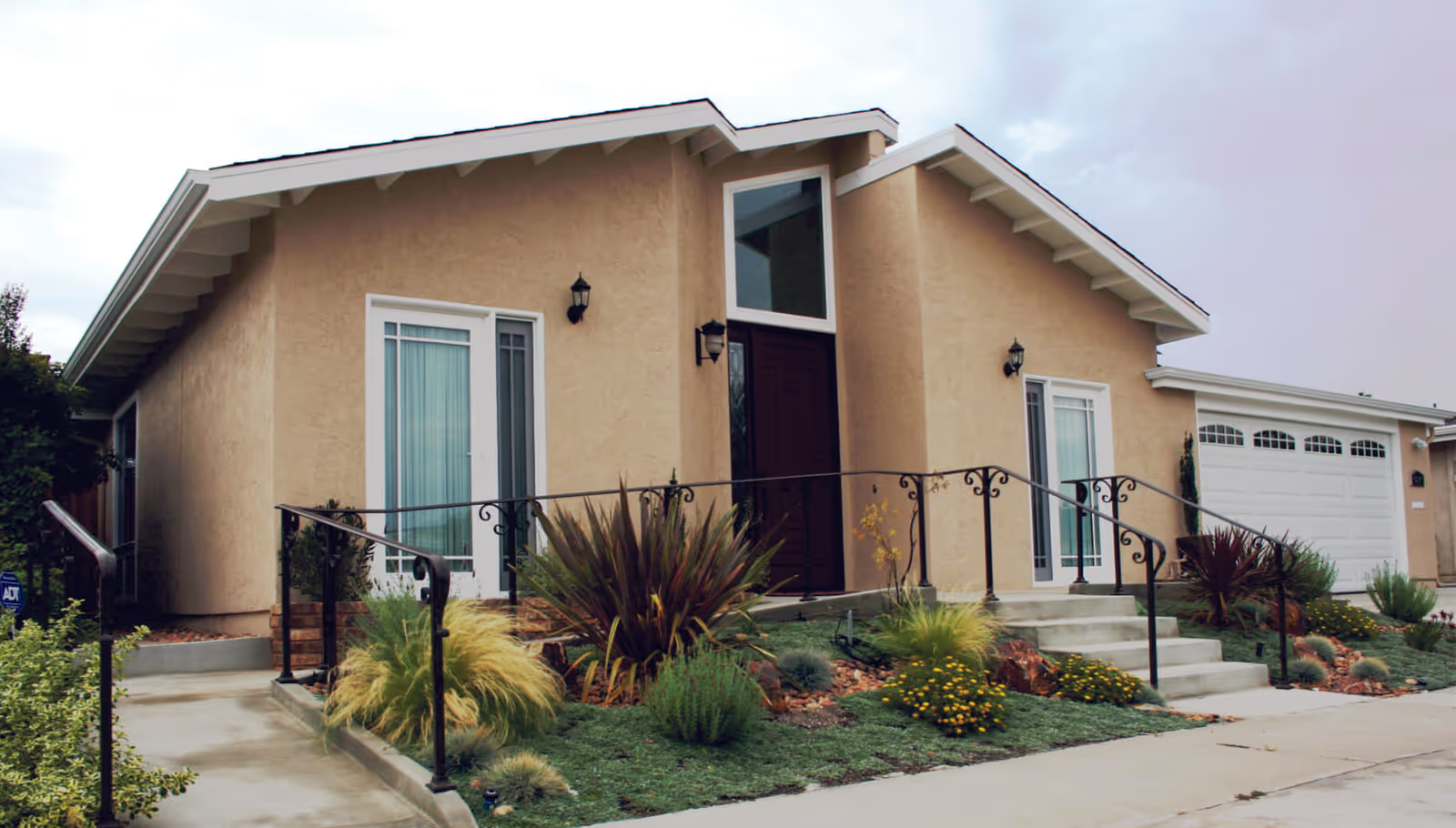
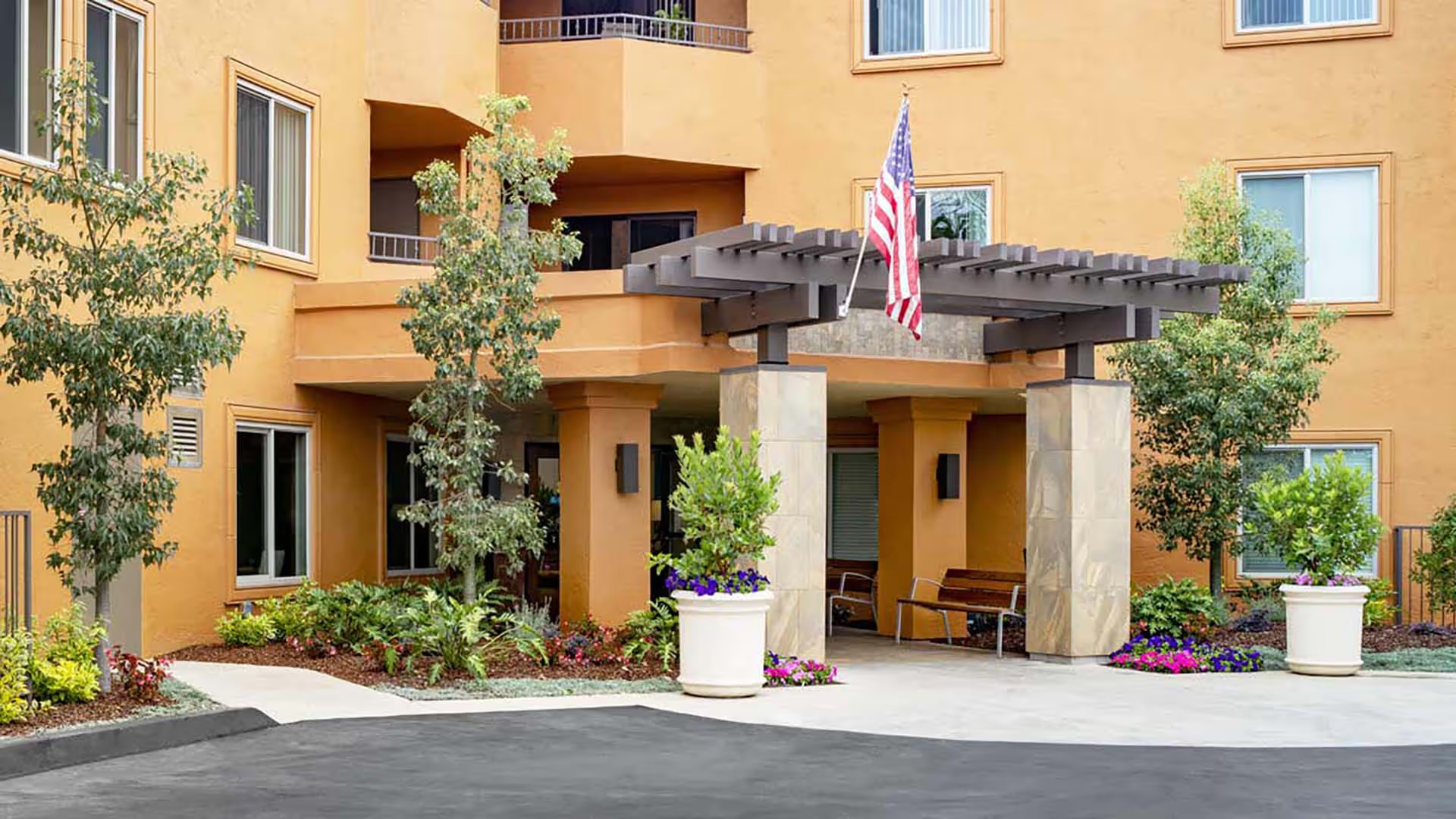
Facilities generally receive high marks for maintenance and aesthetics: renovated independent-living buildings, a pool and gym, spa amenities, and attentive landscaping. Accessibility and unit configuration merit careful review: some apartments are described as smaller or dorm-like, many units lack full kitchens, and layout differences between independent and assisted living can create longer walks to shared dining or activity spaces. Ongoing renovations are noted and can be disruptive during move-in or transitions.
Management and operations reflect a resident-centered, not-for-profit philosophy and responsive admissions/administrative staff in many accounts. At the same time, the community’s financial model—significant buy-in fees and elevated monthly charges—creates a pronounced cost/value consideration. A small number of serious concerns were raised about handling of critical incidents and communication transparency; these point to the importance of asking about incident-response plans, safety protocols, and grievance procedures when evaluating the community.
Bottom line: White Sands La Jolla is best suited to prospective residents and families prioritizing an oceanfront lifestyle, strong clinical continuity, and an active, intellectually engaged community willing to pay a premium for those attributes. Priorities for a visit should include a meal during service, a review of current renovation timelines, inspection of the specific unit size and in-unit features, clarification of accessibility between care levels, and detailed discussion of staffing, incident-response protocols, and full cost structure (buy-in options and monthly fees). These steps will help align expectations around the community’s strengths and the operational trade-offs described above.