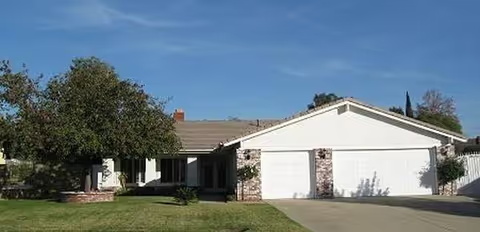
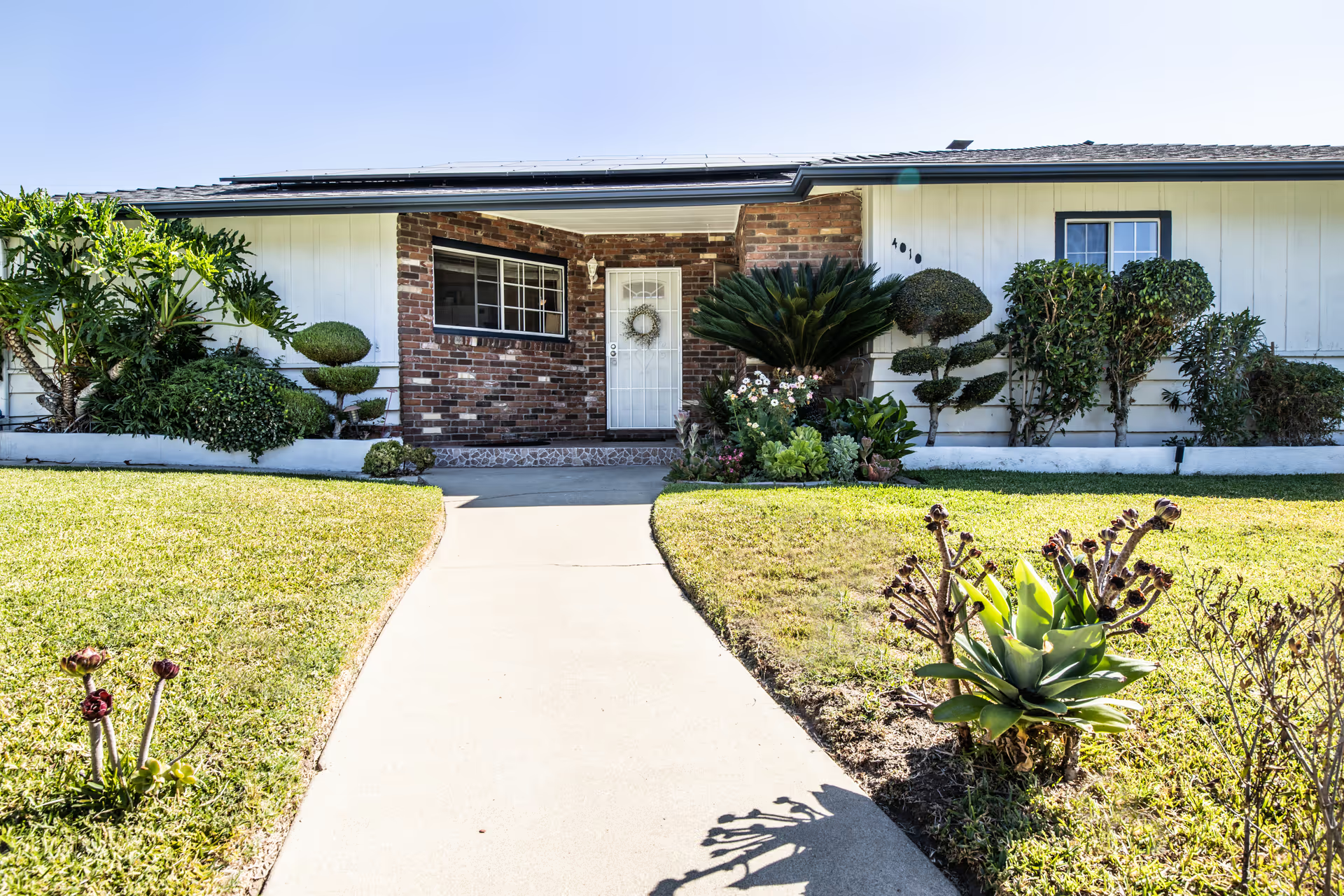
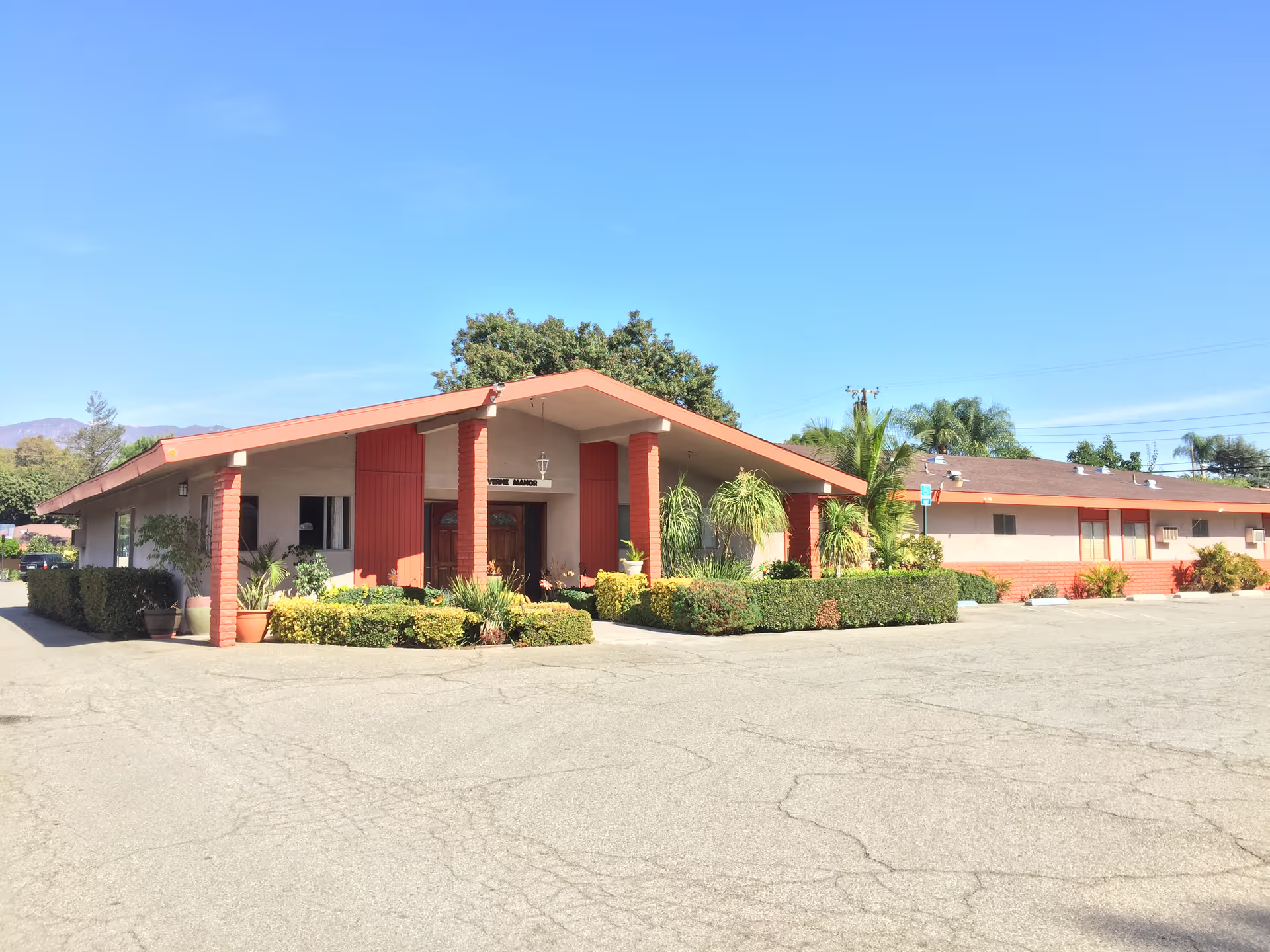
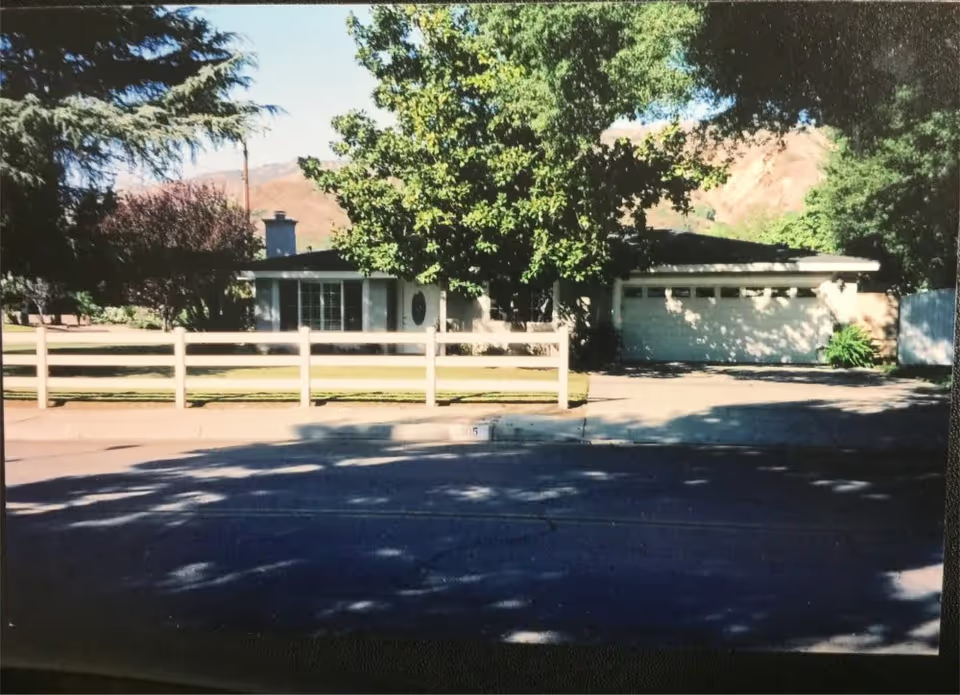
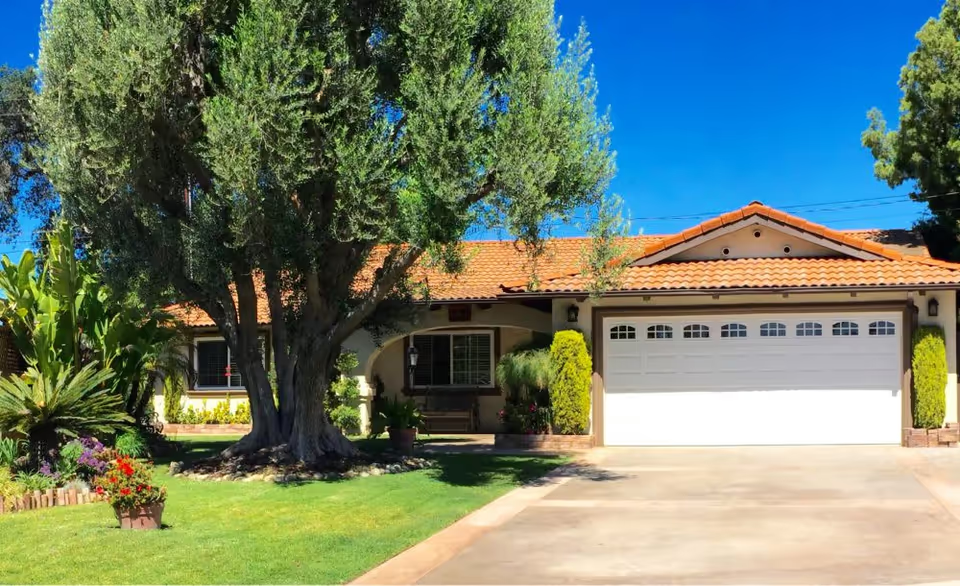
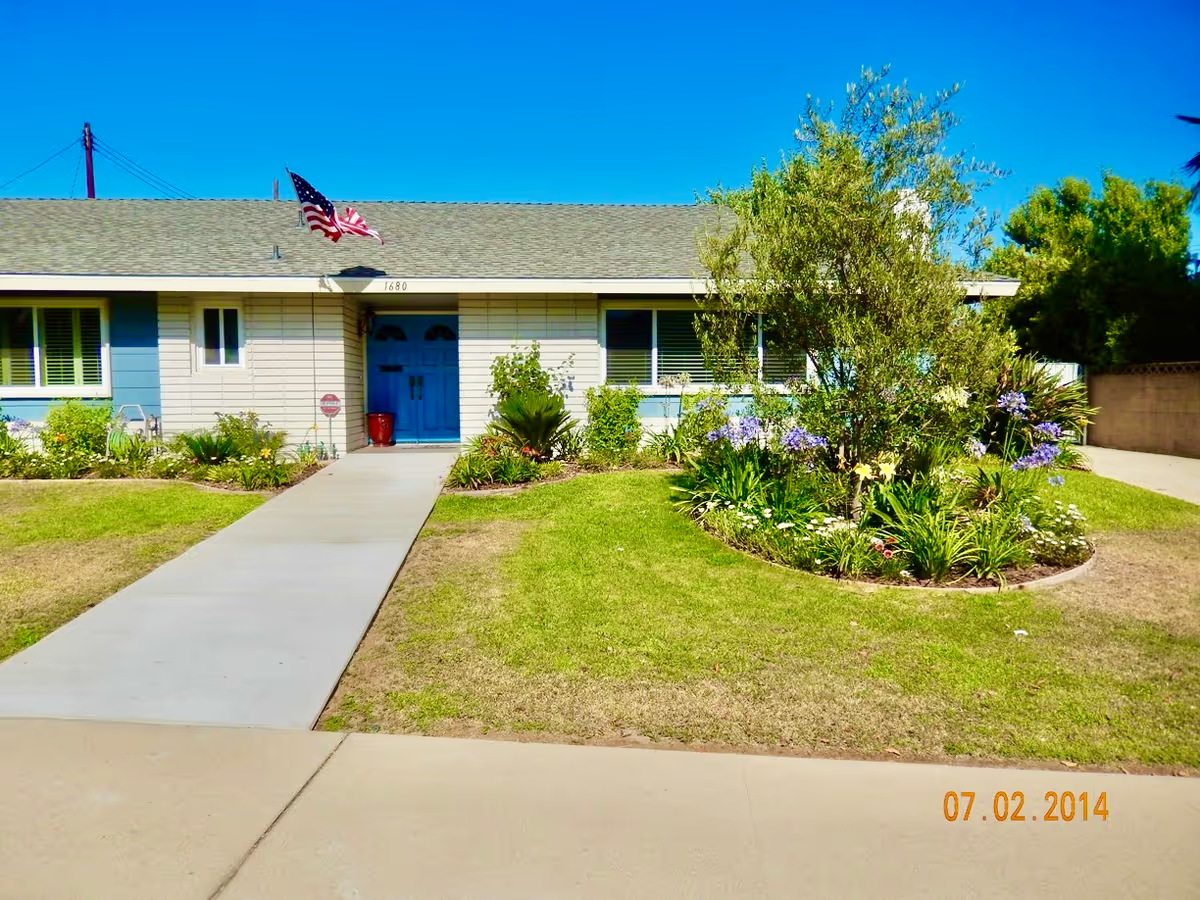
Overall impression: Reviewers describe a small, family-run assisted living environment that emphasizes personalized, home-like care and close staff–family communication. Many families praised the attentive, friendly caregivers, owner involvement, and proactive management advocacy for equipment and medical needs. The facility is positioned as a value option compared with some higher-cost alternatives and offers private rooms, regular clinical oversight from RNs and periodic physician/nurse visits, and prompt responses for urgent equipment needs.
Care quality and clinical staffing: Clinical capacity appears mixed. There are accounts of RN oversight and scheduled nurse/physician visits, yet the facility is not licensed as a medical facility and some families describe caregivers without nursing credentials and limited overnight nursing coverage. This produces an inconsistent clinical staffing model: there is active oversight for routine needs, but reviewers raised operational concerns about staffing levels during some shifts and gaps in higher-acuity care practices — specifically mobility-assistance and pressure-area prevention protocols. Prospective families should clarify staffing ratios, qualifications of overnight personnel, and protocols for repositioning and wound/skin-care prior to placement.
Staff and management: Staff are frequently described as kind, responsive, and communicative; management is characterized as approachable and involved. Owner advocacy and hands-on oversight were cited positively, and communication with families was praised. However, a minority of accounts note a sales-oriented admission style and isolated incidents of concerning staff conduct or abrupt communication tone. These contrasting notes suggest generally strong family-facing communication but variable staff interactions in certain situations; asking about admission practices and observing staff–resident interactions on a site visit is advisable.
Dining, activities, and amenities: Meals were generally viewed positively, with several comments about appetizing food. Conversely, activities and amenity offerings are limited compared with larger or upscale communities. The facility is not positioned as a luxury option — furnishings are modest and some areas are described as older. Room sizes and bathrooms are small, lighting can be dim in places, and there are occasional environmental-control failures (for example, HVAC outages) that affect comfort. If robust programming, larger living space, or higher-end finishes are priorities, this property may be less suitable.
Costs, privacy, and monitoring: Pricing is presented as competitive, but reviewers flagged an opaque fee structure that includes a nonrefundable admission fee and ongoing supply charges; families should request a full fee schedule and explanation of add-on costs. The facility also uses remote monitoring devices for supervision in some contexts, which some families may view as a privacy or care-model consideration. Clarify monitoring practices, privacy safeguards, and what level of in-person supervision is provided overnight.
Notable patterns and recommendation: The dominant strengths are individualized attention, cleanliness, responsive management, and perceived value. The primary operational weaknesses are inconsistent clinical staffing for higher-acuity needs, limited activities and amenities, small physical accommodations, and some pricing/transparency concerns. This setting may be appropriate for residents who need dependable, compassionate assistance in a homelike environment and who do not require continuous nursing-level care. Families considering placement should verify clinical staffing qualifications and overnight coverage, review repositioning and wound-prevention protocols, obtain a detailed fee breakdown, and evaluate the activity program and physical accommodations during an in-person visit.