Overall impression: Families and visitors frequently describe Heritage Home Care as a clean, home-like facility with personable ownership and a consistently praised caregiving staff. Reviews emphasize attentive, compassionate day-to-day care, strong front-line communication (including text updates), and an admissions experience characterized as informative and welcoming.
Care and staff: Staff and management receive repeated positive comments for friendliness, responsiveness, and individualized attention. Caregivers are described as attentive, and owners/management are characterized as polite and energetic. Communication with families appears proactive and timely, which many families found reassuring. However, reviewers also indicate limits to the facility’s clinical scope: certain medical tasks (for example, insulin administration and on-site blood testing) are not provided. Prospective families should verify the facility’s clinical capabilities and nursing coverage against their loved one’s medical needs.
Dining and activities: Dining is presented as a strength — meals can be customized and are generally well regarded by residents and families. The facility offers separate dining areas that contribute to a home-like atmosphere. Activity programming is an area of concern for some families, particularly where cognitive stimulation or memory-care–level engagement is needed; reviewers mentioned limited activities and a lack of mental-stimulation programming. Anyone seeking memory-care services should confirm the depth and frequency of activity offerings and cognitive-support programming.
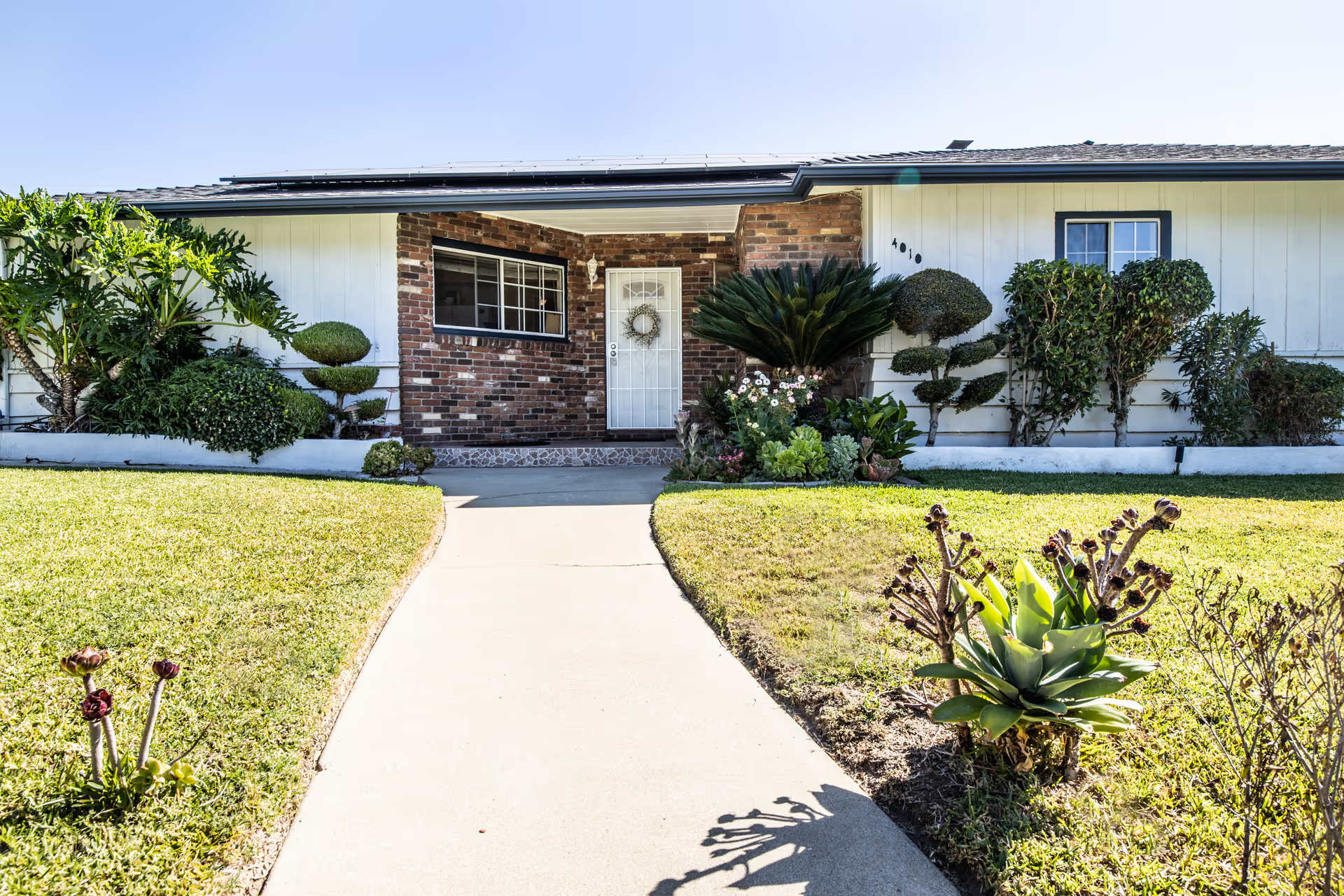
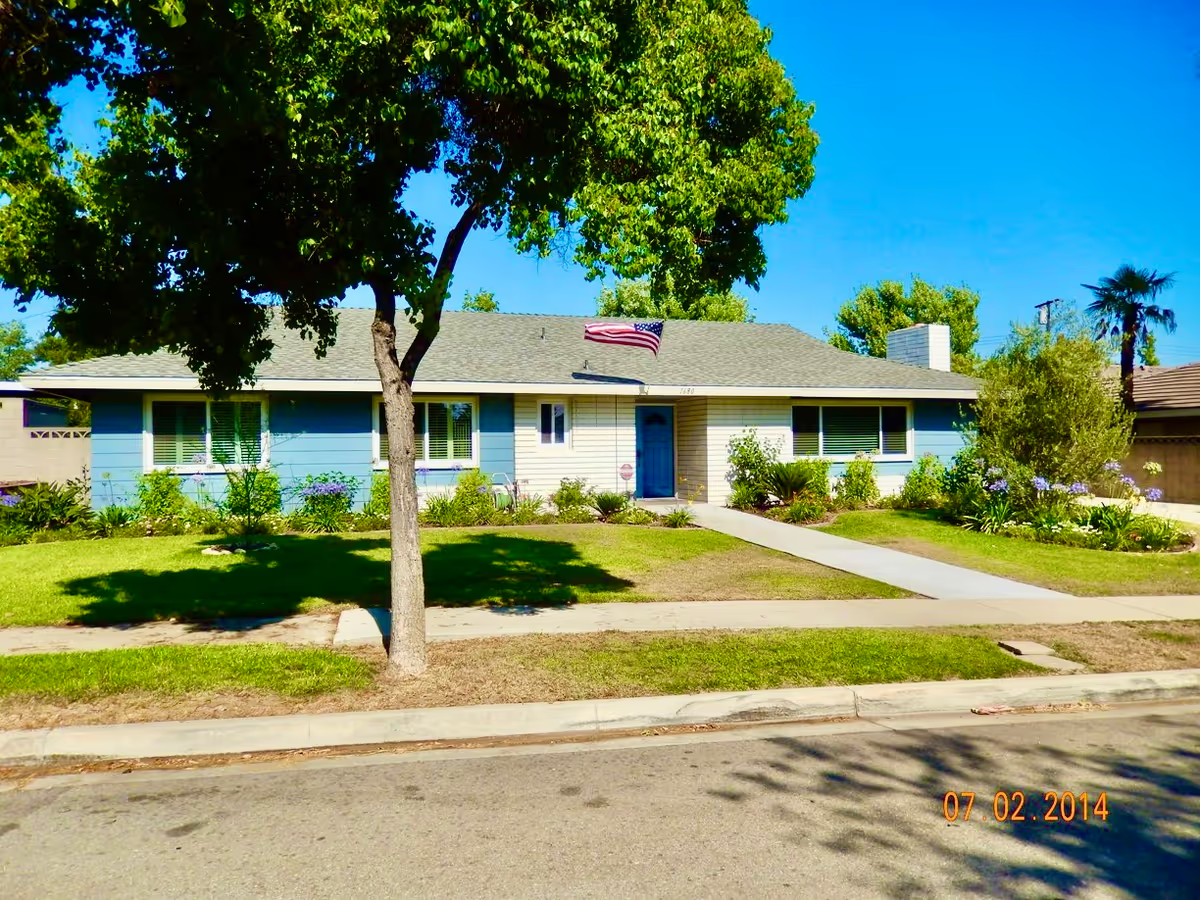
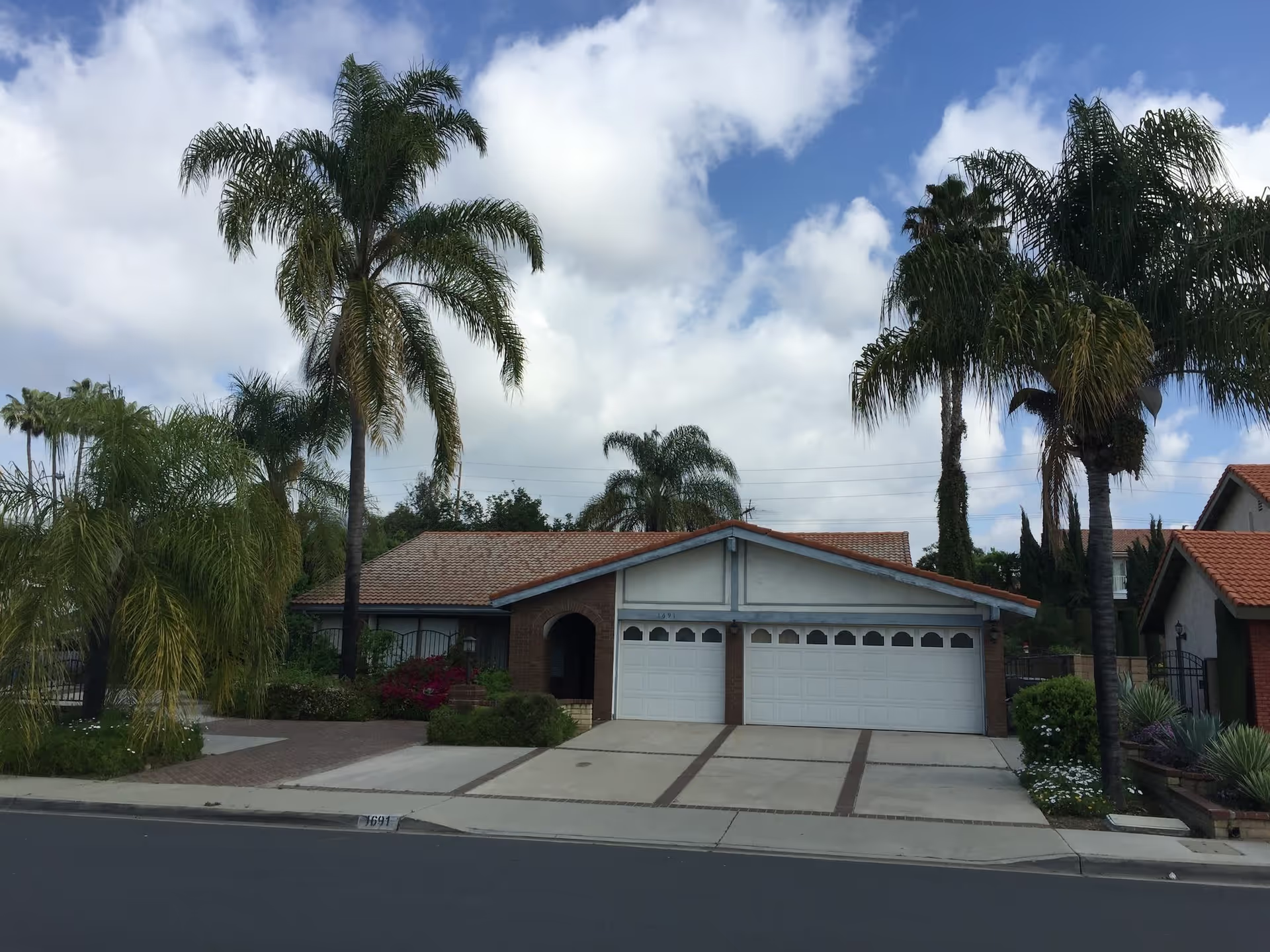
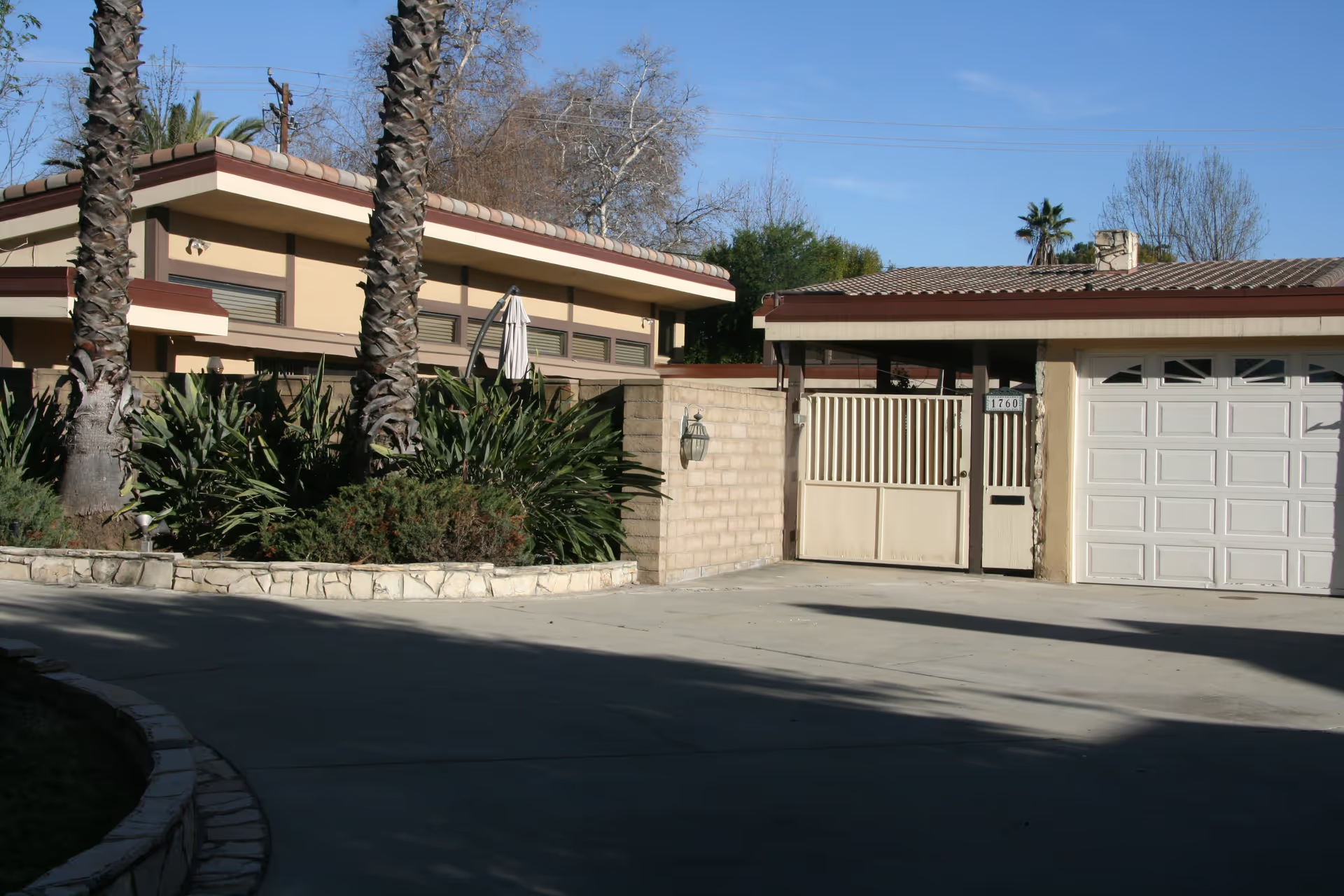
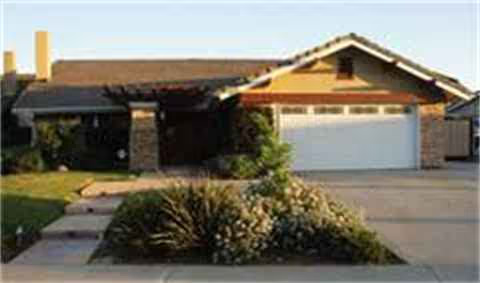
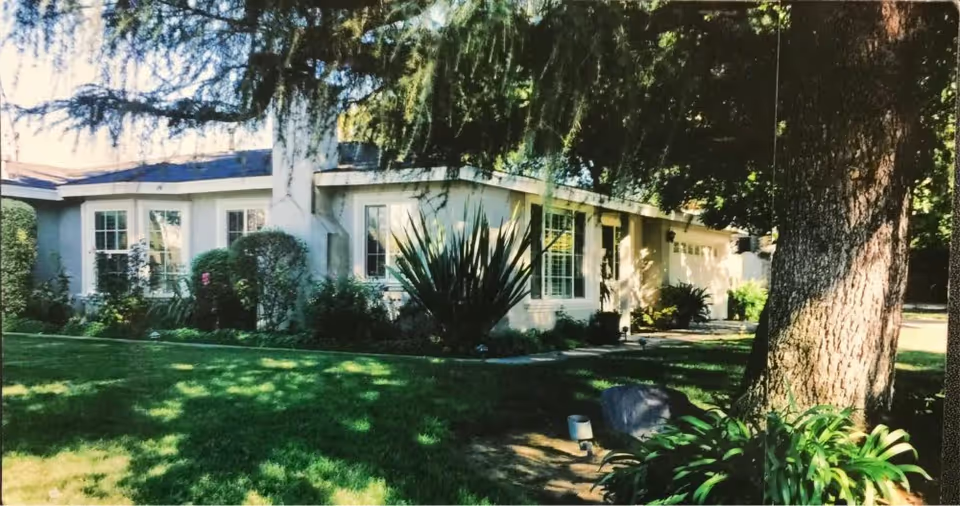
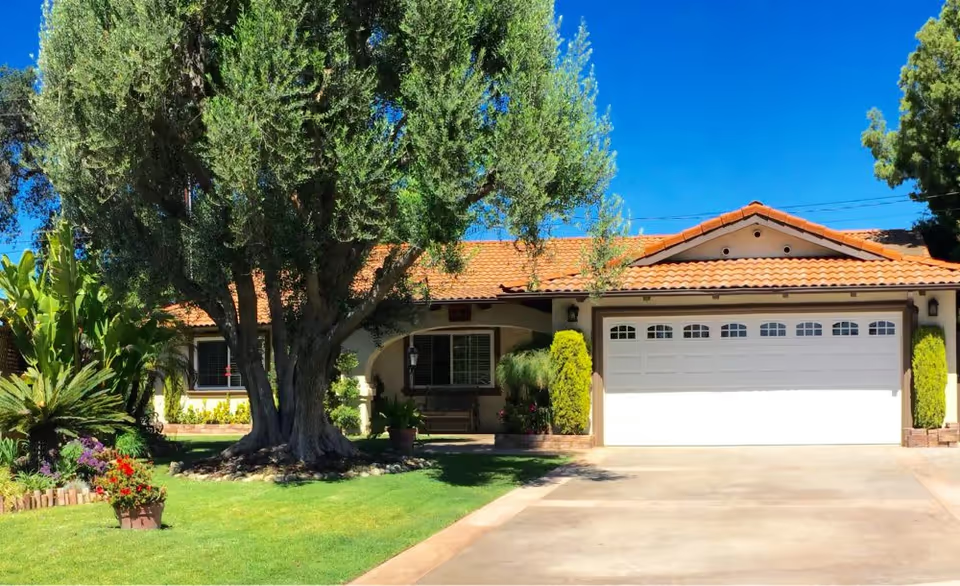
Facilities and environment: Physical spaces are repeatedly described as clean, well-maintained, and recently updated. Private rooms are noted as spacious, some with double doors, and bathrooms include accessible features such as roll-in showers and hair-wash accommodations. Outdoor amenities — an exterior front area and a covered patio — contribute positively to the environment and resident quality of life.
Management and operations: Ownership and management are generally described as approachable and involved. That said, there are operational issues to clarify before placement: reviewers noted a service-classification concern where memory-care needs appeared to be conflated with standard home care, and there are indications of recent fee increases. Families should request clear documentation of the level of care provided, licensing or program distinctions (memory care vs. residential care), current fee schedules, and policies on fee changes.
Notable patterns and recommendations: The dominant pattern is high satisfaction with daily caregiving, cleanliness, and the facility’s welcoming atmosphere. The main limitations cluster around clinical capacity and programmatic depth for residents with higher medical or cognitive needs. Before making a placement decision, prospective residents and families should (1) confirm whether required medical services (e.g., insulin administration, routine blood tests, skilled nursing) are available on-site or via partners, (2) request a written description of activity and memory-support programming, (3) obtain the current fee schedule and ask about recent or planned increases, and (4) verify licensing and service classification to ensure it matches the resident’s care needs. These checks will help align the facility’s strengths with the prospective resident’s clinical and psychosocial requirements.