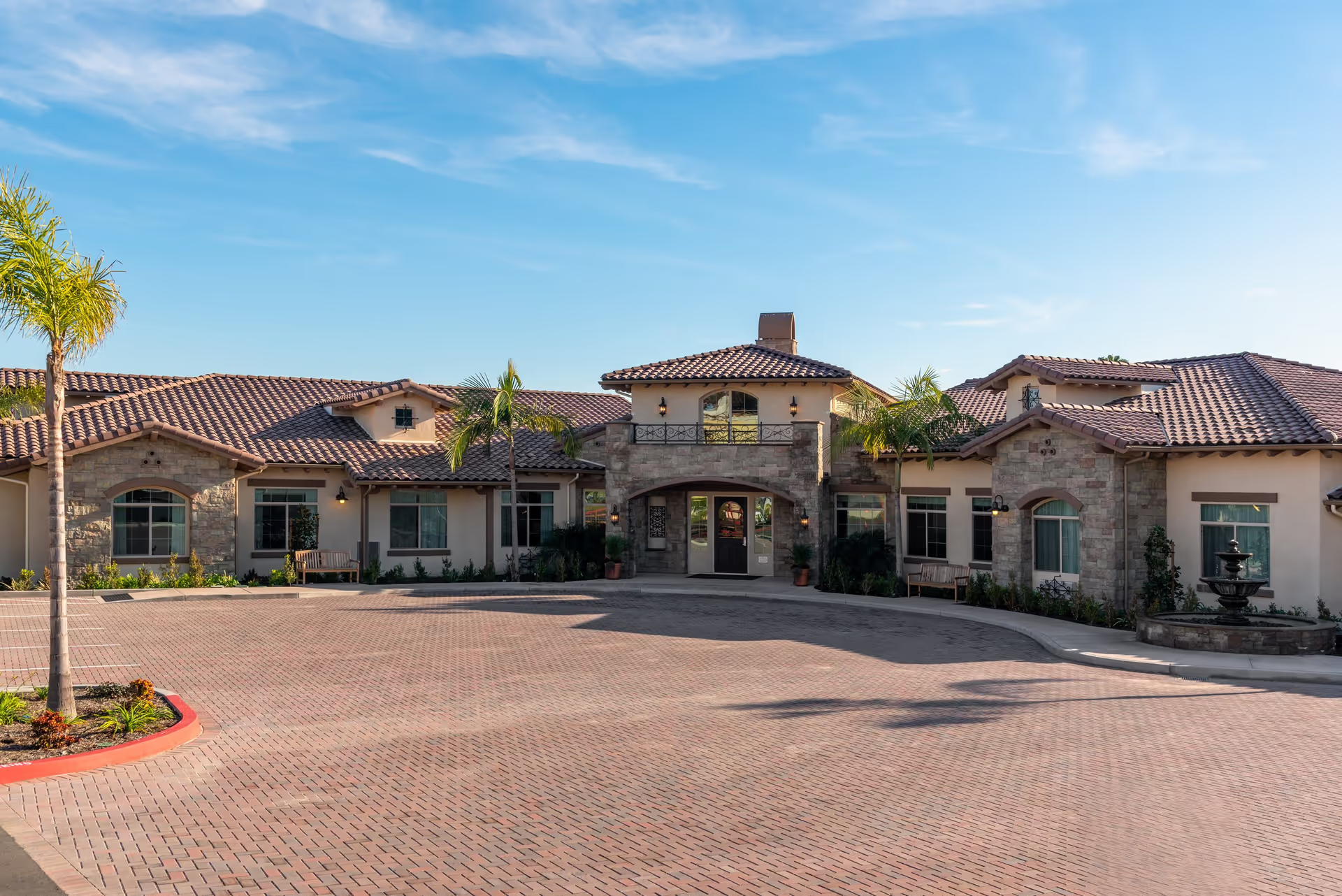
Golden Age Senior Homes presents as a long-established, small-home provider with a distinctive Japanese ownership and staffing influence. The operator runs multiple residences in the Mission Viejo/Laguna Hills area and advertises acceptance of residents with Alzheimer’s/dementia. Several families conveyed positive experiences that highlighted compassionate caregiver interactions, strong nursing involvement in particular cases, and continuity with an external hospice provider (VITAS). The small-house setting and bilingual caregiver mix (Japanese and Filipino) are notable features that may suit residents seeking cultural or language-specific care.
Clinical scope and daily-care quality appear mixed. The provider is not a skilled nursing facility and lacks consistent on-site registered-nurse coverage, which limits the level of clinical care available directly at the homes. While some reviewers praised exceptional nurse care and good initial clinical support, others described inconsistent personal-care practices, including concerns about bathing, oral care, and timely incontinence-related assistance. These divergent experiences suggest variability in caregiving performance across shifts or homes; prospective families should confirm current staffing ratios, on-call clinical coverage, and protocols for personal-care delivery.
Administrative operations and family communication emerged as recurring themes. Reviews describe misplaced paperwork, errors in disposition/transport coordination, and difficulty obtaining timely responses from management. Those issues point to weaknesses in record-keeping, documentation controls, and family-notification procedures rather than isolated clinical failures alone. For families, important due-diligence items include requesting samples of documentation practices (medication logs, care plans), asking about records-retention policies, and clarifying end-of-life coordination procedures.
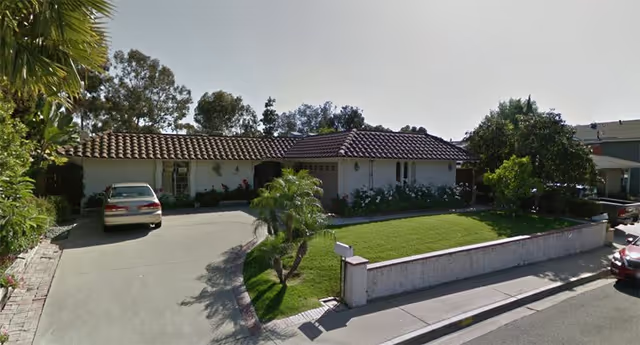
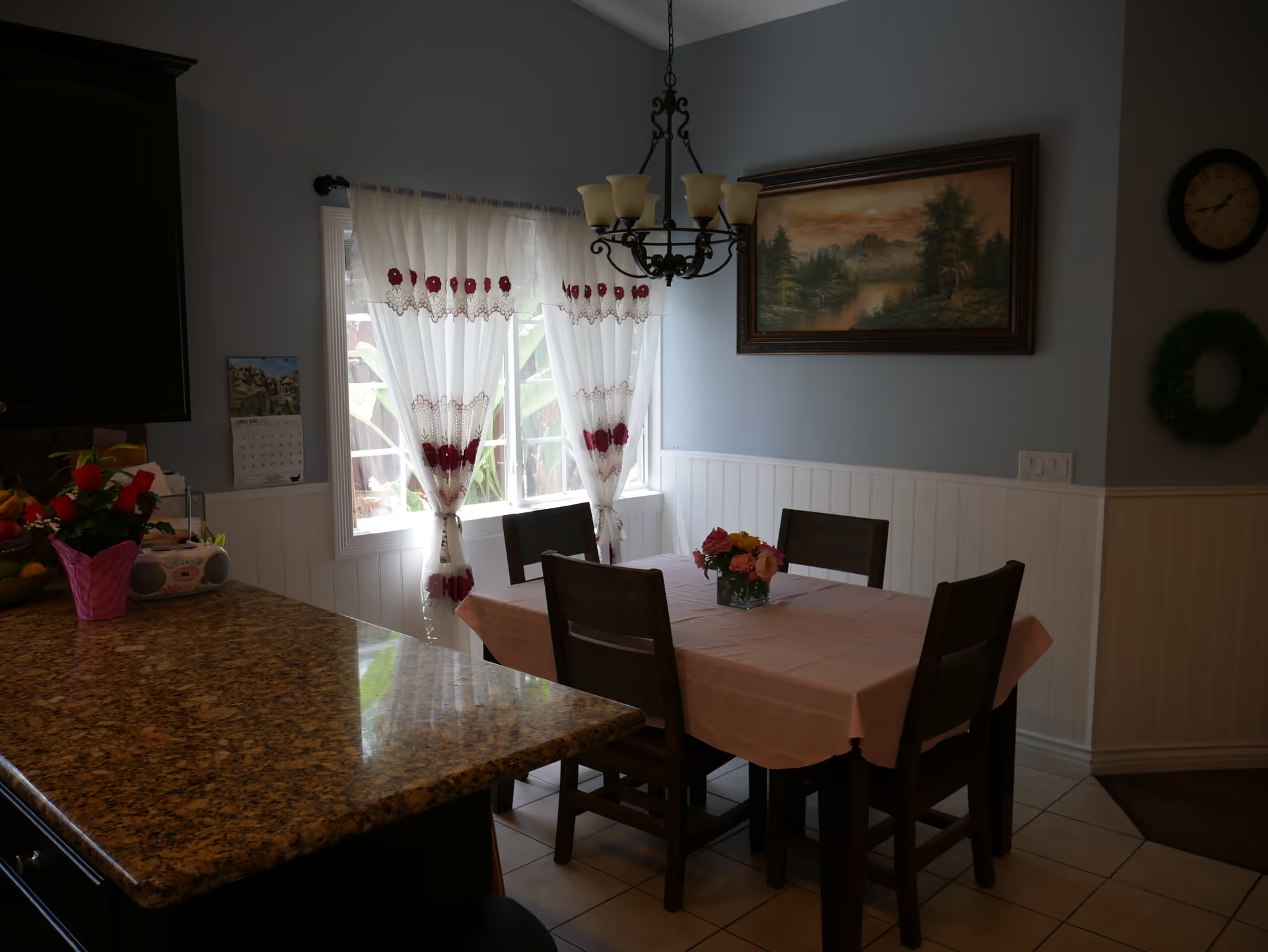
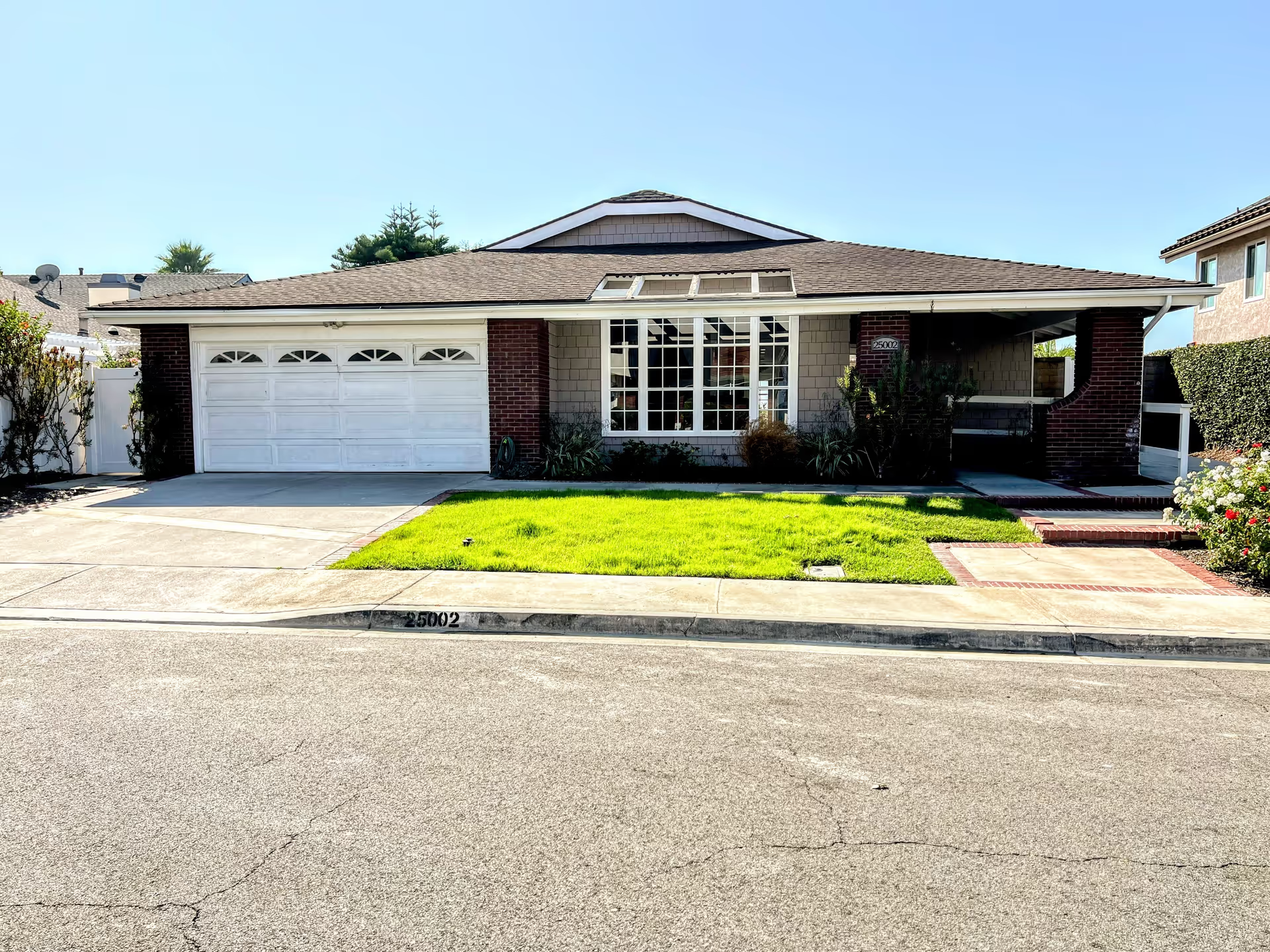
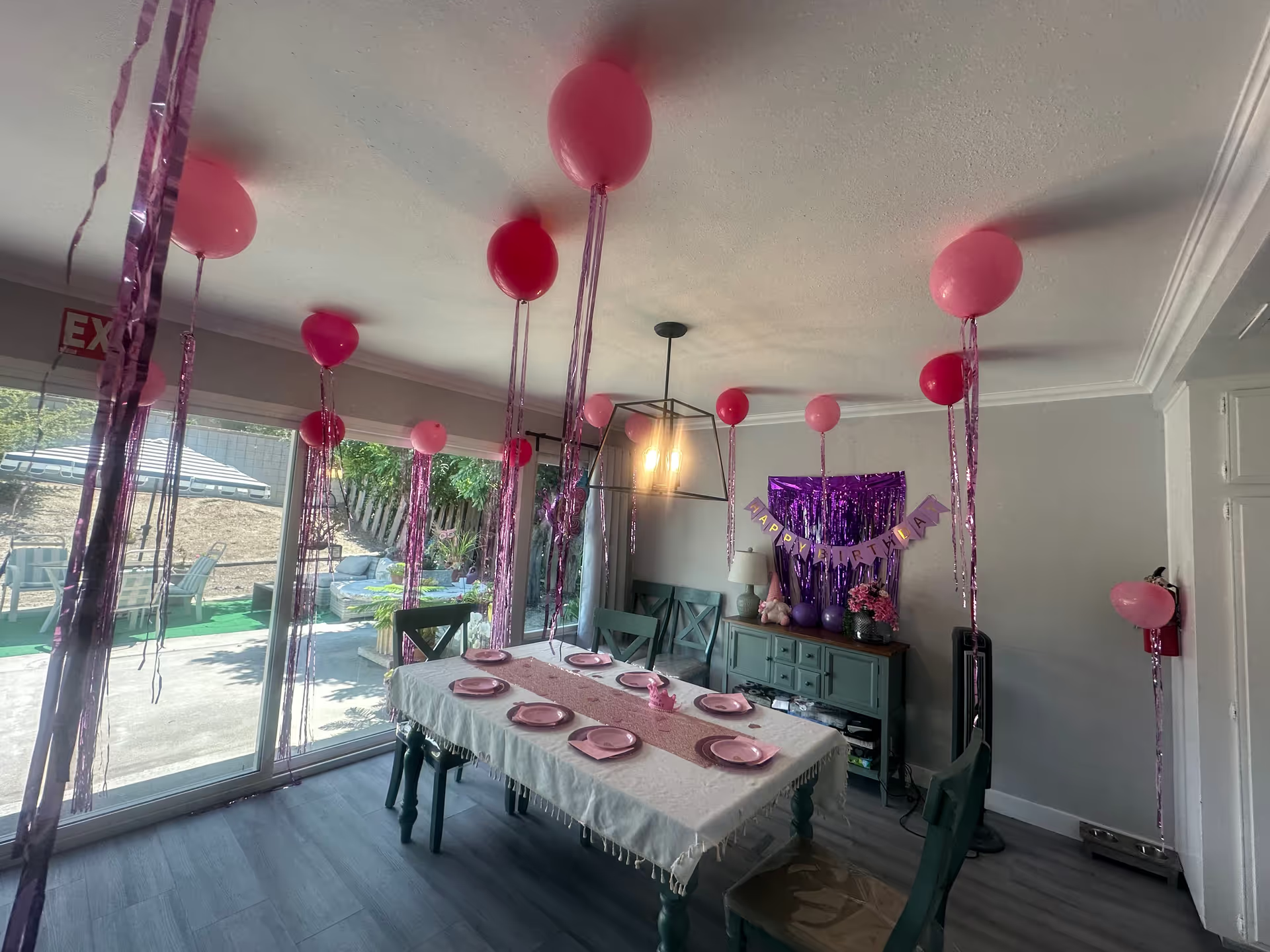
Programming and daily life also show variability. The facility’s small-home model may provide a homelike atmosphere that some families value, but several reviewers found activity and cognitive-stimulation offerings insufficient. Dining impressions are limited in the reviews provided; however, one comparison suggested pricing may be more inclusive versus competitors that add numerous fees. Families should inquire directly about meal planning, dietary accommodations, and whether activity schedules are tailored to cognitive and physical needs.
Notable patterns are polarization of family experiences and a mix of strengths and operational gaps. Strengths include cultural staffing, long tenure, hospice relationships, and examples of attentive nursing. Recurrent operational weaknesses involve limited on-site clinical capacity, inconsistent day-to-day personal care, administrative/documentation lapses, communication shortfalls, and variable activity programming. Recommended next steps for prospective residents and families: tour multiple homes, request current staffing rosters and RN coverage details, review credentialing and language-capability documentation, observe an activity session, and ask for written policies on documentation, family communication, and end-of-life coordination.