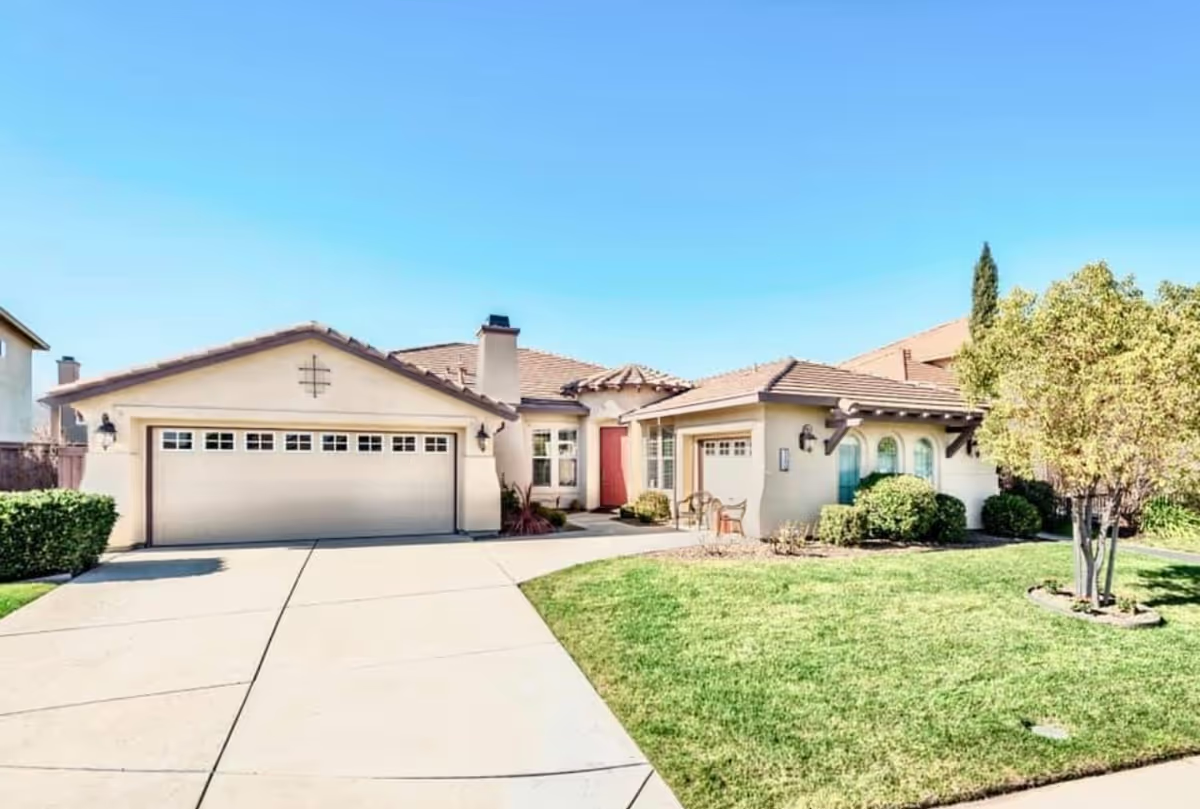
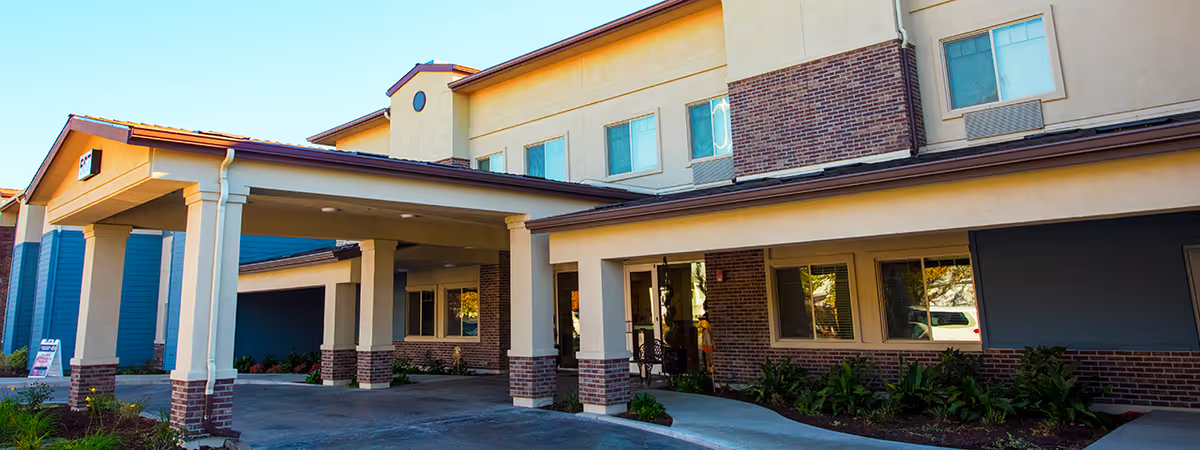
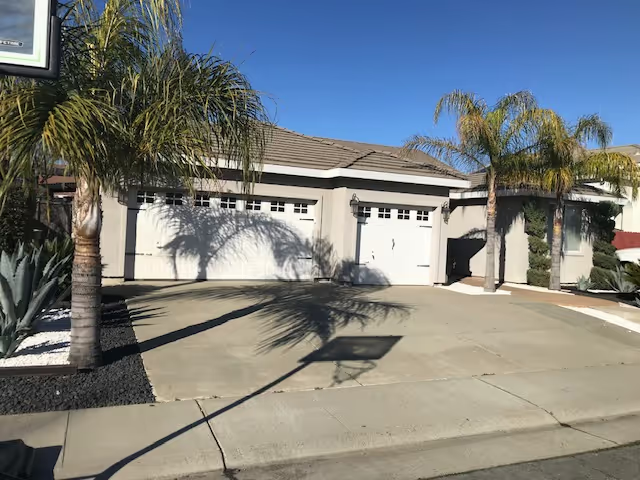
A Loving Senior Care Home I presents as a small, home-like residential setting with several strengths in direct caregiving and family communication. Multiple accounts emphasize compassionate, attentive staff who provide individualized care, including notable support during end-of-life transitions. Families describe staff as warm, knowledgeable, and responsive, and leadership communication is frequently characterized as transparent and reassuring. These elements contribute to feelings of safety and peace of mind for many families.
Clinical care practices appear to be a central strength: caregivers are described as attentive to grooming and personal comfort, and specific staff members are highlighted for providing emotional as well as physical support. The facility is credited with offering dignified, family-focused care during sensitive periods, which suggests an emphasis on palliative-style attention and continuity of relationships between staff, residents, and families.
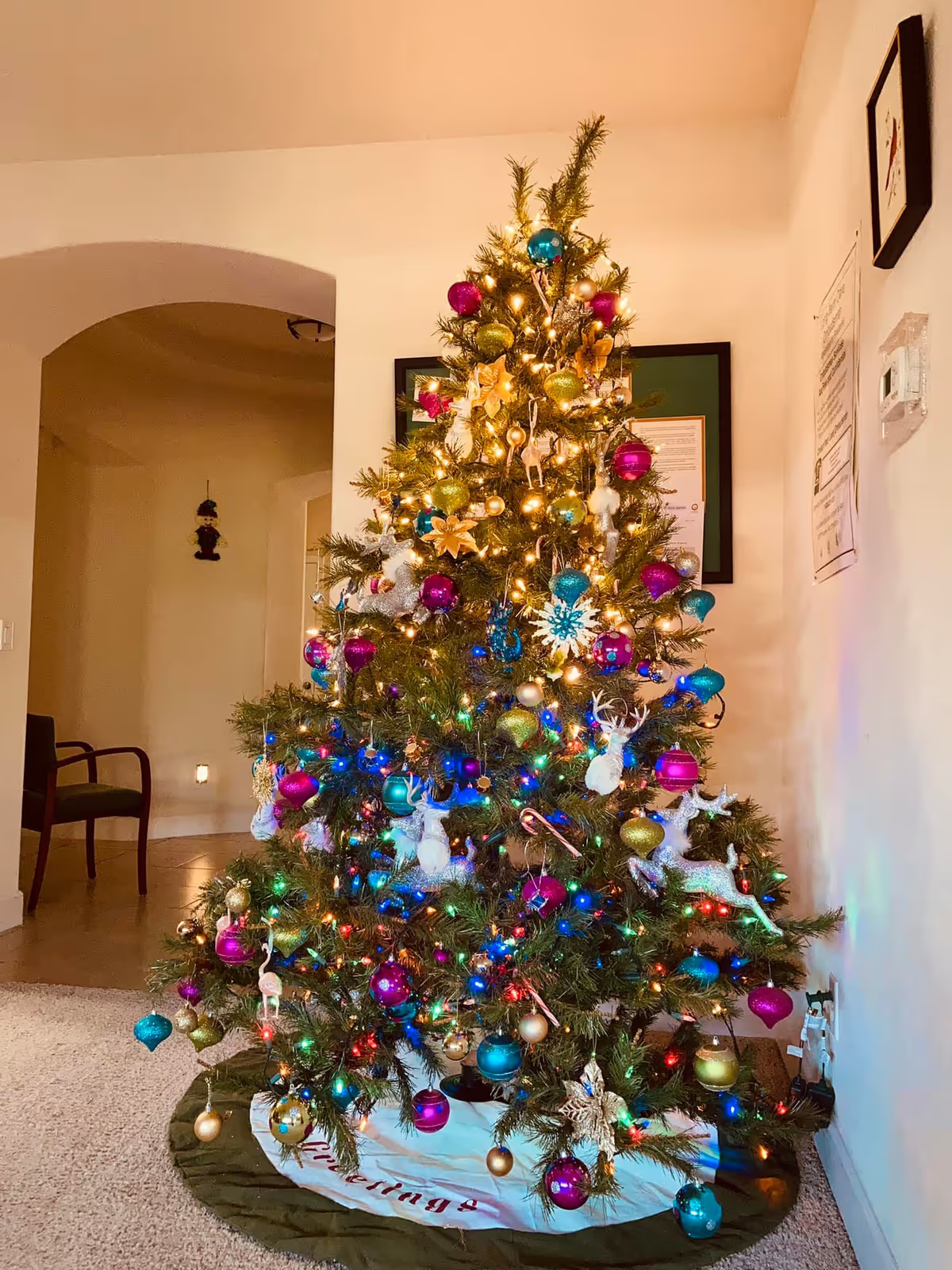
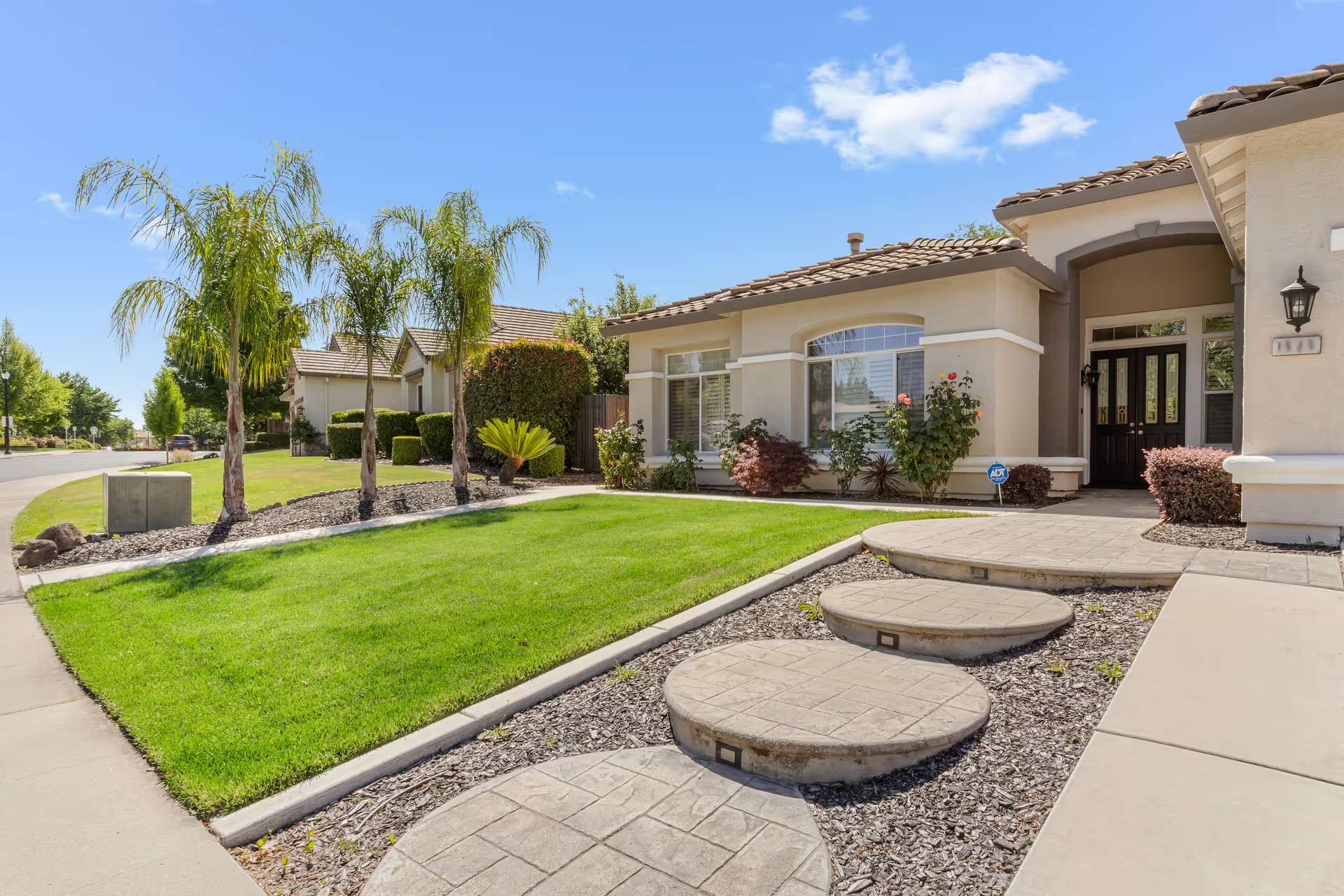
Dining and daily living amenities are generally praised. Meals are described as well-prepared and satisfying, and the environment includes useful features such as private single rooms, wheelchair-accessible accommodations, a pleasant outdoor patio, and a comfortable living room with a large television. These elements support resident comfort and accessibility in a smaller residential footprint.
Activity programming is a notable limitation. Review summaries point to a lack of planned activities and relatively few engagement options; some of this limitation is attributed to resident acuity, but the overall picture is of minimal structured recreational programming. Prospective families should inquire specifically about current activity schedules and how staff adapt engagement for residents with higher care needs.
Facility-condition feedback is mixed. Many accounts describe clean, well-maintained common areas, while others cite cleanliness issues, clutter, or uneven upkeep. This inconsistency suggests variability in housekeeping and facility maintenance practices over time or between units. Prospective residents and families may want to tour multiple areas, ask about housekeeping schedules, and clarify how the home addresses sanitation and clutter concerns.
Cost is another consideration: several accounts indicate the facility is more expensive than some alternatives. When combined with the limited activity offerings and occasional variability in housekeeping and upkeep, families should weigh the value of the strong personal caregiving and end-of-life support against the higher price point and operational inconsistencies. Overall, the facility is characterized by warm, individualized care in a small setting, with areas for improvement in programming, housekeeping consistency, and facility maintenance.