Overall impression: Reviewers consistently describe a small, board-and-care environment that emphasizes individualized attention, family involvement, and a high caregiver-to-resident ratio. The facility is presented as a good fit for families seeking a home-like setting, personalized support, and budget-conscious placement. Placement specialists associated with the service are repeatedly characterized as responsive advocates who guide families through tours, introductions, and follow-up.
Care quality and clinical services: Care is described as compassionate and attentive, with staff who administer medications conscientiously and coordinate with outside clinical professionals. Families note tailored care plans and accommodations for dietary needs (including texture modification and specific nutrition considerations). Because the model relies on home-health nurses and therapists for some clinical services, the setting may not provide the same level of on-site medical infrastructure found in larger skilled-nursing or assisted-living campuses; families should expect coordinated external clinical support rather than extensive in-house specialist care.
Staffing, management, and placement support: Staff and management are consistently characterized as kind, patient, professional, and proactive. Administrators and placement agents receive frequent praise for advocacy, detailed explanations of options, punctuality, and accompaniment to facility tours. Several families highlighted individualized attention during moves and appreciated introductions to owners and primary caregivers. This hands-on placement approach appears to be a core strength and a key factor in family satisfaction.
Dining and therapies: The dining program is described as a weekly, tailored menu with attention to dietary restrictions and preferences; reviewers mentioned use of thickeners and other accommodations when needed. Physical and nursing therapies are typically arranged through visiting home-health providers, with on-site coordination to support residents’ rehab and clinical follow-up.
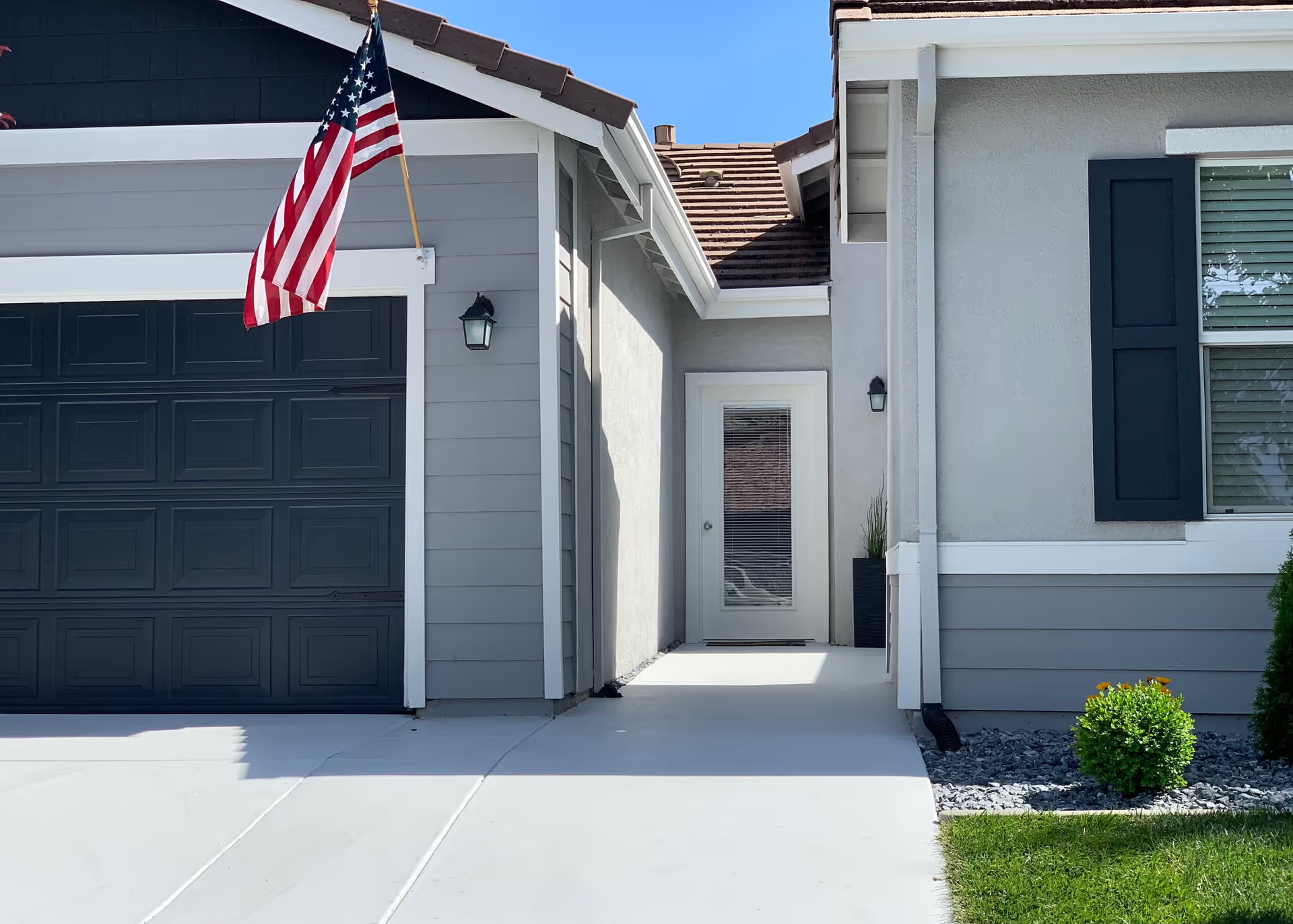
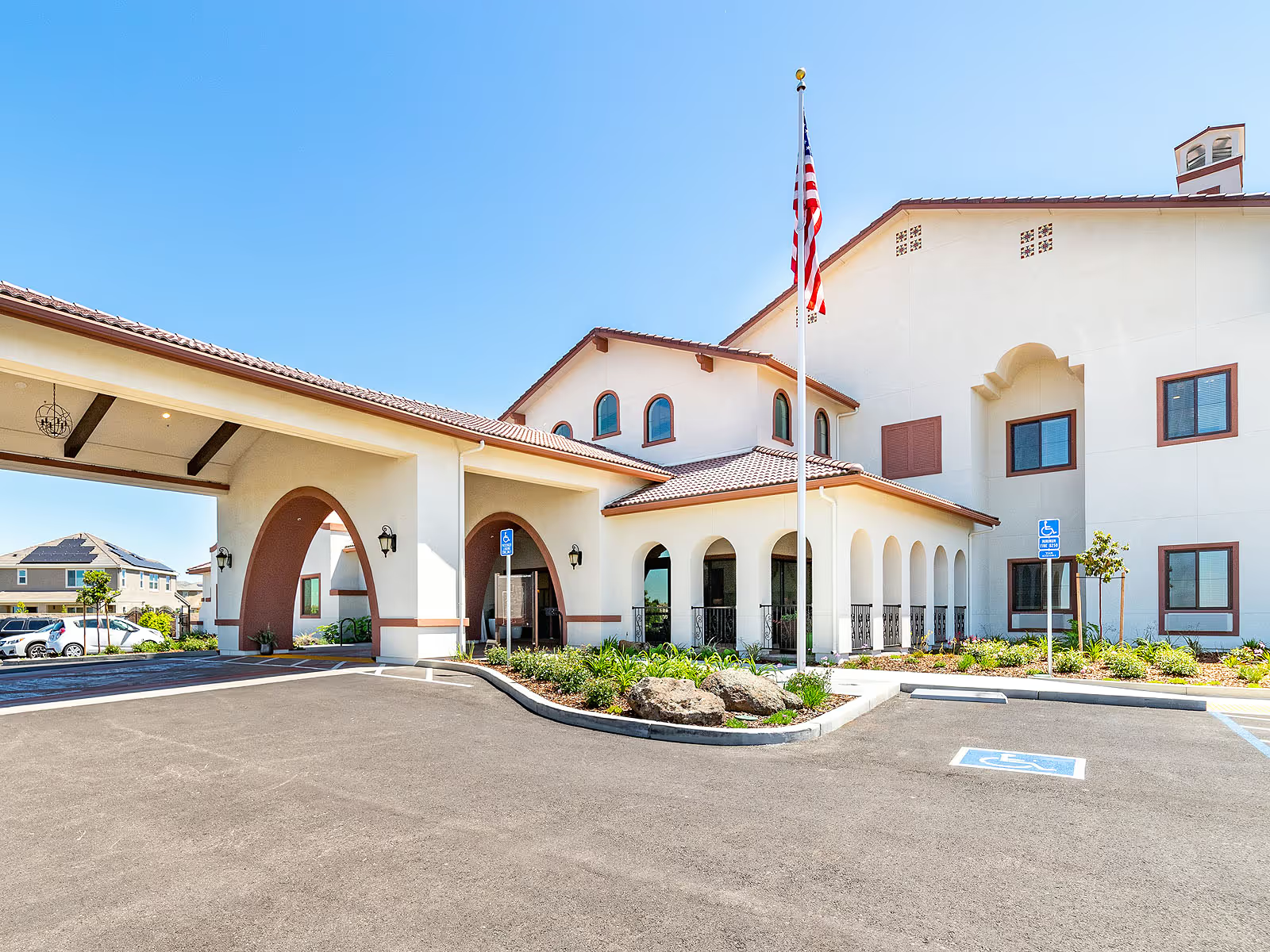
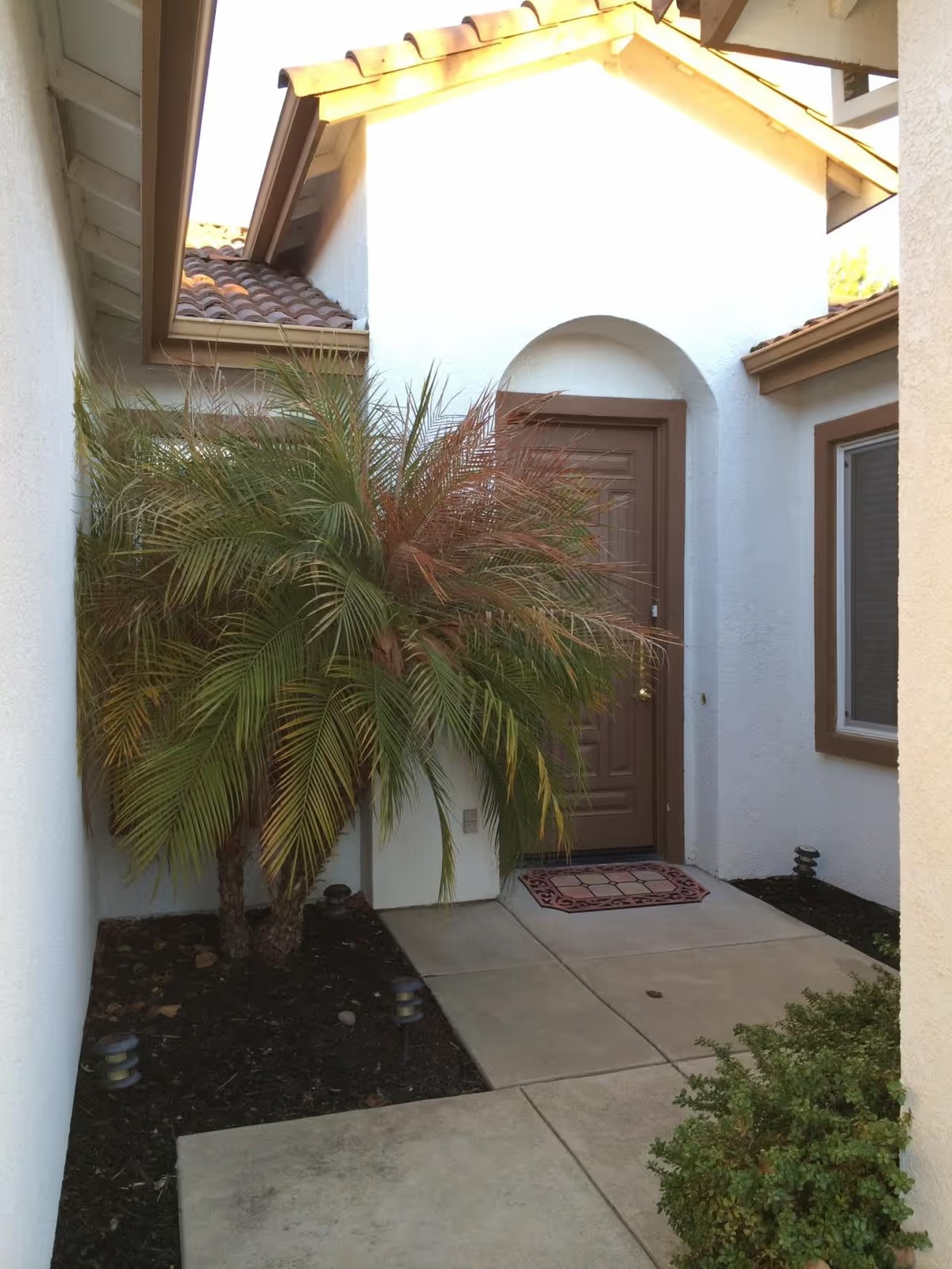
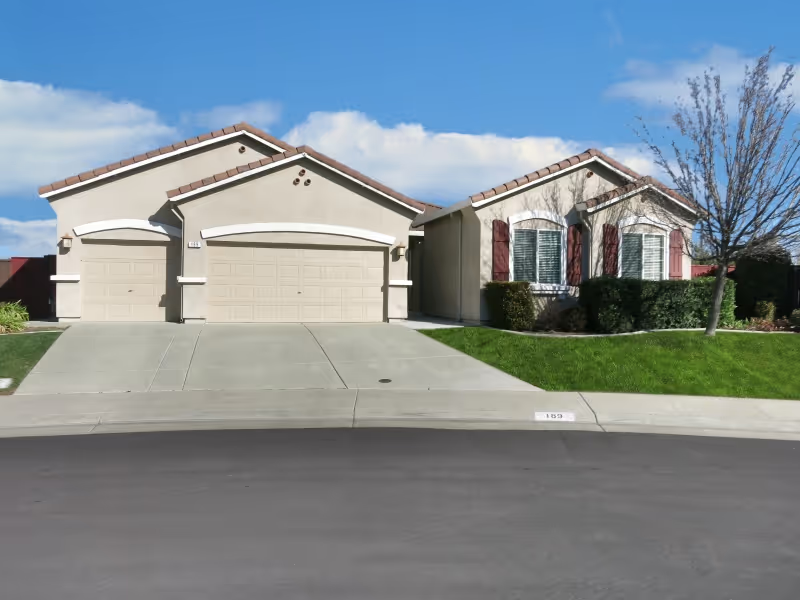
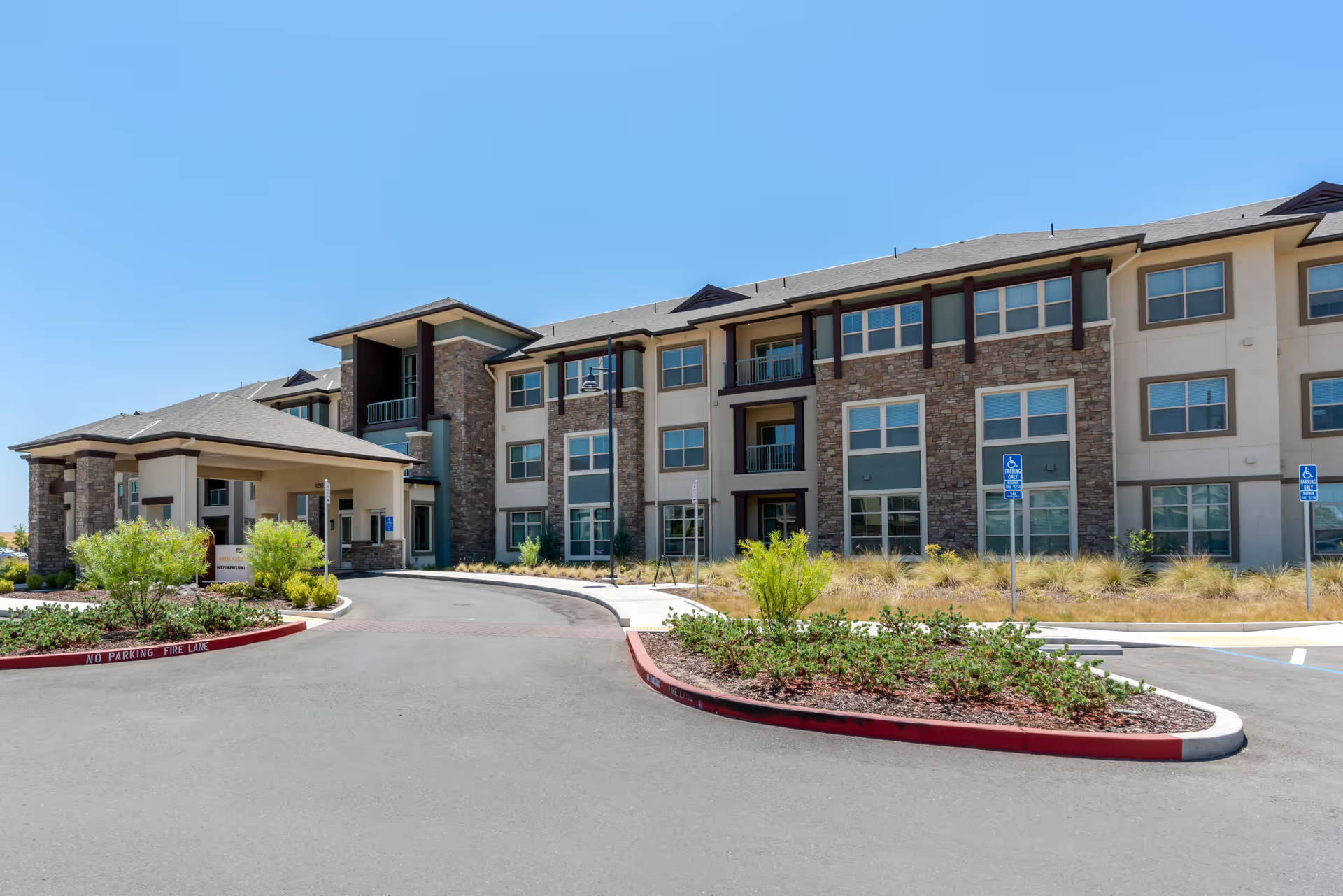
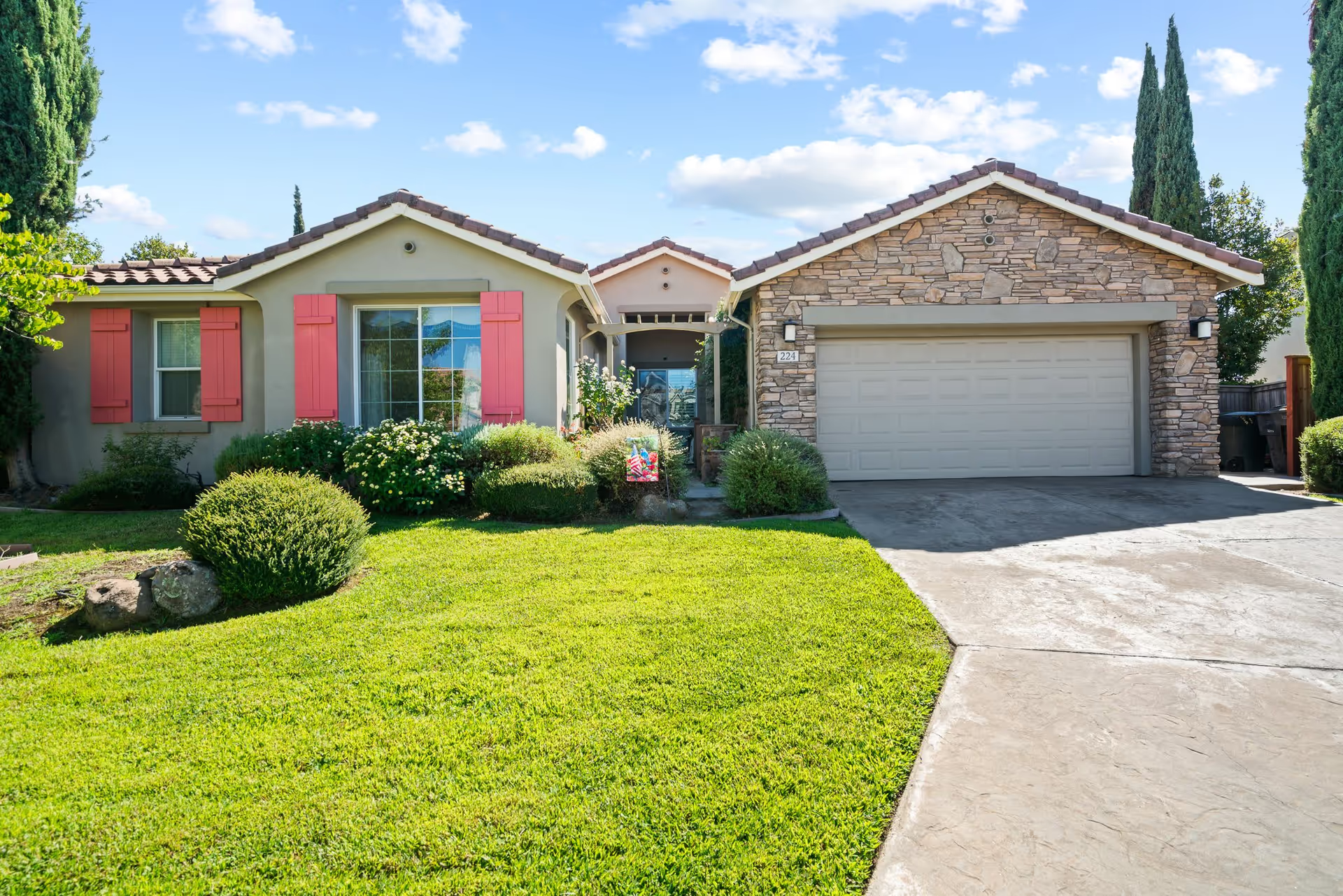
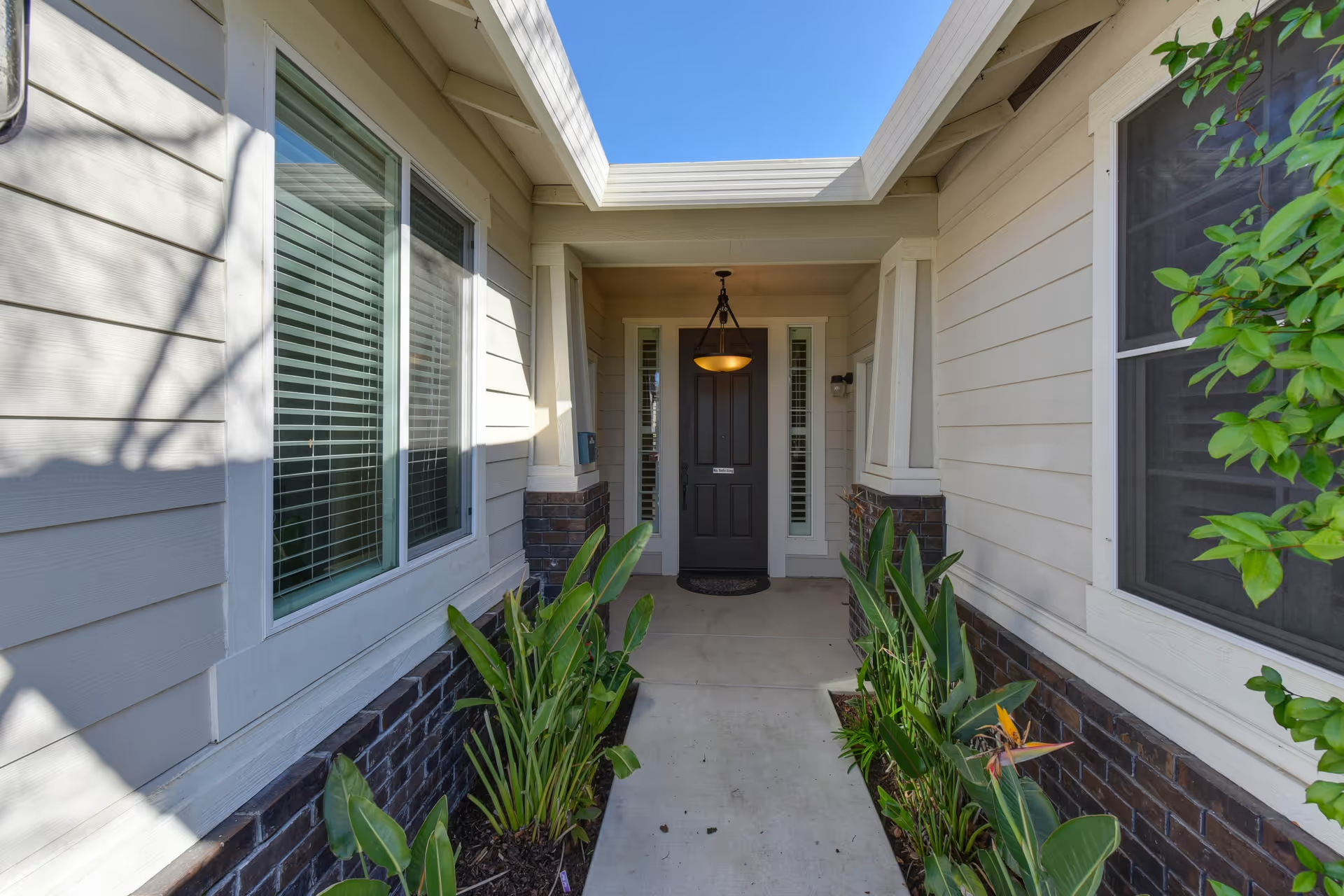
Activities, socialization, and environment: The small household size fosters close social connections and quicker friendships among residents; reviewers reported residents making new friends and feeling comfortable. That intimate scale, however, also implies more limited programming and amenity variety compared with larger senior communities. The physical environment is described as clean and bright, with reviewers noting high visible standards of care.
Notable patterns and considerations: The dominant pattern in the feedback is strong satisfaction with personalized service, placement advocacy, and responsive staff. Potential trade-offs to weigh include the facility’s smaller scale and reliance on external clinical providers, which may limit on-site specialty care and the breadth of activities. Families seeking a highly personalized, home-like setting and cost-conscious placement are likely to find this model appropriate; families needing significant on-site medical services or extensive amenity programming should assess clinical capacity and activity offerings during tours.