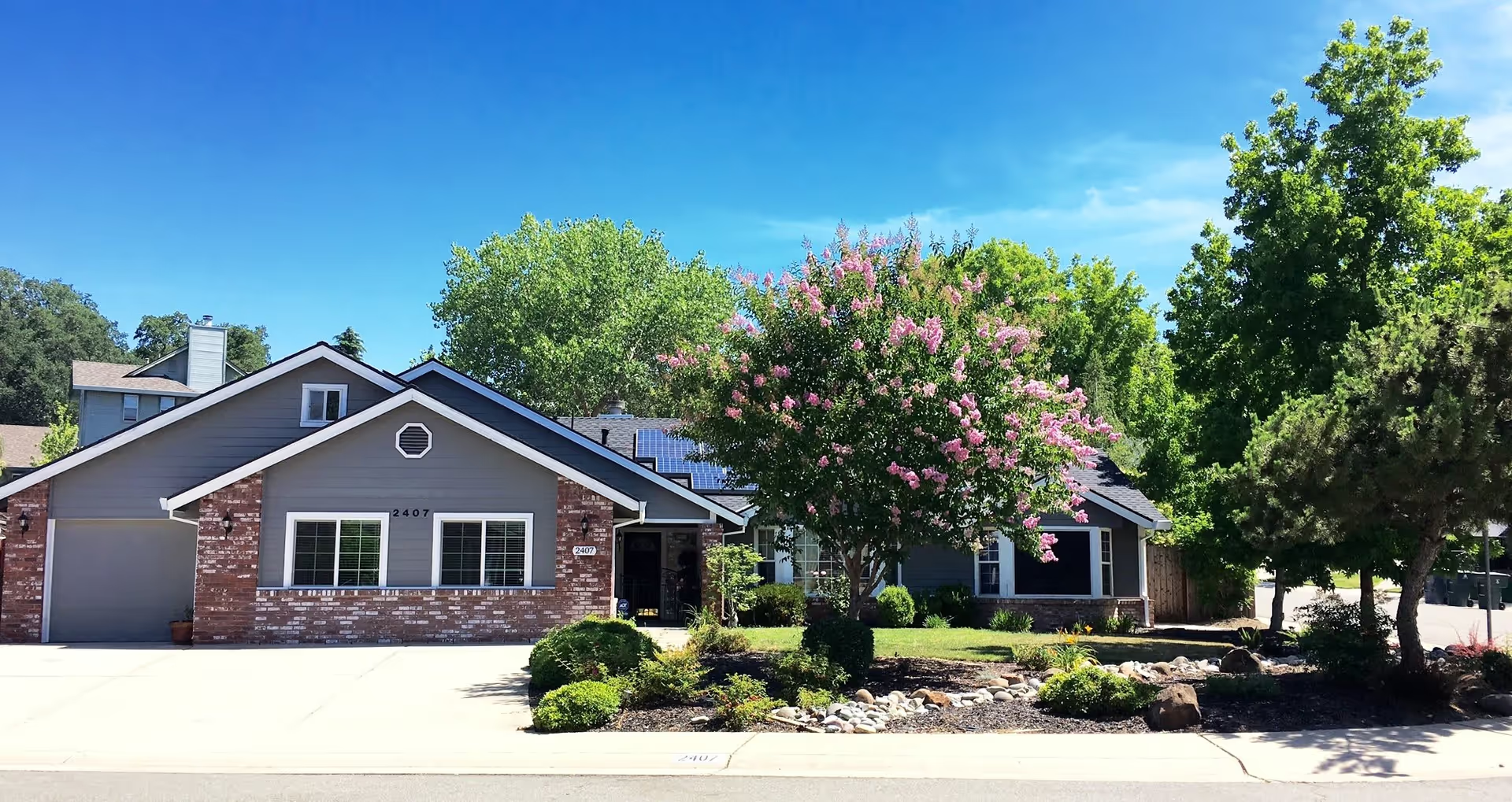
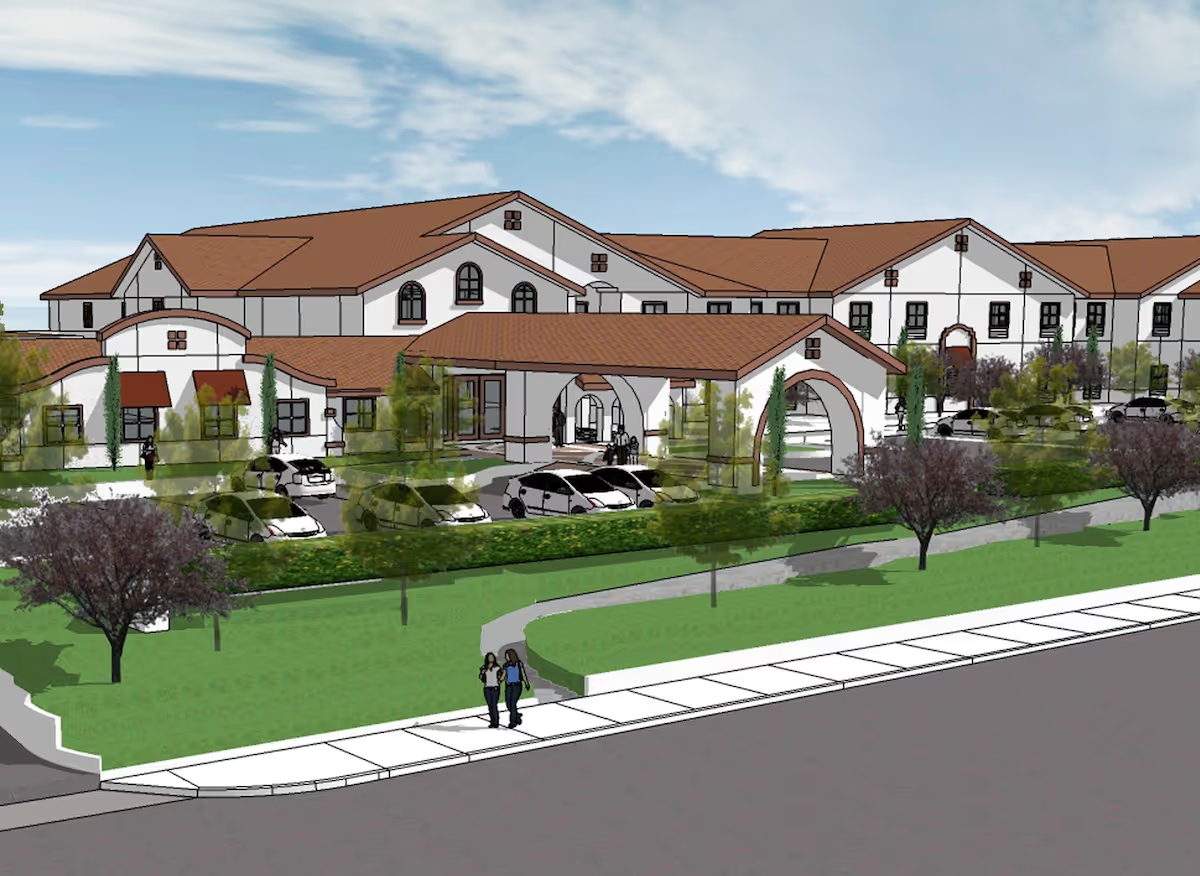
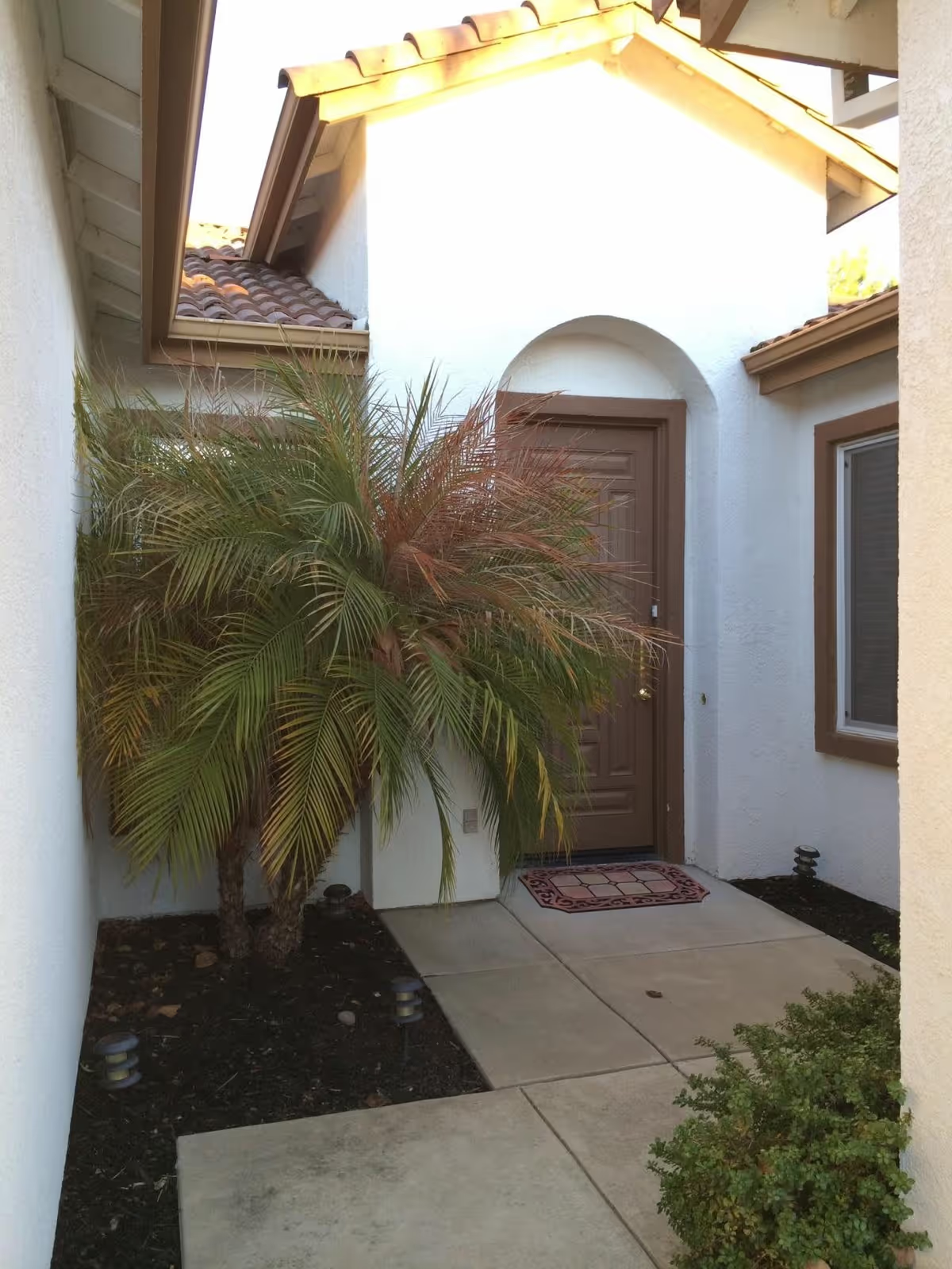
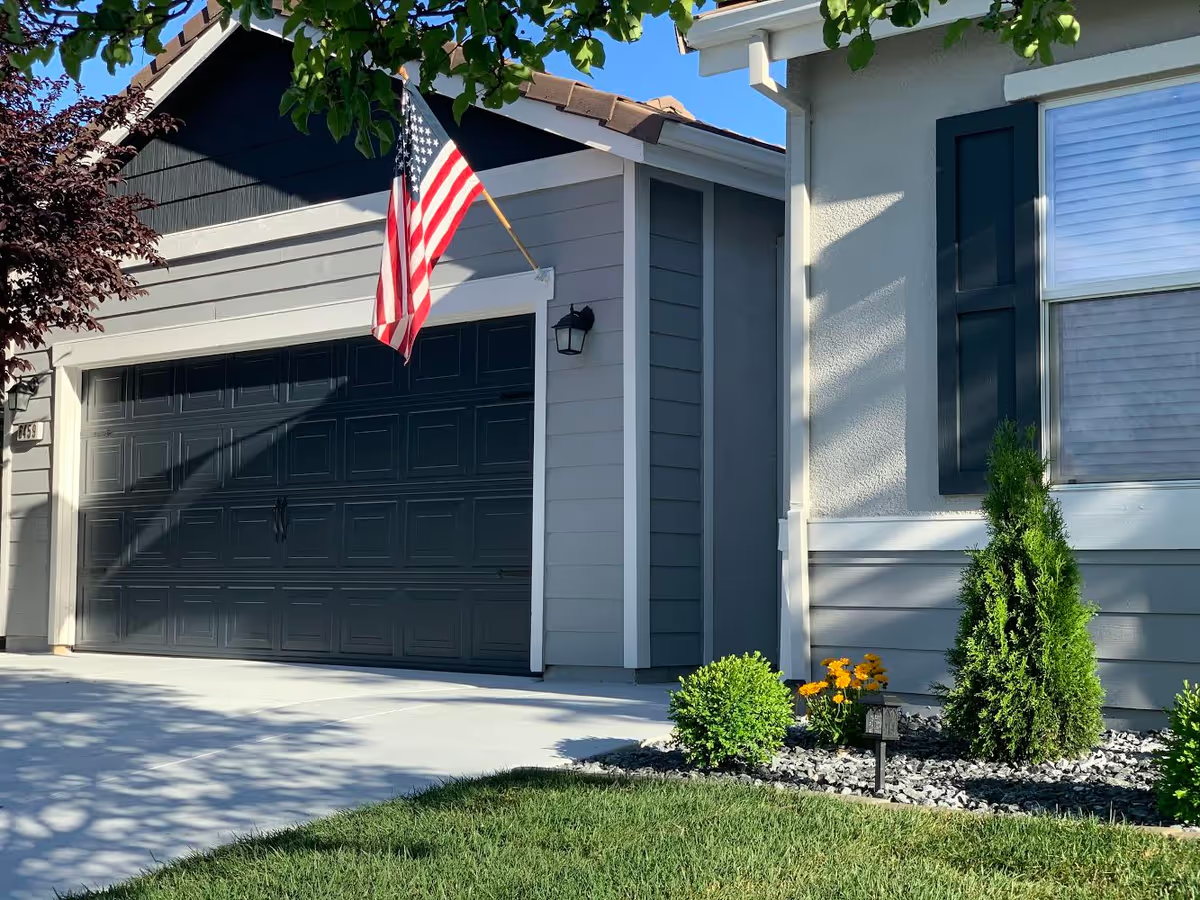
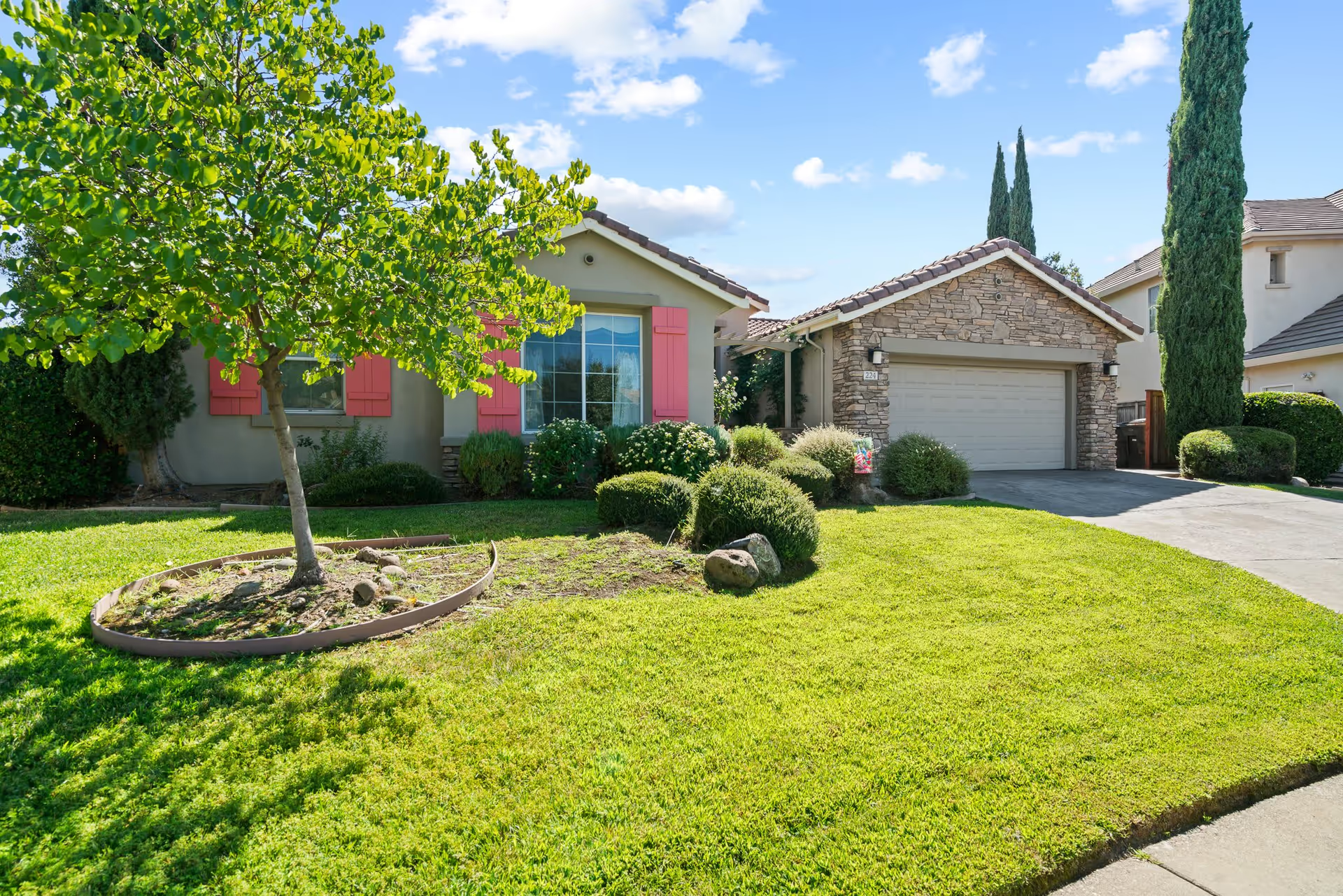
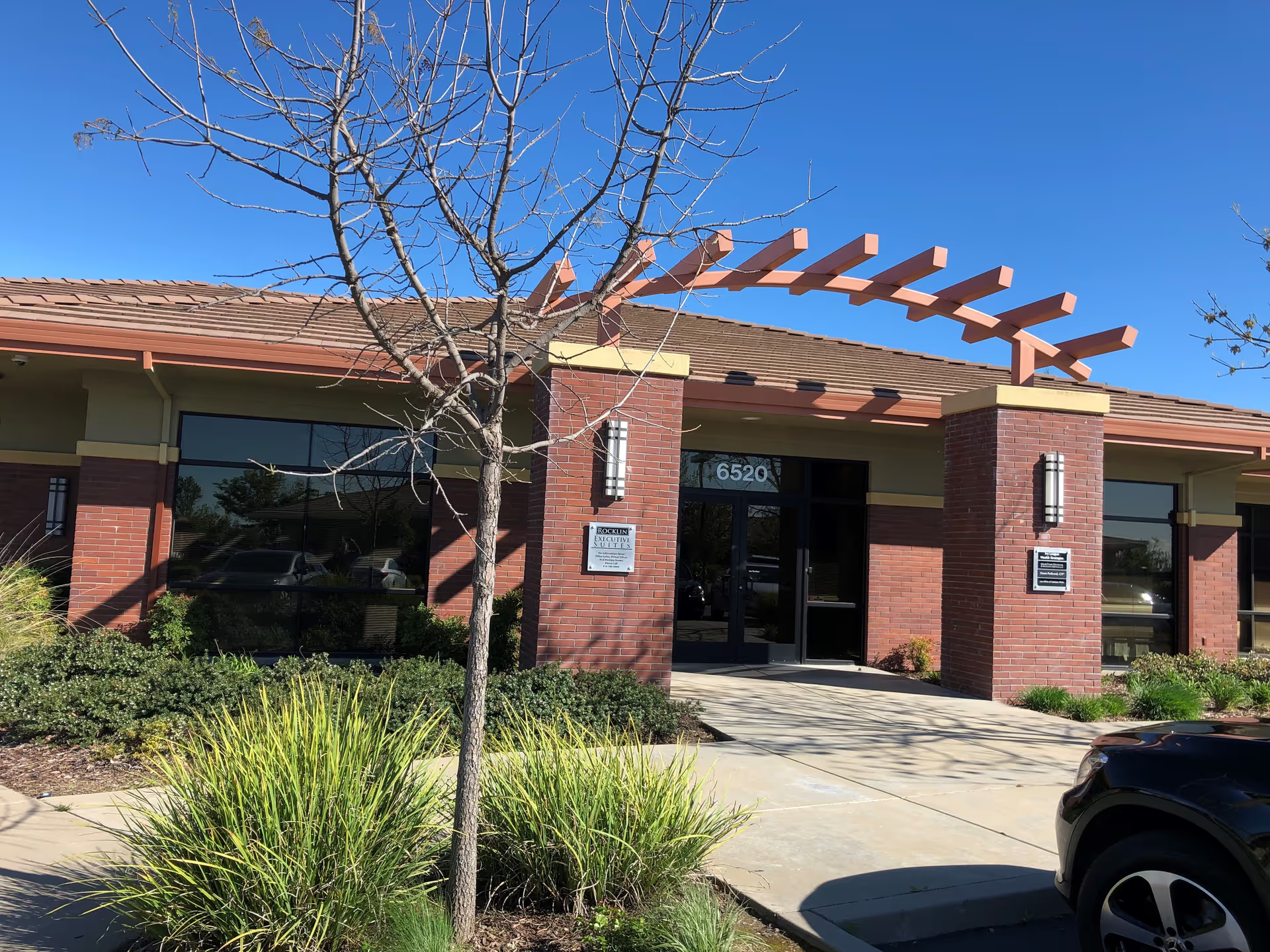
Atria Rocklin presents overwhelmingly positive operational strengths alongside a few consistent operational limitations. The facility is repeatedly described as clean, well maintained and attractively remodeled, with a range of apartment types (studios through two-bedroom units, some with garages and in-unit laundry). Common amenities include formal restaurant-style dining, an on-site salon, pool and courtyards, multiple activity rooms and transportation/shuttle services. The single-story, easy-to-navigate design and numerous outdoor spaces are frequently cited as resident-friendly features, and the community is widely characterized as pet-friendly.
Staff and care culture are central positive themes. Many families and residents describe staff as attentive, compassionate and engaged — with examples of front-desk concierge service, move-in assistance, and staff who learn residents’ names and preferences. There is also evidence of clinical supports on-site, including an around-the-clock licensed nurse presence, and several reviewers praised the memory-care team for patience and dementia-specific approaches. Move-in transitions are commonly described as smooth, and staff involvement in activities and outings contributes to a strong sense of community and family atmosphere.
Dining and programming are strengths for many residents but show variability. Numerous reviews praise the formal dining experience, multi-course meals and rotating menus, and a robust activity calendar that includes exercise classes, Bingo, card groups, arts, music, Happy Hours and regular outings. At the same time, a subset of reviewers noted inconsistent food quality, slow or understaffed meal service, crowded dining-room conditions on certain days, and preferences for more nutritional detail for some residents. Families should sample meals and ask about dining schedules and peak times if these factors are important.
Operational patterns of concern center on staffing levels, memory-care consistency and communication. Several reviewers indicated staffing that feels lean (including comments about coverage being at regulatory minimums), and some families described gaps in personal-care follow-through and slower incident response or documentation. Memory-care received both high praise and criticism: while some families called memory-care exemplary, others described limited activity engagement and concerns about bathing/personal-care routines. These divergences suggest variability across units or shifts; prospective families should clarify staffing ratios, staff training, supervision of memory-care, and protocols for incident notification.
Other practical considerations include cost and facility logistics. Atria Rocklin is perceived as a higher-cost option with annual increases noted; pricing and contract terms should be reviewed closely. The campus layout places independent living across a parking area from the main assisted-living/memory-care building in some configurations, which can require outdoor travel between buildings. The community may lack certain heavy-lift equipment (for example, hoyer lifts), so verification of clinical equipment availability is advised for residents with significant mobility needs.
In summary: Atria Rocklin is frequently recommended for its caring staff, active social life, clean facility and broad amenity set. However, families should conduct targeted inquiries around staffing levels and schedules, memory-care staffing and programming consistency, dining-service logistics, incident-response practices and total cost including annual increases. A tour that includes meal sampling, meetings with nursing and memory-care leadership, and discussion of equipment and emergency-response protocols will help align expectations with the facility’s variable patterns documented in reviews.