Fairmont Rehabilitation Hospital receives consistently strong praise for its caregiving staff and rehabilitation services. Many families highlighted compassionate, attentive nurses and CNAs who develop close, family‑like relationships with residents. Occupational, physical, and speech therapy programs are frequently cited as a key strength: reviewers describe measurable functional improvements and effective discharge preparation. Social-work and case‑management staff are also noted for facilitating smooth transitions from acute care.
Clinical care quality is a mixed picture: while pain management and routine monitoring are often described positively, multiple reviewers describe operational gaps that affect safety and day‑to‑day responsiveness. Specific patterns include delayed responses to call lights during higher census periods, hurried care at times, and concerns about medication‑administration oversight and clinical incident follow‑up. Several families reported positive outcomes when staff escalated concerns, but variability in responsiveness and the need for clearer family communication were recurrent themes.
Dining and activities are generally regarded as strengths. Many reviewers praise thoughtful meals, fresh baked goods, dietary accommodations, and an active activities schedule—faith services such as daily mass are a frequently mentioned highlight. That said, food quality and consistency appear variable across admissions; some families found meals less satisfactory than others.
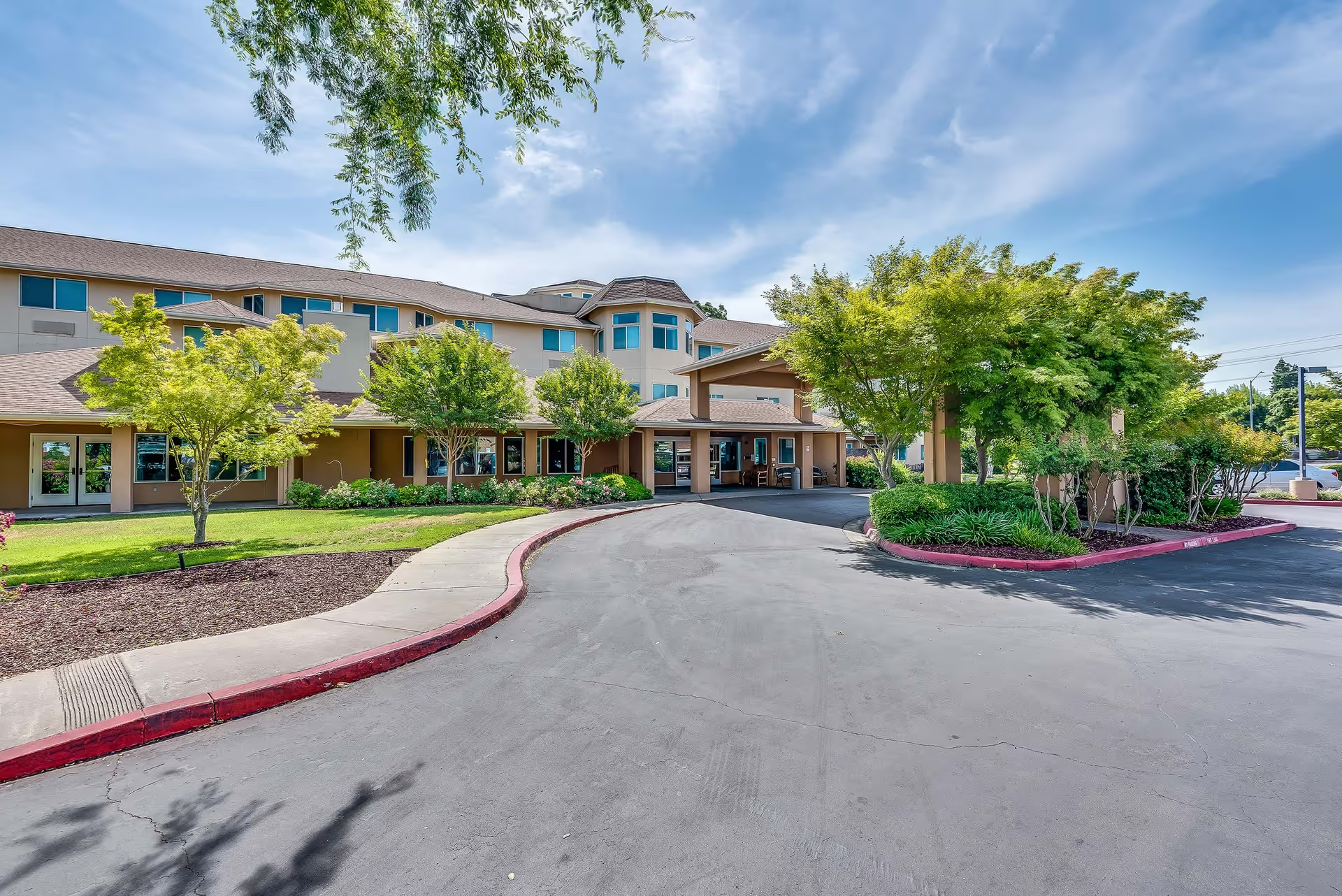
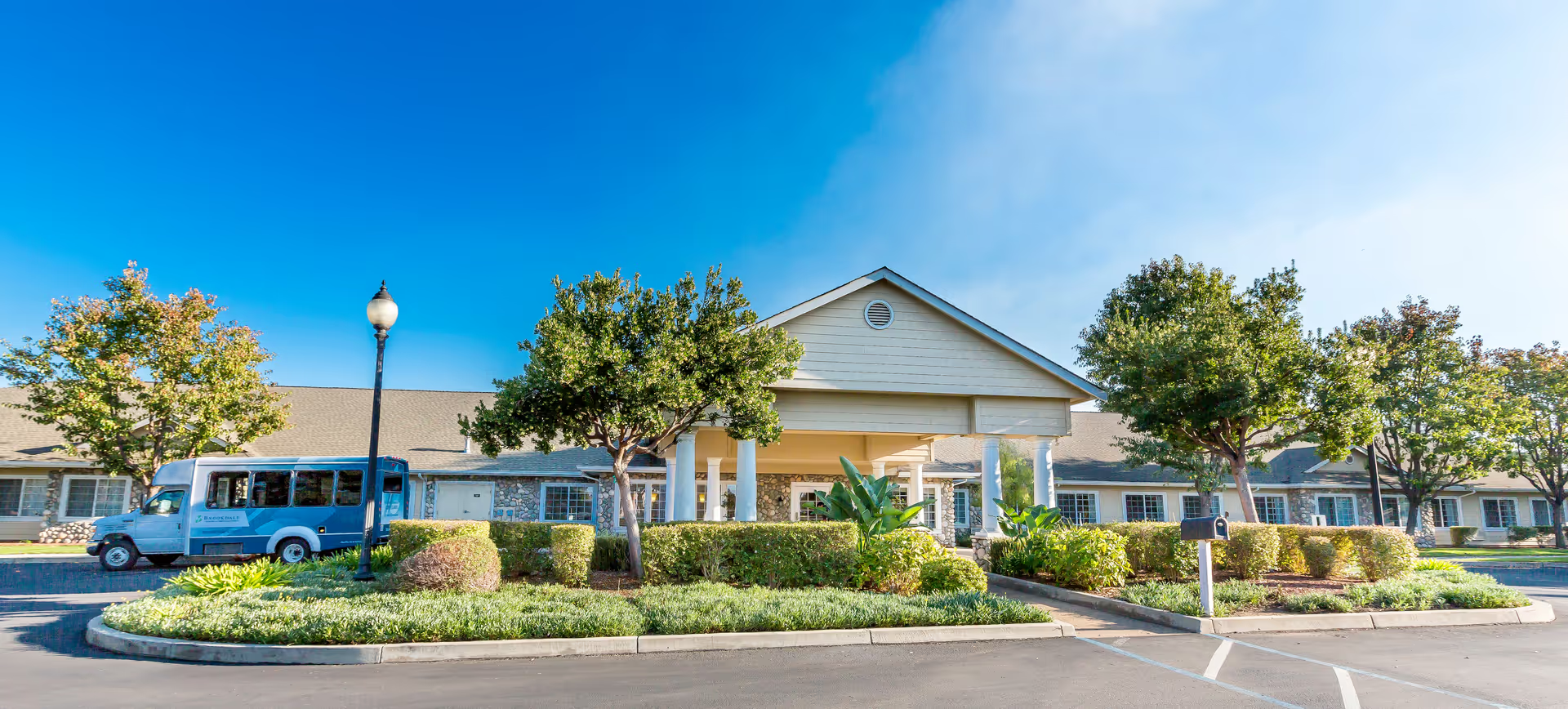
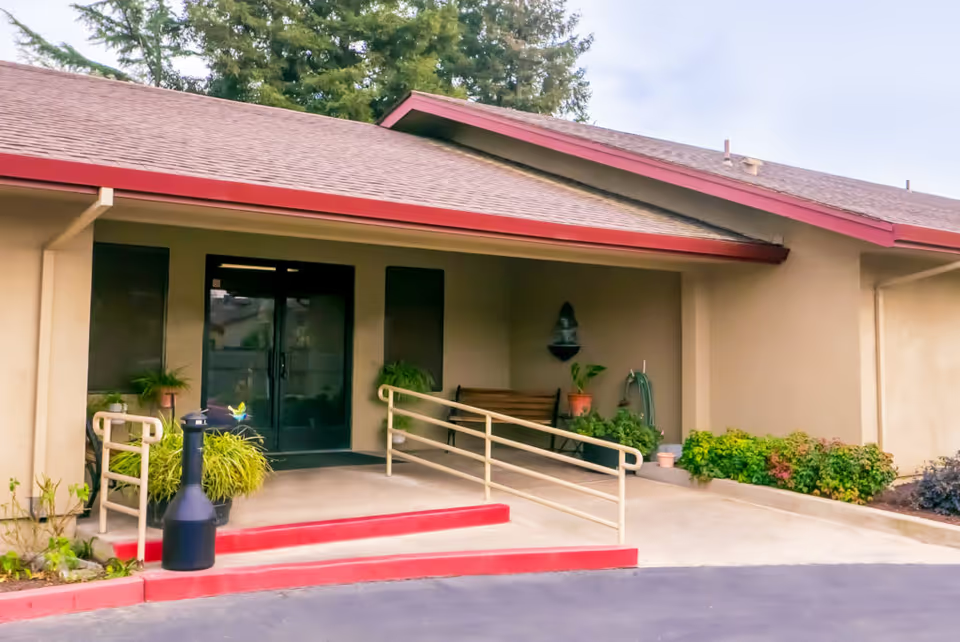
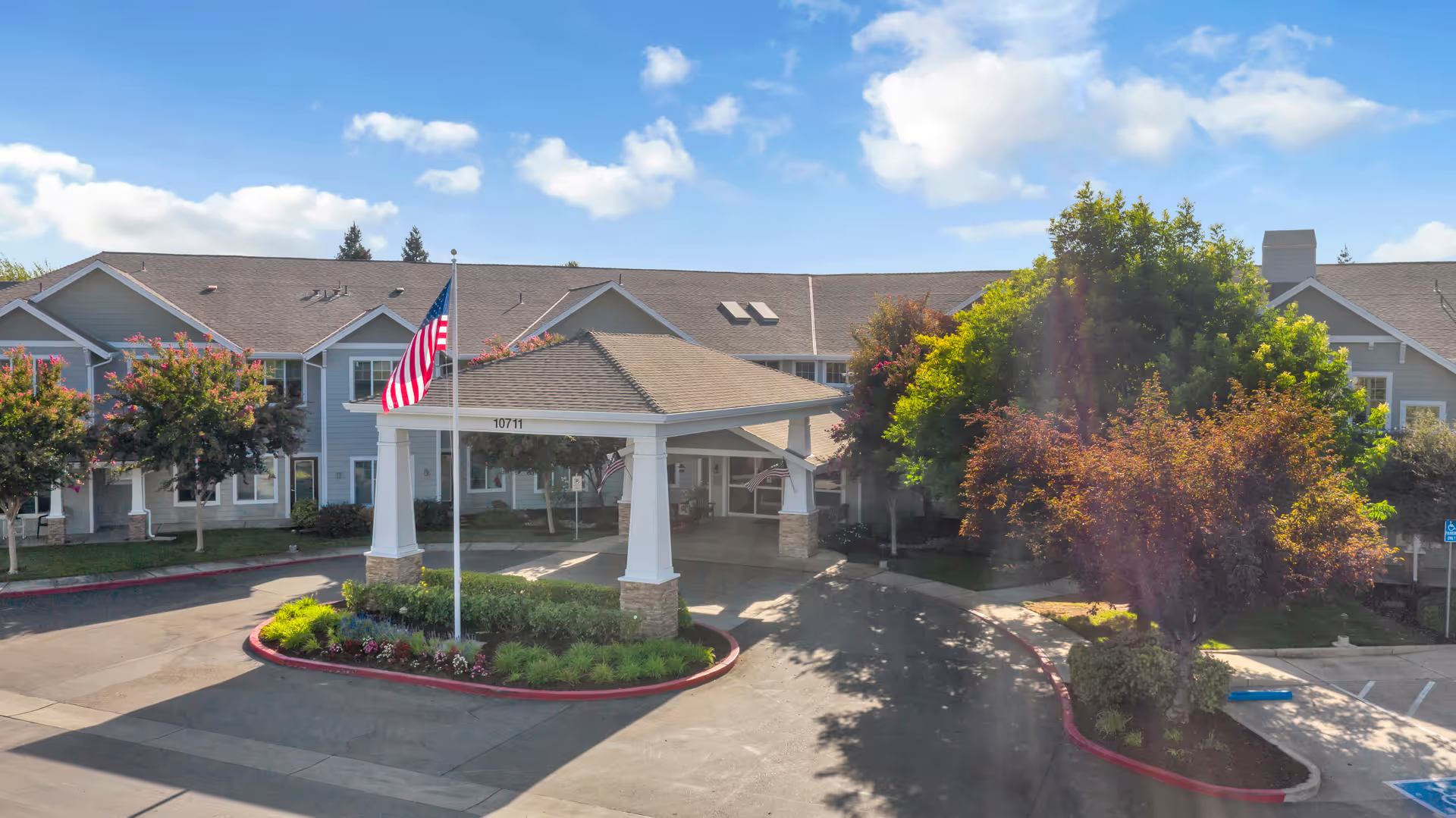
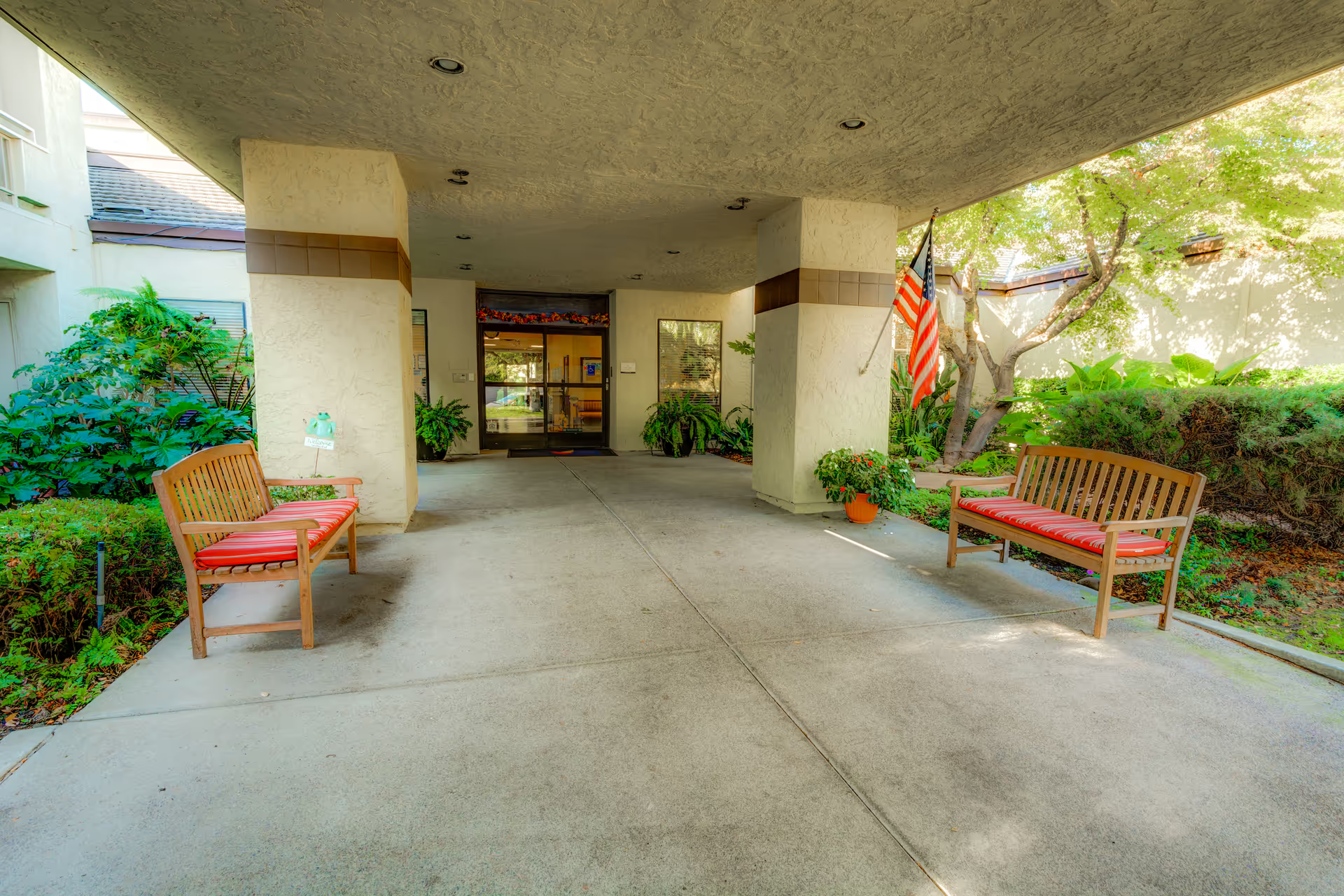
The physical environment is clean and well kept in many areas, with reviewers noting decorative touches and generally odor‑free common spaces. At the same time, the facility shows signs of aging: rooms are often small and sometimes shared with limited visitor space, and a few accessibility and infrastructure issues (entry bumps, dated reception desk) were noted. Lighting and nighttime noise have been raised as factors that can disturb resident sleep.
Management and operations combine notable strengths and areas for improvement. Families praised front‑line staff, the 24/7 nursing presence, and successful care coordination, but they also described staffing shortfalls at certain times, inconsistent handoffs between shifts, and limited after‑hours customer service. Cost is a recurring consideration: the facility is positioned at a higher price point, and some reviewers questioned the relative value given room size and occasional infrastructure limitations.
For prospective residents and families: Fairmont appears well suited for individuals who need active rehabilitation and who prioritize compassionate bedside care and therapy intensity. Visitors should ask targeted questions about current staffing ratios, typical call‑bell response times, medication‑administration policies, room configuration (private versus shared), nighttime lighting/noise protocols, and recent measures taken after any clinical incidents. These inquiries can help balance the facility’s documented caregiving strengths against variability in operational consistency and physical amenities.