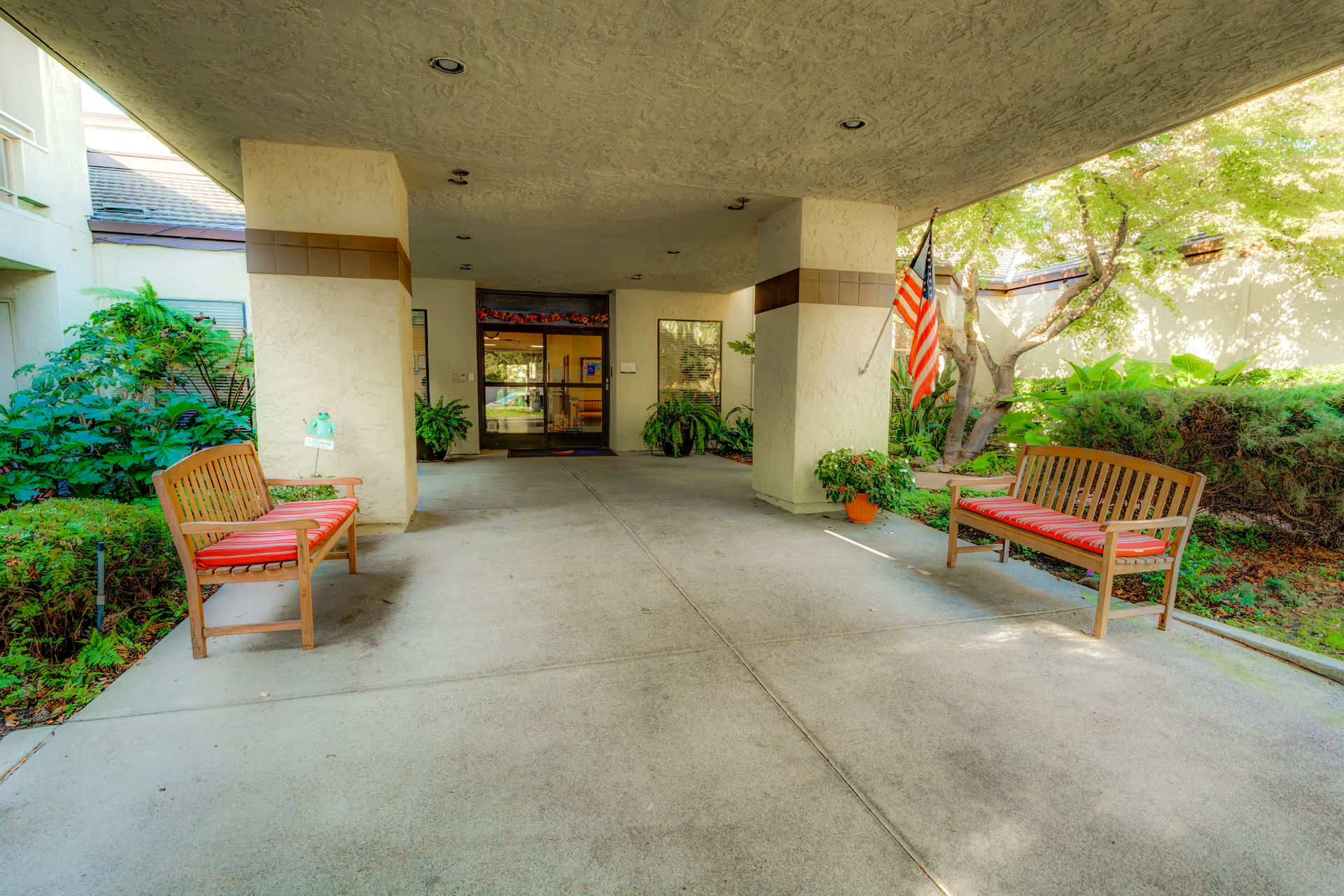
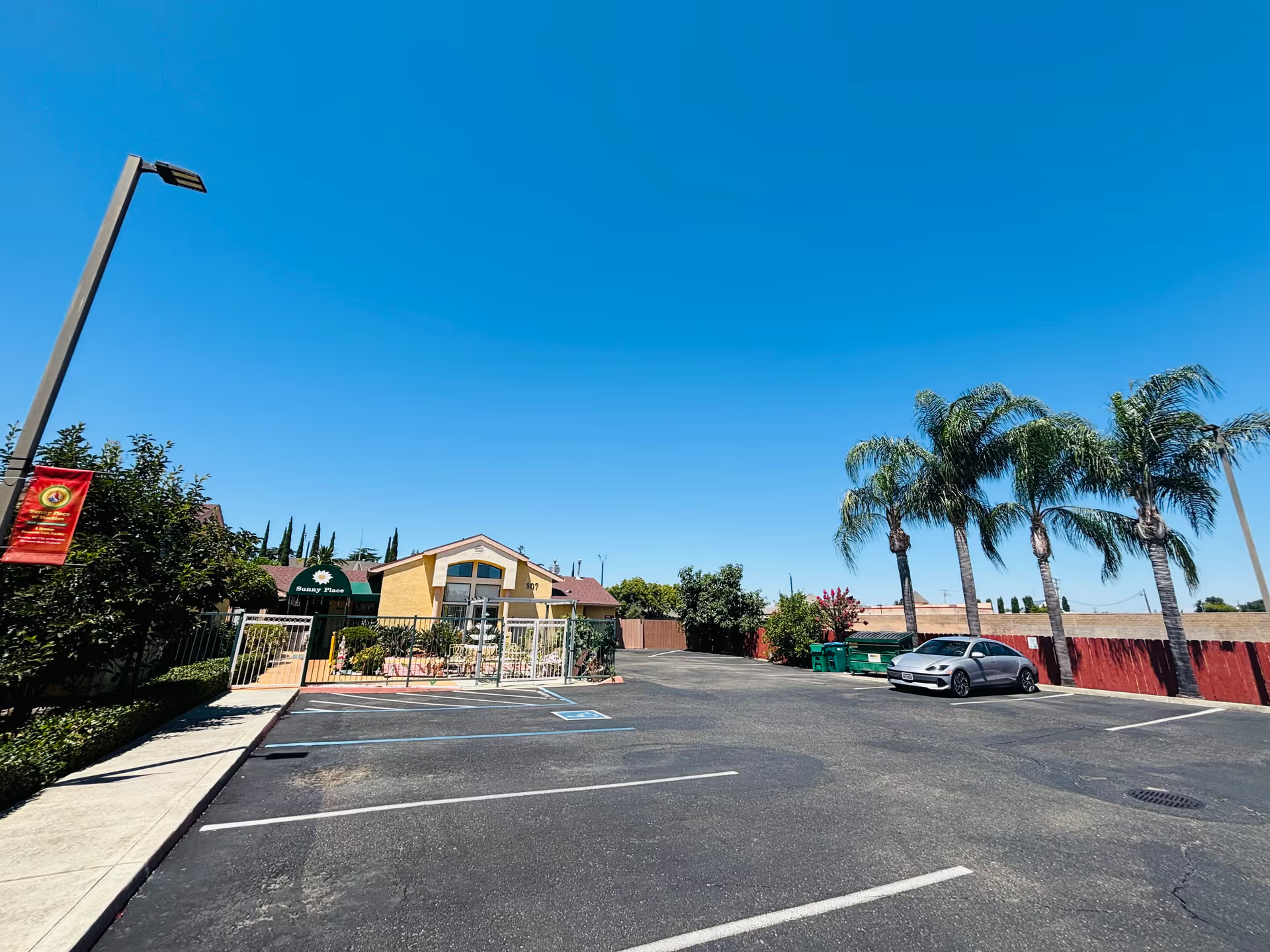
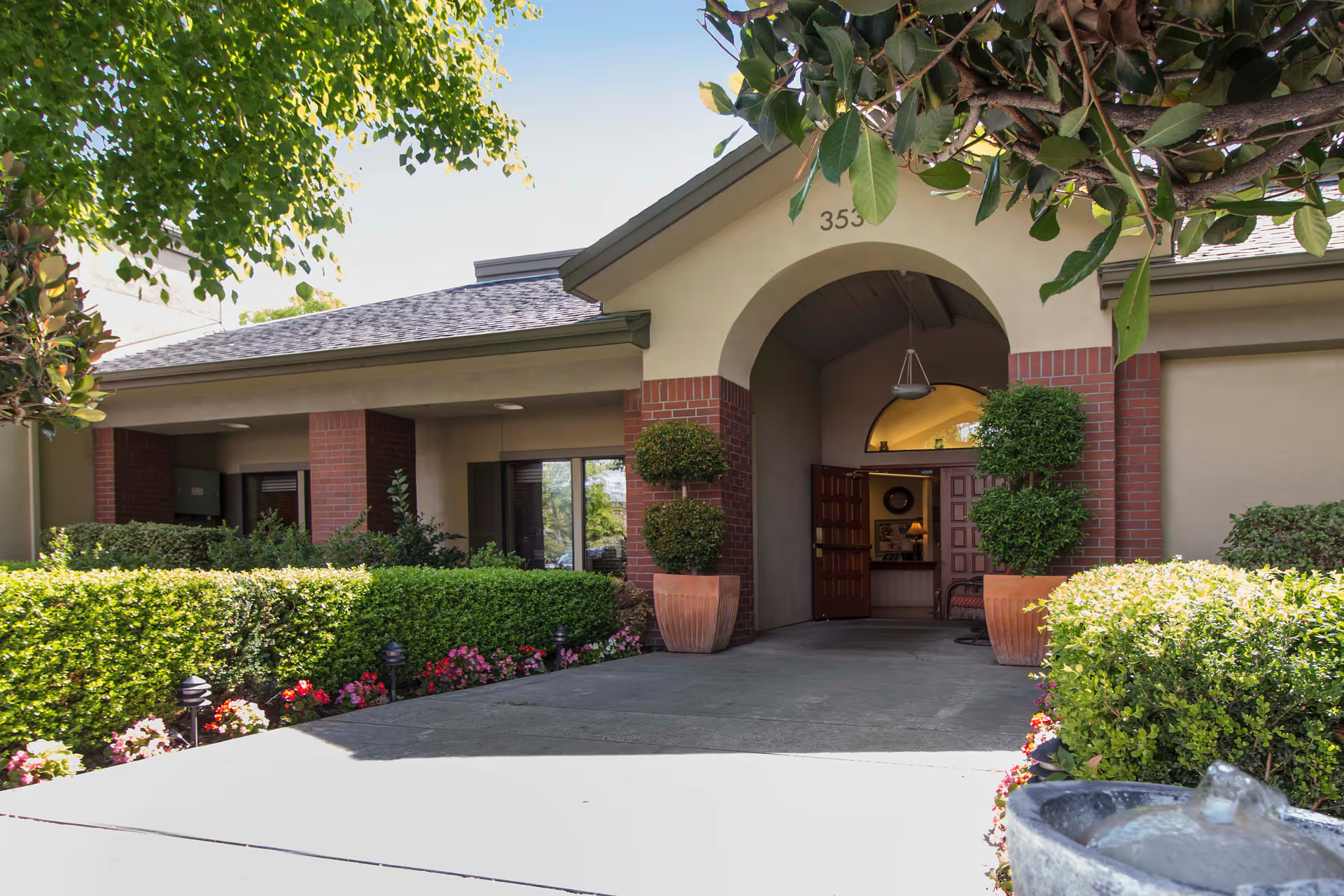
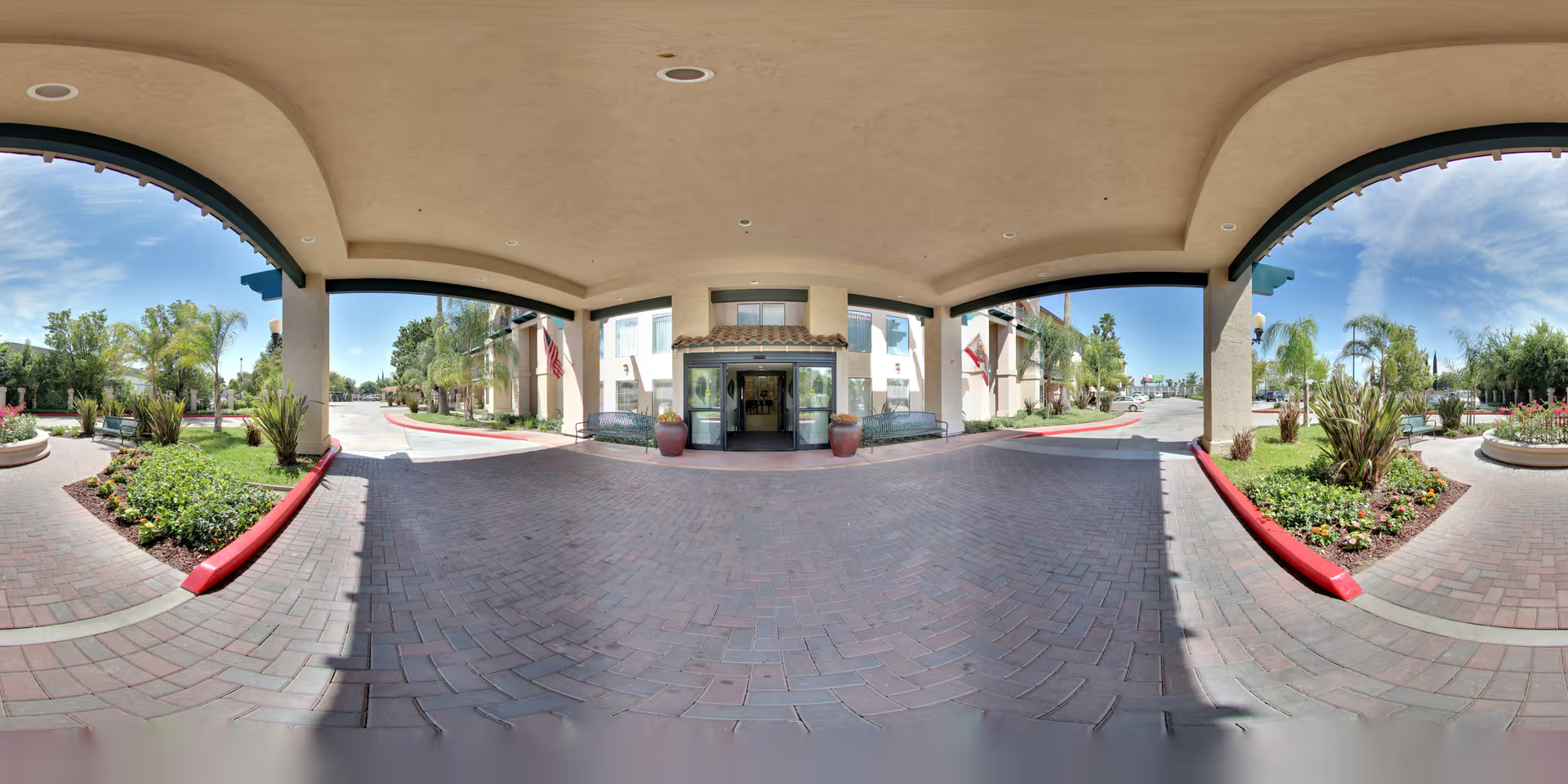
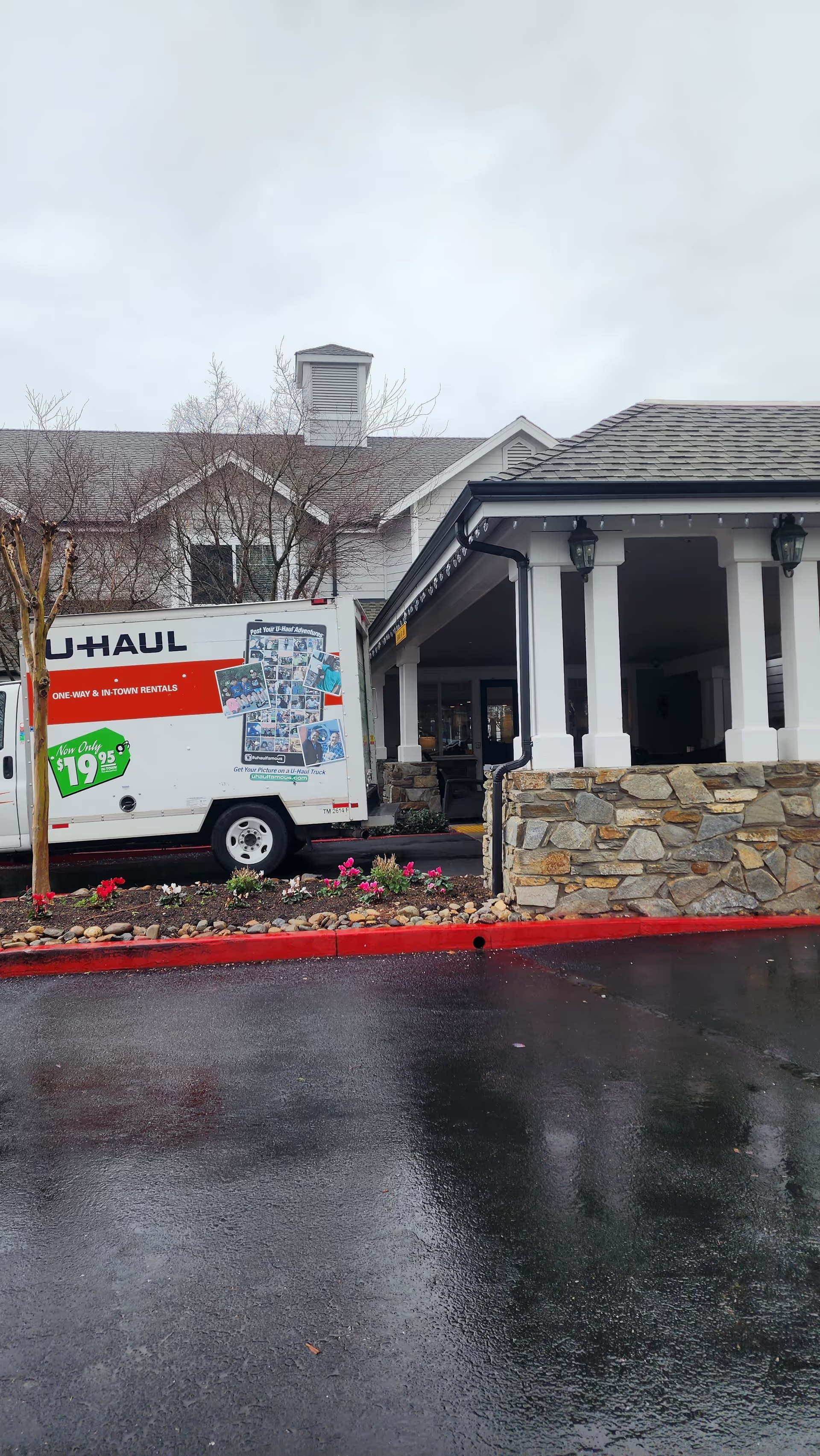
Overall impression: The Commons on Thornton presents as a clean, modern senior living community with a strongly social culture and a large program of daily activities. Families and residents commonly describe the environment as welcoming and well-appointed — bright common areas, attractive dining spaces, a courtyard and therapeutic elements in memory care — and emphasize a generally positive transition experience. The facility offers multiple apartment types and memory-care configurations, along with on-site amenities such as a beauty salon, therapy services, and scheduled transportation and outings.
Care and staff: Care quality is a prominent strength in many accounts. Staff are frequently characterized as compassionate, attentive, and engaged with residents; long-tenured team members and named staff receive repeated praise for personalized attention. At the same time, reviews indicate variability in staff conduct and communication. Concerns include inconsistent professionalism, occasional language-barrier issues among employees, and examples that point to gaps in customer-service training. These patterns suggest generally strong direct-care relationships but sporadic staffing and communication reliability that prospective families should clarify during tours.
Dining and nutrition: Dining experiences are mixed but feature notable positives. The community provides a customizable menu, multiple entrée options, guest meals, and a visible focus on presentation and multicultural offerings. Several accounts commend the kitchen for accommodating individual requests and for continuity during pandemic restrictions. Conversely, other comments highlight inconsistent main-course quality, small portioning of some proteins, sauce-heavy preparations, and limited fresh-fruit or snack options. The meal program appears adaptable, but quality and portion consistency may vary day-to-day.
Activities and therapy: Activity programming is a clear strength. Reviewers note abundant, varied programming — from singing and exercise to games, outings, and memory-specific activities — led by an engaged activities team. Rehabilitation and occupational-therapy support are available and cited as responsive; staff appear willing to integrate therapy goals with daily care. This community suits residents who are social and active; families seeking high levels of one-to-one care should evaluate the fit relative to their loved one’s needs.
Facilities and memory care: Facilities are described as clean, recently updated, and thoughtfully designed for aesthetics and social interaction. Memory care offers specialized programming, courtyard access, and therapeutic animals, but room layouts in memory units can include semi-private options and shared bathrooms that some families find cramped. There is also an operational note that the community does not provide on-site skilled nursing, which affects residents who may need higher-level clinical care over time.
Management and operations: Admissions and management interactions are often praised for follow-up and helpfulness, with several staff named positively. However, there are isolated but meaningful examples of administrative variability — including move-in coordination, deposit/billing disputes, and uneven tour experiences — suggesting prospective residents should confirm financial and admissions details in writing. Medication-handling and pharmacy pricing emerge as recurrent operational concerns; families should ask about medication-administration protocols and pharmacy arrangements during the selection process.
Notable patterns and guidance: The Commons on Thornton is strongest for residents seeking a socially active, well-maintained, and compassionate community with a wide activities roster and customizable dining. Important evaluation points for prospective families include verifying staffing consistency and training, reviewing medication-management procedures and pharmacy costs, assessing room size and privacy options for memory care, and confirming accessibility for residents with significant mobility limitations. A guided tour addressing these operational areas will help determine whether the community’s overall strengths align with an individual resident’s clinical and personal needs.