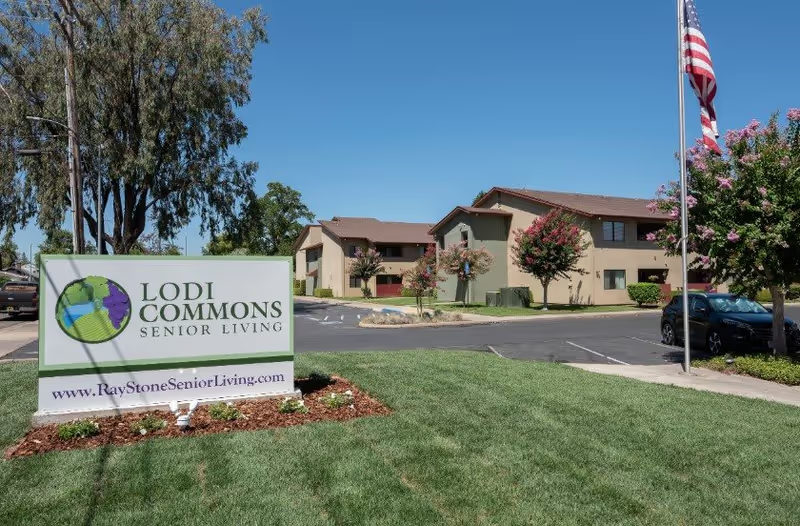
River Fountains of Lodi elicits strongly mixed impressions. Many families highlight a compassionate, attentive caregiving team, long-term staff continuity, and reliable medication management. Reviewers praise staff who know residents by name, provide one-on-one attention, and facilitate smooth transitions to higher-level care when needed. The community’s programming — including Bingo, movie nights, Jeopardy, and an on-site church — plus dedicated activity spaces, a library, TV and pool-table rooms, and scenic grounds with water views contribute positively to residents’ quality of life for those who are engaged there.
At the facility level there are recurring operational concerns. Cleanliness and sanitation receive contradictory assessments: while some describe well-maintained common areas, others identify localized sanitation issues and pest-control concerns. Staffing and training appear inconsistent across reports — several accounts emphasize warm, professional caregivers, while other accounts cite unprepared or insufficiently trained staff and periods of low staffing availability, sometimes tied to layoffs. Management responsiveness is similarly mixed: some reviewers commend quick problem resolution and attentive communication, whereas others experienced administrative glitches during intake, tours, and registration, plus limited follow-up after visits.
Dining and clinical capacity are additional areas of variability. Food quality and meal-service continuity range from “pretty good” to cold or insufficient meals, suggesting service inconsistency. Clinical resources are adequate for routine assisted-living needs for many residents, with reliable medication support and help with bathing and daily tasks; however, there are indications that the community is not configured as a high-acuity medical facility and that certain medical-device or incontinence-care processes have been problematic in isolated instances. Prospective residents with complex clinical needs should clarify onsite capabilities and 24/7 clinical support.
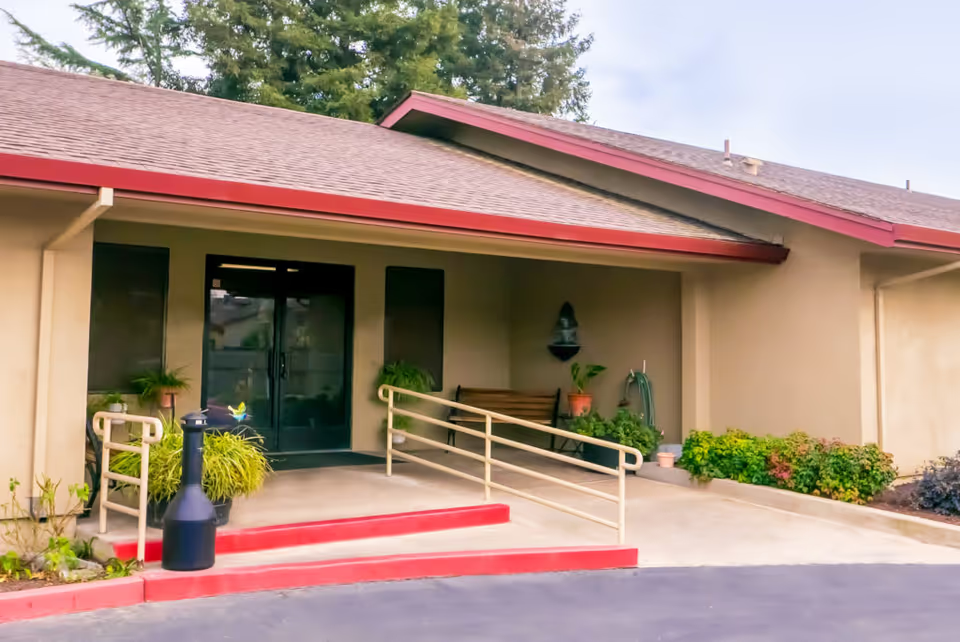
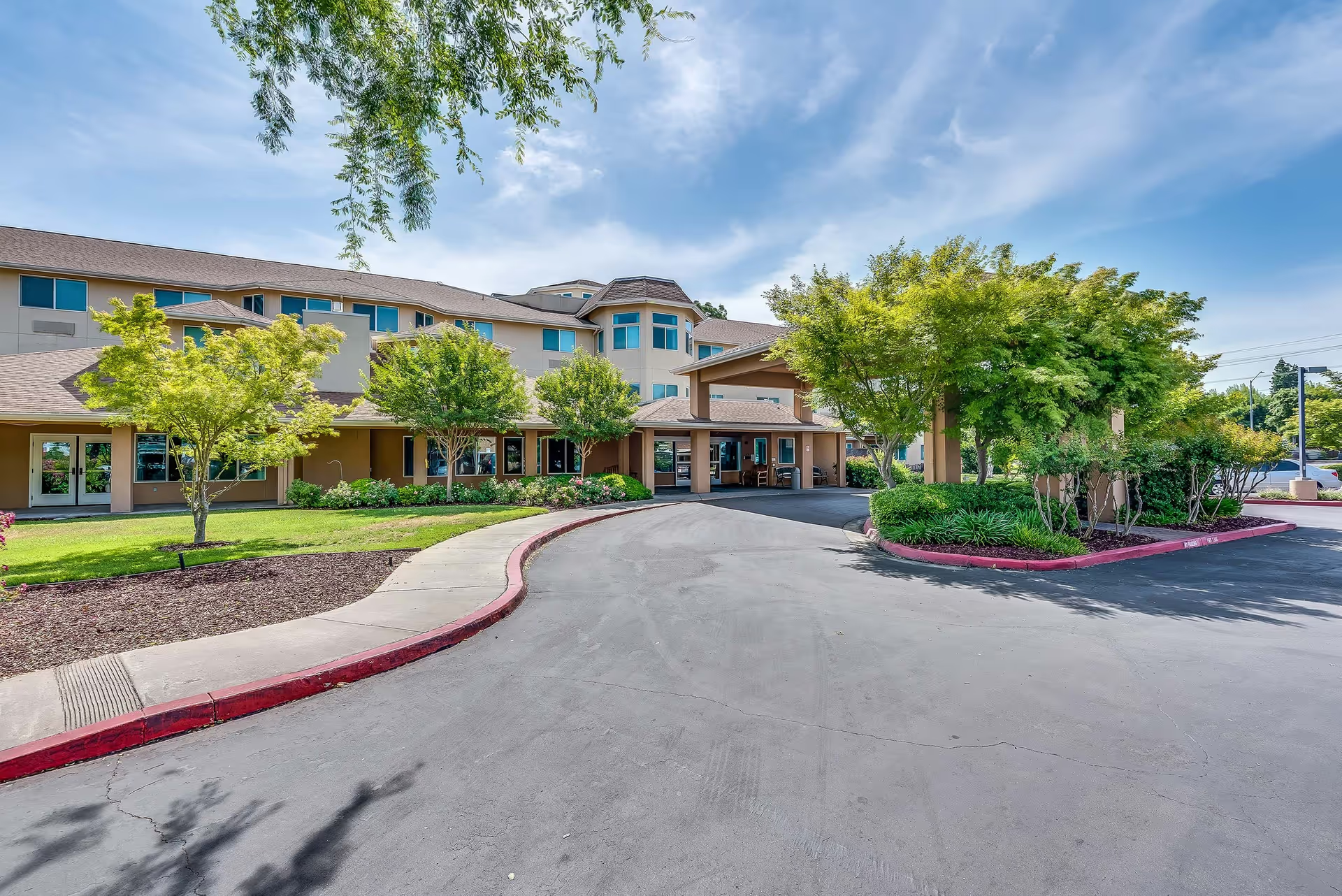
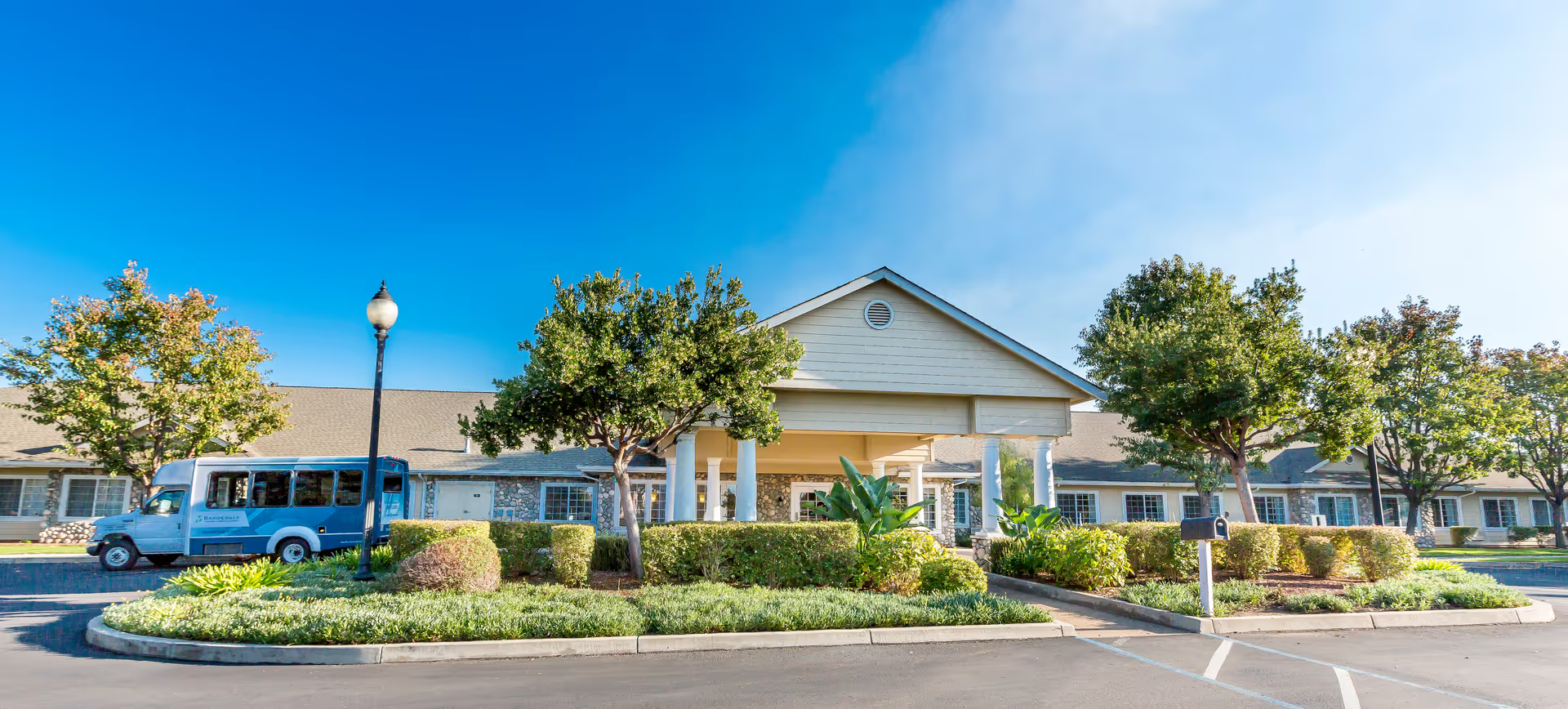
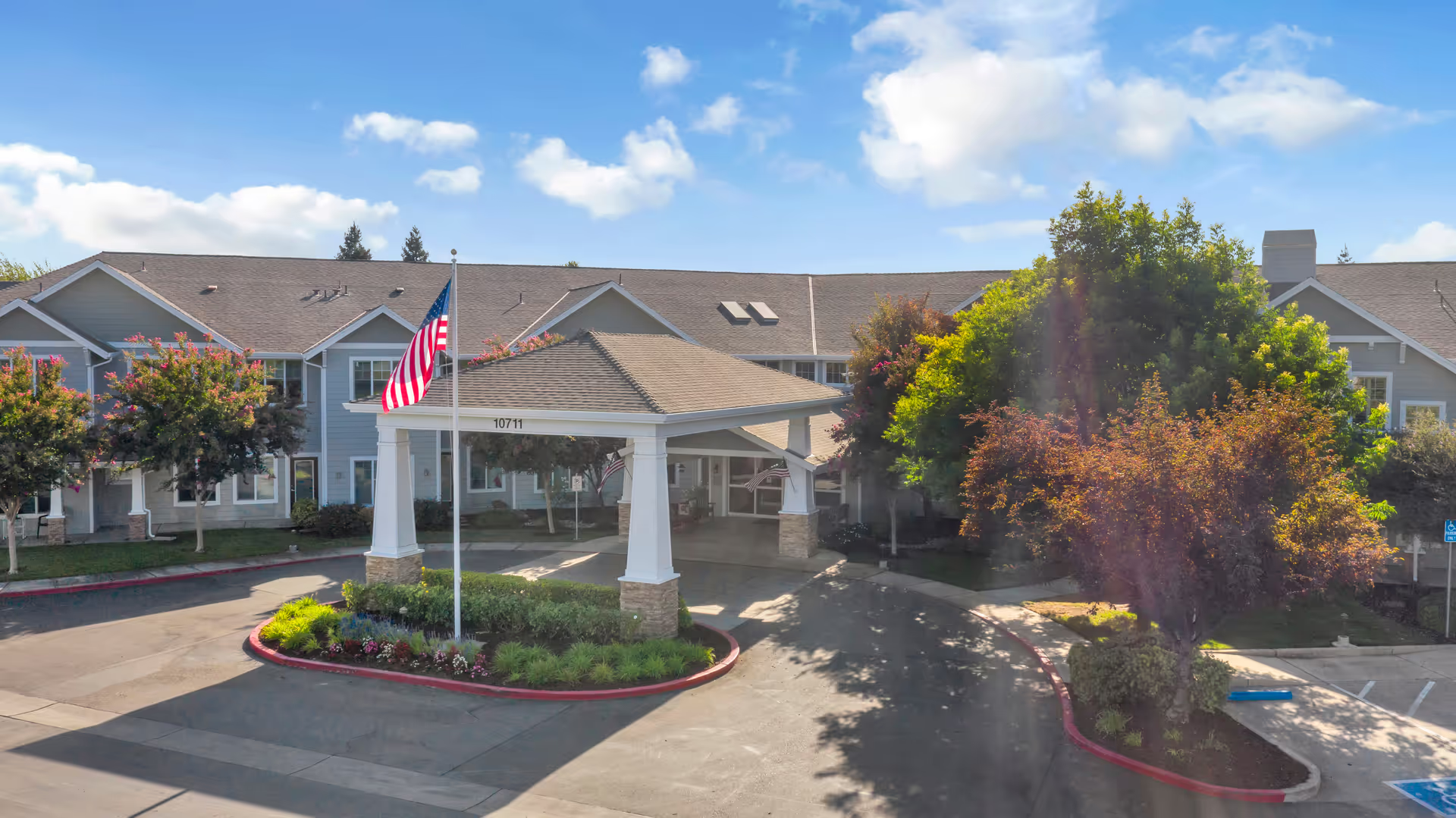
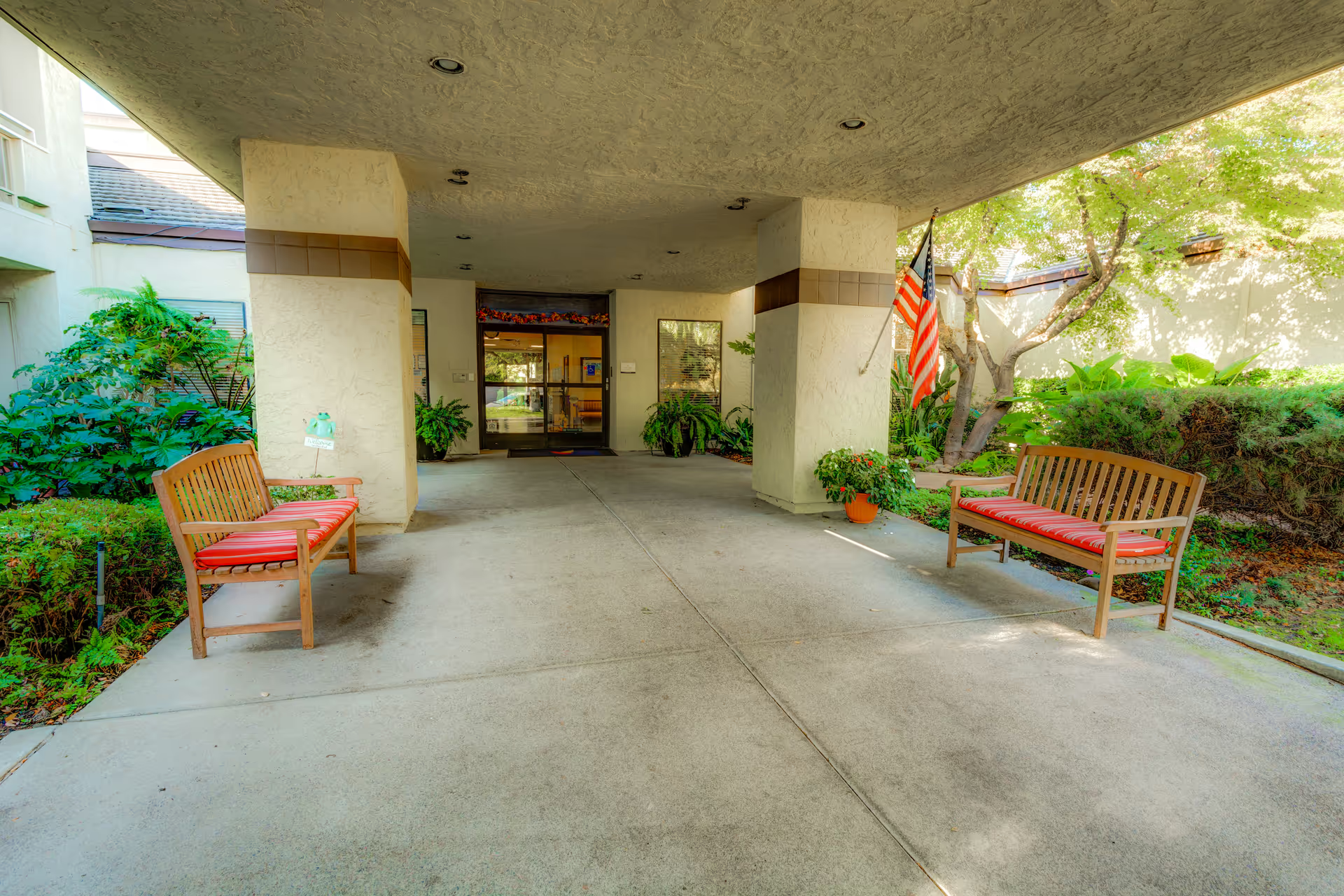
The physical plant and programming also show contrasts. The property offers single-story convenience, spacious rooms with storage and places for wall art, private bathrooms and balconies in some units, and pleasant dining areas with natural light. At the same time, portions of the facility are described as older or in need of upgrade (outdated furniture, stained carpeting, renovation work), and activity engagement varies — some residents are socially active and happy, while others appear idle with limited programming beyond standard offerings.
Taken together, the pattern is one of polarized experiences: many families describe very positive care, strong personal attention, and good value, while a subset report operational shortcomings around cleanliness, staff training, administrative processes, and inconsistent services. For prospective residents and families, recommended topics to confirm during a visit include current staffing levels and training, cleaning and pest-control protocols, specific clinical capabilities for higher-acuity needs, meal-service procedures, activity schedules and participation, recent or planned facility upgrades, and property-control or lost-item procedures. Asking for a written rate sheet, staffing ratios, current activity calendar, and infection-control/pest-control records can help assess whether the community's current operating performance matches a prospective resident’s needs.